

 English
 عربى
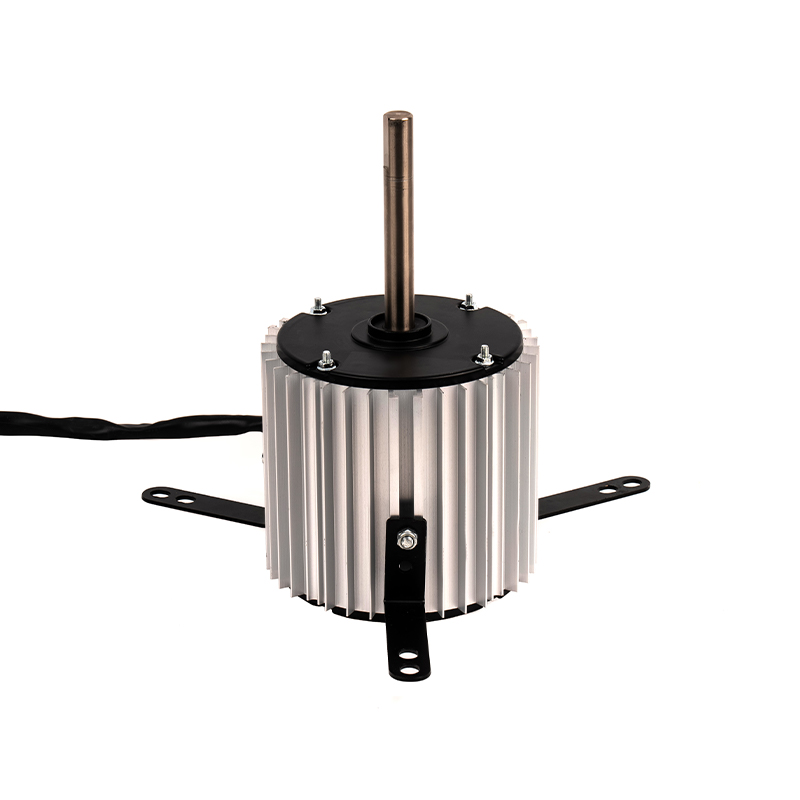
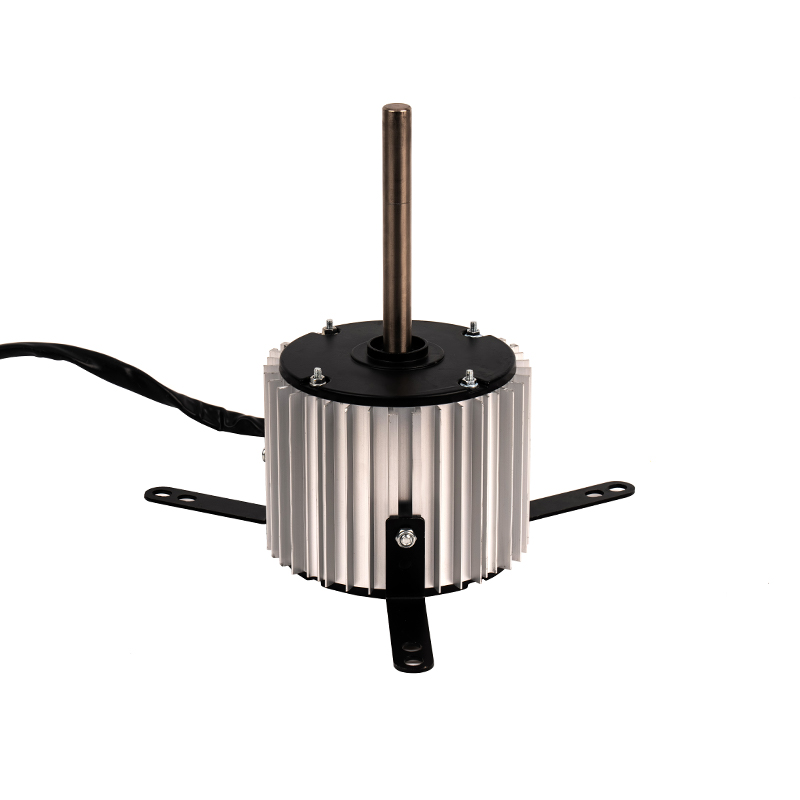
عربىPicture this: a small fan heater starts blowing warm air, then shuts down after a few minutes. The heating element is intact, the power supply is normal, but the motor that drives the fan has already tripped its thermal protector. For engineers and purchasing teams who specify small heating appliances, the heating AC motor is not a commodity part. It is the component that determines airflow, temperature stability, noise, and long-term reliability. The short answer is simple: choose the motor by matching its speed, torque, and thermal rating to the real operating point of the heater, not by the size of the shell alone.
What Is a Heating AC Motor?
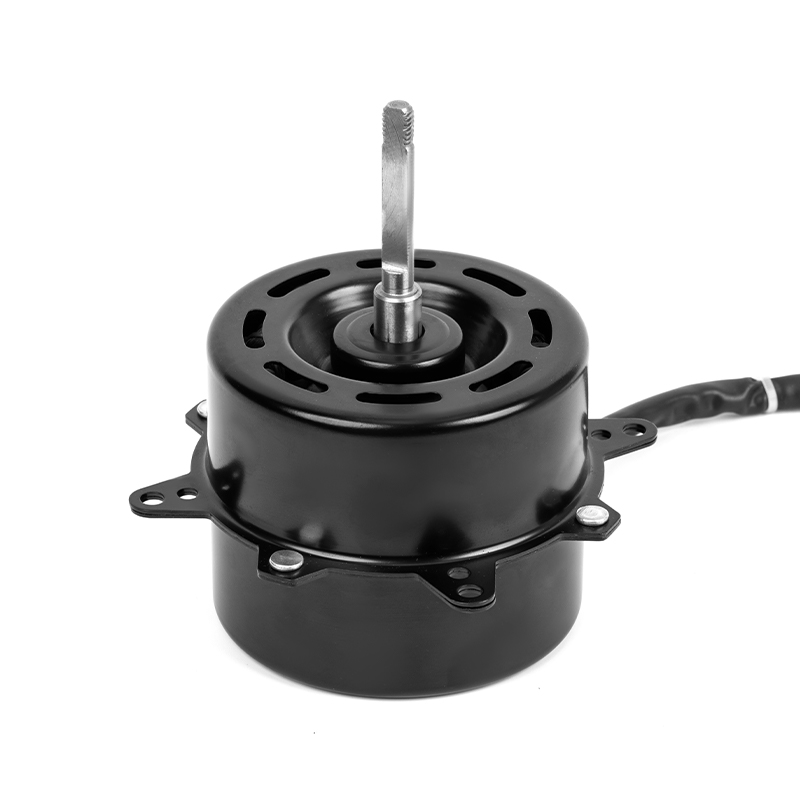
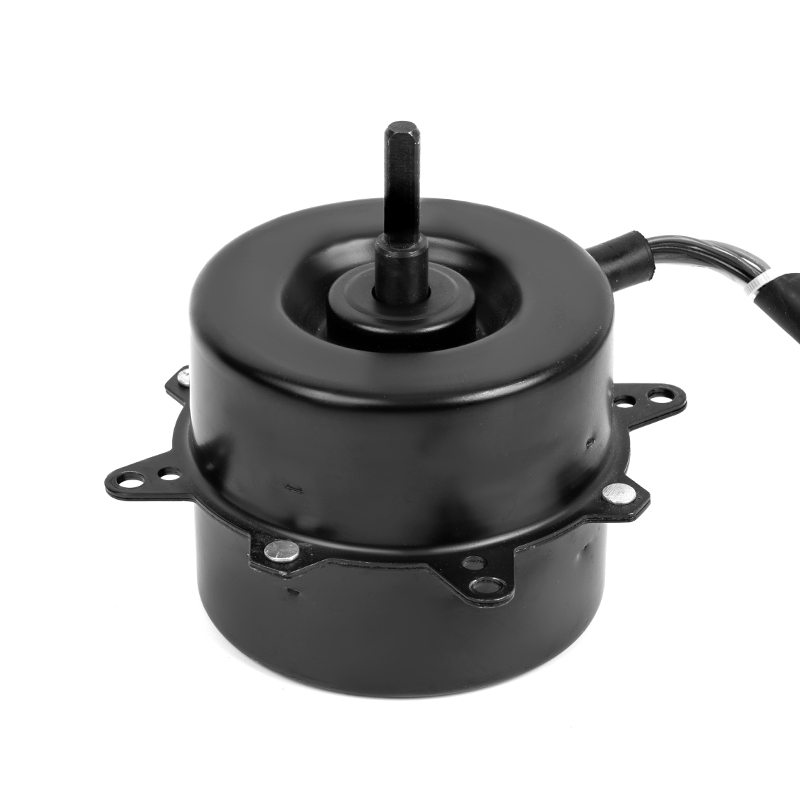
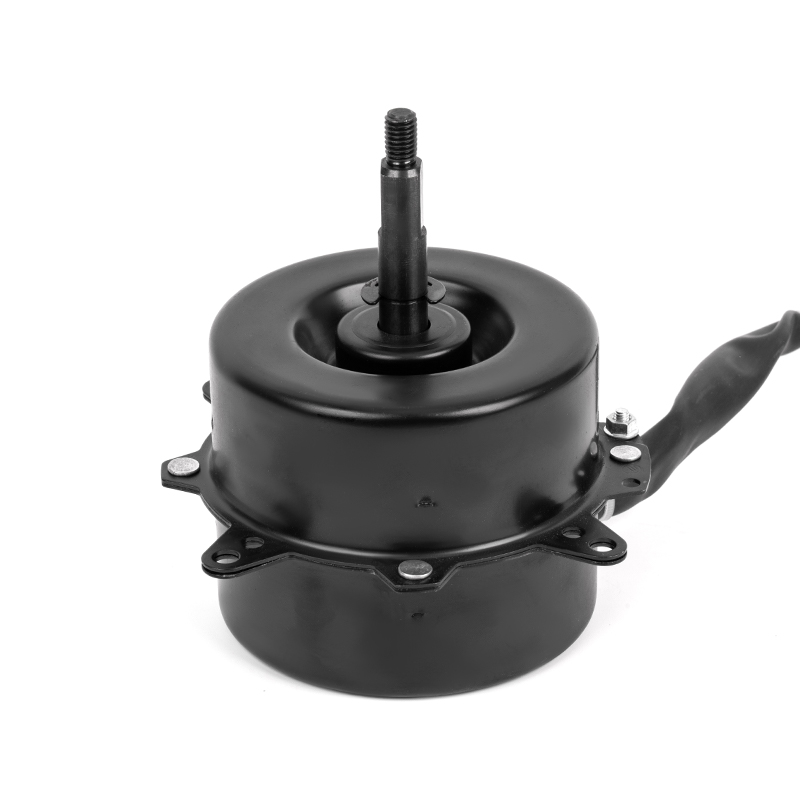
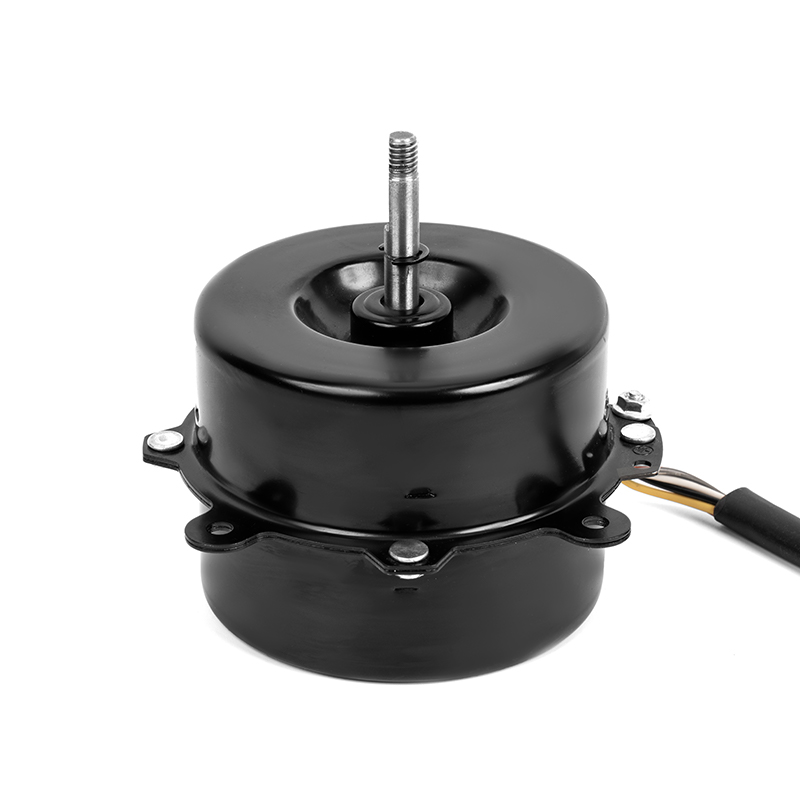
A heating AC motor is a single-phase alternating-current motor used to drive the fan inside space heaters, fan heaters, heat fans, and similar warm-air appliances. It does not generate heat itself; its job is to move air across an electric heating element or heat exchanger so that the heat reaches the room instead of staying trapped inside the appliance.
Where heating AC motors are used
- Portable fan heaters and ceramic heaters
- Radiator-style convection heaters with fan assistance
- Forced-air heaters in small booths and workshops
- Some compact HVAC units that use single-phase supply
How a heating AC motor is different from a cooling fan motor
A cooling fan motor usually operates at a low load and is selected for quiet continuous air circulation. A heating AC motor operates in a warmer environment, often against a higher pressure drop created by a compact fan chamber. For this reason, most small heating AC motors use a capacitor-run start-and-run circuit rather than a shaded-pole design. The capacitor gives better starting torque and smoother running with a lower current draw.
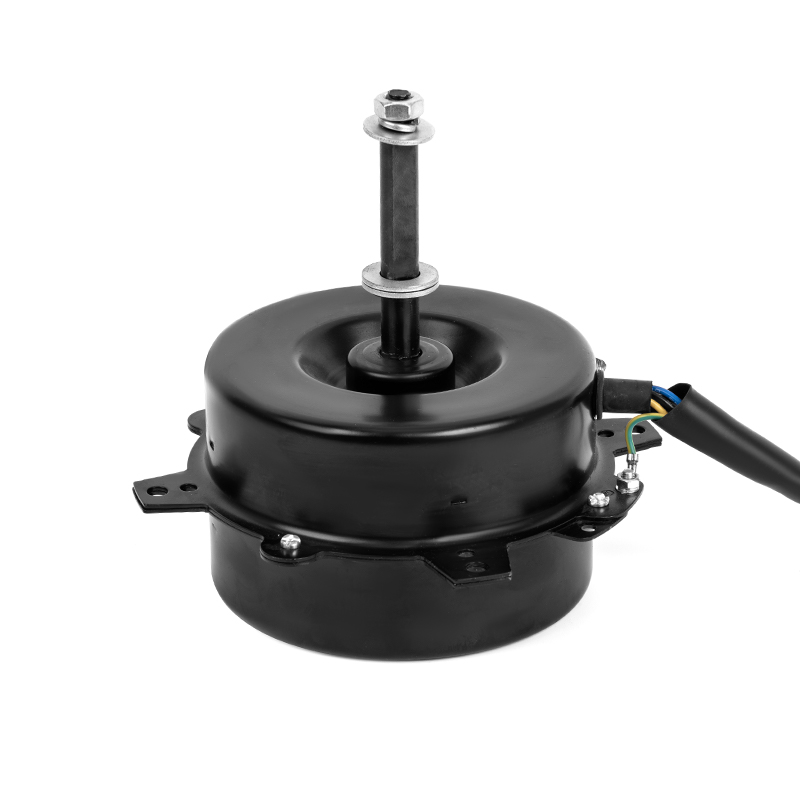
A practical example is the 2800 rpm capacitor-operation heater motor in the YPY8040 series, which is designed for the speed range most small fan heaters need.
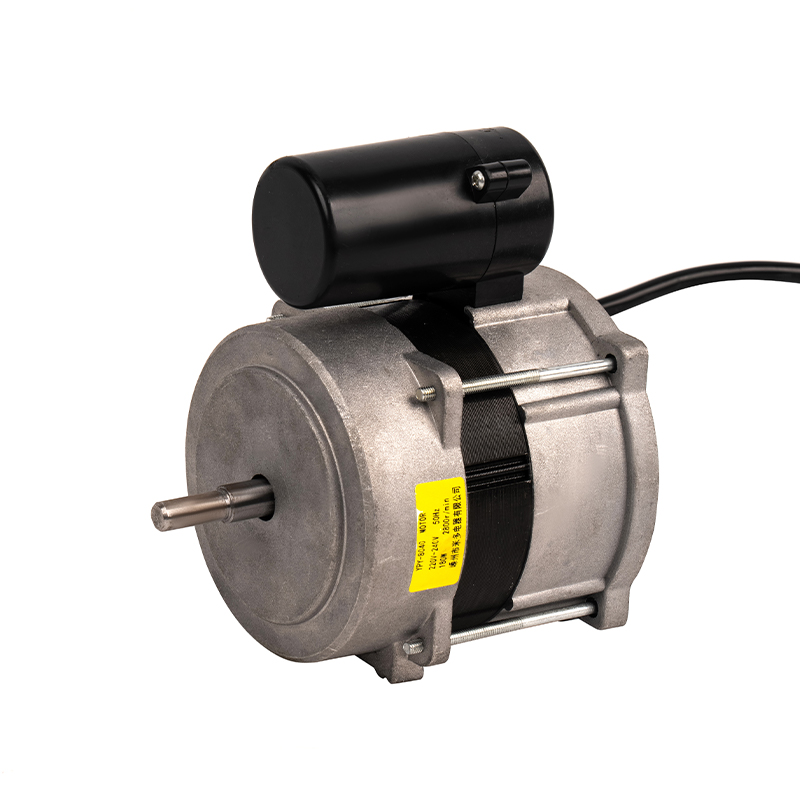 Wholesale YPY-8040 capacitor operation heater motor, 2800RPM Suppliers, Factory Shengzhou Miduo Eletric Appliance Co., Ltd. is China wholesale YPY-8040 capacitor operation heater motor, 2800RPM factory and YPY-8040 ca...View Product →
Key Design Characteristics That Affect Performance
Once you understand the basic role of a heating AC motor, the next step is to look at four design characteristics that have the biggest impact on how it behaves in a finished heater.
Capacitor-run single-phase induction
In a single-phase capacitor-run motor, a capacitor is connected in series with the auxiliary winding. It creates a phase shift between the main and auxiliary windings, which produces a rotating magnetic field. When the capacitor value is matched to the motor winding, the motor starts reliably and runs efficiently under load. This matters in heating appliances because the motor and the heating element often share the same electrical supply.
One-way rotation and fan direction
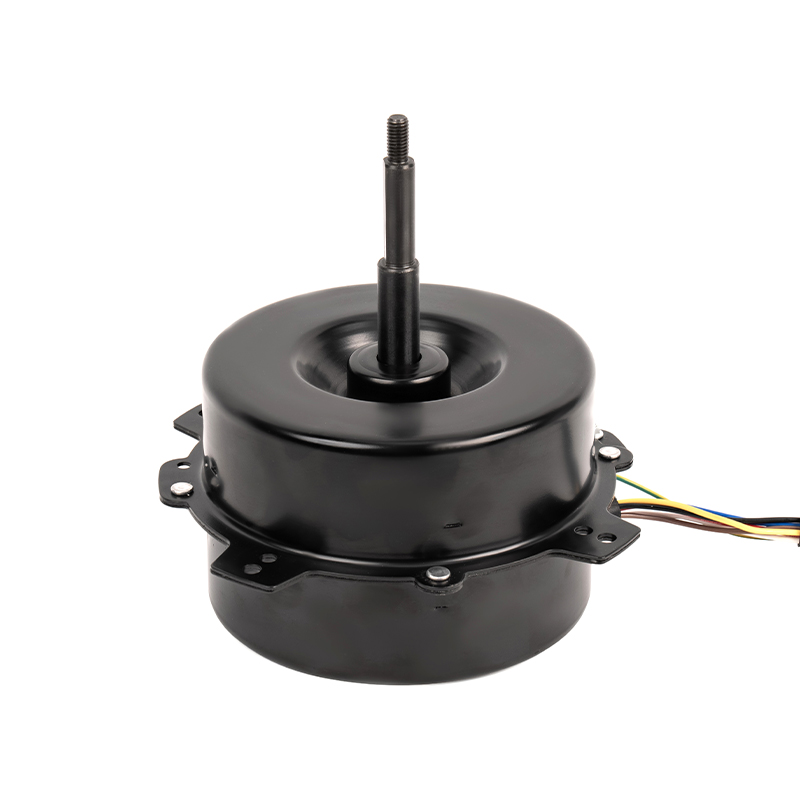
Many heater motors are described as one-way or unidirectional. This is not a functional limitation; it is a safety feature. If the fan rotates in the wrong direction, airflow reverses and the heat exchanger can overheat quickly. A capacitor-operated one-way motor is built with a winding arrangement that drives the rotor in the required direction only. For example, the capacitor-operated one-way motor in the YPY8051 series provides this direction control in a compact package.
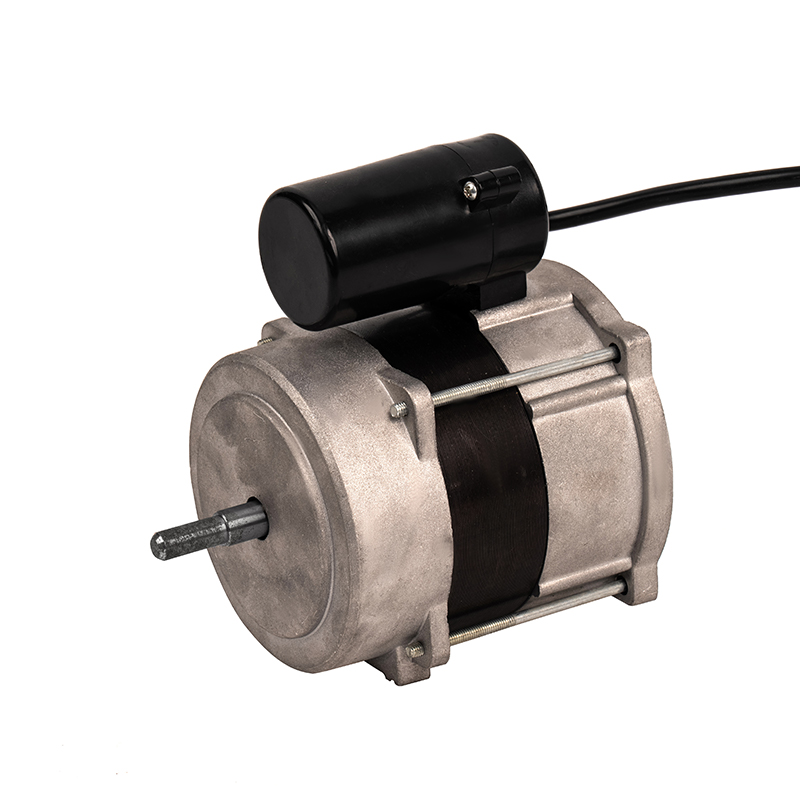 Wholesale YPY-8051 capacitor operated one-way motor Suppliers, Factory - ShengzhShengzhou Miduo Eletric Appliance Co., Ltd. is China wholesale YPY-8051 capacitor operated one-way motor factory and YPY-8051 capacitor o...View Product →
Speed, airflow, and heat transfer
Fan speed controls how much air passes over the heating element. Too little airflow creates high discharge temperatures and frequent thermal trips. Too much airflow reduces the outlet temperature and can make the heater noisy. Most small heating AC motors for fan heaters are wound for about 2800 rpm at 50 Hz, but other speeds are available for different duty points. If you need to understand the trade-offs, read about how motor speed affects heating efficiency and adjustable speed options.
Thermal protection and insulation
Because the motor sits close to the heat source, the winding insulation and bearing grease must handle higher ambient temperatures. Many heater motors include a thermal protector embedded in the winding. The protector opens the circuit when the winding temperature exceeds a safe limit. When selecting a motor, check the insulation class and the trip temperature of the protector. A motor that trips too early can make the entire heater look faulty; one that tolerates too much heat can fail early in the field.
How to Choose the Right Heating AC Motor
Choosing a heating AC motor is not about matching a catalogue number; it is about matching a set of operating conditions. The table below summarizes the parameters that deserve attention during selection.
| Parameter | What to verify | Typical effect |
|---|---|---|
| Rated speed | rpm at rated voltage and frequency | Airflow and heat output |
| Operating current | amps at full load | Wiring and thermal load on the control board |
| Rotation direction | one-way or reversible | Failsafe airflow direction in heater fans |
| Thermal protection | protector trip temperature and reset type | Nuisance shutdowns versus safety |
| Insulation class | winding insulation rating | Lifespan near the heating element |
These parameters are not independent. A motor wound for 2800 rpm and 1.6 A will behave differently when the same fan is installed in a housing with a different pressure drop. That is why a complete specification sheet is more useful than a single catalogue number.
Define the operating point first
Start with voltage, frequency, airflow requirement, and pressure drop. If the heater uses a centrifugal blower that needs 2800 rpm and draws 1.6 A at full load, the motor must be rated for that load line. For reference, the YPY8040 one-way motor rated at 1.6 A is an example of a current rating that matches a typical small heater duty point.
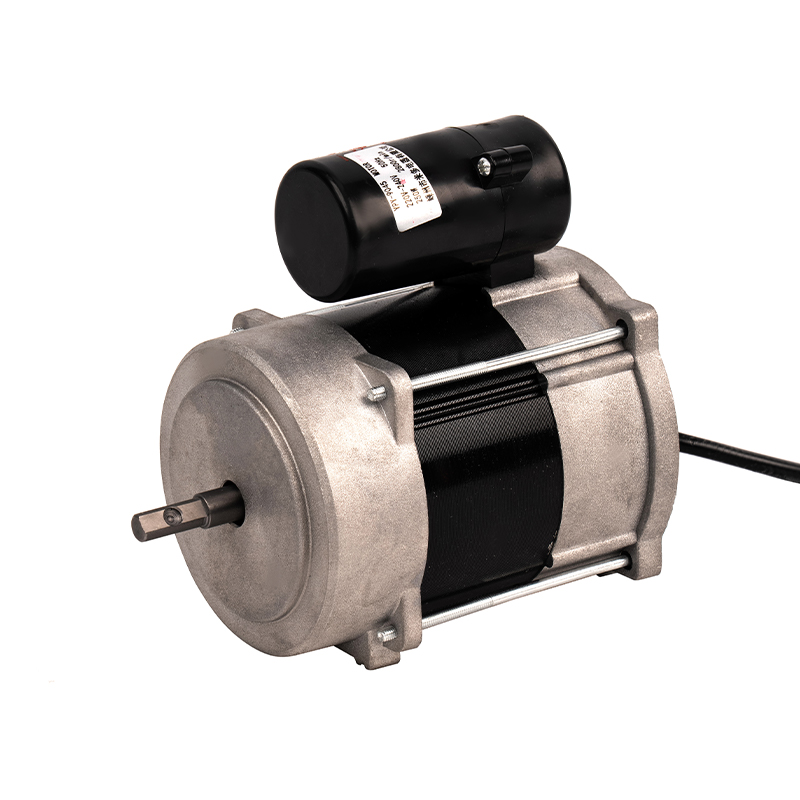 Wholesale YPY-8040 one-way motor, 1.6A Suppliers, Factory - Shengzhou Miduo EletShengzhou Miduo Eletric Appliance Co., Ltd. is China wholesale YPY-8040 one-way motor, 1.6A factory and YPY-8040 one-way motor, 1.6A supp...View Product →
Check the thermal environment
Measure the air temperature around the motor at the intended duty point, including the heat from the element and the cooling effect of the fan. The motor should be rated for the maximum ambient temperature plus its own winding temperature rise. Mounting position matters too; a motor mounted directly in the exhaust flow will run cooler than one trapped in a small enclosed base.
Assess reliability, testing, and certifications
Ask for performance curves, life test data, and insulation material declarations. Check whether the motor has CE or RoHS documentation and whether the supplier operates its own testing equipment. For a heating appliance, a documented quality process is more important than a small saving on unit price. If your heater will be offered with variable temperature settings, also consider how small heating AC motors respond to variable temperature settings before you finalize the control scheme.
Common Field Issues and What They Tell You
Most heating AC motor problems in the field are not random failures. They are consequences of a mismatch between the motor and the duty point. Recognizing the pattern makes troubleshooting faster and helps you improve the next production batch.
Overheating that triggers thermal cutoff
Repeated tripping usually means the motor is operating above its designed thermal limit. Possible causes include a reversed impeller, blocked inlet, degraded capacitor, or an undersized motor. A correctly matched thermal protector should only trip under abnormal conditions, not during normal operation. If it trips during normal operation, the protection is not the problem; the motor is.
Noise and vibration
Whining, rattling, or high-frequency vibration in a heater can come from the impeller, the motor bearing, or the resonance between the motor and the plastic housing. Balancing the impeller and verifying bearing clearance are the first steps. For more detail, read about how capacitor-operated one-way motors manage noise when the sound level is a product requirement.
Slow starting or speed drop
If a heater motor starts slowly after installation, check the capacitor value and the supply voltage first. A weak capacitor reduces starting torque and causes the motor to run slower under load. The same symptom can also appear when the motor is asked to drive an impeller that is heavier than the original design intended. Inspecting the capacitor and the fan load is quicker than sending the motor back to the supplier.
Work With the Motor Supplier Early
In our experience, the most expensive motor is the one that gets selected after the heater housing and impeller are already fixed. When the motor engineer has only a small leftover cavity to work with, airflow and cooling suffer. A better approach is to invite the motor supplier into the design conversation at an early stage.
As a small-motor manufacturer, we build single-phase capacitor-run AC motors for cooling fans and heating appliances. Our heating AC motor range includes the one-way YPY8040 and YPY8051 series, available in different speeds, current ratings, shaft lengths, and wiring options. We also develop motors from customer drawings or samples when the standard range does not match the required duty point.
Before mass production, run a small pilot batch in your actual heater enclosure and measure winding temperature, airflow, and noise at rated voltage. The data from that test tells you more than any datasheet about whether the motor and heater are truly compatible.
The final cost of a heating AC motor is not its purchase price; it is the cost of field failures, warranty returns, and delayed shipments. If you specify the right motor today, you will not be troubleshooting it during the heating season later. Send us the airflow curve, available voltage, and enclosure dimensions of your heater, and we will recommend a motor that meets the performance and service life your product needs.
 ++86 13524608688