

 English
 عربى
عربى-
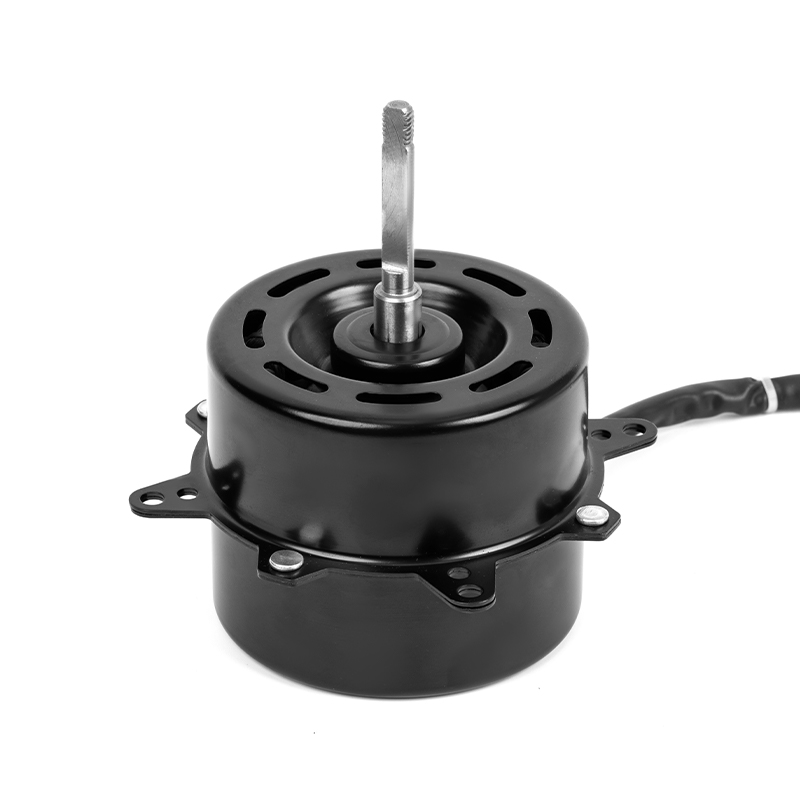
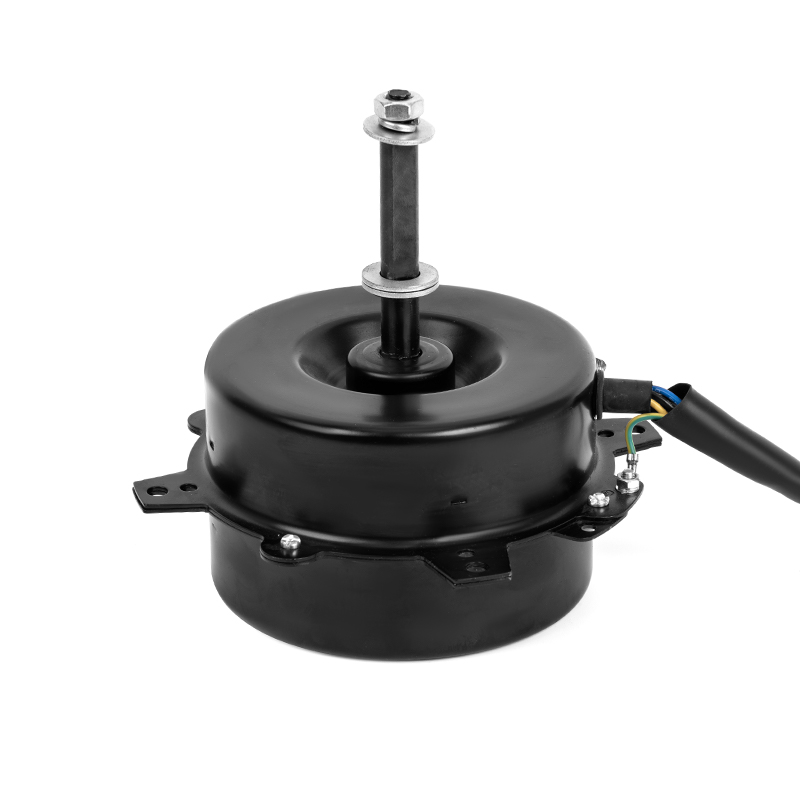
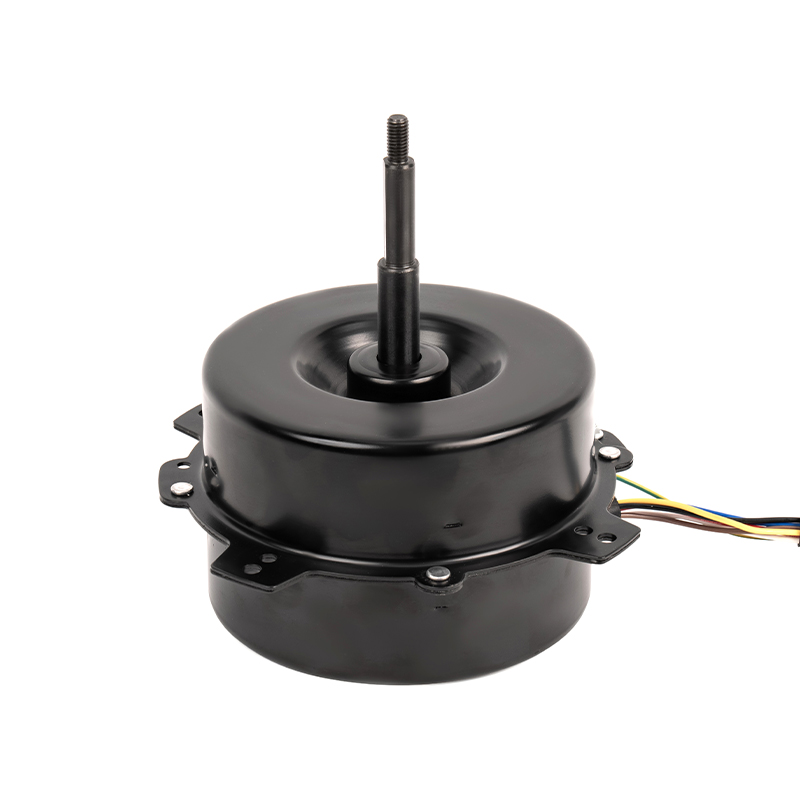
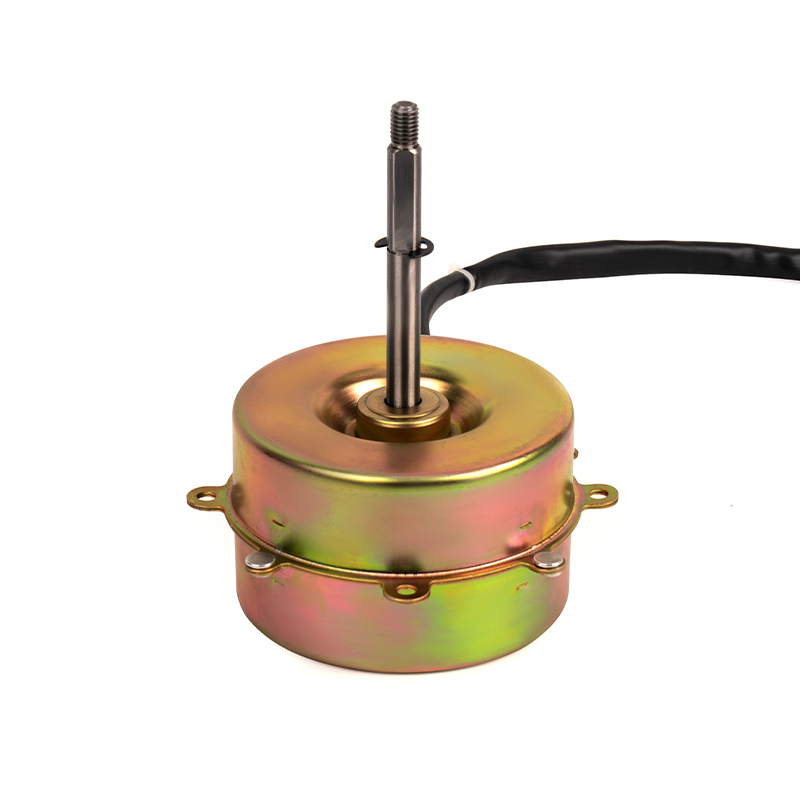
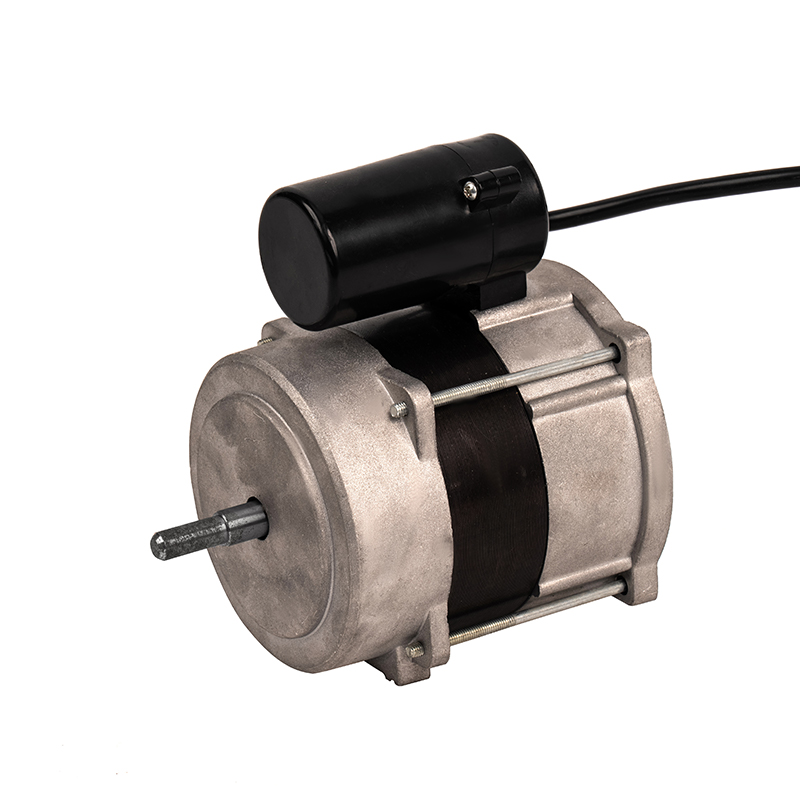
Rotor and Stator Design Optimization: The Capacitor Operated One-Way Motor is designed with high-precision rotor and stator assemblies to reduce mechanical vibration and noise. The rotor is dynamically balanced during manufacturing to ensure uniform mass distribution along its axis, minimizing rotational imbalances that could lead to oscillations or audible hum. The stator windings are carefully positioned and secured within the motor housing to prevent movement under magnetic forces, particularly during startup when torque is rapidly applied. High-quality laminated steel in the stator core reduces electromagnetic vibration caused by alternating magnetic fields. This precise mechanical and electromagnetic design minimizes noise generated both from rotor imbalance and magnetic forces, allowing smooth, quiet operation even under varying load conditions or when connected to other machinery.
-
Capacitor-Assisted Starting Smoothness: In a Capacitor Operated One-Way Motor, the start capacitor or run-start capacitor creates a phase shift in the auxiliary winding, which generates a rotating magnetic field that allows the rotor to accelerate smoothly. Unlike direct-on-line single-phase motors, which can experience abrupt torque application and jerky startup motion, the capacitor ensures a gradual buildup of rotational energy. This controlled acceleration reduces mechanical stress on the rotor and bearings, preventing transient vibrations that can propagate through the motor frame or connected equipment.
-
Bearing Selection and Lubrication: Bearings in a Capacitor Operated One-Way Motor are critical for vibration and noise control. High-precision ball or roller bearings are used to minimize axial and radial play, reducing mechanical vibration during rotation. Bearings are carefully lubricated with high-quality grease or oil to minimize friction, which lowers noise and prevents heat buildup. Proper bearing selection ensures that the rotor remains concentric within the stator, maintaining alignment and preventing wobbling that can generate vibration. Bearings are also rated to handle startup torque and continuous operational loads without deformation, which helps maintain long-term smoothness, reduces audible noise, and enhances motor lifespan even in continuous-duty applications such as pumps, fans, or HVAC systems.
-
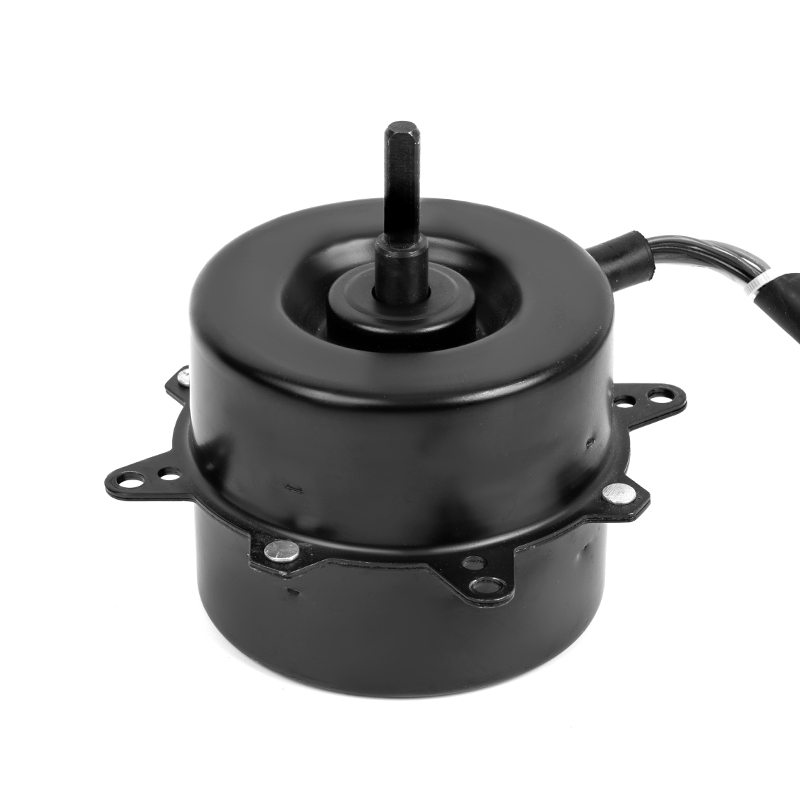
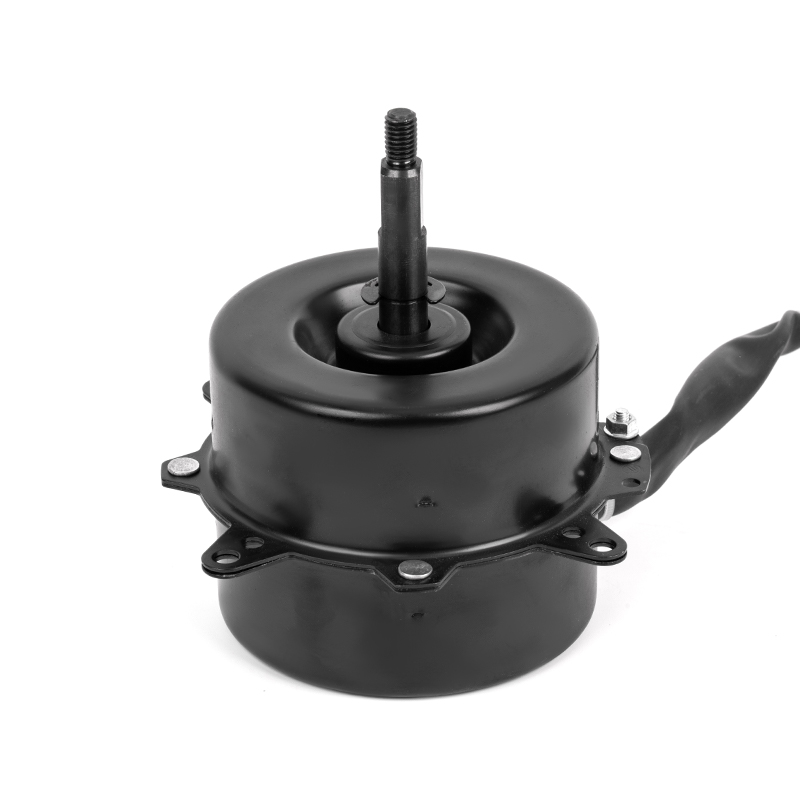
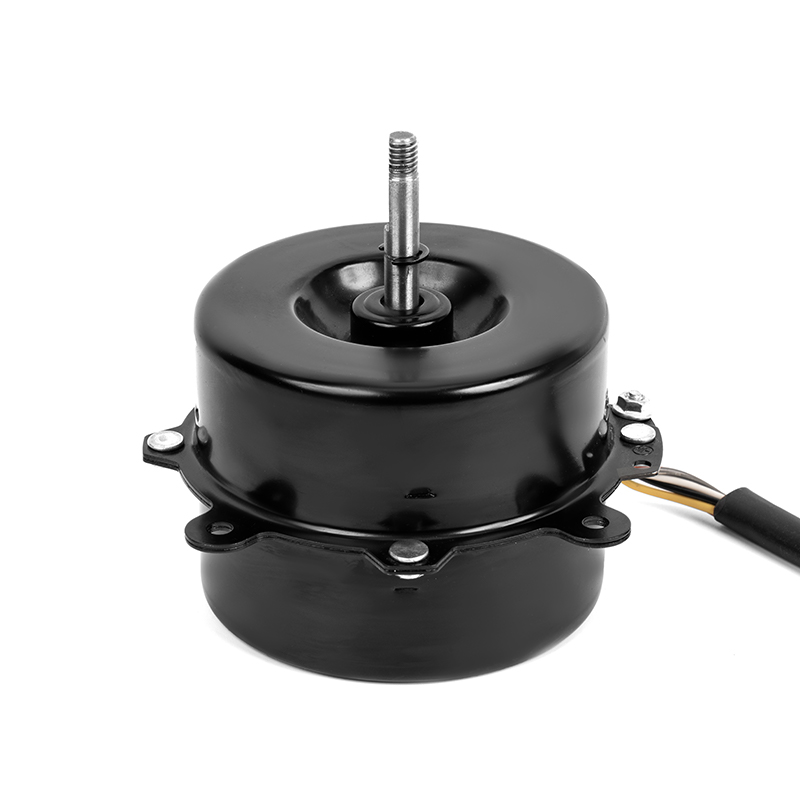
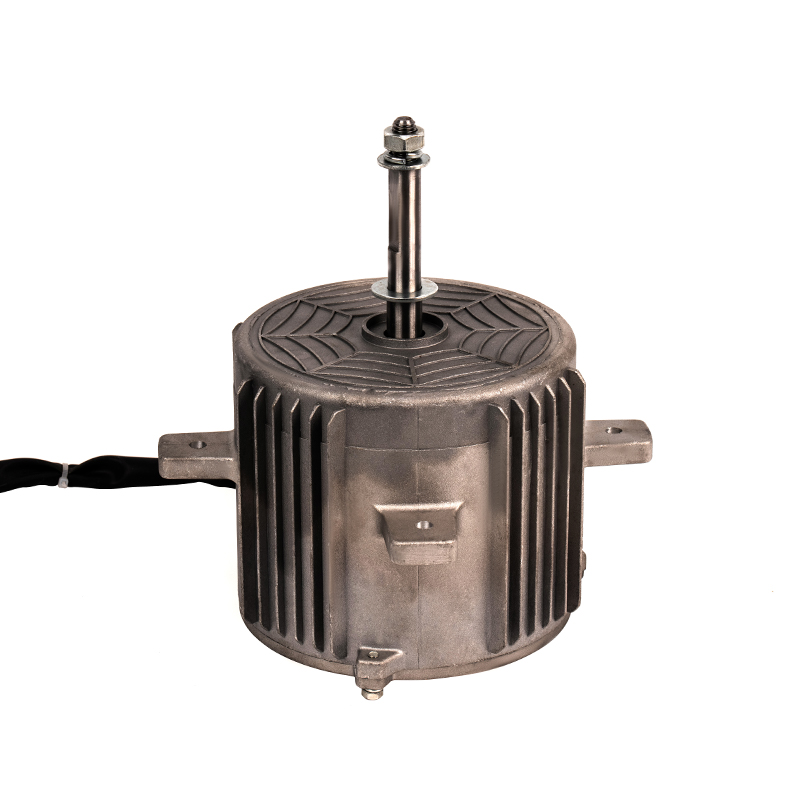
Mounting and Housing Design: The motor housing is engineered to absorb and dampen vibrations while minimizing acoustic emissions. Rigid frames and reinforced end shields provide structural stability, while vibration-dampening mounting feet or elastomeric isolators decouple the motor from connected machinery, preventing vibrations from transferring to the installation platform. Housing thickness, ribbing, and material selection reduce resonance that could amplify noise from the rotor or electromagnetic forces. This mechanical design ensures that vibration and humming are controlled, providing a quieter operational profile. Proper mounting alignment further reduces strain on bearings and prevents torsional vibration, which is especially important in sensitive indoor or industrial applications where noise control is critical.
-
Electromagnetic Noise Reduction: Noise in single-phase motors often originates from fluctuating magnetic fields in the stator and rotor laminations. The Capacitor Operated One-Way Motor uses laminated steel cores with high magnetic permeability and low hysteresis loss to reduce electromagnetic vibration. Tight, consistent winding placement prevents the coils from moving under magnetic forces, which reduces buzzing or humming. The combination of laminated cores, carefully wound stator coils, and optimized rotor geometry minimizes electromagnetic noise while maintaining efficient torque production. By controlling both mechanical and electromagnetic sources of vibration, the motor achieves quiet, efficient operation throughout its performance range.
-
Operational Load Balancing: During continuous operation, the capacitor maintains phase balance in the auxiliary winding, stabilizing the rotor’s magnetic field and torque output. Torque ripple, which can occur due to uneven electromagnetic forces, can induce small oscillations in the rotor that generate vibration and noise. The capacitor’s phase-shifting function ensures smooth, consistent torque delivery, preventing micro-vibrations or humming. This is particularly important in applications with variable loads, such as pumps or fans, where load fluctuations could otherwise cause periodic vibration and audible noise. Consistent torque contributes to smooth rotation, reduced mechanical stress, and quieter overall motor performance.
 ++86 13524608688