

 English
 عربى
عربىMotor Engineering & Buying Guide
Air Cooler Motor vs. Water Pump Motor
A close reading of two motors built for opposite relationships with water — and why that difference should shape every purchase decision you make.
An air cooler motor is not designed for continuous submersion or direct water contact, while a water pump motor is built specifically to operate while partially or fully submerged. This is the core distinction buyers need to understand before comparing the two.
An air cooler motor sits above the water level inside the cooler housing and only tolerates incidental splashing, humidity, and vapor exposure. A water pump motor, by contrast, is sealed with waterproof windings, corrosion-resistant bearings, and often a fully encapsulated rotor assembly so it can run indefinitely while surrounded by water. If you are shopping and comparing a small cooler motor price against a water pump motor price, understand that you are paying for two very different engineering approaches, not just a difference in horsepower or size.
This difference in water tolerance directly affects installation location, expected service life, and maintenance frequency. Below, we break down the technical, practical, and cost-related differences so you can select the right motor for your application.
How Each Motor Is Engineered for Its Environment
Air Cooler Motor Construction
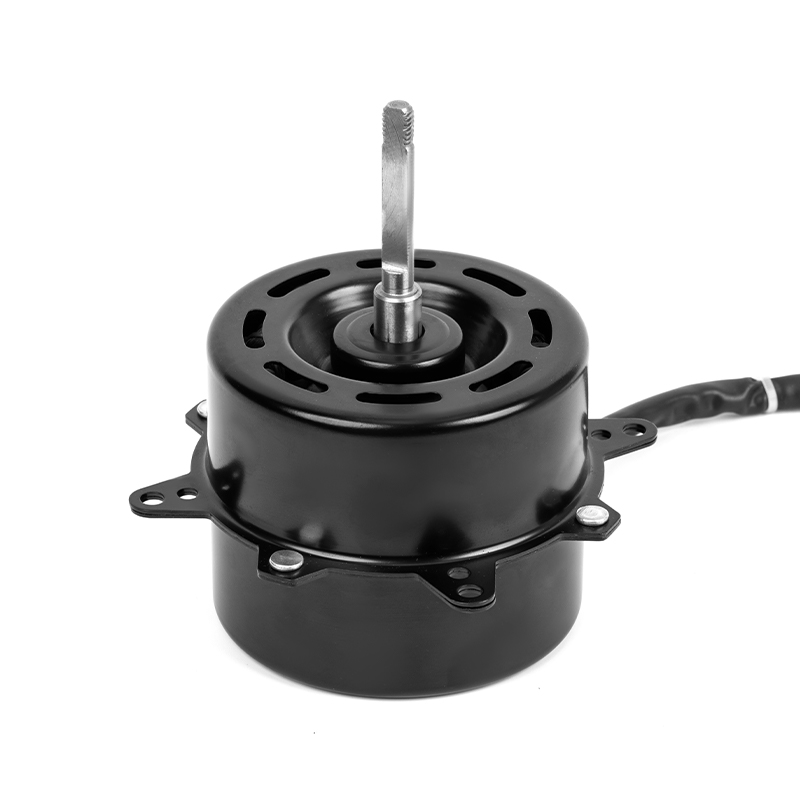
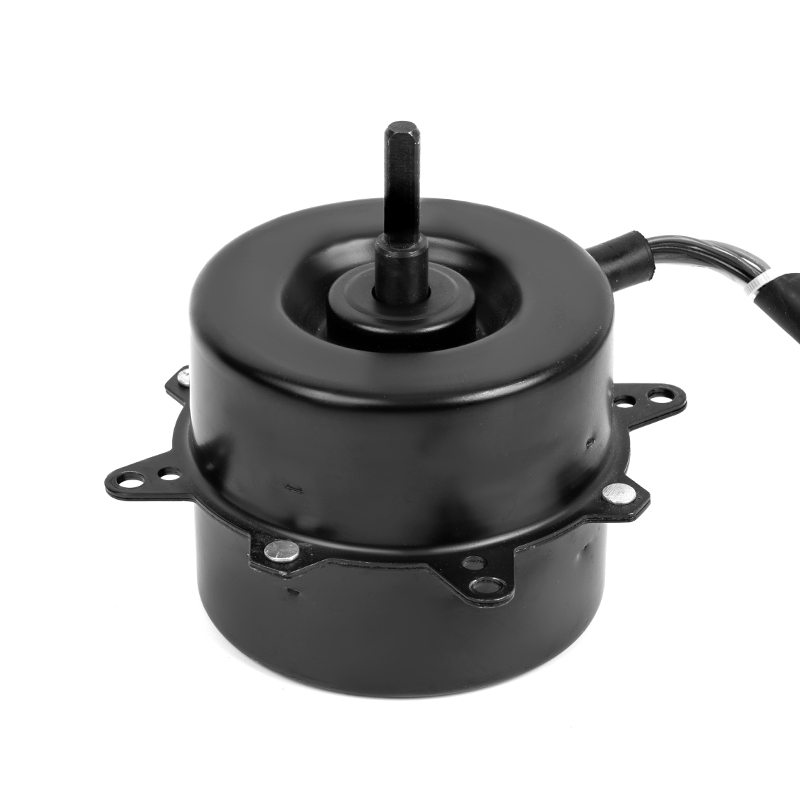
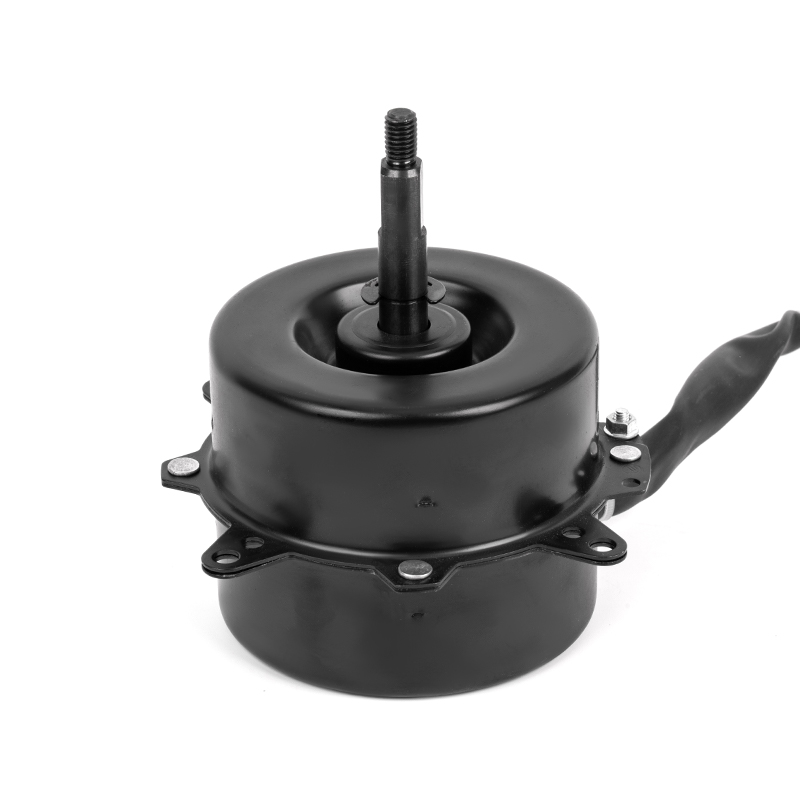
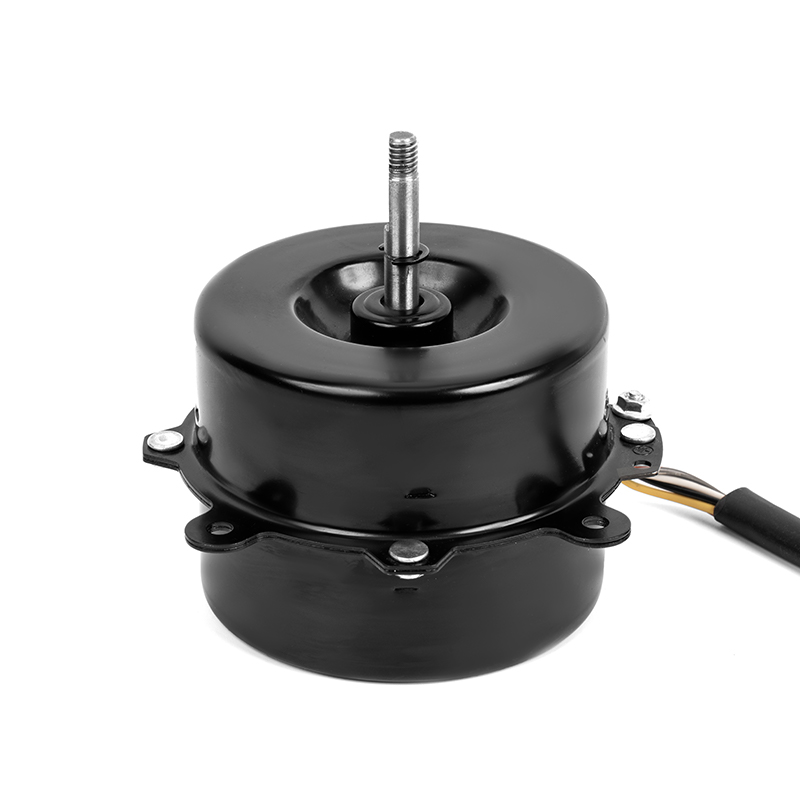
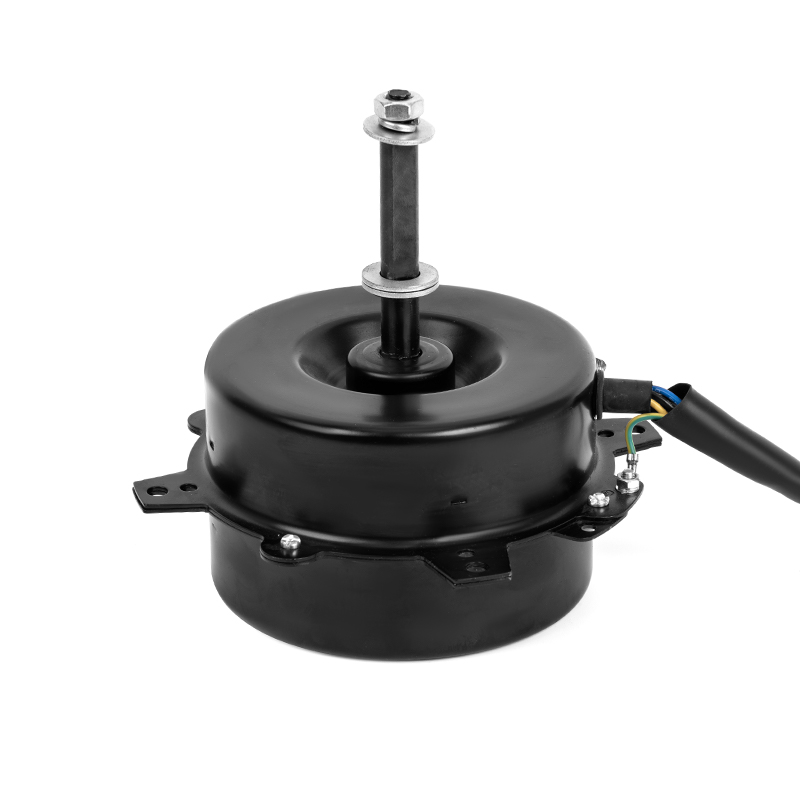
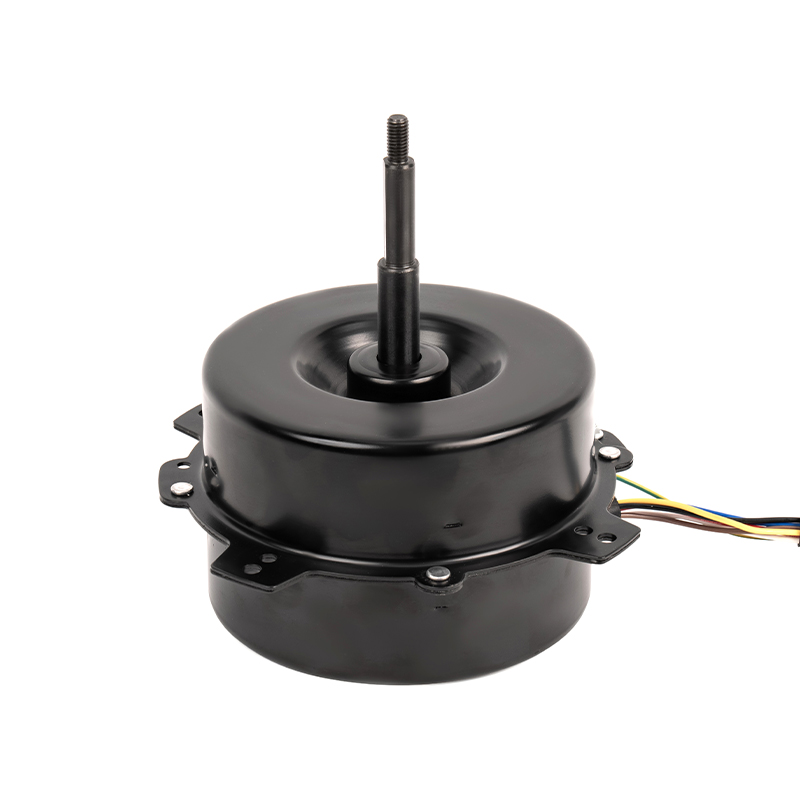
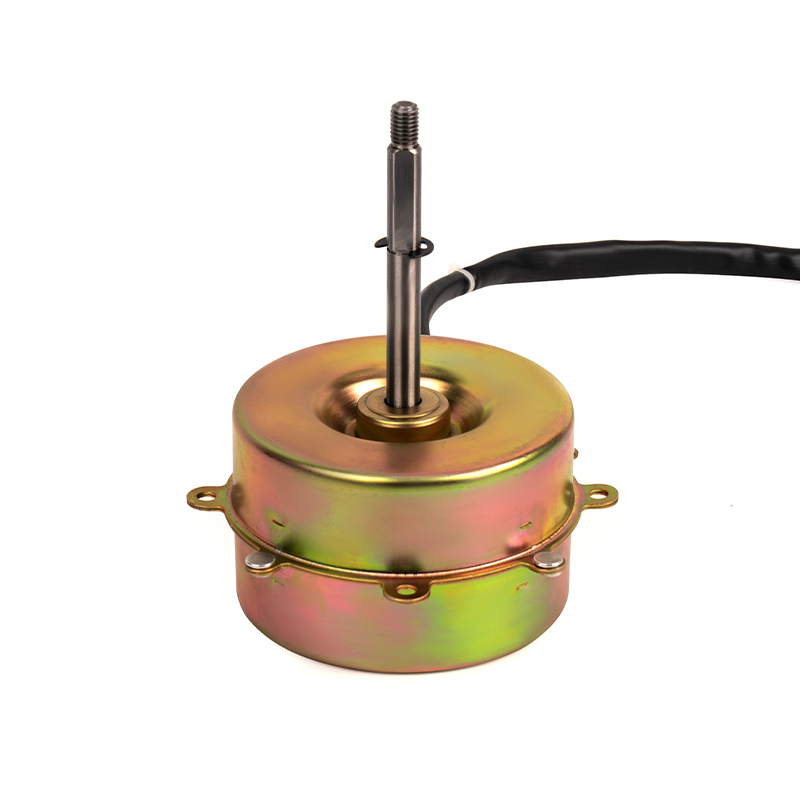
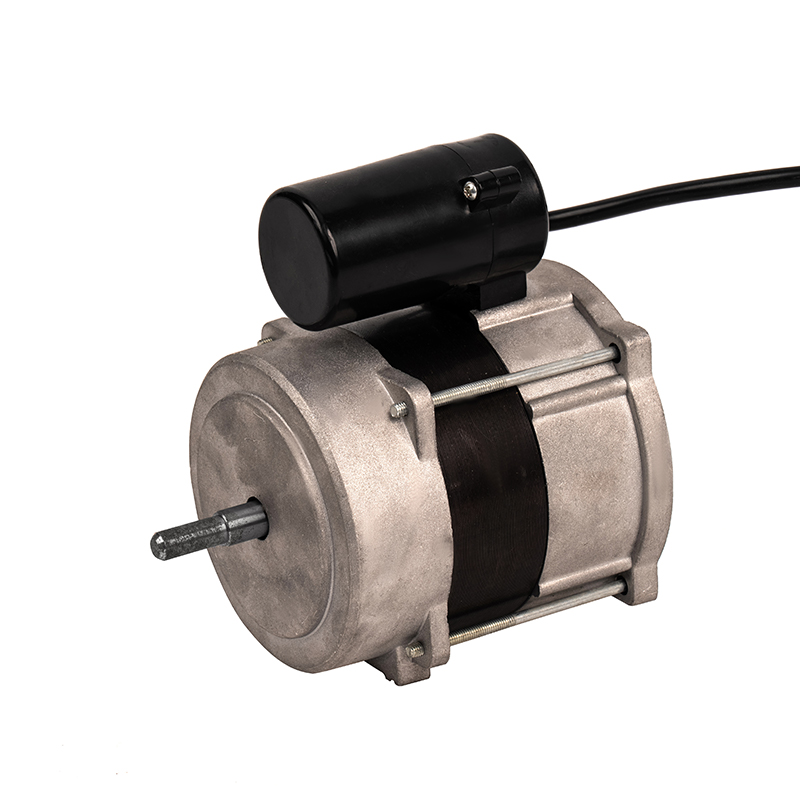
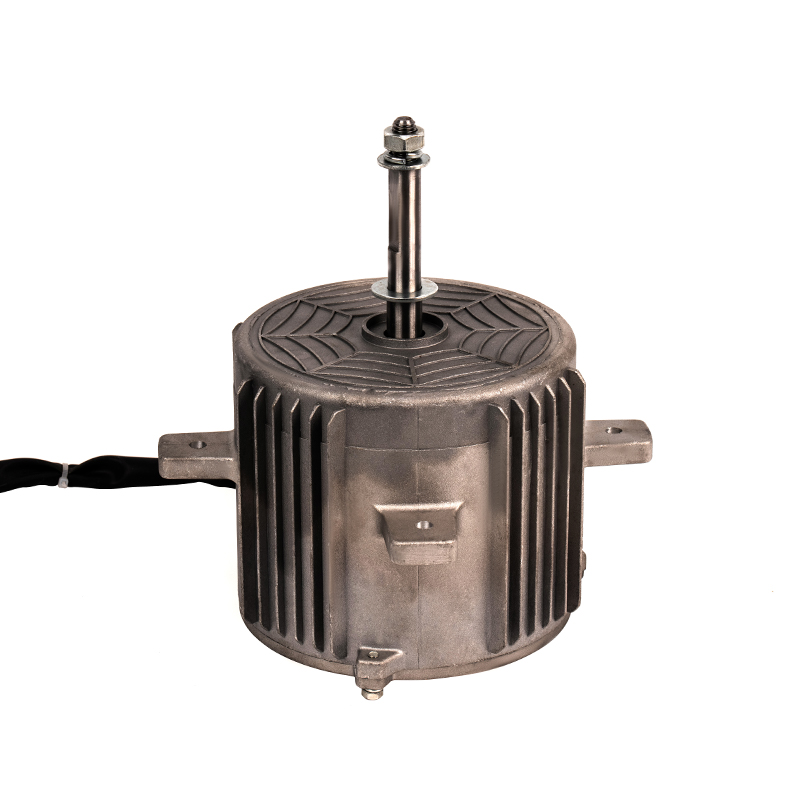
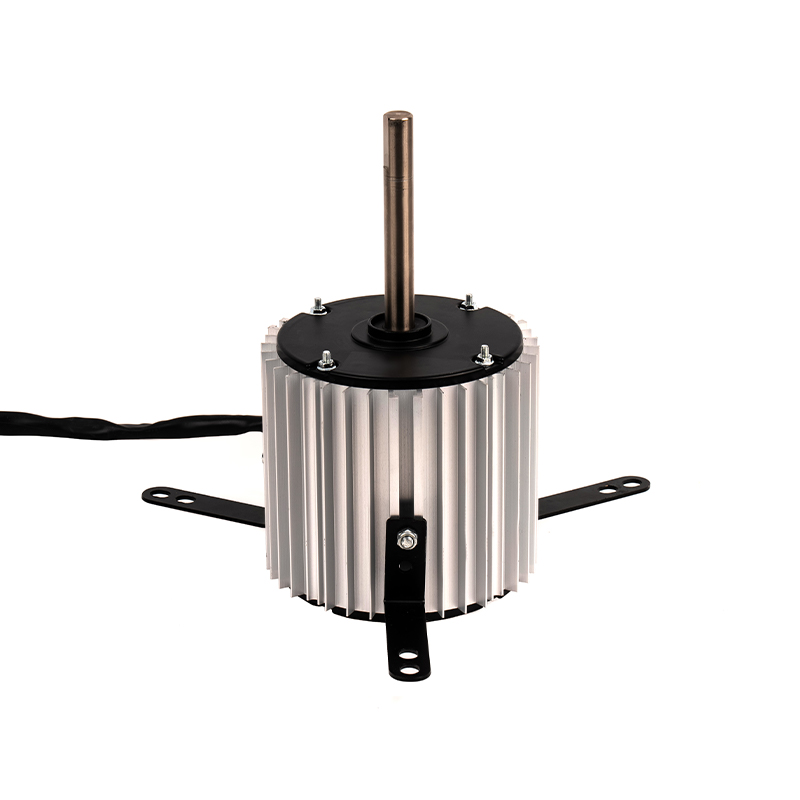
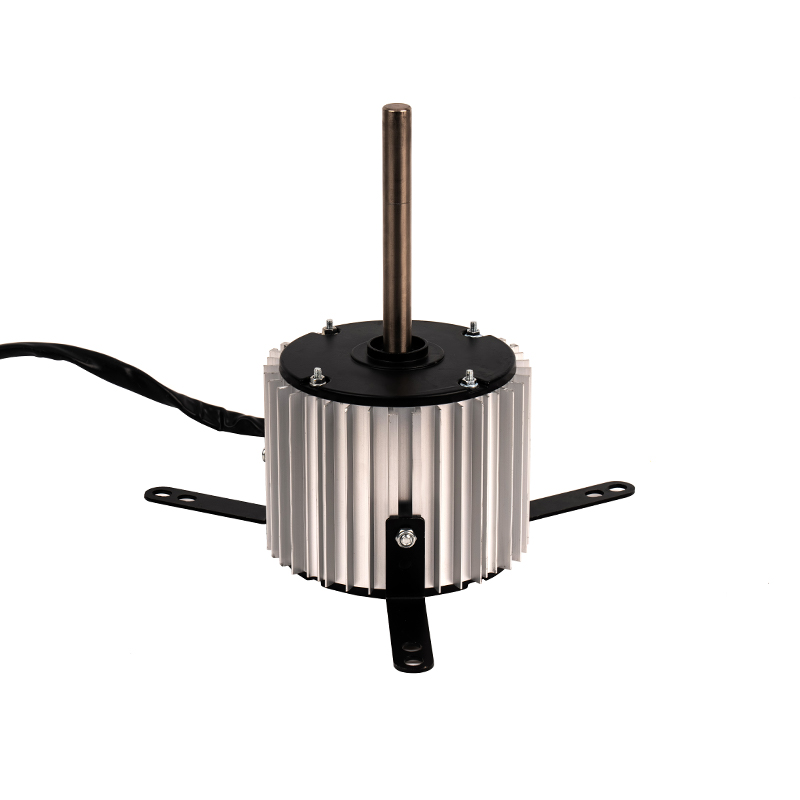
An air cooler motor is typically an induction-type motor mounted above the water tank, connected to a fan blade and, in many models, a pulley belt that also drives a water pump. The motor housing uses ventilated or semi-sealed casing to allow heat dissipation during long operating hours, since air coolers often run 8 to 16 hours a day during hot seasons. The windings are insulated with moisture-resistant varnish, but the design assumes the motor stays dry, with only ambient humidity and occasional splash exposure to manage.
air cooler motor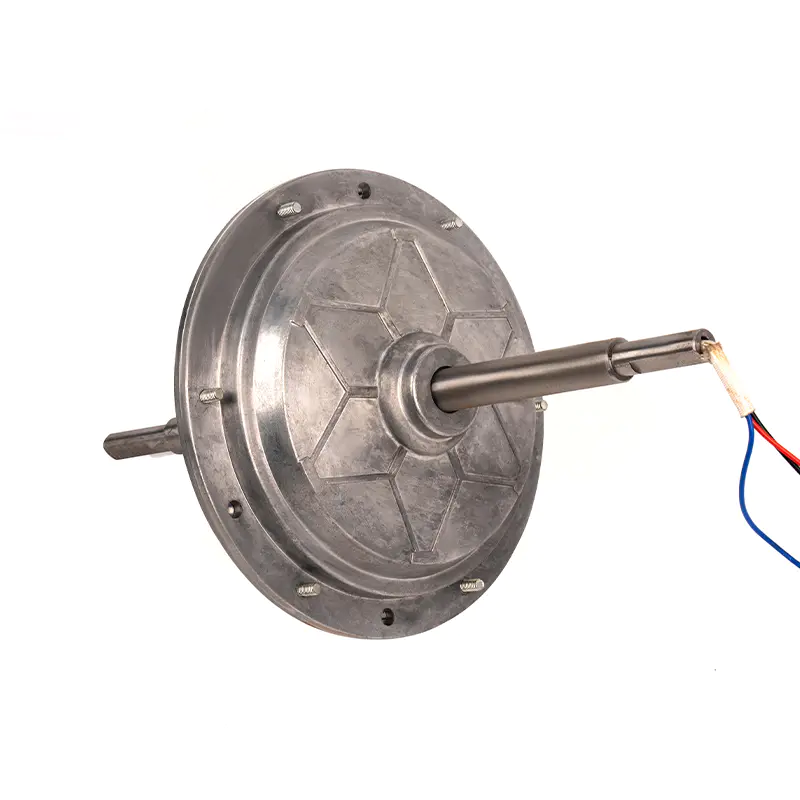
Water Pump Motor Construction
A water pump motor, especially the submersible type, uses a fully sealed stator chamber, oil-filled or water-filled cooling cavities, mechanical shaft seals, and stainless steel or corrosion-resistant housing. These motors are rated with an Ingress Protection level, commonly IP68, meaning they can withstand continuous submersion at a specified depth. This level of sealing adds cost and weight but is essential for reliable underwater operation over years of service.
Sealing isn't a feature added onto a water pump motor — it is the design brief the entire motor is built around.
Water Resistance Ratings Compared
Ingress Protection ratings offer a clear, standardized way to compare how much water exposure each motor type can realistically handle. The table below summarizes typical IP ratings found in the market.
| Motor Type | Typical IP Rating | Water Exposure Tolerance |
|---|---|---|
| Air Cooler Motor | IP20 – IP24 | Splash and humidity only |
| Standard Water Pump Motor | IP44 – IP55 | Rain and moderate splash |
| Submersible Water Pump Motor | IP68 | Continuous full submersion |
As the table shows, an air cooler motor sits at the lower end of the water resistance scale. It is engineered to survive incidental moisture from evaporative cooling pads and occasional water mist, not to be immersed. A submersible water pump motor, on the other hand, is rated more than three protection classes higher, reflecting a fundamentally different sealing standard.
Why This Difference Matters for Buyers
Understanding water resistance is not just a technical detail, it directly affects purchase decisions, safety, and long-term running costs.
- Installation location — An air cooler motor must remain above the waterline and shielded from direct spray, while a water pump motor can be installed fully underwater or in a wet well.
- Failure risk — If an air cooler motor gets soaked due to a leaking tank or clogged drain, winding insulation can break down quickly, leading to short circuits.
- Maintenance cycle — Water pump motors are built for years of submerged operation with minimal servicing, whereas air cooler motors need periodic inspection to keep the bearing area dry and free of mineral buildup.
- Safety — Using an air cooler motor in a wet-mounted application creates a serious electric shock hazard, since it lacks the sealed shaft and cable entry points a pump motor has.
Danger
Never mount a standard air cooler motor in a location where it can be splashed directly or partially submerged — its winding insulation is not rated for that exposure and the shock risk is real.
Performance and Lifespan Under Moisture Exposure
Under normal household conditions, an air cooler motor with adequate ventilation and proper drainage can last 3 to 6 years on average, depending on usage hours and water quality passing through the cooling pads. However, once persistent moisture reaches the windings, motor life drops sharply, often failing within months due to insulation degradation and rust on the shaft.
A quality submersible water pump motor, in comparison, is rated for 5,000 to 10,000 continuous operating hours or more, since its entire design assumes constant water contact. The mechanical seal and cooling jacket prevent water from ever reaching the electrical windings, which is why these motors can be left running underwater for extended periods without performance loss.
Bearing and Shaft Differences
Air cooler motors generally use sealed ball bearings that are lubricated for dry operation, and they are not designed to resist prolonged water contact at the shaft. Water pump motors use mechanical seals or ceramic-faced seals specifically engineered to prevent water from migrating along the shaft into the bearing housing, which is one of the most critical water resistance features separating the two designs.
Info
The shaft seal is the single most important water-resistance component on any submersible motor — it does more to determine service life than the winding insulation itself.
Cost Comparison and Value Considerations
Water resistance level has a direct impact on price. A basic small cooler motor price typically ranges lower than a comparable-output water pump motor, because the air cooler motor does not require the sealed casing, mechanical shaft seal, or corrosion-resistant materials that drive up manufacturing cost in submersible pump motors. Many buyers searching for an orient cooler motor replacement are often looking for an affordable, readily available unit that matches standard cooler dimensions and voltage requirements rather than a heavy-duty waterproof design, which reflects exactly this cost and application difference.
| Factor | Air Cooler Motor | Water Pump Motor |
|---|---|---|
| Typical Price Range | Lower | Moderate to High |
| Sealing Cost Impact | Minimal | Significant |
| Replacement Frequency | Every 3–6 years | Every 5–10+ years |
While the upfront small cooler motor price is attractive, buyers should factor in replacement frequency if the unit is exposed to more moisture than intended. Choosing a motor rated for the correct environment ultimately saves money over the appliance's full service life.
Success
Matching motor type to environment from the start — rather than upgrading after a failure — is consistently the lowest-cost path over the appliance's full lifetime.
Practical Buying Recommendations
- Match the motor to its intended environment: choose an air cooler motor only for dry-mounted fan applications, never for submerged pumping tasks.
- Check the IP rating on the product label before purchase, especially when comparing a general-purpose motor to a submersible-rated one.
- If replacing an existing unit such as an orient cooler motor, confirm voltage, RPM, and shaft dimensions match the original to avoid installation issues.
- Inspect drainage systems regularly on air coolers to prevent water pooling near the motor housing.
- For pump applications, always select a motor explicitly rated for submersible or wet-well use rather than adapting a dry-rated motor.
Common Failure Symptoms Linked to Moisture Exposure
Recognizing early warning signs helps buyers decide whether a motor issue stems from water exposure or a normal wear pattern. On an air cooler motor, moisture-related failure usually shows up as a burning smell near the winding, a sudden drop in fan speed, or the motor tripping a circuit breaker after the cooler has run with a clogged or overflowing water tray. A rusted shaft or corroded terminal box is also a strong indicator that water has been reaching parts of the motor never intended to get wet.
On a water pump motor, by contrast, failure is more often linked to seal wear over time rather than sudden water ingress, since the design already assumes constant submersion. Signs of a failing shaft seal include a gradual drop in pumping pressure, unusual vibration, or water appearing inside the motor housing during a scheduled inspection. Because the motor is engineered around water contact, technicians troubleshoot it differently than they would an air cooler motor, focusing on seal integrity and cooling jacket condition rather than assuming any water presence is abnormal.
Warning
A burning smell, a tripped breaker, or visible rust near the shaft on an air cooler motor are not routine wear signs — they usually mean moisture has already reached the windings.
Installation Environment Guidelines
Where an Air Cooler Motor Belongs
An air cooler motor should always be mounted on a bracket above the maximum water level of the tank, with the pulley and fan blade positioned so that water thrown from the cooling pads cannot drip directly onto the motor body. Good ventilation around the motor casing is just as important as keeping it dry, since airflow carries away heat generated during long summer operating hours. Homeowners comparing a small cooler motor price across different suppliers should also check whether the mounting bracket and pulley are included, as this affects total replacement cost beyond the motor itself.
Where a Water Pump Motor Belongs
A water pump motor, especially a submersible unit, is lowered directly into the water source it serves, whether that is a borewell, sump, or tank. Cable entry points are sealed with waterproof glands, and the entire unit is rated to sit at a specified depth without any risk of insulation breakdown. Attempting to mount a water pump motor above the waterline, or conversely trying to submerge an air cooler motor, defeats the purpose of each design and significantly shortens service life.
Maintenance Checklist for Long-Term Reliability
Because the two motor types face different moisture challenges, their maintenance routines differ as well. Following a regular checklist extends the working life of both units and helps buyers avoid premature replacement costs.
- Clean cooling pads and drain valves on the cooler regularly to prevent water from backing up toward the motor housing.
- Check the motor bracket periodically to confirm it has not shifted closer to the waterline over time.
- Inspect the shaft seal on submersible pump motors annually, since seal wear is the most common cause of eventual water ingress.
- Test insulation resistance on both motor types before each seasonal startup to catch early degradation.
- Replace worn bearings promptly, as bearing failure often accelerates moisture-related damage in both motor types.
Final Takeaway
The water resistance gap between an air cooler motor and a water pump motor comes down to purpose-built engineering. An air cooler motor is designed to run dry above a water reservoir and tolerate only splash-level humidity, while a water pump motor is built with sealed windings, protective housings, and shaft seals to survive constant submersion. Buyers evaluating a small cooler motor price against pump motor options should recognize that the price difference reflects real engineering trade-offs, not just brand markup. Selecting the correctly rated motor for your application, whether replacing a household orient cooler motor or sourcing a submersible pump, is the single most important step in ensuring safety and long-term reliability.
 ++86 13524608688