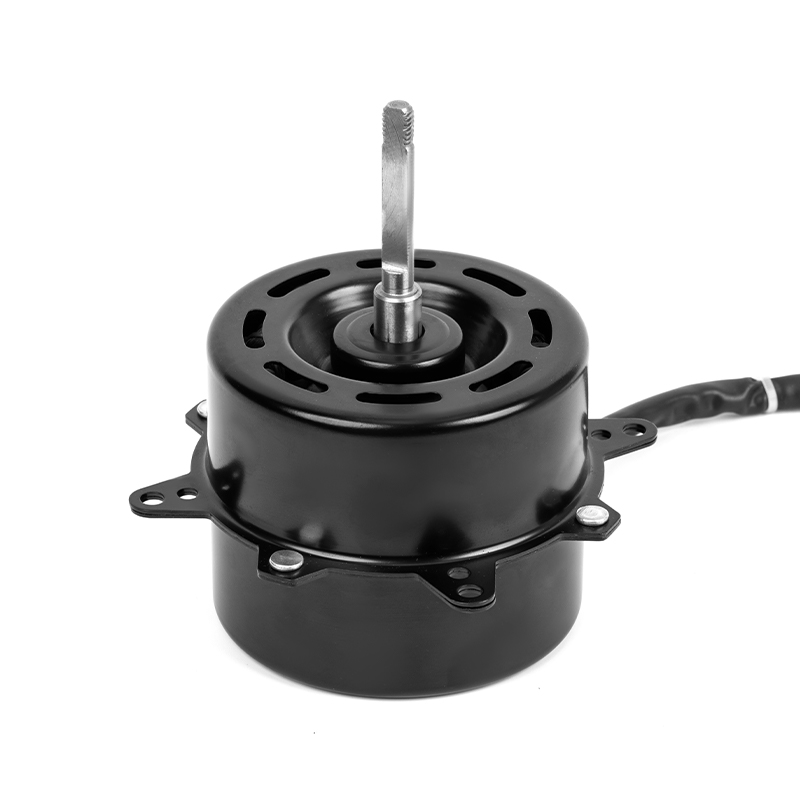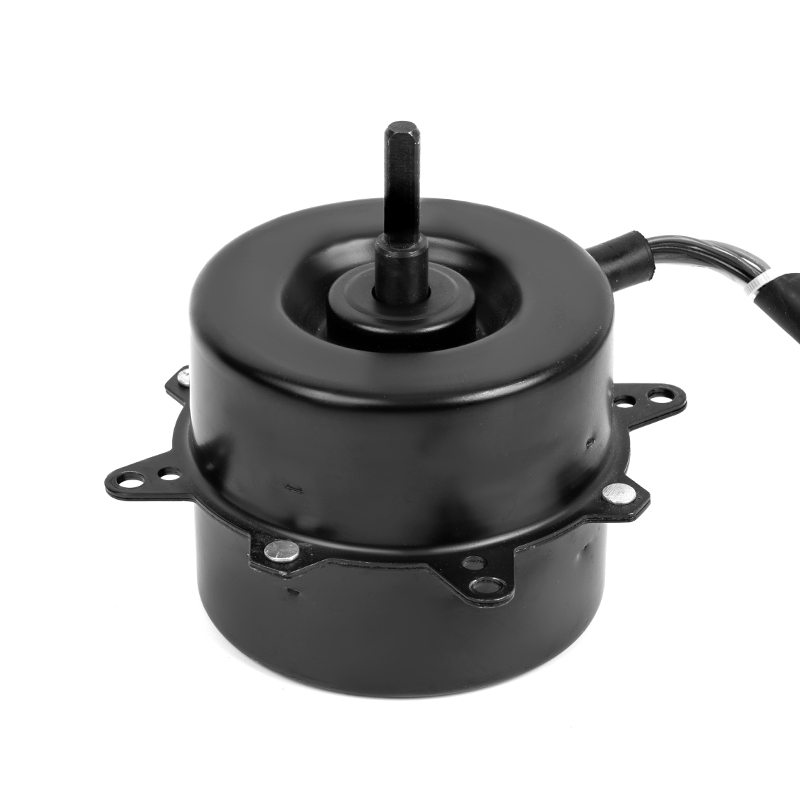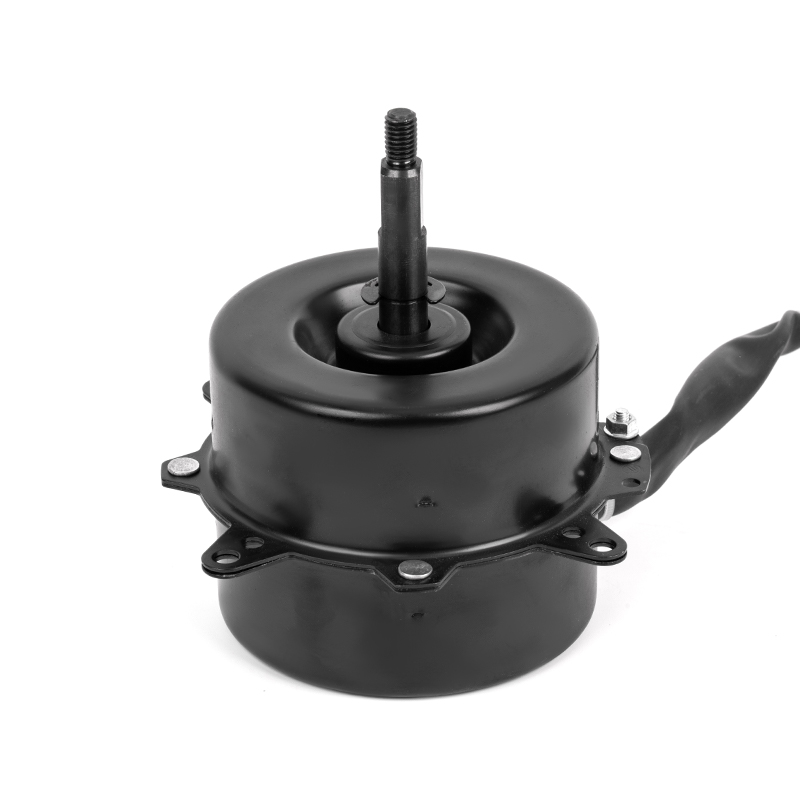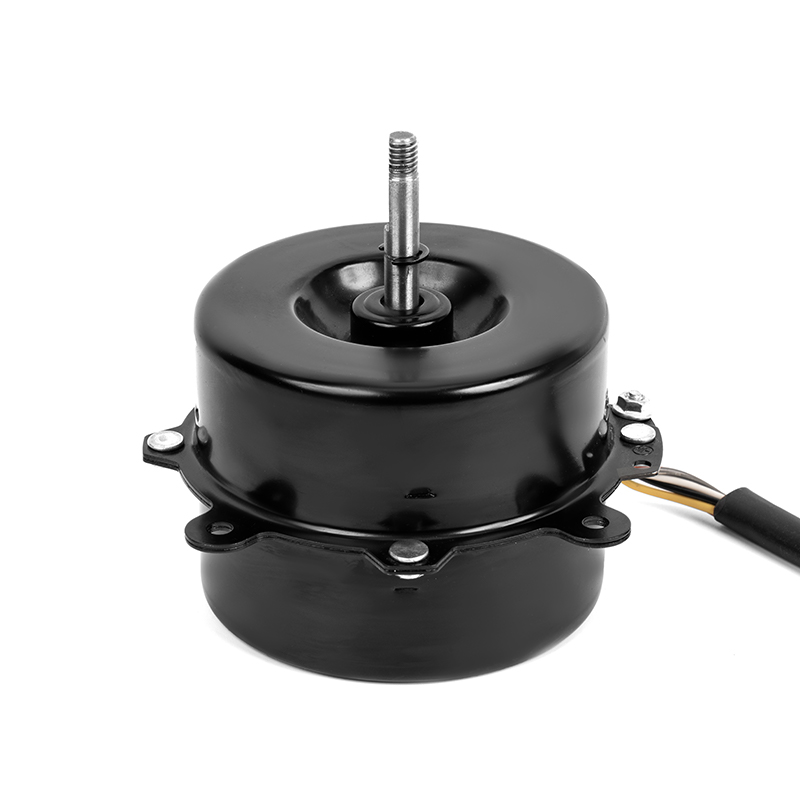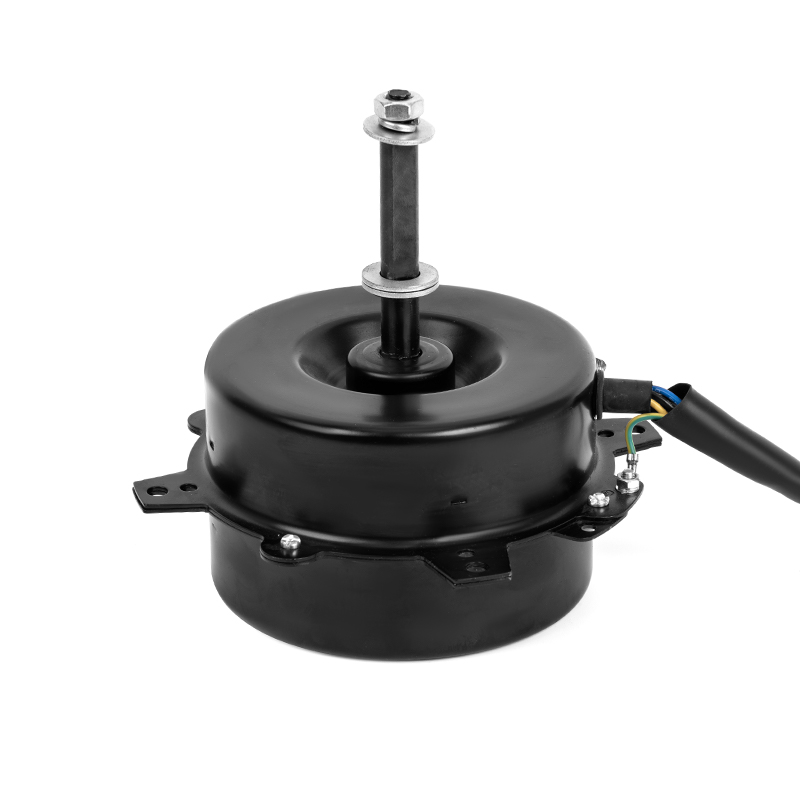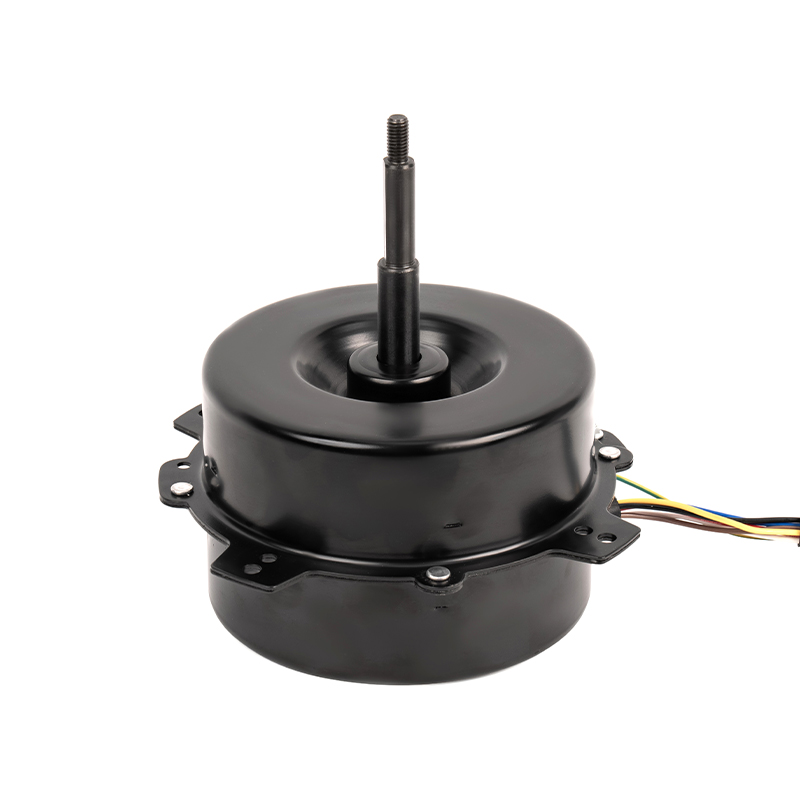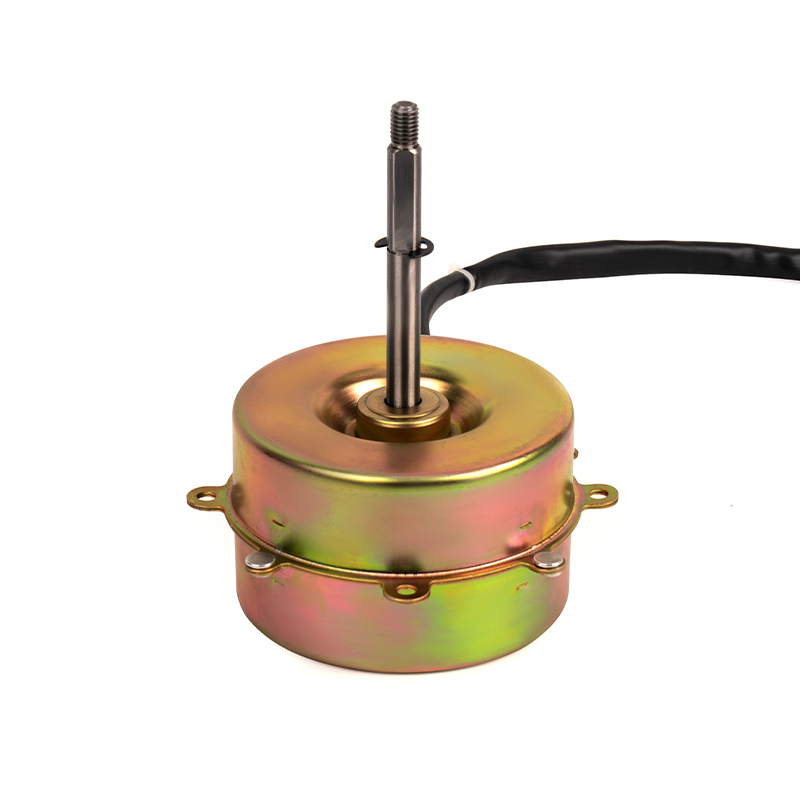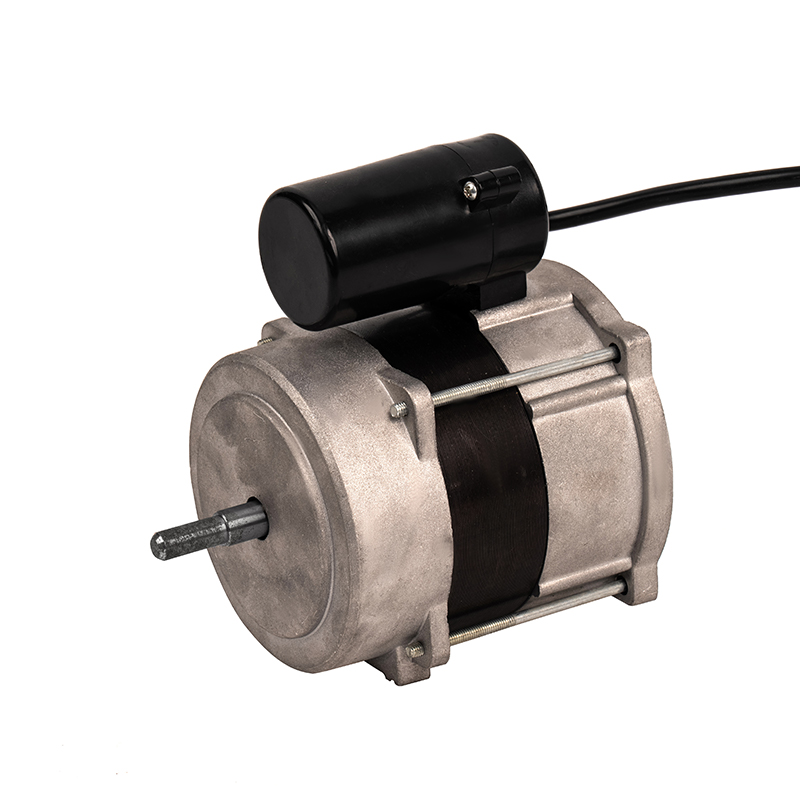


 English
 عربى
عربىThe Quiet Upgrade: Brushless DC Motors in Modern Appliance Design
Why design teams and purchasing managers are moving past conventional AC motors — and what to verify before you make the switch.
Every appliance project reaches the same decision point. The air path has been drawn, the control board selected, and the production line is waiting — and the motor, often the last component to be finalized, turns out to be the one that defines efficiency, noise and service life. For a growing number of design teams, the brushless DC motor is the reference answer. It is worth understanding precisely what it changes.
What a Brushless DC Motor Actually Is
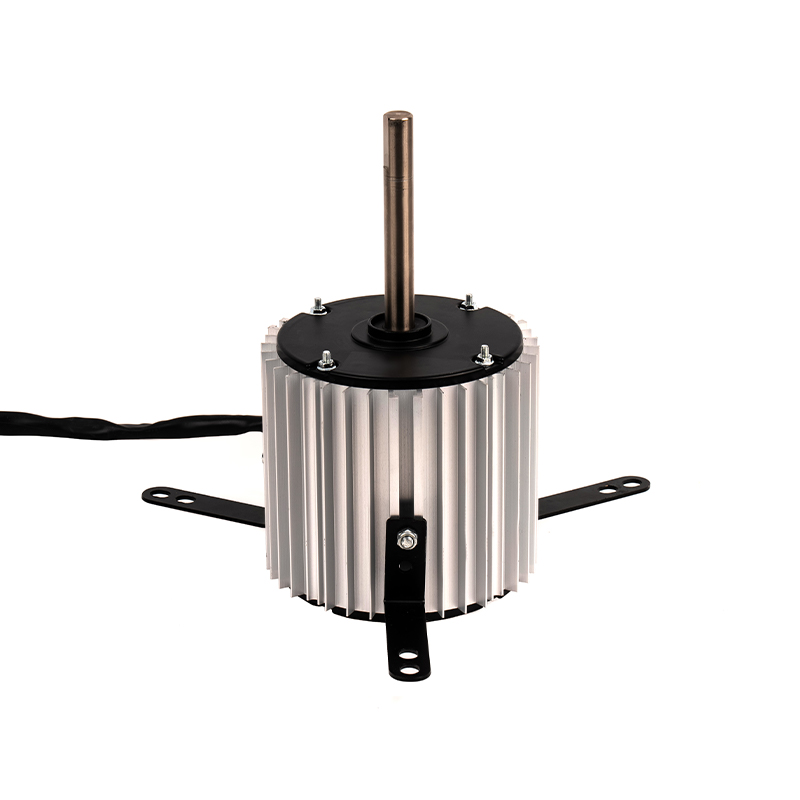
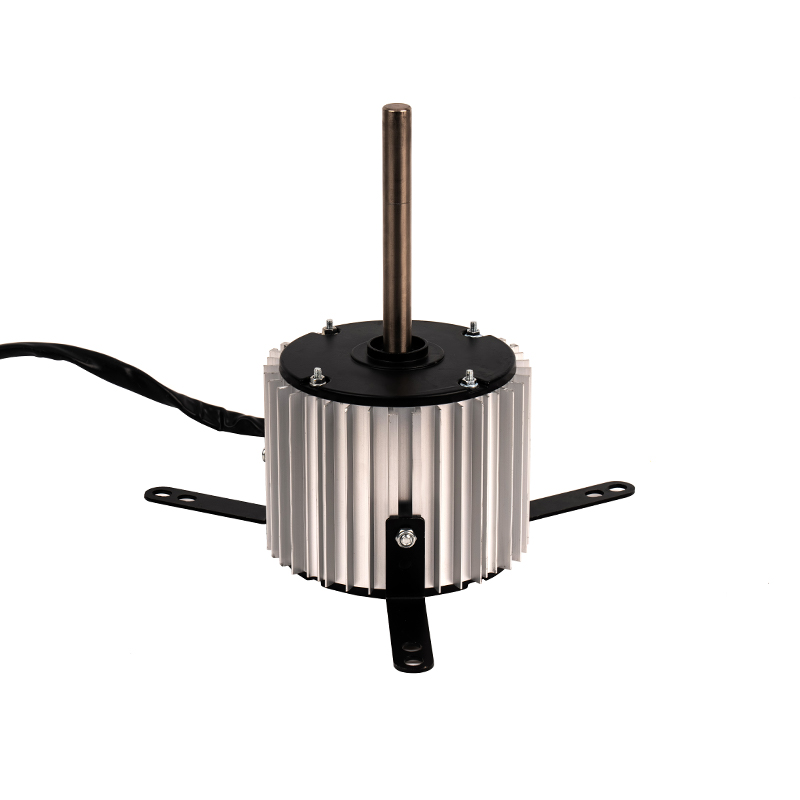
A brushless DC motor replaces the mechanical commutator and carbon brushes of a conventional DC motor with an electronic controller. The rotor carries permanent magnets while the stator carries the windings. The controller energizes those windings in sequence, reading rotor position from Hall sensors or estimating it from back-electromotive force. The result is a machine that behaves like a DC motor from the outside but has no rubbing contacts inside.
Strip away the electronics, and a brushless DC motor is a permanent-magnet synchronous machine. What makes it "DC" for the user is the driver that converts a DC supply into the rotating field inside the motor.
That distinction matters when comparing with the two families most appliance engineers know well. A brushed DC motor is simple to drive but suffers brush wear and commutation sparking. A single-phase induction motor is robust and cheap, but its rotor always runs behind the rotating field, wasting the difference as heat whenever the load drops. The brushless design combines the controllability of a DC motor with the reliability of an induction motor, at the cost of requiring a driver.
Terms you will meet
"Three-phase" refers to the winding arrangement inside the motor. "Sensored" means Hall elements report rotor position; "sensorless" means the driver estimates it from voltage and current. All three describe the control strategy, not the electricity you supply to the product.
For an appliance producer, the technical distinction is secondary to the behavioral one. The brushless motor holds efficiency across a wide speed range, whereas an induction motor is efficient only near its design point. That single characteristic explains most of the shift toward brushless designs in household and commercial appliances.
| Attribute | Brushed DC Motor | Brushless DC Motor | Single-Phase Induction Motor |
|---|---|---|---|
| Commutation | Mechanical brushes | Electronic driver | Line-frequency field |
| Rotor | Wound, with commutator | Permanent magnet | Squirrel cage |
| Speed control | Voltage-based, imprecise | Precise, wide range | Limited taps or inverter |
| Wearing parts | Brushes and commutator | Bearings, driver electronics | Bearings |
| Efficiency at light load | Falls quickly | Stays high | Falls quickly |
| Typical acoustic behavior | Brush rubbing noise | Low, possible driver whine | Mains hum under load |
What the Motor Choice Actually Changes
Choose a brushless motor and the product changes in four ways that users notice and the warranty ledger reflects.
- Efficiency at real operating points. Energy labels and electricity bills are decided at partial load, where the brushless motor keeps its advantage. A range hood on medium speed or an air cooler on low speed accumulates far more running hours than either ever reaches at maximum.
- Noise and vibration. Without brushes there is no brush friction, and electronic commutation reduces the torque ripple that makes induction motors hum. The driver can still introduce a high-frequency whine if the switching frequency is poorly matched to the structure — worth checking in a listening test, not only on paper.
- Speed control and consistency. Speed can be set continuously and held against changing airflow resistance. Filter loading, duct length and voltage drift no longer translate into a visible loss of airflow.
- Life and maintenance. With the commutator gone, bearing quality and driver protection define the useful life. The conversation shifts from "when to replace brushes" to "how to protect electronics".
Warning
Do not compare motors on rated efficiency alone. Ask for the efficiency at 10, 25 and 50 percent load, because your appliance will spend most of its working life there. A motor that is efficient at rated output but inefficient at light load creates higher energy bills and weaker certification results than the price difference between motor types justifies.
Danger
In appliances that live near cooking surfaces or draw outdoor air, the environment is the real enemy. Oil vapor settles on the driver board, humidity reaches the bearings, and voltage fluctuations stress the electronics. An otherwise excellent motor will fail quickly in these conditions if they were never discussed at the specification stage.
Specification Parameters That Deserve Your Attention
A datasheet can look complete and still hide the information that matters. The parameters below are the ones that most often cause problems after a product reaches the market.
| Parameter | What to Verify | Why It Matters |
|---|---|---|
| Voltage range | Tolerance for supply fluctuations | Determines which markets the product can safely enter |
| Speed range | Minimum and maximum speed under load | Sets the difference between a quiet night mode and a powerful boost mode |
| Torque at operating speeds | Motor load curve at each speed point | A motor can be powerful yet weak exactly where the fan needs it |
| Partial-load efficiency | Efficiency at 10, 25, 50 percent load | Drives energy certification and long-term operating cost |
| Insulation class | Class B, F or H | Higher thermal margin extends life inside enclosed housings |
| Bearing specification | Type, rated life, lubrication | The main wear component in a brushless motor |
| Noise level | dB(A) at each operating speed | Perceived quality in a kitchen or living room |
| Driver protection | Overcurrent, overvoltage, stall protection | Reduces field failures and warranty claims |
Two of these rows deserve extra comment. Partial-load efficiency determines the energy the product consumes over a decade of use, which typically exceeds the purchase price many times over. Driver protection determines whether a voltage dip in a customer's home becomes a service call or a brief moment that goes unnoticed. Both are easy to overlook and expensive to discover afterwards.
Where DC Motors Earn Their Place in Real Products
The decision is never "DC always wins". It is shaped by the application, and two appliance categories show the pattern clearly.
Air Coolers and Evaporative Coolers
An air cooler runs for hours at a time, often overnight and close to sleep. Noise is judged from a bedside, and the airflow must stay gentle yet steady as the filter gradually loads. A brushless DC motor gives the designer a continuous speed range and stable airflow with modest power draw. The tradeoffs are the cost of the driver and the need to manage the heat it generates inside a sealed housing.
Range Hoods and Kitchen Ventilation
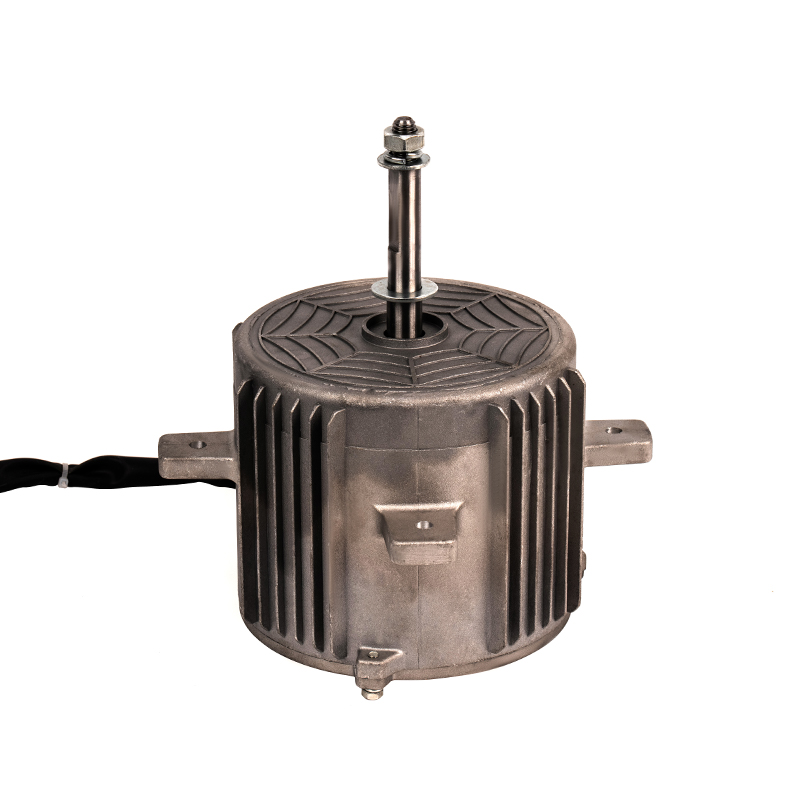
A range hood is almost the mirror image. It needs strong static pressure to push air through the duct at high speed, yet most of its life it runs quietly at medium or low speed while food simmers. Energy-efficiency requirements have turned partial-load performance into a compliance issue rather than a comfort feature. A range hood DC motor can improve energy efficiency compared with traditional AC motors, chiefly because it holds its advantage when the speed is reduced.
That said, simple fixed-speed products remain legitimate territory for AC motors. When the appliance has one speed and modest efficiency requirements, an induction motor still wins on cost. The engineering skill, and the commercial difference, lies in knowing which family a product belongs to rather than following a trend.
Choosing a Motor Partner Who Understands the Operating Point
Most motor failures are specification failures. The motor was not wrong; the operating conditions were never fully described. A manufacturer with its own test laboratory — Miduo Electric among them — can usually answer these questions from measured data rather than catalog values, and that is the kind of conversation that prevents expensive surprises.
- Define the voltage range your product must tolerate, including dips and surges.
- Describe the load: fan type, speed profile, and torque at each operating point.
- Prepare the mechanical envelope: shaft size, mounting, connector type, direction of rotation.
- State the acoustic target in decibels, measured at the distance your customers will experience.
- List the certifications your target markets require and the documents you expect with samples.
Success
Five facts written down before the enquiry will save three rounds of sampling: operating voltage range, load curve, mechanical envelope, noise target and certifications. Suppliers that ask for these in return are showing the engineering care your product needs. A short list like this is the difference between buying a component and building a specification.
Long-term reliability is built the same way. Check that the supplier keeps batch test records, can match production capacity to your order pattern, and is willing to adjust components such as bearings or shafts for your duty cycle. In small-power motors, the difference between an average product and a durable one is rarely the copper wire. It is the attention to operating conditions.
Brushless DC motors are not the universal answer, but they have become the rational answer for a growing share of household and commercial appliances. Their value grows from three directions: high efficiency at partial load, quieter and more controllable operation, and a longer useful life when the driver and bearings are correctly specified.
The motor you choose defines what customers remember: the hum at midnight, the electricity bill at the end of the season, and the day the unit goes quiet for good.
The practical conclusion is simple. Evaluate the motor at the operating points your product and your market demand. Choose a supplier who questions those operating points, and let measured test data — not the price list — make the final decision.
 ++86 13524608688