

 English
 عربى
عربىBrushed vs Brushless Motors: The Choice That Sets Your Product's Lifetime
A practical comparison for appliance designers and OEM buyers deciding between brushed DC, brushless DC, and capacitor-run AC induction motors.
When a cooling fan motor fails after roughly 2,000 hours, the teardown usually tells the story: worn carbon brushes, a commutator coated with black powder, and a slight smell of ozone. The motor did not break; it reached the natural end of a brushed design. That is the real difference between brushed and brushless motors: one is limited by physical contact, the other is not. If your product is expected to run for years without being opened, brushless is the safer decision. If the appliance is cheap, runs briefly, and will be discarded rather than repaired, a brushed motor still has a place.
What Actually Differs Inside Brushed and Brushless Motors
Brushed motors drive current through carbon brushes pressing against a segmented commutator on the shaft. Each time the rotor turns, the brushes switch the current to the next coil, producing torque. The sliding contact creates friction, electrical sparking, carbon dust, and audible noise.
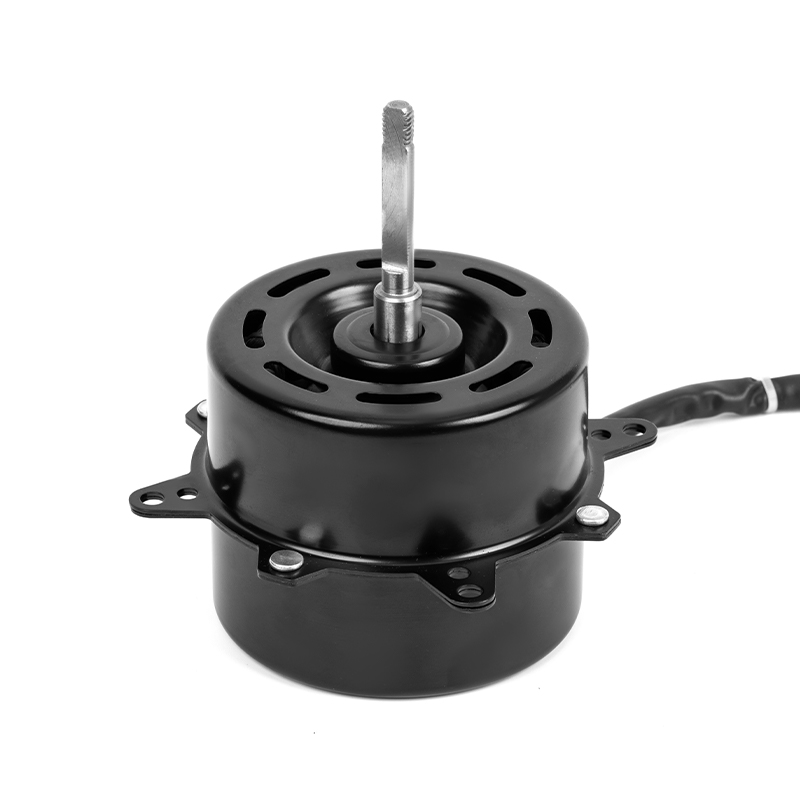
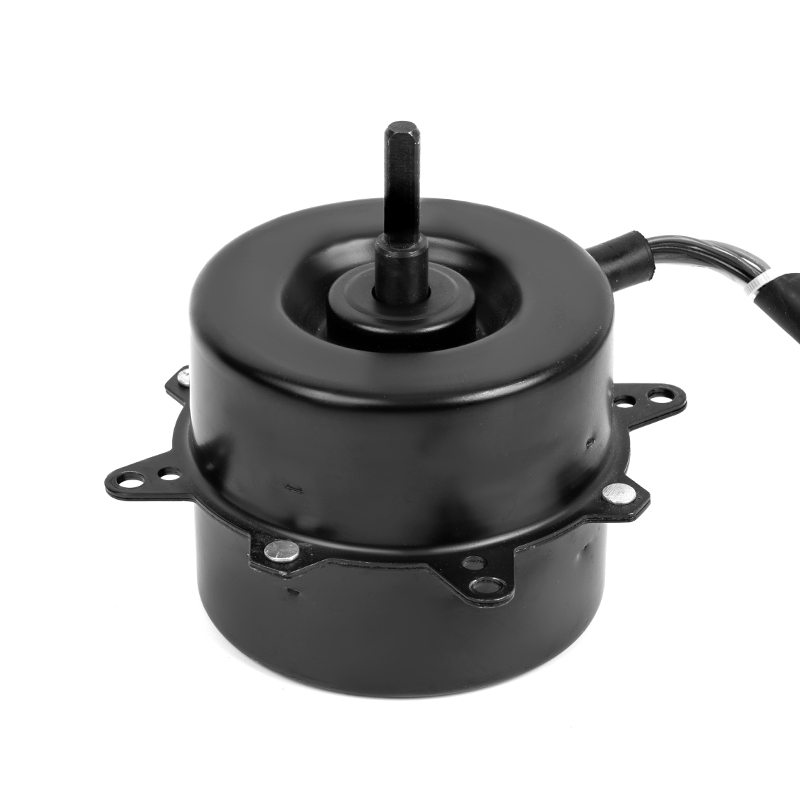
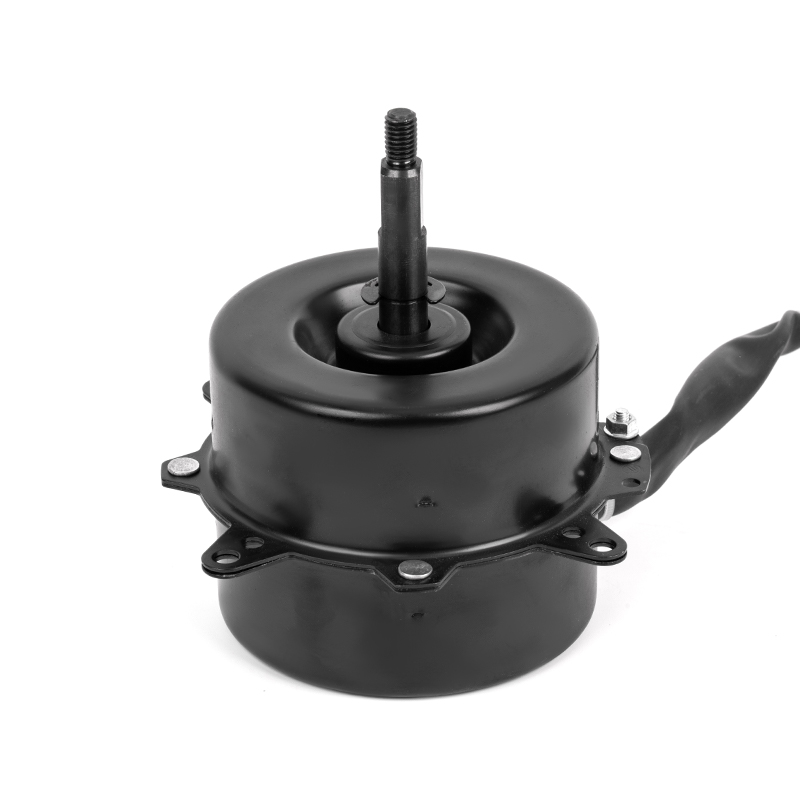
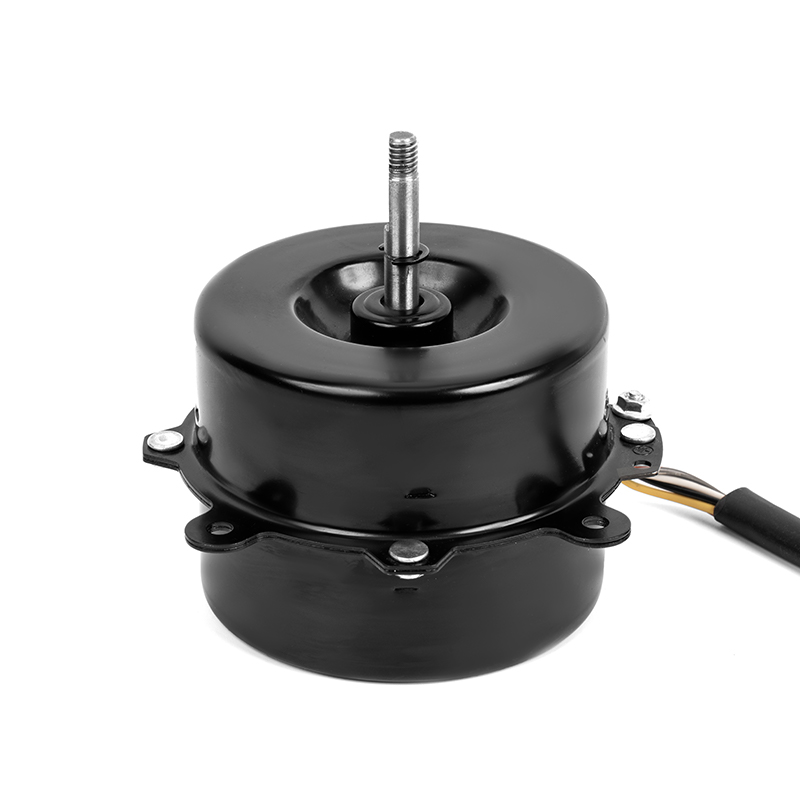
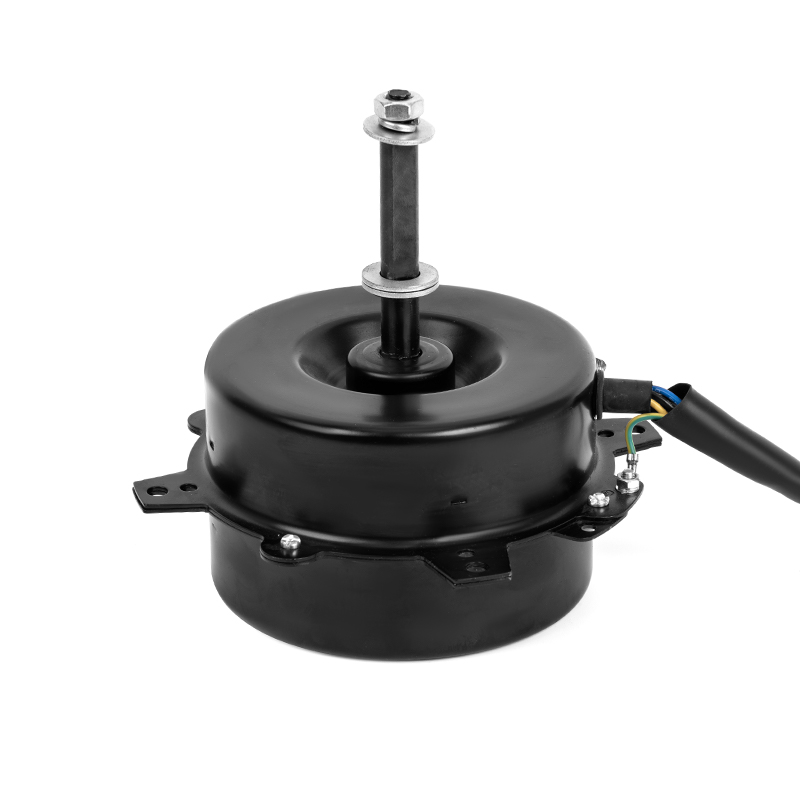
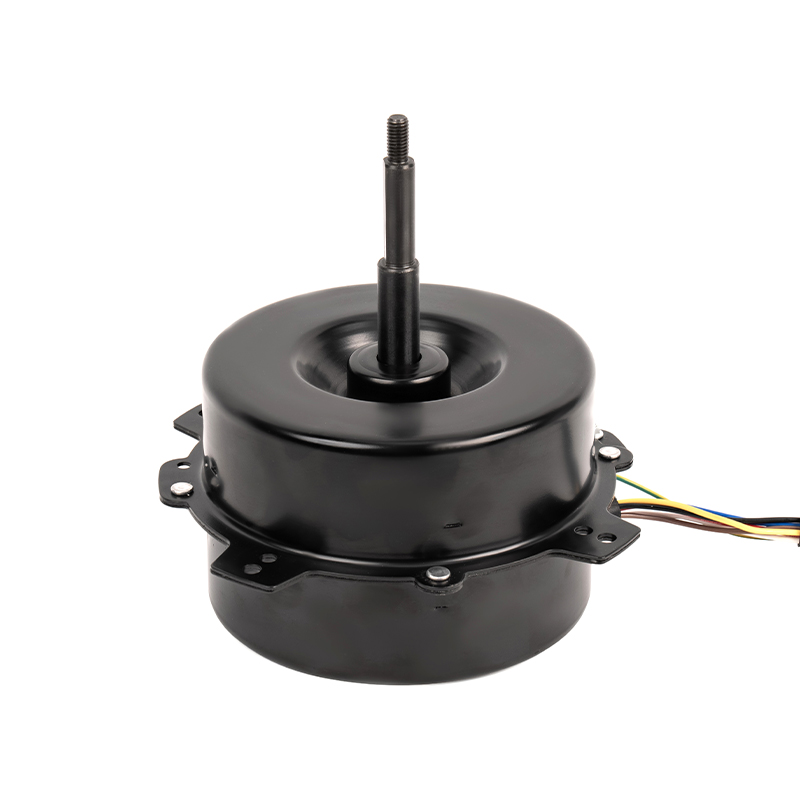
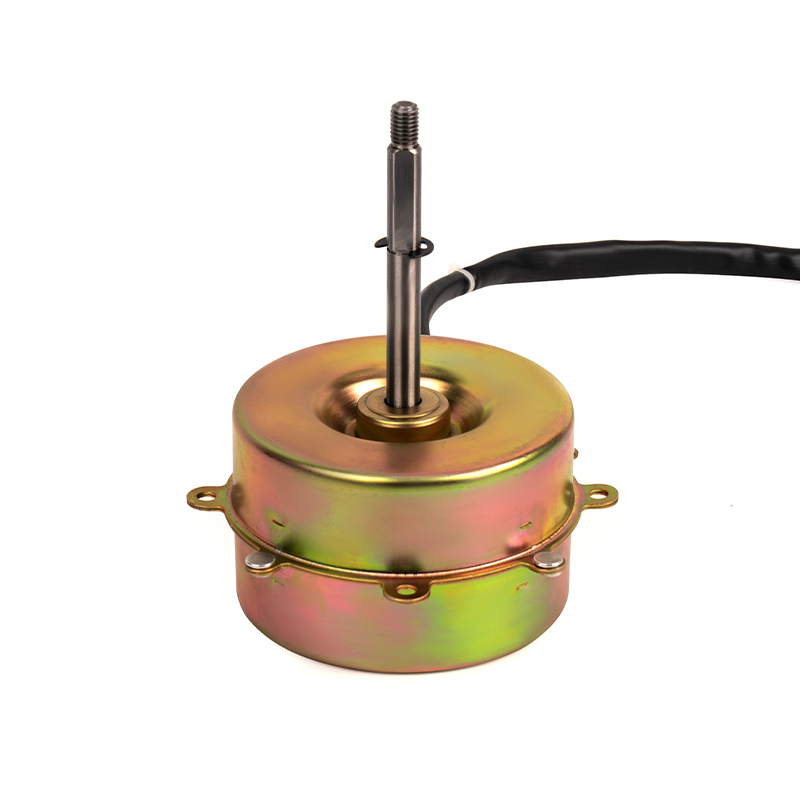
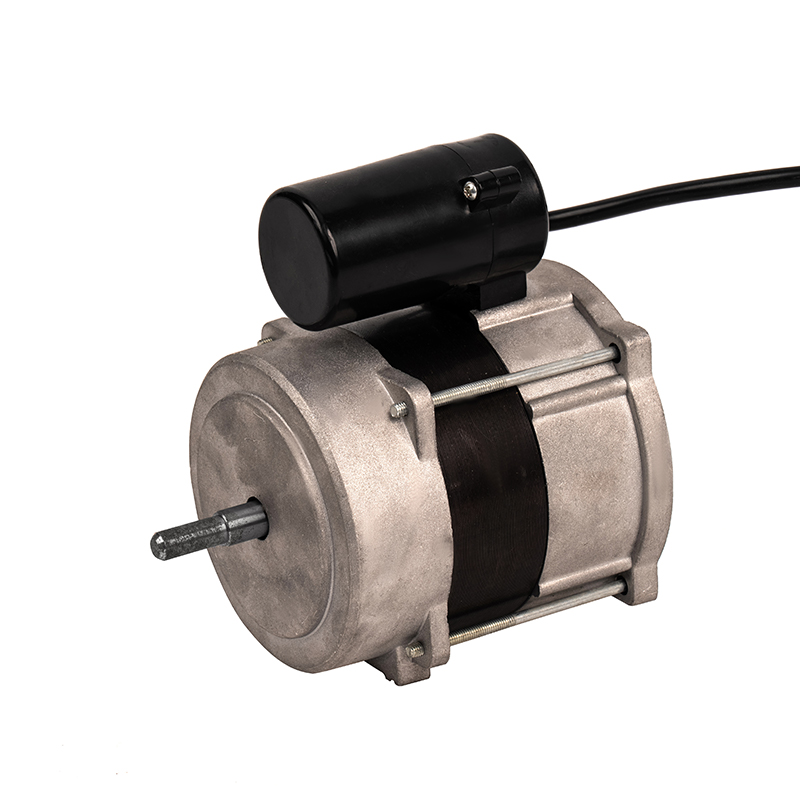
Brushless motors replace this mechanical switch with an electronic controller. The rotor carries permanent magnets, and the stator windings are energized in sequence. There is no contact to wear out and no spark to generate electromagnetic noise. Many household appliances also use single-phase capacitor-run AC induction motors, which are neither brushed nor brushless DC but share the same advantage: no brushes.
That is why you rarely see carbon brushes in modern cooling fans, heaters, or range hoods. For engineers who are not working with motors daily, a short refresher on the terminology in a typical datasheet can help; our basic motor knowledge guide covers the terms used in this article.
| Attribute | Brushed DC | Brushless DC | AC Induction |
|---|---|---|---|
| Commutation | Mechanical contact | Electronic controller | None |
| Efficiency | 75-80% | 85-90% | 70-85% |
| Typical life | 1,000-3,000 hours | 10,000-50,000 hours | 10,000-30,000 hours |
| Maintenance | Brush replacement | Minimal | Minimal |
| Noise | Higher | Lower | Low |
| Speed control | Simple but lossy | Excellent with controller | Limited |
Efficiency, Heat, and Lifespan Are One Story
Brushed motors lose energy in three places: copper losses, iron losses, and the friction of the brush-commutator contact. Brushless motors eliminate the third and, because they run cooler, also keep copper losses lower. The visible result is a motor that produces the same shaft power while drawing less current and staying cooler.
Temperature is not just a comfort issue; it is the strongest predictor of motor life. Winding insulation ages faster at high temperature. As a rule of thumb, an increase of 10°C in continuous winding temperature can cut insulation life by about half.
Choose a motor by its failure mode, not only by its starting torque. If the product is sealed for life, a brushed motor predetermines the date on which it must be opened.
A typical brushed motor may last 1,000 to 3,000 hours under continuous duty; a brushless or induction design can run for tens of thousands of hours. At 24/7 operation, 3,000 hours is only about four months.
Price, Control, and the Cost That Actually Reaches the Customer
The familiar objection to brushless is the upfront price. A brushed motor costs less than a brushless motor, and the brushless design also requires a controller, adding further cost to the bill of materials. In high-volume manufacturing, even 0.5 USD per unit matters, so the choice is often made in the purchasing office rather than the engineering lab.
The real cost of a motor is not the purchase price; it is the cost spread over warranty, returns, field service, and customer trust. A brushed motor that fails inside the warranty period leads to replacement units, repair personnel, and brand damage. If a production line turns out tens of thousands of units per day, a small rise in the motor failure rate amplifies into a queue of returned products.
| Cost driver | Brushed | Brushless |
|---|---|---|
| Motor unit price | Lower | Higher |
| Drive electronics | Not required | Required |
| Warranty exposure | Higher | Lower |
| Field maintenance | Brush replacement | None |
| Energy cost over life | Higher | Lower |
| End-product positioning | Entry-level | Mid to high |
How to Choose for Real Applications: Fans, Heaters, Range Hoods
The comparison becomes useful when you apply it to an actual appliance. The following scenarios match motor families to the environments they must survive.
Cooling fans and air coolers
Cooling fans run for long periods, especially in hot months. Noise and vibration matter because the motor is in the same room as the user. A brushless DC motor is the most energy-efficient choice when speed control is required, while a single-phase capacitor-run AC induction motor is the simplest and most proven option for fixed-speed operation.
Heaters and blowers
Heater motors work next to a heat source, which means brush friction heat adds to an already hostile thermal environment. A capacitor-run motor with no brushes keeps the internal temperature lower and avoids brush spark noise. For a simple one-way heater airflow, a basic AC induction motor is often the most reliable and cost-effective answer.
Range hoods and variable-speed air movers
For kitchen range hoods and air coolers that need multiple speed levels or quiet low-speed operation, brushless DC offers better controllability. The electronic controller adjusts the commutation sequence, maintaining efficiency at partial load. Brushed motors, by contrast, wear faster at reduced voltage and lose efficiency as speed drops.
A Short Datasheet Checklist for Brushed and Brushless Decisions
When suppliers send motor samples, the following points will tell you which design philosophy you are actually buying:
- Rated life in hours: measured at rated load and rated voltage; three thousand hours is short, thirty thousand is long.
- Insulation class: Class B (130°C) or Class F (155°C) changes how much continuous heat the motor tolerates.
- Efficiency at the real operating point: brushless motors keep efficiency at partial load; brushed motors do not.
- Speed control compatibility: if the appliance needs PWM or multi-speed operation, the motor must accept the control method without overheating.
- Environmental issues: brushed designs generate carbon dust and commutation noise; verify whether the housing isolates them from the electronics.
- Certifications and compliance: CCC/CQC, CE, UL, and RoHS mark access to different markets; confirm before you lock the design.
Brushed motors are not an obsolete technology. They remain a legitimate choice for low-cost, low-lifetime applications such as toys, actuators, and tools used briefly. For appliances that people expect to work for years, brushless and AC induction designs remove the biggest failure point, the sliding brushes, from the system. The slightly higher price is an insurance premium against the most expensive failure a manufacturer can face: a product that dies in the customer's hands.
Before you fix the next bill of materials, compare real motor options with your own duty cycle and operating temperature. The more complete your internal knowledge, the less likely your product line ends up tied to a motor technology that was priced right and wrong for the application. Explore the full range of AC and DC motor configurations to see which families match the products you plan to ship.
 ++86 13524608688