

 English
 عربى
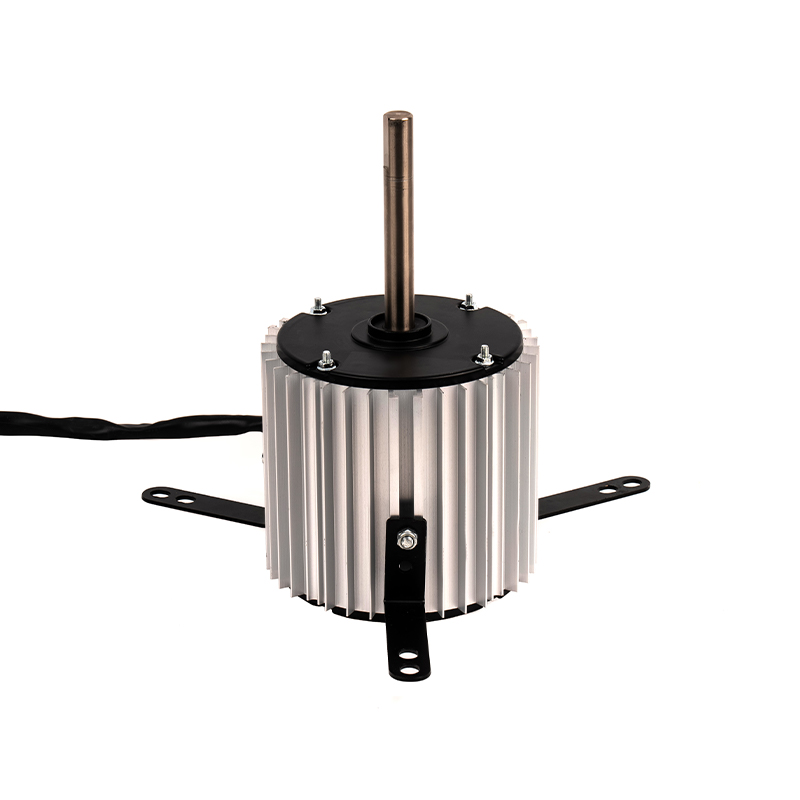
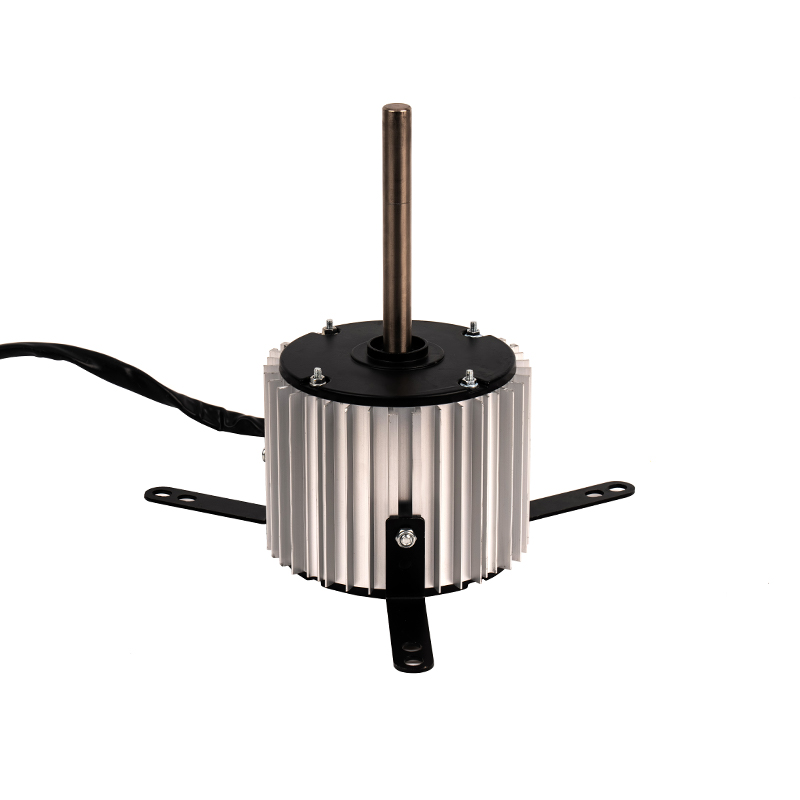
عربىOne of the first decisions an appliance engineer faces when specifying a fan motor is whether to use AC or DC. AC motors connect directly to the mains and have been doing the job for decades. DC motors promise better efficiency and smoother speed control, but they bring extra electronics. I have worked on both types for cooling fans, heaters, and range hoods, and the right answer is rarely a slogan. It comes down to the product's power supply, price target, noise limit, and the way the user will operate the fan.
The Core Difference Between AC and DC Fan Motors
An AC fan motor is usually an induction motor powered by alternating current. In a single-phase capacitor-run induction motor, the rotating magnetic field is produced by the main and auxiliary windings, and the rotor follows that field at a speed slightly below synchronous speed. The actual speed depends mainly on the line frequency (50 Hz or 60 Hz) and the number of poles, which is why AC fans are typically offered in stepped speeds rather than infinite adjustment.
A DC fan motor, on the other hand, uses direct current. Most modern fans use a brushless DC (BLDC) motor with permanent magnets on the rotor and electronic commutation in the driver. The motor controller converts the incoming AC to DC and then switches current through the stator coils to keep the rotor turning. Because the electronics control the timing, the speed can be varied continuously and the motor can be made more compact for the same output.
AC vs DC Fan Motor Comparison
The table below summarizes the differences that matter most for small fan motors in residential and commercial appliances.
| Parameter | AC fan motor | DC fan motor |
|---|---|---|
| Power supply | AC mains (110-120 V or 220-240 V, 50/60 Hz) | DC or internally converted AC via electronic drive |
| Efficiency | Lower, especially at partial speed | Up to 70% lower energy consumption in some designs |
| Speed control | Stepped, based on taps, voltage, or pole count | Continuously variable with PWM or similar control |
| Noise | Generally higher due to magnetic hum and fixed speed | Quieter, particularly at low speed |
| Size and weight | Larger for the same output | More compact thanks to permanent magnets |
| Initial cost | Lower, no separate driver | Higher because of the motor controller |
| EMI | Less electronic noise | Needs filtering to manage electromagnetic interference |
| Typical applications | Cold air fans, heaters, range hoods | Air coolers, range hoods, energy-efficient fans |
The efficiency gap is the most frequently quoted number. A well-designed BLDC fan motor can consume up to 70 percent less energy than an equivalent AC motor at similar airflow, especially when running at reduced speed. However, the real margin depends on the motor size, duty cycle, and the quality of the mechanical design.
Advantages and Limitations of AC Fan Motors
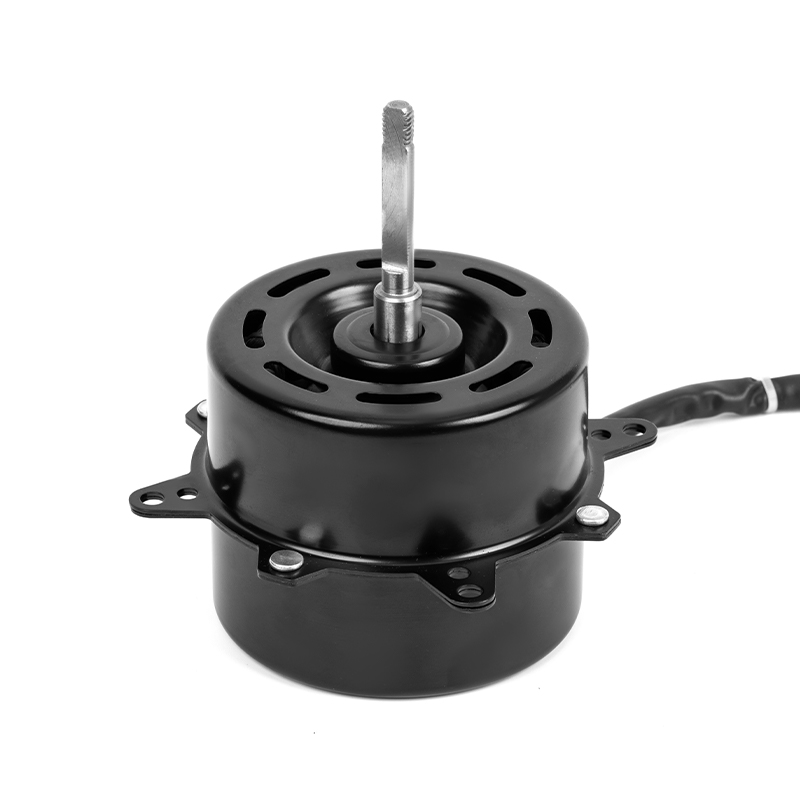
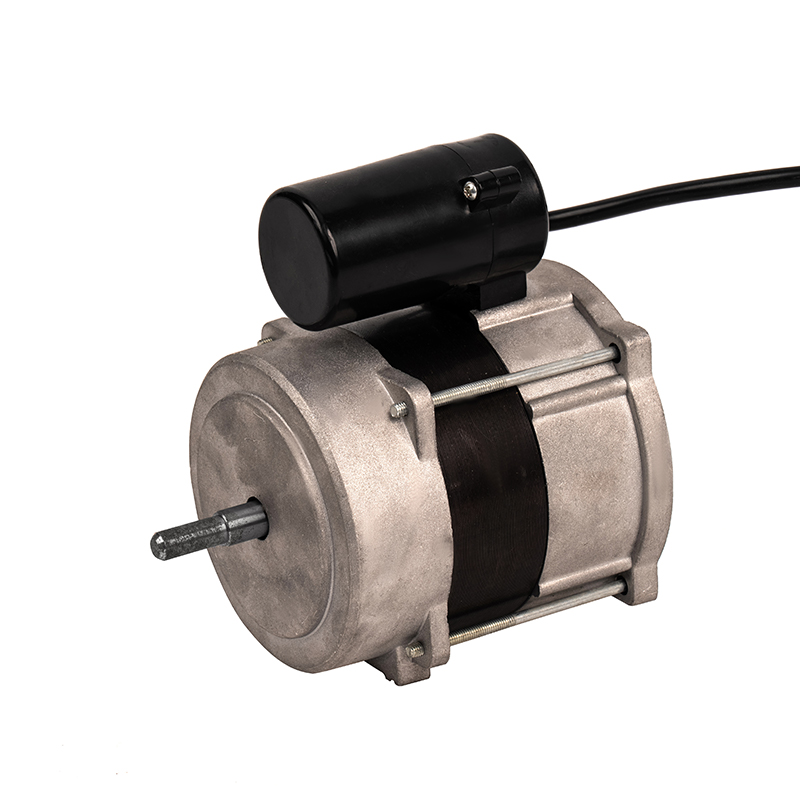
AC fan motors remain widely used because they are simple, robust, and economical. They operate directly from the mains supply, so there is no need for a separate power converter or a complex control board. That reduces the bill of materials and makes troubleshooting easier in the field. In applications such as desktop cooling fans, a desktop single-phase cooling fan AC motor can be supplied as a complete compact unit with a capacitor already matched to the winding.
 Wholesale YSY-150-4BS desktop single-phase cooling fan AC motor, 1.3A Suppliers,Shengzhou Miduo Eletric Appliance Co., Ltd. is China wholesale YSY-150-4BS desktop single-phase cooling fan AC motor, 1.3A factory and YS...View Product →
For the same output, however, an AC induction motor draws more power than a BLDC design, especially at partial speed. Speed control options are limited: you can switch between taps, change the voltage with a triac, or change the pole count, but the flow is still stepped. AC motors also tend to run slightly louder because of the fixed-frequency magnetic hum and the cooling fan attached to the rotor.
Advantages and Limitations of DC Fan Motors
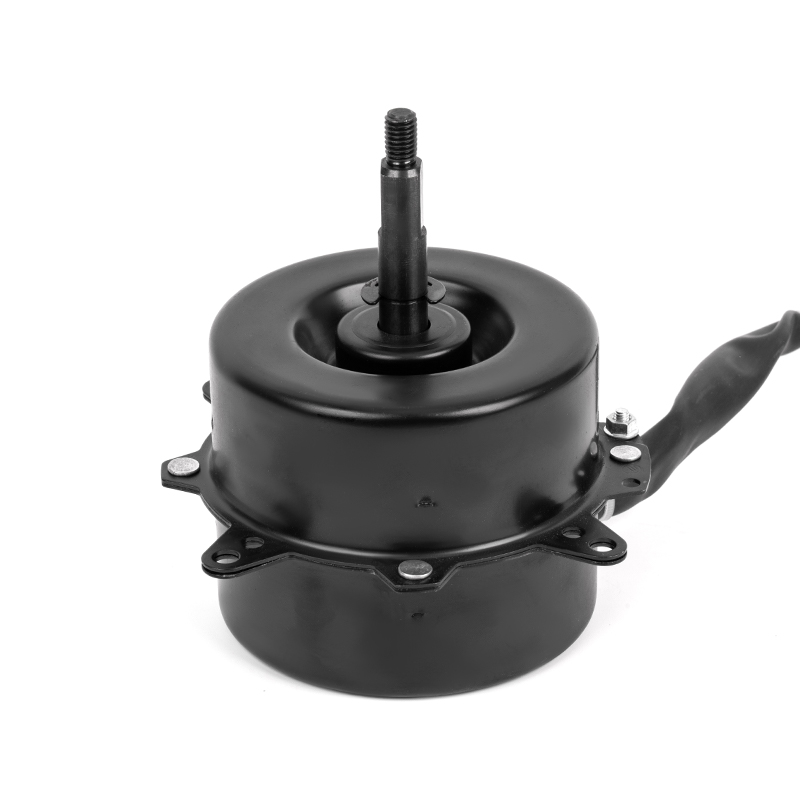
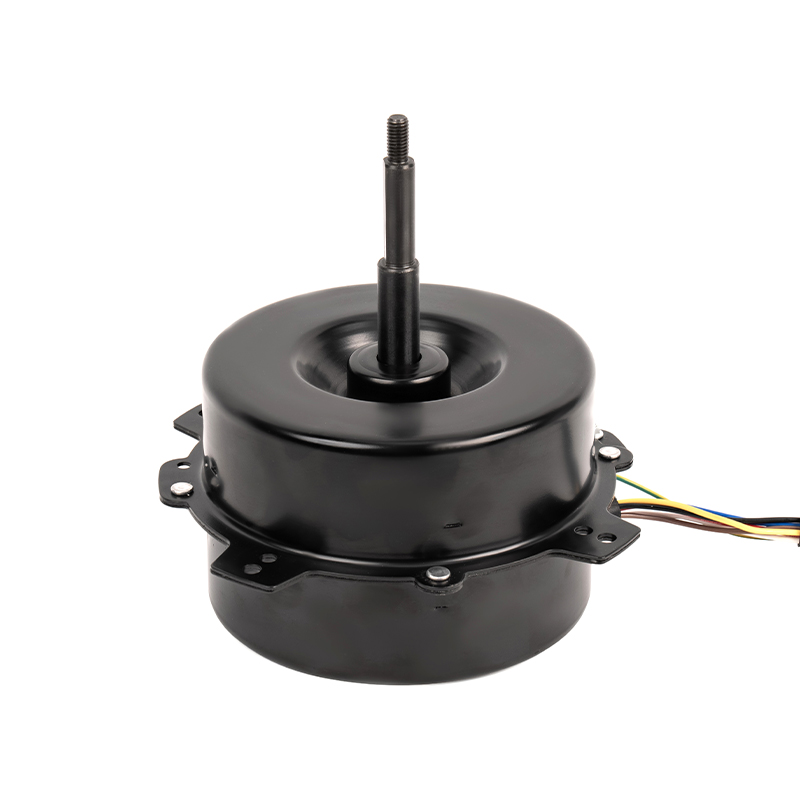
The main advantages of DC fan motors come from the electronic drive. Because the controller can adjust the current waveform, a DC motor can maintain high efficiency across a wide speed range. It can also be started softly, decelerated smoothly, and integrated with remote or smart-home controls. For battery-powered or low-voltage products, a 12 V or 24 V DC motor eliminates the need to route mains voltage near the user. In evaporative air coolers, for example, an air cooler DC motor offers variable airflow that tracks the cooling demand instead of simply running at full speed.
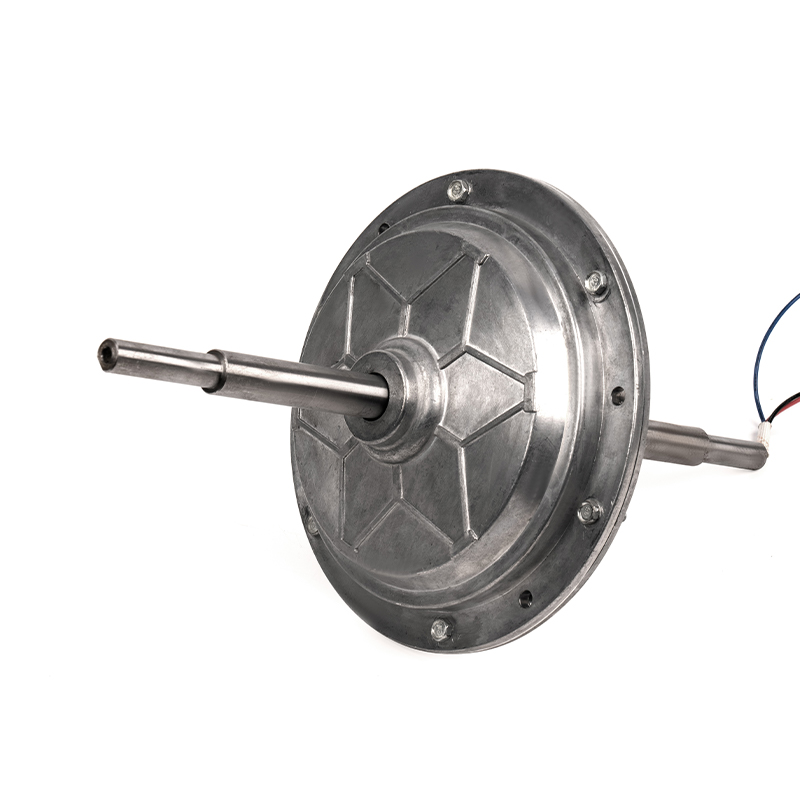 Wholesale Air cooler dc motor Suppliers, Factory - Shengzhou Miduo Eletric AppliShengzhou Miduo Eletric Appliance Co., Ltd. is China wholesale Air cooler dc motor factory and Air cooler dc motor suppliers,The DC air c...View Product →
DC designs have trade-offs. They need an AC-to-DC converter and a motor controller, which adds cost and creates potential failure points. They are also more sensitive to voltage fluctuations and can generate electromagnetic interference unless the driver includes proper filtering. In a low-cost market, these extra components can push the product out of the target price.
How to Choose Between AC and DC for Your Fan Product
Start with the power source and the expected sales region. If the product is a simple AC-powered air mover with one or three speeds, AC is often the lowest-risk and lowest-cost solution. If the product must earn an energy-efficiency label, run quietly at night, or offer continuous speed adjustment, DC is usually worth the added cost.
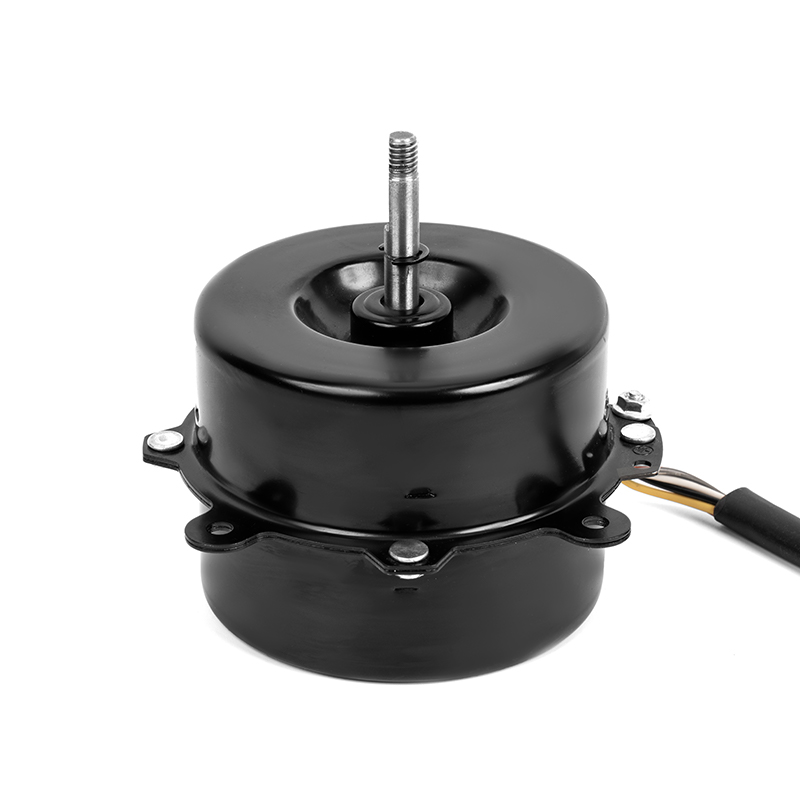
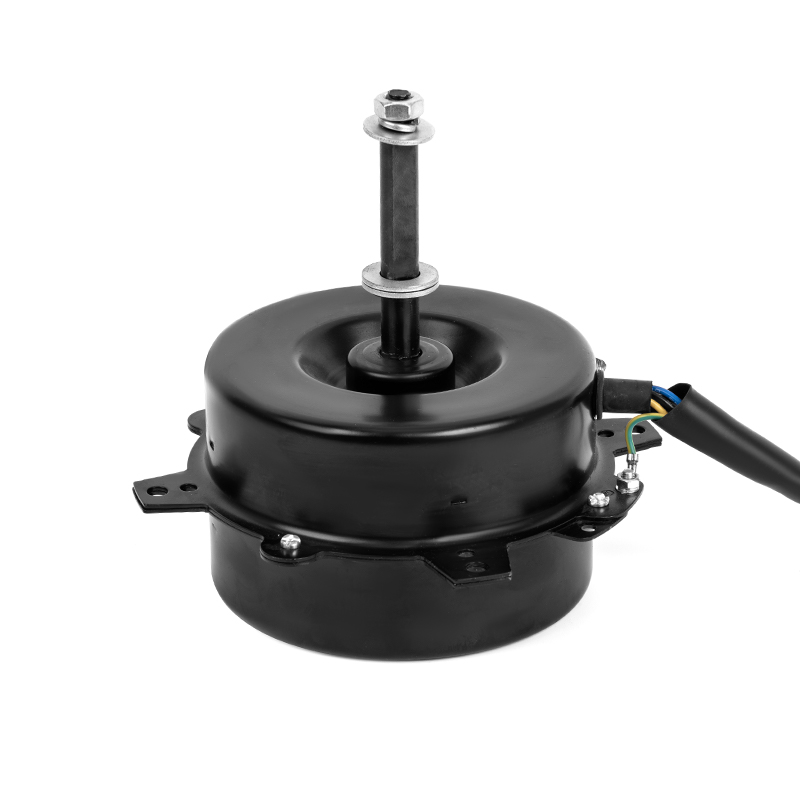
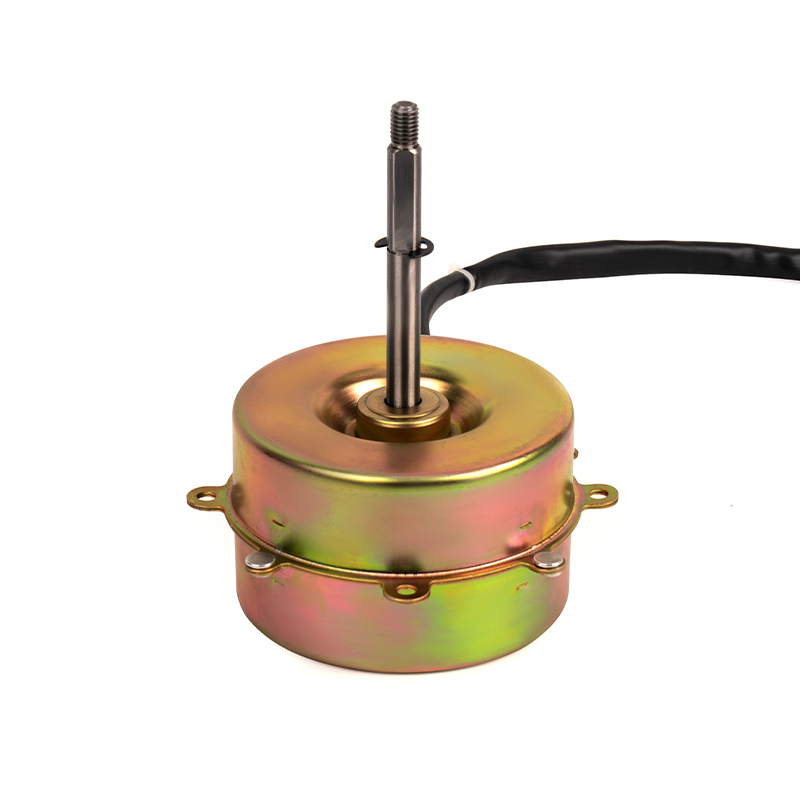
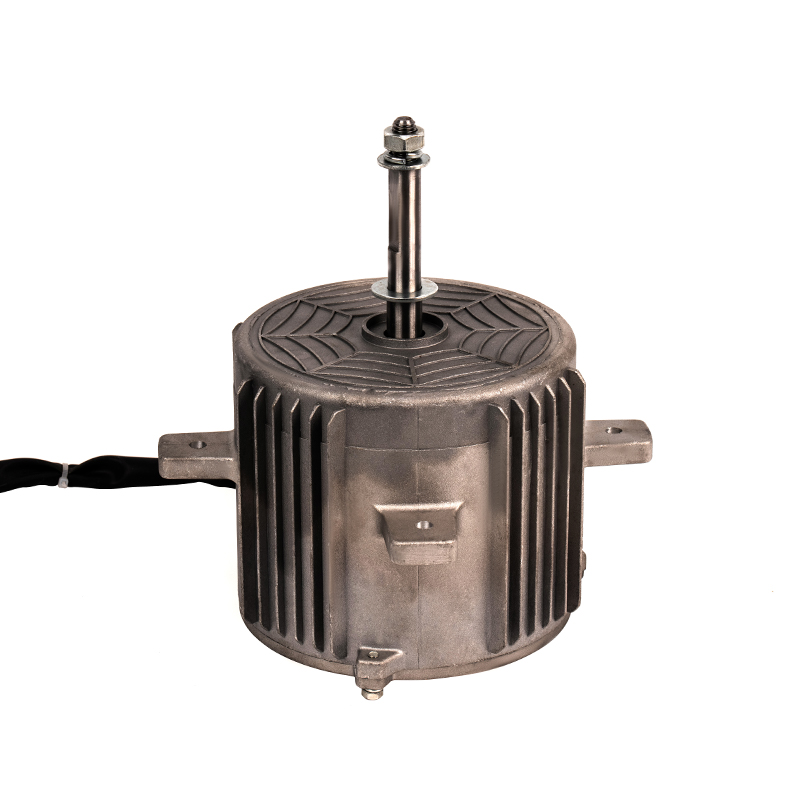
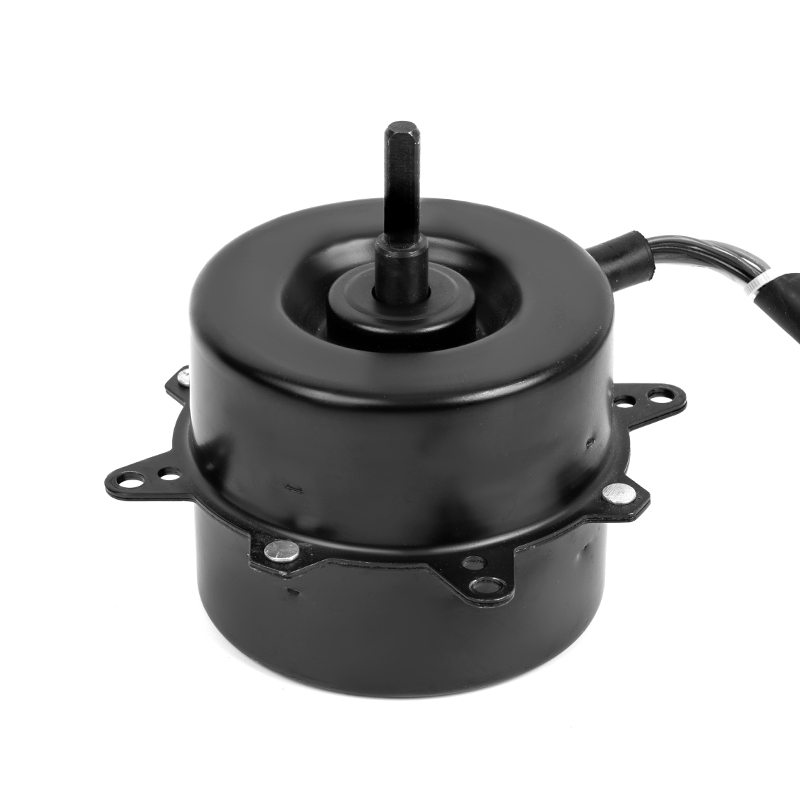
The mechanical environment also matters. In a kitchen range hood, the motor is exposed to humid, oily air. A plastic encapsulated oil fume AC motor resists condensation and makes the housing easier to wipe down, while a range hood DC motor can deliver lower energy consumption and quieter low-speed operation. Both approaches exist in the market; the decision depends on the hood's electronic controls and whether the manufacturer already has a DC driver.
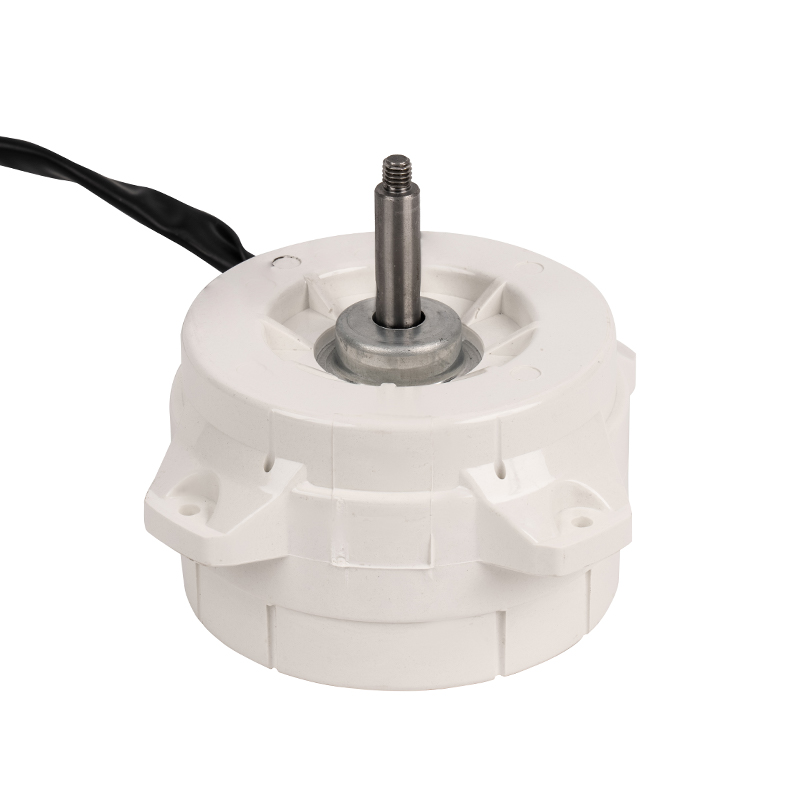 Wholesale YYS120-4 plastic asynchronous motor Suppliers, Factory - Shengzhou MidShengzhou Miduo Eletric Appliance Co., Ltd. is China wholesale YYS120-4 plastic asynchronous motor factory and YYS120-4 plastic asynchron...View Product →
To understand the efficiency gain in more detail, range hood DC motor efficiency comparison with traditional AC motors is a useful reference.
For portable air coolers, the choice is often tied to the power adapter. Many portable coolers are sold with low-voltage DC motors because they can be powered from a solar panel, a car socket, or a power bank. If your product is designed only for wall outlets, an AC air cooler motor may be simpler and cheaper.
What to Check When Ordering Fan Motors from a Supplier
When you send a fan motor enquiry, include more than just the voltage and speed. List the rated frequency (50/60 Hz), target rpm at the required load, input power or current limit, noise limit in dB(A), expected bearing type, insulation class, capacitor value for AC designs, and driver input range for DC designs. Also specify the ambient temperature and the duty cycle, because a motor rated for intermittent use can overheat in continuous operation.
At minimum, include these items in your enquiry:
- Rated voltage and frequency
- Target speed at the rated load
- Input power or current limit
- Noise and vibration limits
- Bearing type and expected lifetime
- Insulation class and ambient temperature
- Capacitor specification for AC motors
- Driver input voltage range for DC motors
Ask how the supplier tests the motor. A reputable manufacturer should measure input power, speed, vibration, noise, and temperature rise on samples. Delivery capability matters too; a factory with a daily output above 80,000 pieces can usually handle both pilot runs and mass production, but you should still request lead times for your quantity. If your product needs a special shaft, mounting bracket, lead wire length, or protection rating, send the drawing with tolerances and let the supplier confirm before quoting.
Finally, check the certification requirements of your target market. Common marks include CCC for China, CE for Europe, UL for North America, and RoHS for restricted materials. Some customers assume that a DC motor is always more advanced, but an AC motor with the right capacitor, insulation, and bearing can be equally reliable when the application is simple.
Bottom Line
AC and DC fan motors solve the same problem in different ways. AC is mature, inexpensive, and easy to run from the mains. DC is more efficient, quieter, and easier to control but costs more upfront and requires electronics. Match the motor to the product's power input, speed control needs, and price target. If you are uncertain, provide the fan specifications and let the motor supplier propose a motor that has already been tested in a similar appliance.
 ++86 13524608688