

 English
 عربى
عربىCritical Role of Lubrication in Small Cold Air AC Motors
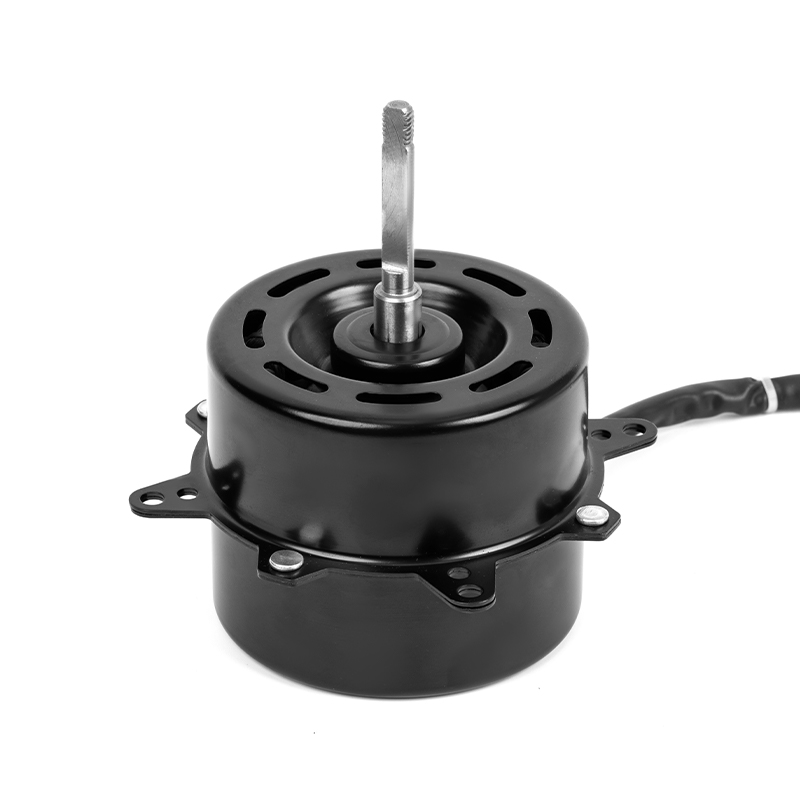
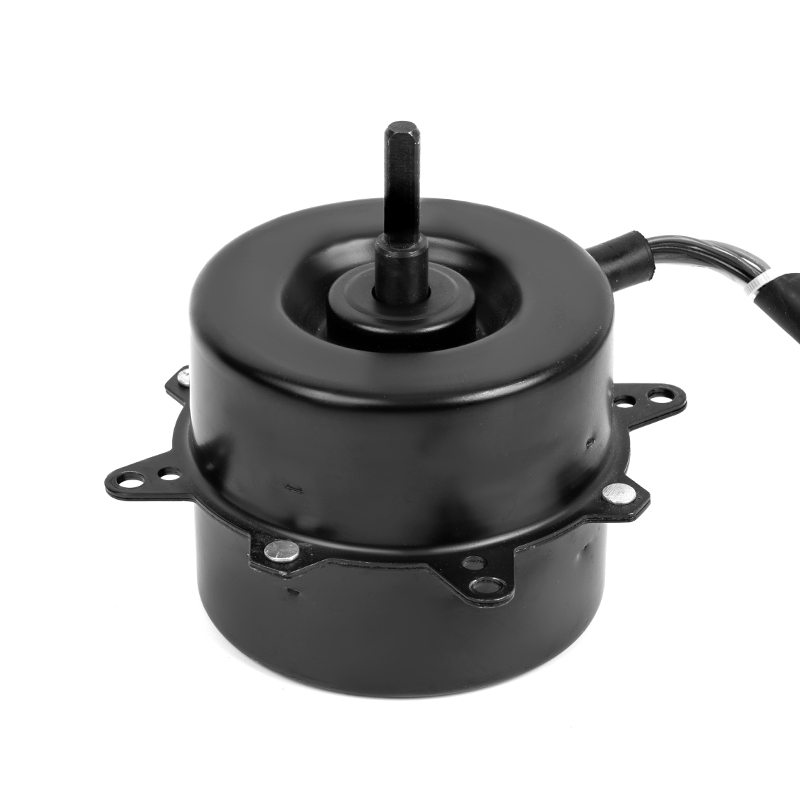
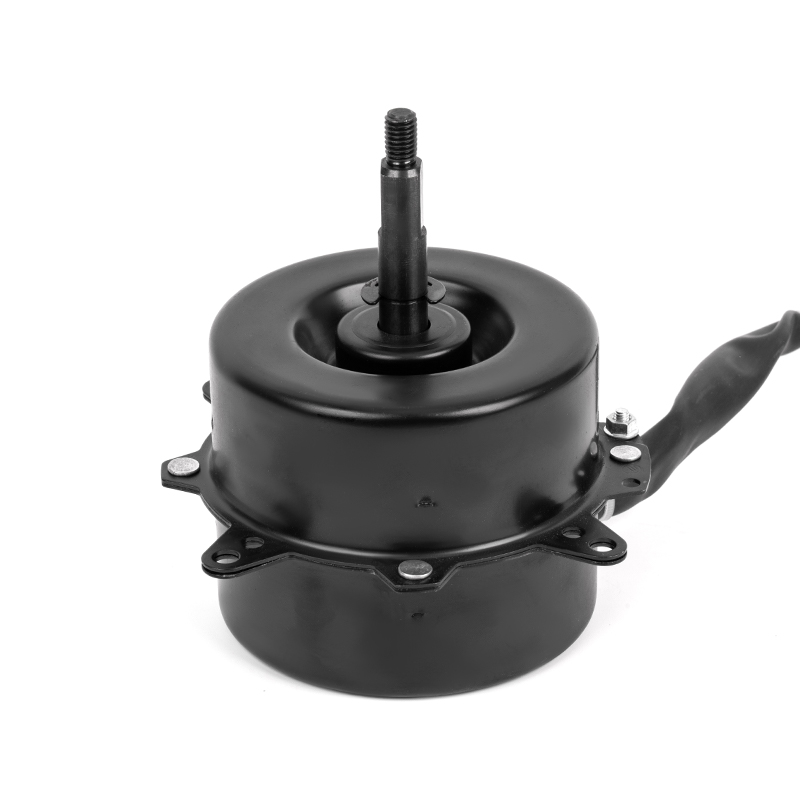
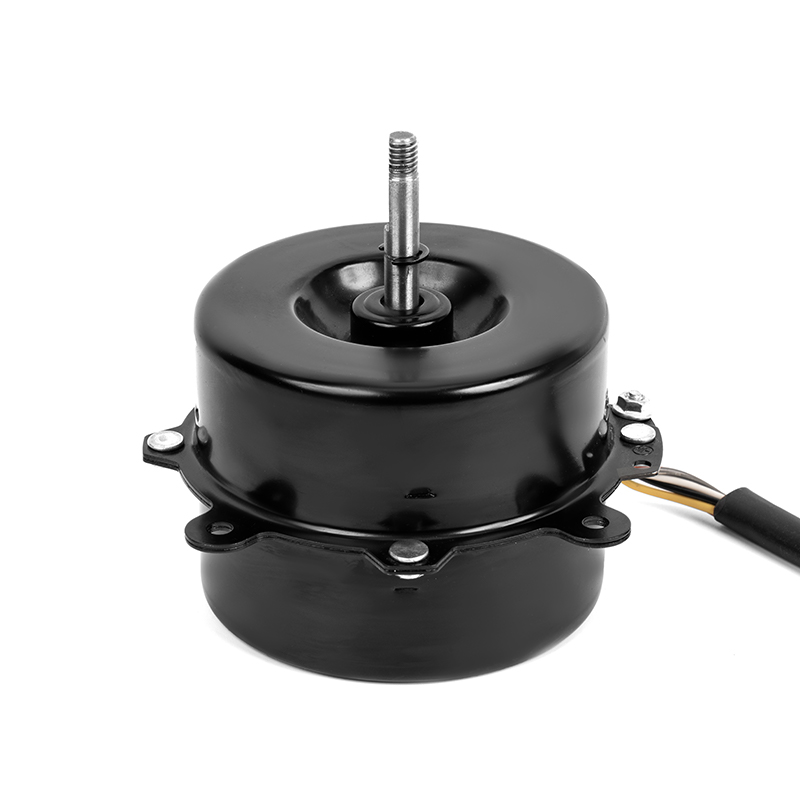
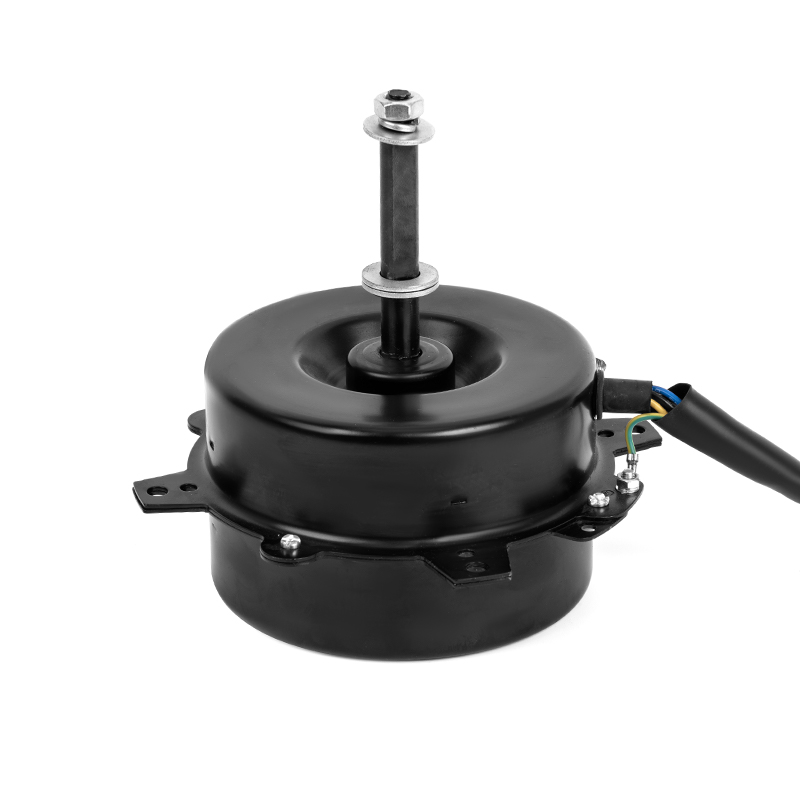
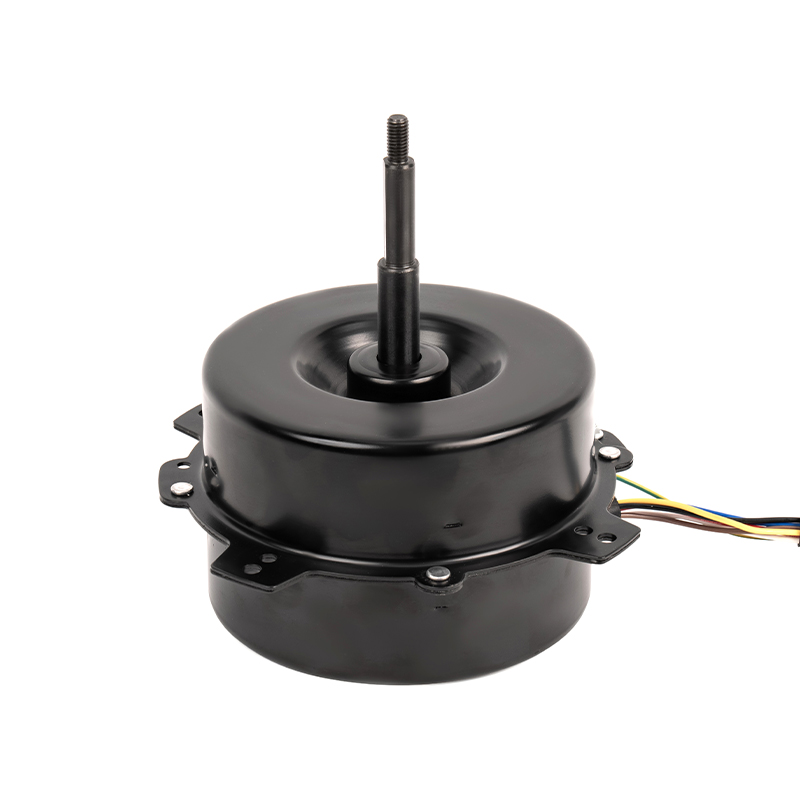
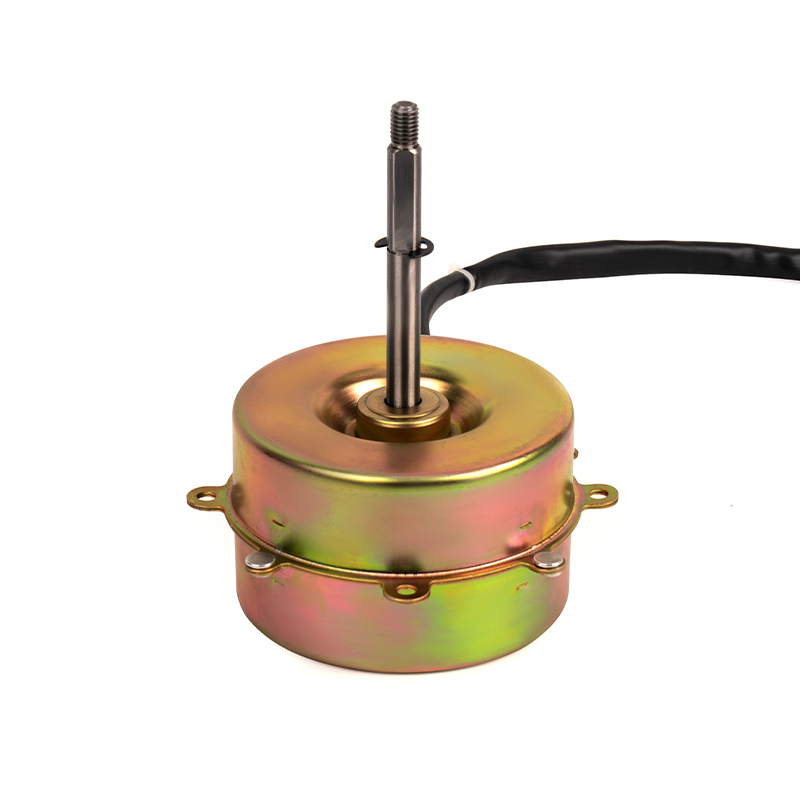
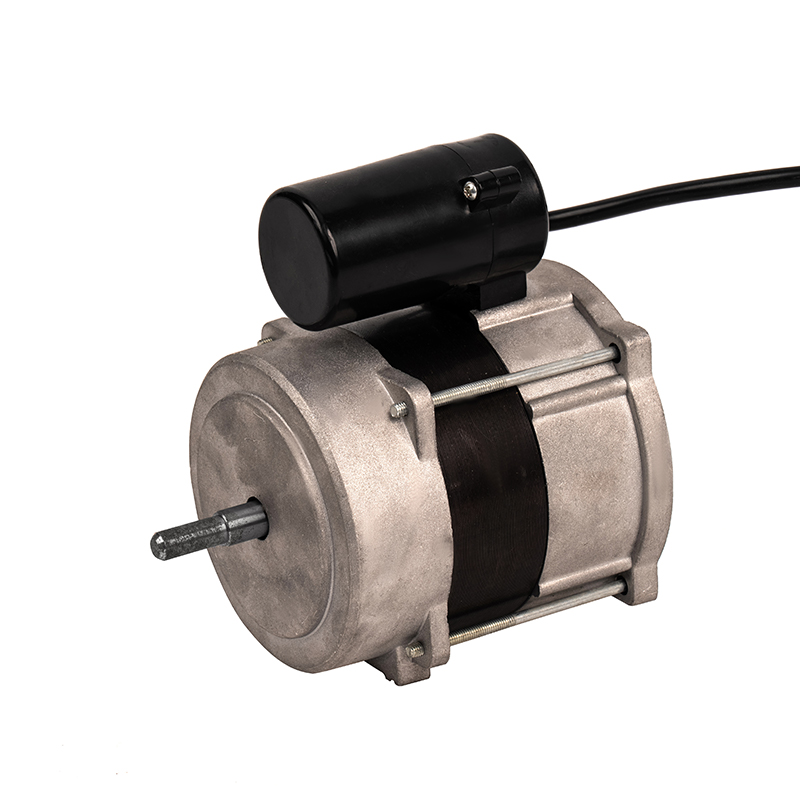
Lubrication in Small Cold Air AC Motor is essential to ensure smooth operation, minimize friction between rotating components, and extend the operational life of the motor. These motors often operate in compact spaces with continuous or intermittent duty cycles, which can generate significant heat and mechanical stress if friction is not properly controlled. Lubrication reduces metal-to-metal contact, decreases wear rates on bearings and shafts, and prevents energy losses that can lead to overheating. Furthermore, it plays a key role in noise suppression, vibration damping, and overall motor efficiency, which is particularly important for air-conditioning units designed for residential or commercial comfort.
Use of Sealed and Pre-Lubricated Bearings
Small Cold Air AC Motors frequently employ sealed or pre-lubricated ball bearings. These bearings are factory-filled with high-quality, long-life grease and sealed with metal or polymer shields to prevent contamination. The grease inside the bearing reduces friction by creating a thin lubricating film between the balls and raceways, which allows for smooth rotation under load. Sealing prevents dust, moisture, and environmental debris from entering the bearing, which could otherwise degrade the lubricant and increase wear. This combination ensures low operational noise, reliable performance, and minimal maintenance, as re-lubrication is rarely necessary over the motor’s service life.
High-Temperature and Thermally Stable Lubricants
Because Small Cold Air AC Motors may operate continuously in environments where ambient temperatures can rise significantly, specialized lubricants with high thermal stability are used. High-temperature greases resist viscosity breakdown and oxidation, maintaining consistent lubrication even under prolonged heat exposure. This prevents excessive friction between moving parts, reduces the risk of localized overheating, and protects both the bearing and motor windings. Maintaining proper lubrication under thermal stress ensures the motor delivers consistent airflow, energy efficiency, and noise reduction without compromising long-term reliability.
Lubrication of Sleeve and Plain Bearings
Some Small Cold Air AC Motors incorporate sleeve or plain bearings due to design constraints or cost considerations. These bearings rely on thin films of low-viscosity oil or dry-film lubricants to separate the rotating shaft from the bearing surface. The lubricant reduces friction, distributes load evenly, and prevents abrasive wear. By maintaining a consistent lubricating layer, sleeve bearings contribute to quiet motor operation and efficient rotation, even in high-speed or continuous-use scenarios. Proper lubrication ensures that these bearings do not generate additional heat or noise, which could otherwise compromise motor performance.
Internal Lubrication Distribution and Flow Management
Advanced motor designs may include internal lubrication channels, grooves, or reservoirs that facilitate uniform distribution of grease or oil across critical contact points. Uniform lubrication prevents localized dry spots, which can lead to excessive friction, vibration, or premature bearing failure. In a Small Cold Air AC Motor, effective distribution ensures all moving components—including rotor shafts, fan hubs, and bearing surfaces—receive adequate lubrication, maintaining smooth operation and reducing operational noise. Strategic placement of lubrication paths also supports continuous performance under fluctuating loads and varying operating speeds.
Contamination Prevention and Environmental Protection
Maintaining clean lubrication is as important as the lubricant itself. Small Cold Air AC Motors often include protective housings, dust shields, or sealing features to prevent contaminants such as dust, pollen, or moisture from reaching critical lubricated areas. Contamination can accelerate abrasive wear, degrade grease properties, and increase friction and vibration. By preventing contamination, the lubrication system maintains optimal performance, reduces maintenance requirements, and ensures quieter operation. In environments such as HVAC systems or commercial air handlers, this protection is critical for reliable and long-lasting motor function.
Optimized Lubricant Viscosity for Friction and Noise Control
The viscosity of the lubricant must be carefully selected to balance friction reduction with rotational efficiency. Excessively thick grease can increase resistance, leading to higher energy consumption and motor drag, while lubricants that are too thin may fail to maintain a protective film between moving surfaces. Optimal viscosity provides smooth, low-friction operation, while also acting as a damping layer that absorbs minor vibrations and reduces noise. In a Small Cold Air AC Motor, this careful balance ensures efficient airflow generation without introducing operational noise or heat buildup.
Periodic Maintenance and Long-Life Lubricants
Although sealed and pre-lubricated bearings minimize maintenance, motors subjected to continuous high-duty cycles may benefit from periodic inspection and re-lubrication in some designs. High-quality synthetic greases or oils with extended service intervals allow maintenance to be scheduled less frequently while maintaining low friction and vibration damping. Maintenance ensures that bearings and other moving components continue to operate smoothly, preserving airflow efficiency, reducing wear, and preventing noise over the long term.
Integration with Overall Motor and System Design
Lubrication strategies in Small Cold Air AC Motors are integrated with other design considerations, including rotor balance, bearing type, housing materials, and thermal management. Properly lubricated and balanced components reduce vibration and heat, complementing other noise and energy efficiency measures. By optimizing lubrication alongside these mechanical and thermal design elements, manufacturers ensure that the motor operates quietly, efficiently, and reliably throughout its service life, even in compact AC units or high-demand HVAC applications.
 ++86 13524608688