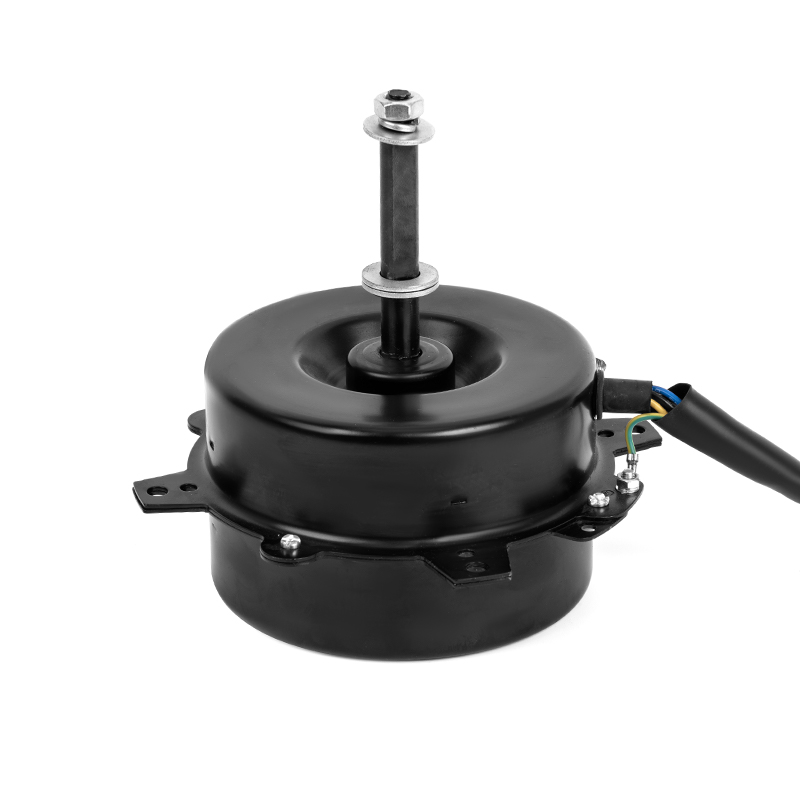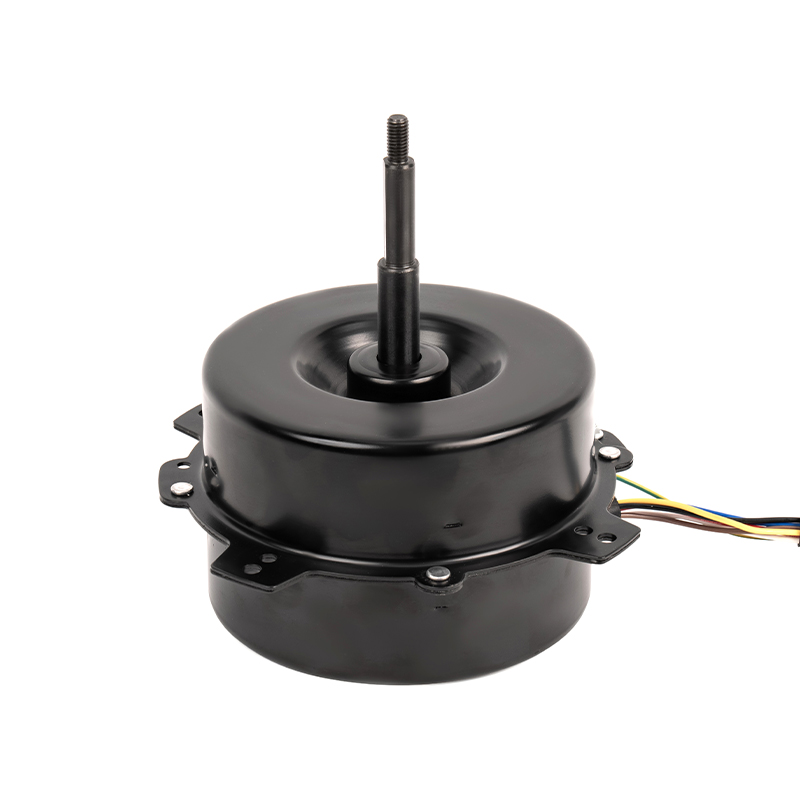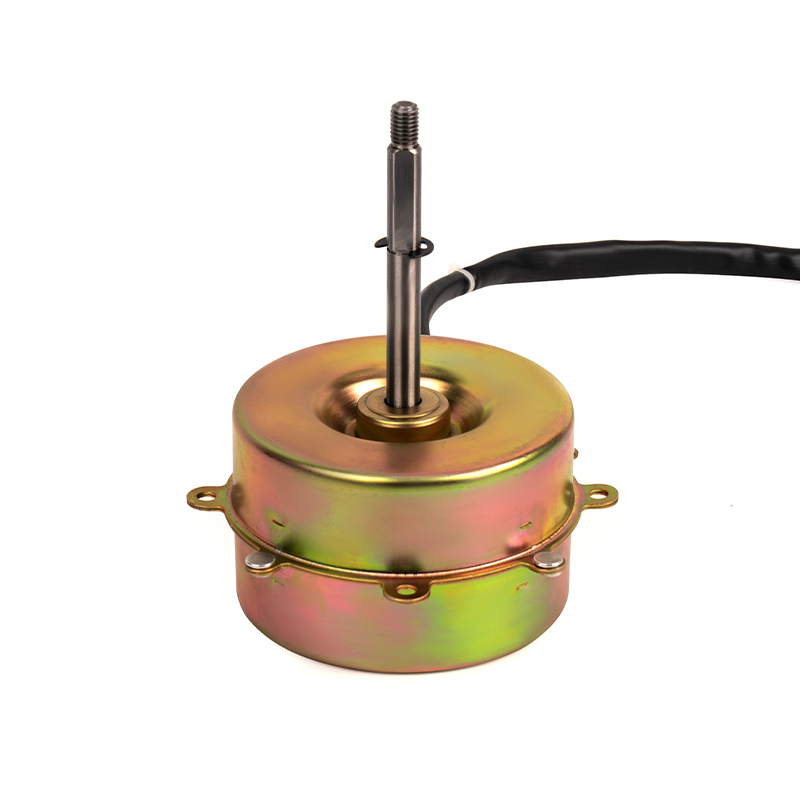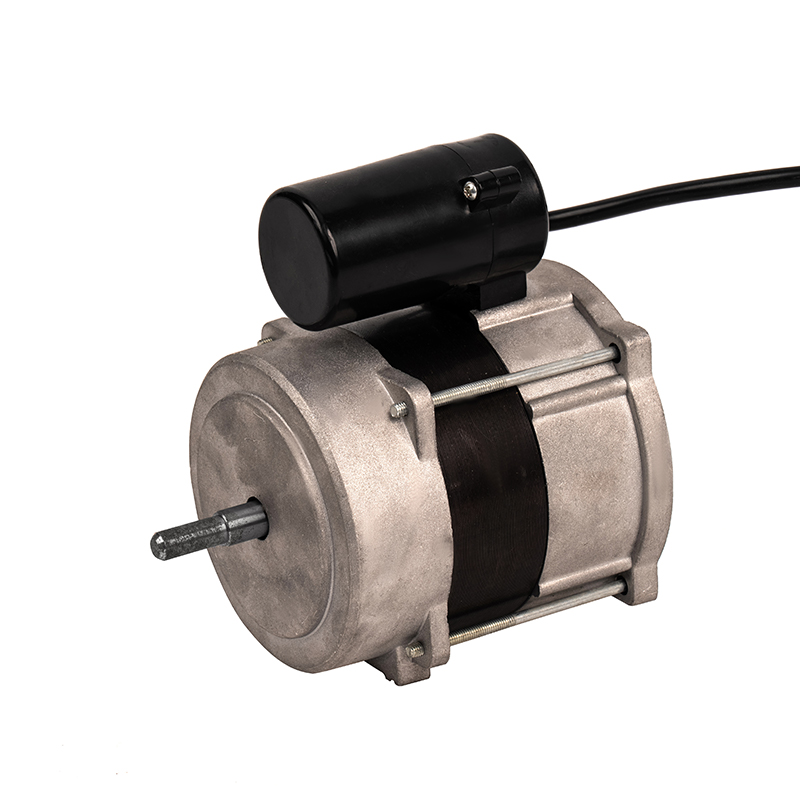


 English
 عربى
عربىQuieter Operation Due to Advanced Technology
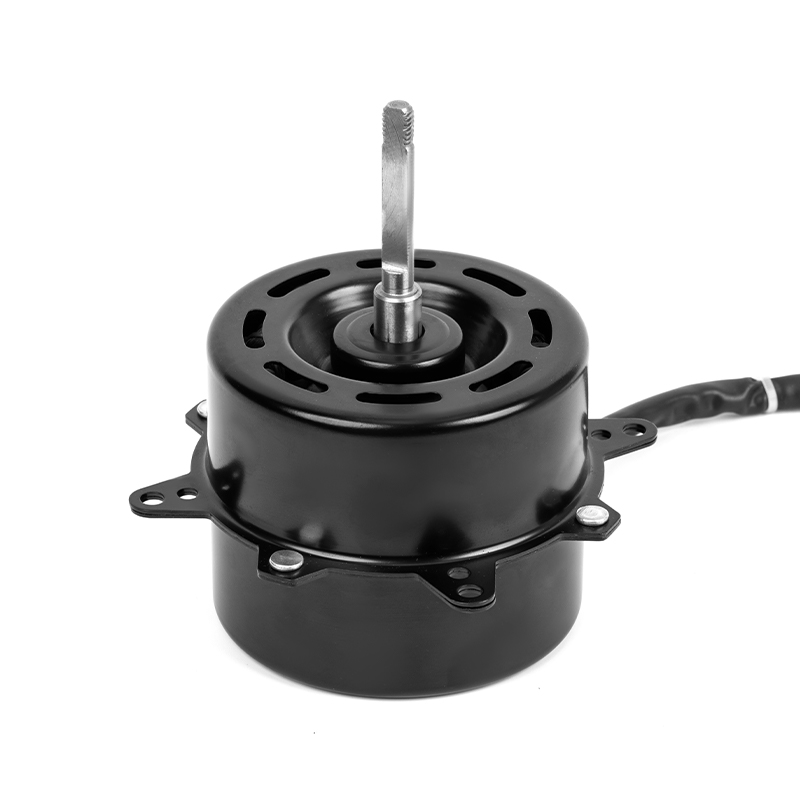
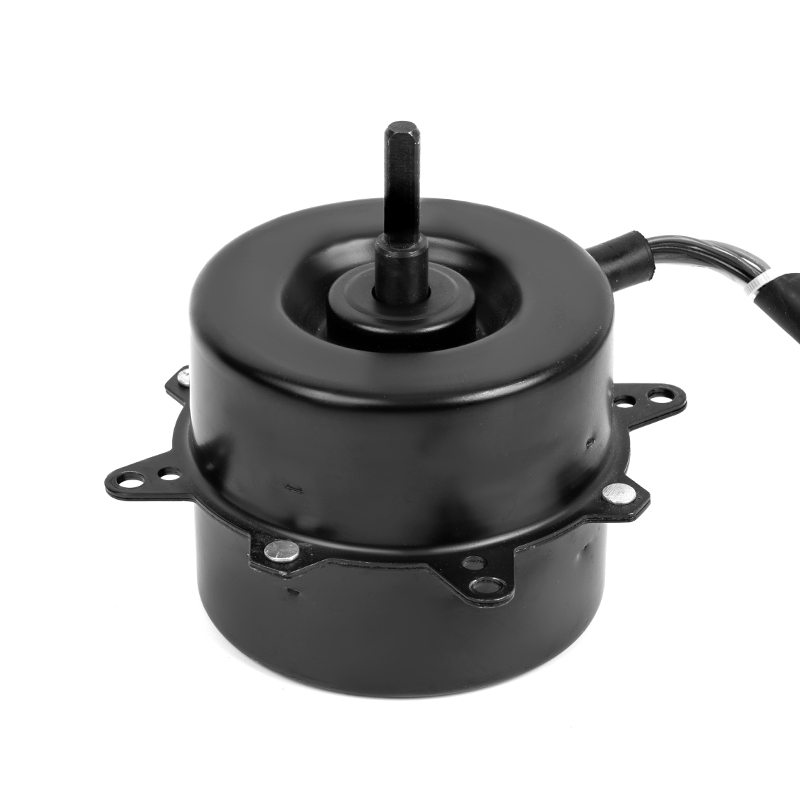
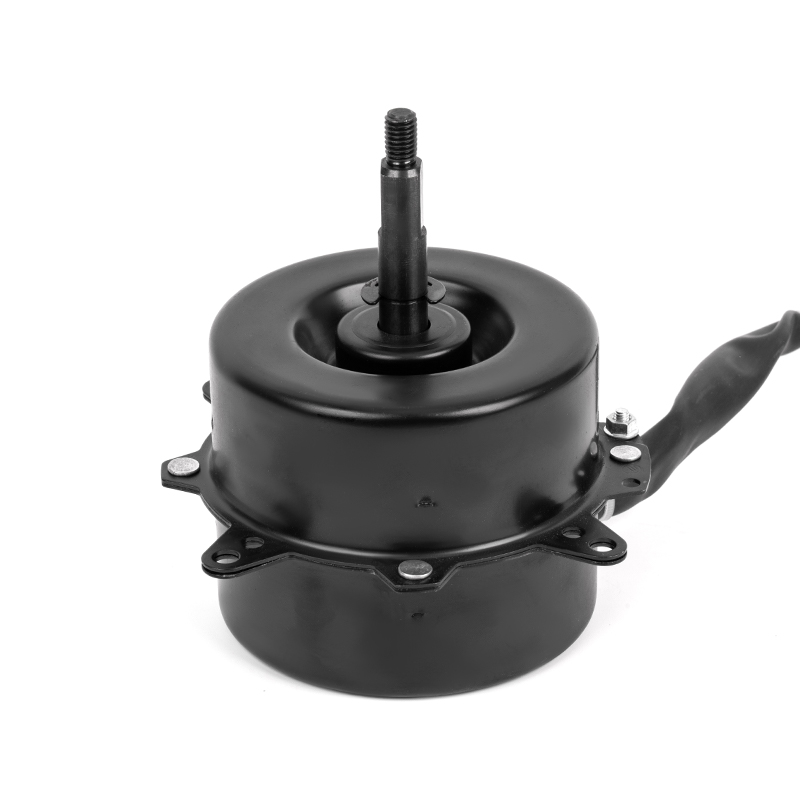
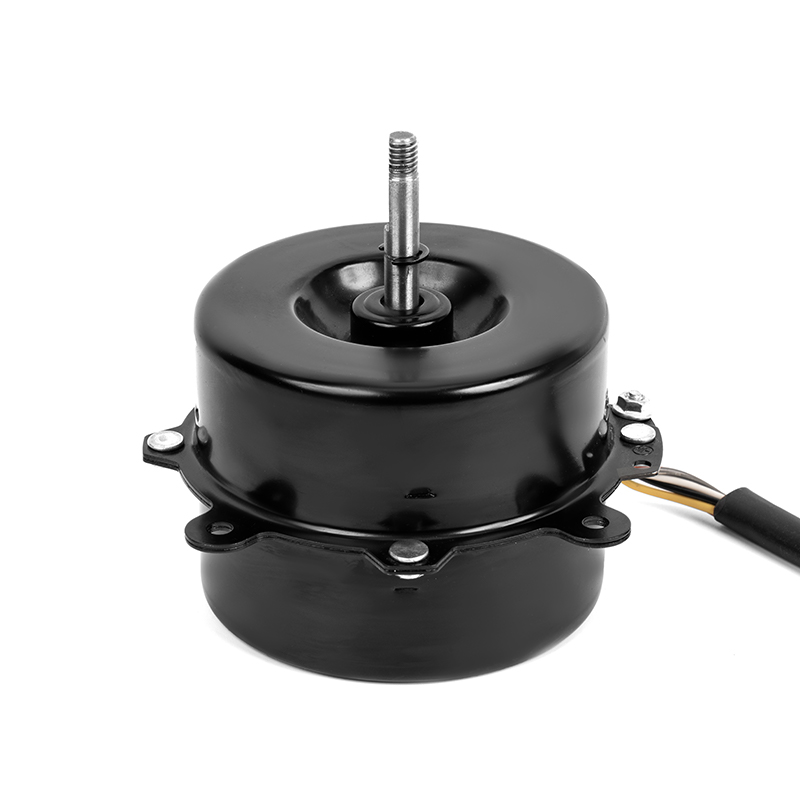
One of the primary advantages of Range Hood DC Motor in terms of noise reduction is the advanced technology it utilizes, particularly in its brushless design. Unlike traditional AC motors, which rely on brushes and a commutator to switch the direction of current and maintain motor operation, DC motors operate through a more streamlined and efficient mechanism. This lack of brushes eliminates the mechanical friction and noise associated with brush wear and tear. In AC motors, the brushes make constant contact with the commutator, which generates friction and results in a noisy operation. The brushless design of the DC motor significantly reduces this friction, leading to a quieter motor performance. This is especially important in the context of a kitchen environment, where excessive noise from appliances can be disruptive. By operating more smoothly, the DC motor helps maintain a quiet atmosphere in the kitchen, even when the range hood is in use for extended periods.
Variable Speed Control
Another key factor that contributes to the quieter operation of a Range Hood DC Motor is the ability to offer precise variable speed control. Traditional AC motors in range hoods often have fixed speeds or rely on basic speed control mechanisms, such as mechanical switches or basic capacitors. These systems tend to operate at higher speeds, which can produce significant noise, especially when the fan is running at full capacity. In contrast, DC motors can adjust their speed seamlessly based on the user’s needs, allowing the fan to operate at lower speeds when less ventilation is required. This ability to fine-tune the speed means that users can run the range hood at quieter, lower speeds during light cooking sessions, such as when reheating food or simmering. The motor adjusts precisely to the desired power level without producing the sharp increase in noise that can occur with traditional AC motors, which often operate at a constant or less-efficient speed. As a result, a Range Hood DC Motor delivers the right level of suction without generating excessive noise, making it ideal for both light and heavy cooking tasks.
Efficient Airflow with Reduced Noise at Lower Speeds
A key characteristic of DC motors is their efficiency, particularly when it comes to airflow. Range Hood DC Motors are designed to be more energy-efficient than their AC counterparts, which means they are able to produce the necessary suction with less power consumption and noise. DC motors can maintain adequate airflow even at lower speeds, which is particularly beneficial in terms of noise reduction. Traditional AC motors, on the other hand, often require higher speeds to generate sufficient airflow, which results in louder operation. With a DC motor, the efficient conversion of electrical energy into mechanical energy allows the motor to perform effectively at slower speeds, reducing the noise output without sacrificing suction power. This means that when you don’t need maximum ventilation, such as during light cooking or when the kitchen is only slightly humid, the DC motor can run at a reduced speed to keep the noise levels down while still effectively removing smoke, odors, and steam. The motor’s ability to adapt to the task at hand ensures a quieter kitchen environment without compromising on performance.
Reduced Vibration
Vibration is one of the primary sources of noise in traditional range hoods, particularly those with AC motors. These motors tend to generate more vibration due to the mechanical processes involved in their operation. In contrast, DC motors operate with greater precision and efficiency, which results in significantly reduced vibration levels. Since DC motors are brushless and have fewer moving parts that are prone to wear, they create fewer vibrations during operation. This reduction in vibration not only decreases the noise coming directly from the motor but also reduces the vibrations that travel through the housing, exhaust ducts, and other components of the range hood. In older range hoods with AC motors, vibrations could cause rattling noises or lead to the transmission of noise through the ductwork, which often exacerbates the overall sound level. A Range Hood DC Motor eliminates much of this issue, offering a smoother, quieter operation, with fewer disturbances caused by mechanical vibrations, ensuring a more comfortable cooking environment.
 ++86 13524608688