

 English
 عربى
عربىPerformance Characteristics in Continuous-Duty Applications
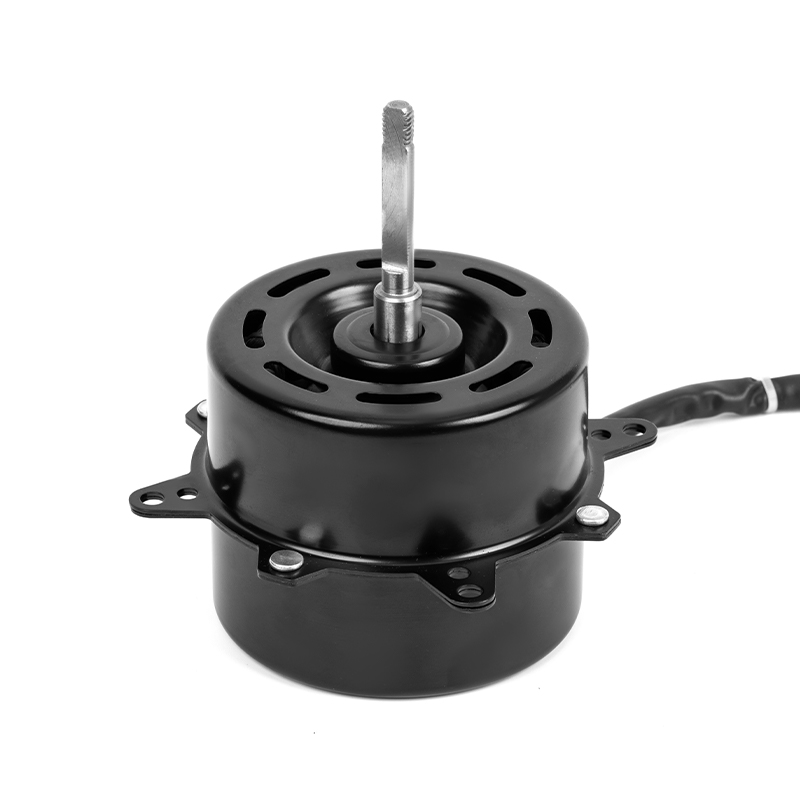
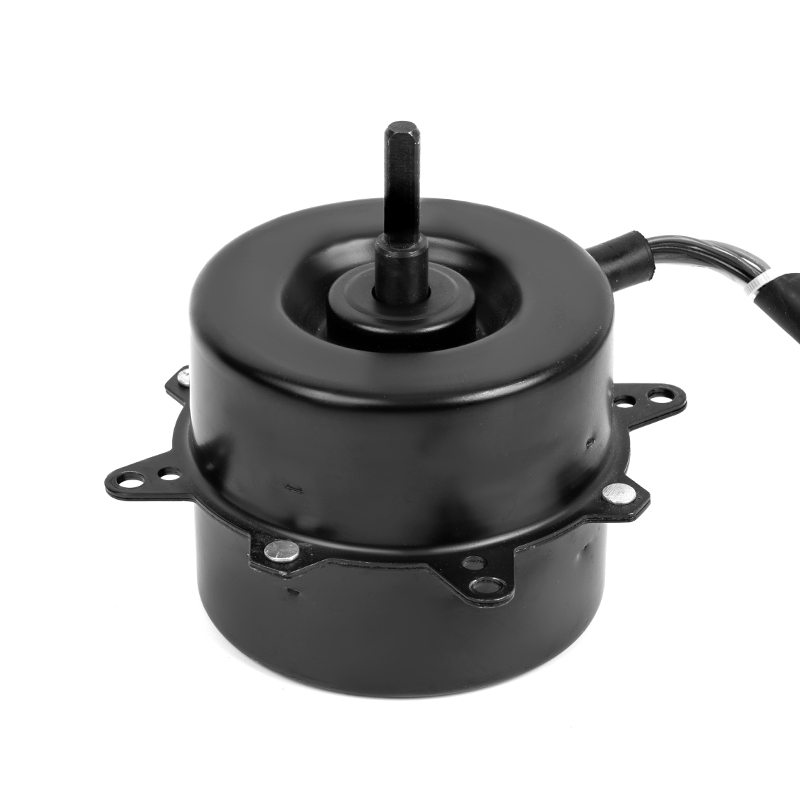
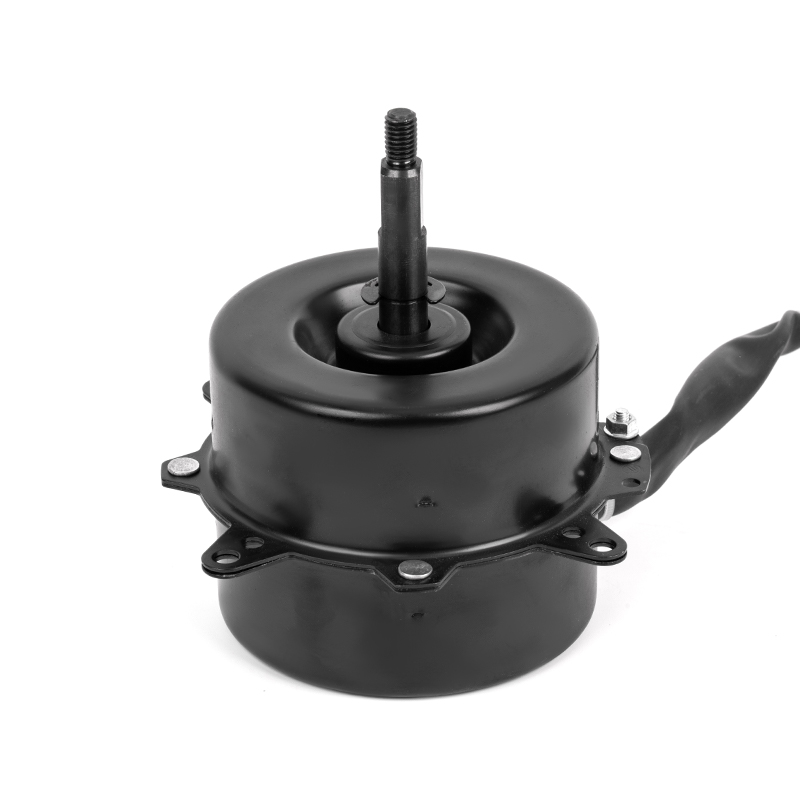
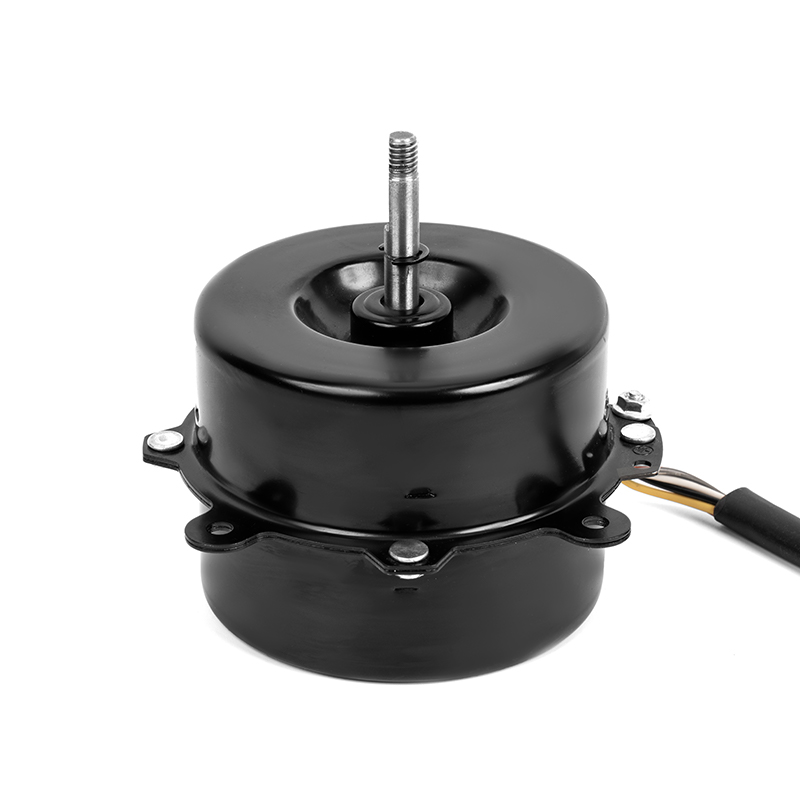
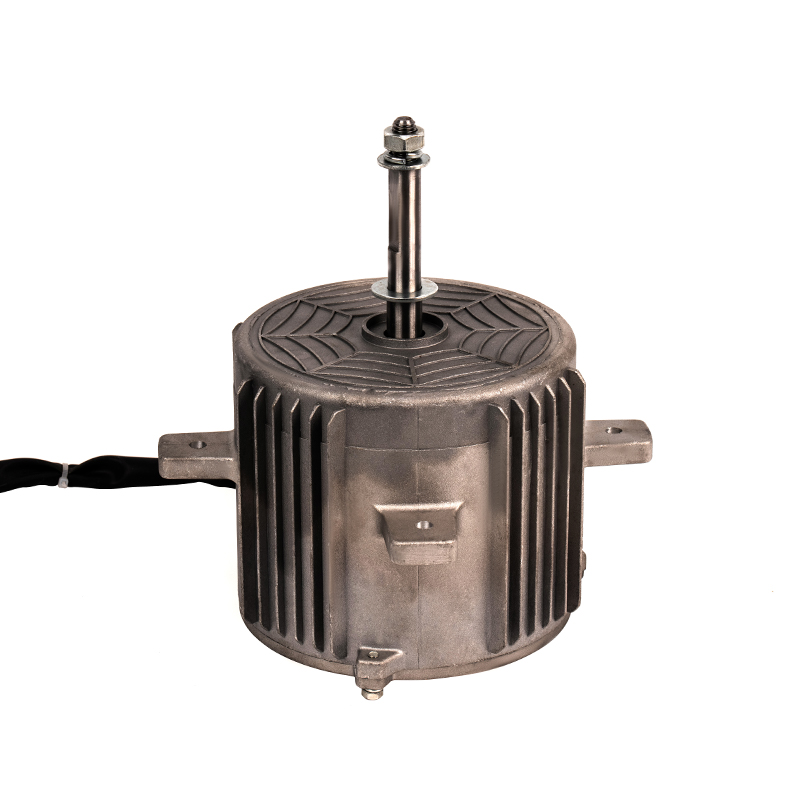
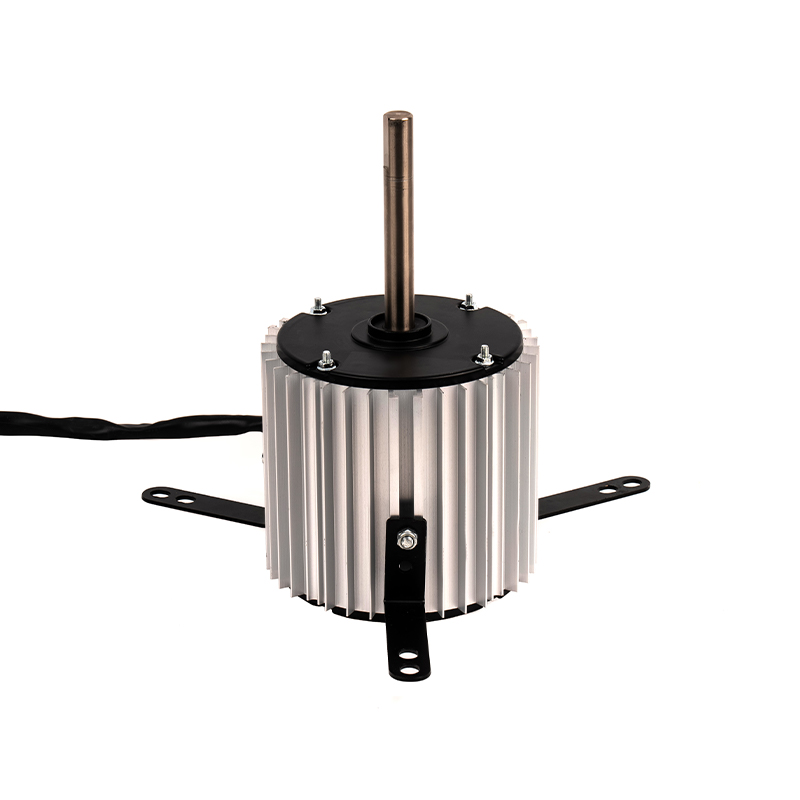
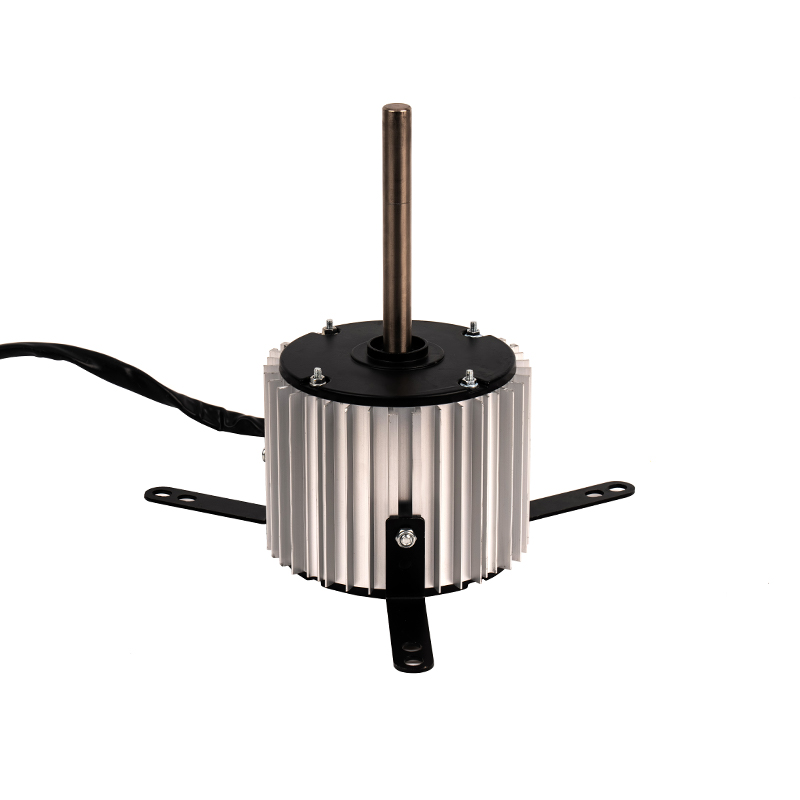
In continuous-duty applications, Small AC Motor is expected to operate uninterrupted for long durations while maintaining stable electrical and mechanical performance. This operating mode places sustained thermal and mechanical stress on the motor, making heat dissipation a critical design factor. Continuous-duty Small AC Motors are typically engineered with high-grade insulation systems, precision-balanced rotors, and durable bearings to ensure stable operation over extended periods. Ventilation systems, such as external cooling fans or optimized airflow channels, are commonly incorporated to maintain acceptable operating temperatures. When properly matched to the load, the motor delivers consistent torque, steady rotational speed, and reliable efficiency without performance degradation. These motors are widely used in applications such as fans, pumps, blowers, and conveyor systems, where uninterrupted operation and long service life are essential for system reliability.
Performance Characteristics in Intermittent-Duty Applications
In intermittent-duty applications, a Small AC Motor operates in repeated cycles of active running followed by rest periods, which significantly influences its performance profile. The off-time between cycles allows accumulated heat to dissipate naturally, reducing the continuous thermal load on the motor. As a result, intermittent-duty motors can often be designed to handle higher short-term torque or momentary overload conditions compared to continuous-duty motors of similar size. These motors are well suited for applications such as actuators, lifting mechanisms, automated doors, and positioning systems that require frequent starts and stops. However, repeated start-up cycles increase electrical inrush current and mechanical stress, which can affect winding insulation and bearing life if not properly managed. For this reason, intermittent-duty performance is defined by duty cycle ratings, ensuring that the motor operates safely within its thermal limits.
Thermal Behavior and Heat Management
Thermal performance is the primary factor distinguishing continuous-duty from intermittent-duty operation in a Small AC Motor. In continuous-duty use, the motor must reach a stable thermal equilibrium where heat generation and heat dissipation are balanced, keeping internal temperatures within insulation class limits. Failure to manage this balance can lead to overheating and accelerated insulation aging. In intermittent-duty applications, heat buildup occurs during the operating cycle but is partially or fully dissipated during rest periods, allowing the motor to tolerate short bursts of higher load or torque. Understanding thermal behavior is essential when selecting a motor, as improper duty matching can result in excessive heat accumulation, reduced efficiency, and premature motor failure.
Efficiency and Electrical Performance Considerations
A Small AC Motor operating under continuous duty typically runs near its optimal efficiency point, as speed and load remain relatively stable over time. This leads to predictable energy consumption and consistent electrical performance. In contrast, intermittent-duty operation involves frequent starts, which introduce higher inrush currents and transient electrical losses. These start-up losses can reduce overall system efficiency, especially in applications with short run times and frequent cycling. While intermittent-duty motors can be efficient when correctly applied, their performance depends heavily on proper duty cycle design and electrical supply stability. Selecting the appropriate motor type helps ensure efficient energy use and reduced electrical stress on the system.
Reliability, Service Life, and Application Suitability
The long-term reliability of a Small AC Motor is directly influenced by whether it is used in the correct duty category. Continuous-duty motors are designed to deliver maximum service life under sustained operation, with minimal performance drift over time. Intermittent-duty motors, when used within their specified duty cycles, offer reliable performance with lower initial cost and compact design advantages. However, using an intermittent-duty motor in a continuous application can quickly lead to overheating, insulation breakdown, and premature failure. Conversely, overspecifying a continuous-duty motor for a light intermittent application may increase cost and reduce overall efficiency. Proper duty classification ensures balanced performance, extended service life, and optimal operating safety across residential, commercial, and industrial environments.
 ++86 13524608688