

 English
 عربى
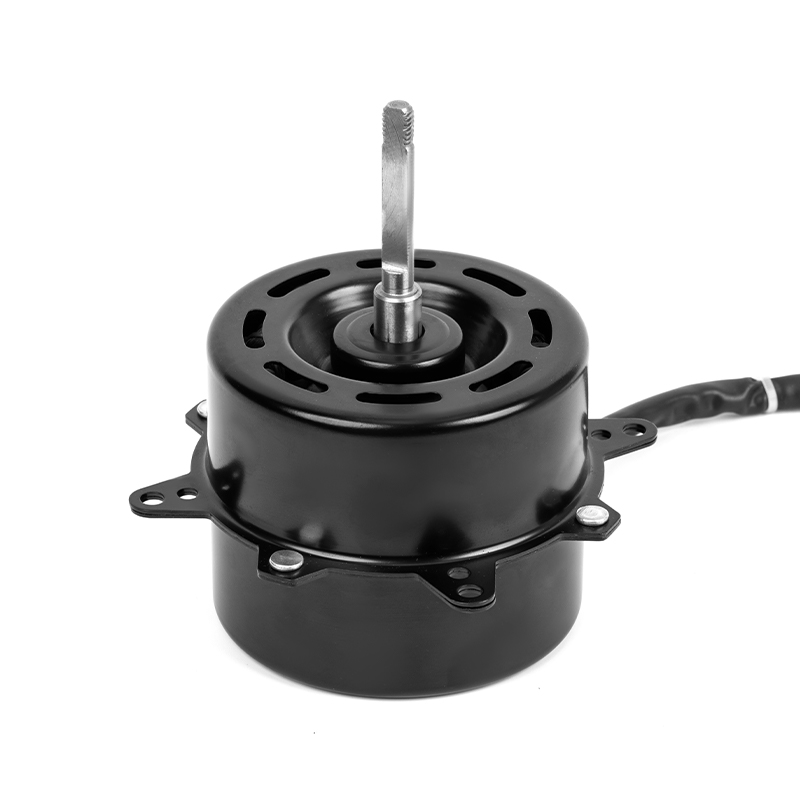
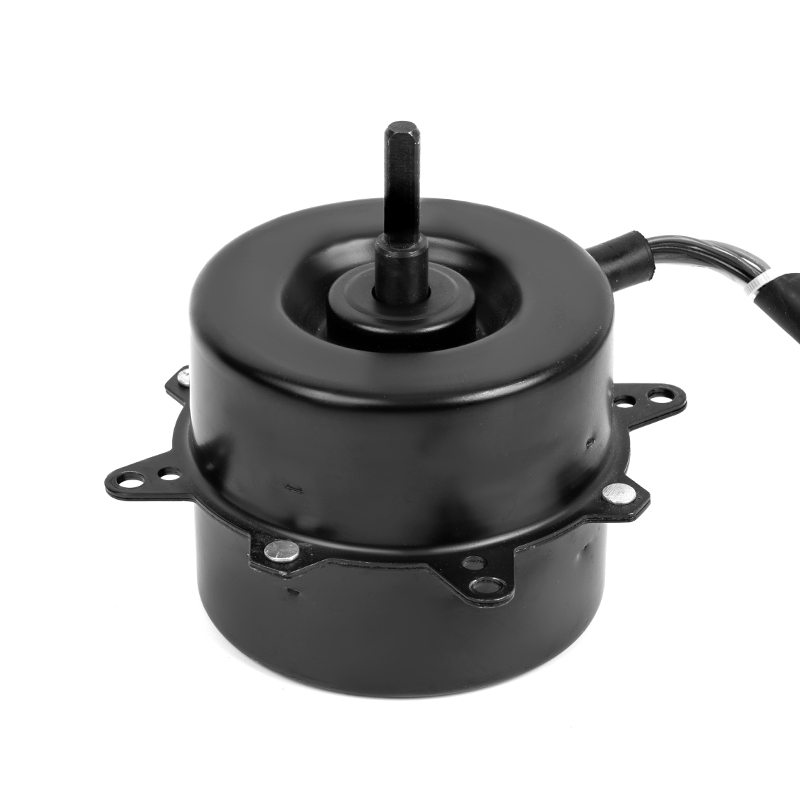
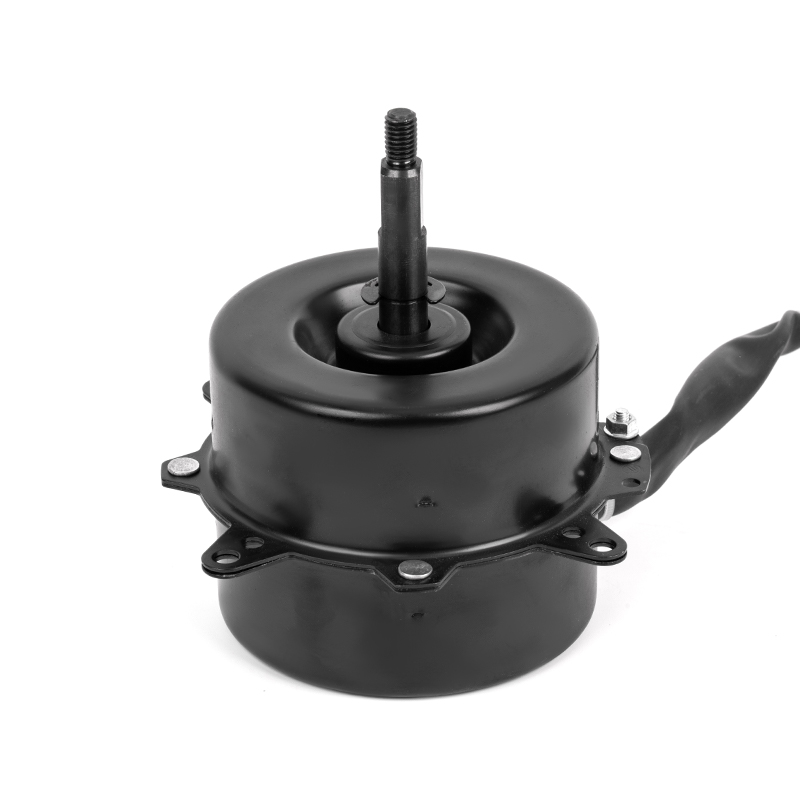
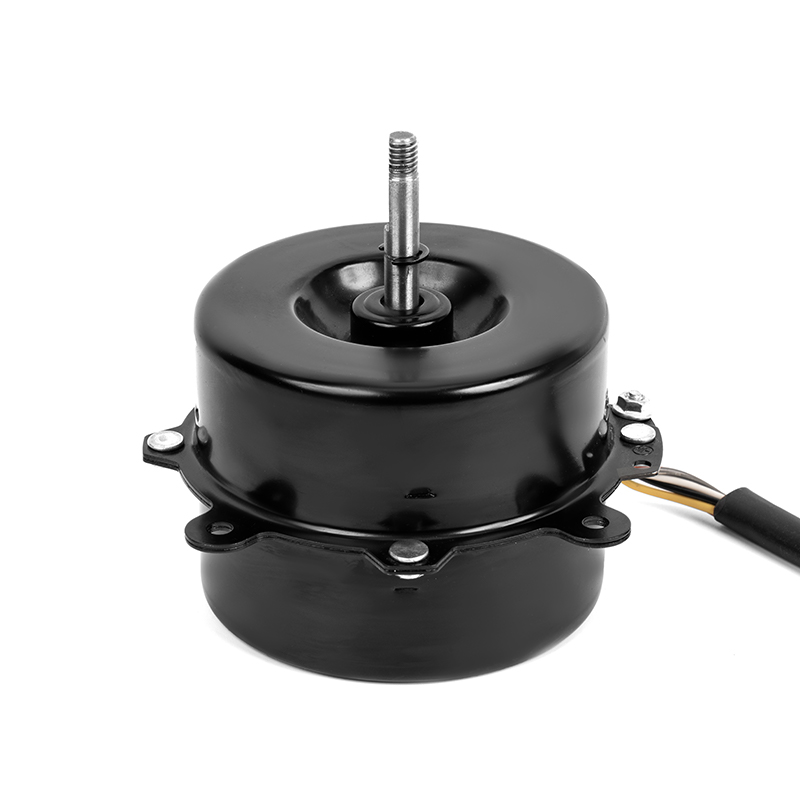
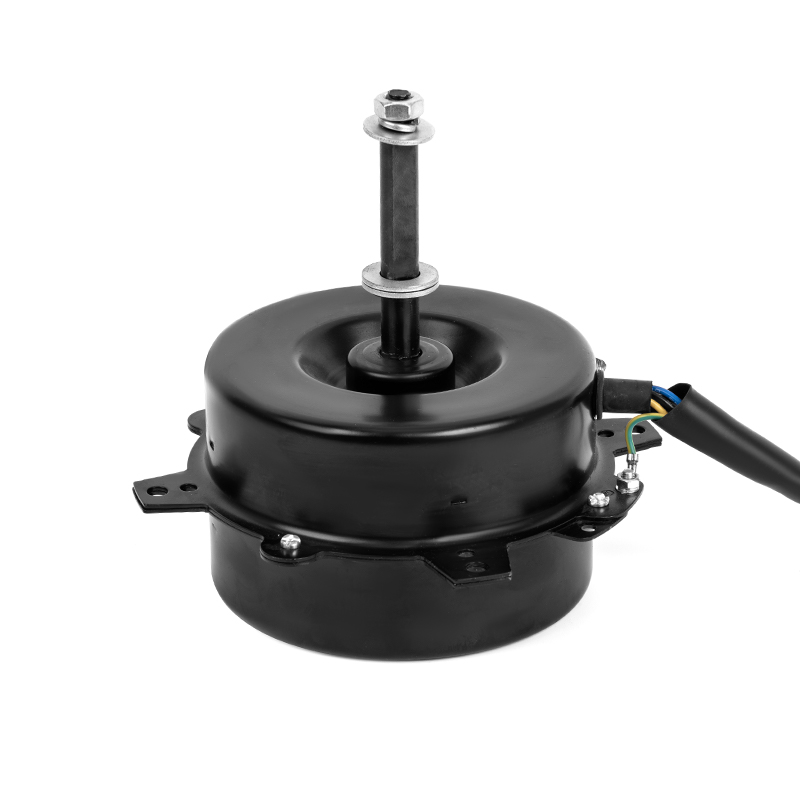
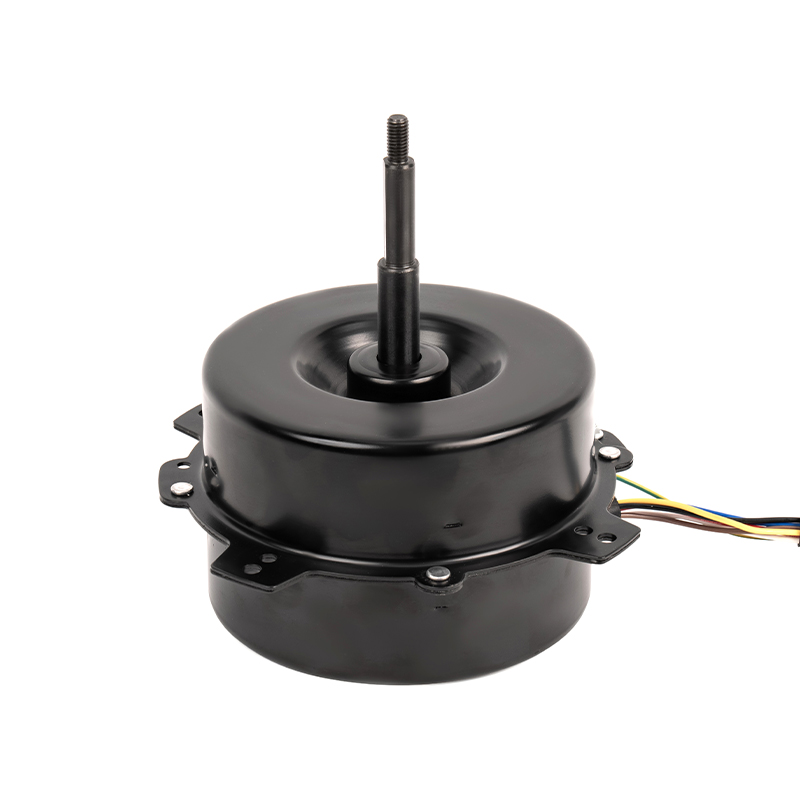
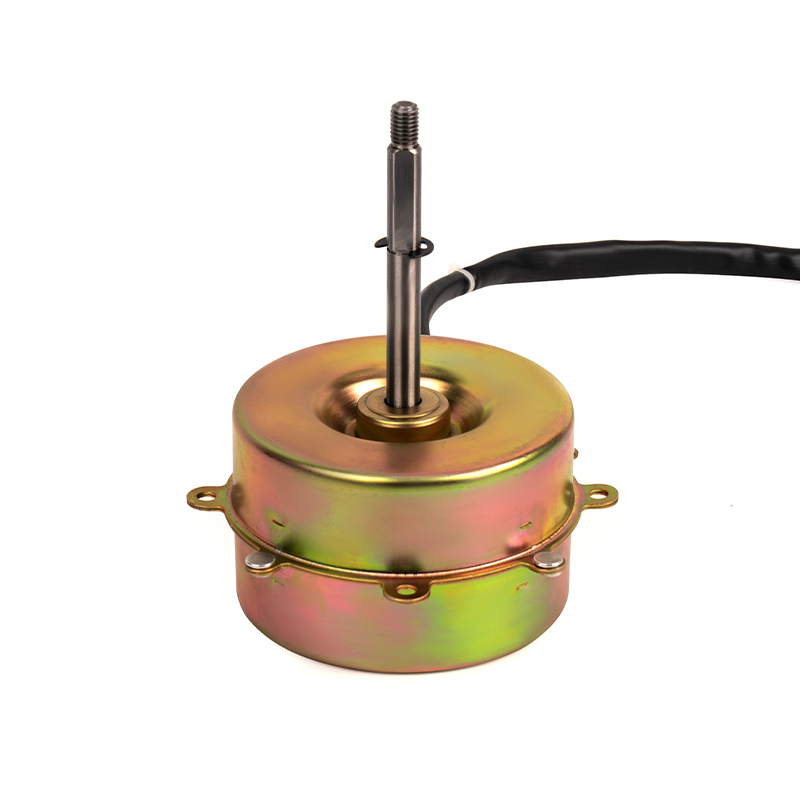
عربىIn most heating applications, a Heating AC Motor can consume 10% to 30% less energy than a typical single-phase AC motor when properly matched to the load and operating conditions. The exact savings depend on motor design, efficiency rating, operating hours, load profile, and control methods. While conventional single-phase AC motors remain common due to their lower initial cost, Heating AC Motors are often optimized for heating and air circulation systems, allowing them to operate more efficiently over extended periods.
Energy consumption is one of the most important factors affecting long-term operating costs. Even a small improvement in motor efficiency can translate into significant annual savings, especially in commercial heating systems that run for thousands of hours each year.
Understanding Energy Consumption in Heating Systems
Energy consumption refers to the amount of electrical power a motor uses while performing its intended task. For heating systems, motors are typically responsible for driving fans, blowers, pumps, or air circulation equipment. The total energy consumed depends on several variables:
- Motor efficiency percentage
- Operating load
- Running hours per day
- Starting and stopping frequency
- Ambient temperature conditions
- Control strategy and speed regulation
A motor operating at 90% efficiency converts more electrical energy into useful mechanical work than a motor operating at 75% efficiency. The difference becomes substantial over the lifespan of the equipment.
Efficiency Comparison Between Heating AC Motor and Typical Single-Phase AC Motors
Heating AC Motors are often designed to support continuous-duty heating and ventilation systems. Their construction can prioritize airflow optimization and reduced electrical losses. Typical single-phase AC motors, while reliable, may not always be optimized for these specific operating conditions.
| Factor | Heating AC Motor | Typical Single-Phase AC Motor |
|---|---|---|
| Efficiency | 85%–92% | 70%–85% |
| Heat Loss | Lower | Higher |
| Continuous Operation | Optimized | Moderate |
| Annual Energy Cost | Lower | Higher |
A difference of only 5% to 10% in efficiency can result in hundreds of kilowatt-hours of annual energy savings in heavily used heating systems.
Example of Annual Energy Consumption
Consider two motors rated at 1 horsepower operating 12 hours per day for 300 days per year.
| Motor Type | Efficiency | Annual Consumption |
|---|---|---|
| Heating AC Motor | 90% | Approximately 3,000 kWh |
| Single-Phase AC Motor | 80% | Approximately 3,375 kWh |
This example shows a savings of approximately 375 kWh annually. In facilities operating multiple motors, the total reduction can become significant over several years.
Factors That Make Heating AC Motors More Efficient
Optimized Airflow Applications
Heating AC Motors are frequently engineered for fan and blower systems. Matching motor characteristics to airflow requirements reduces wasted energy and improves overall system efficiency.
Reduced Electrical Losses
Improved winding designs and better magnetic materials can reduce copper and core losses. Less energy is converted into unwanted heat, allowing more power to reach the driven equipment.
Stable Performance at Continuous Loads
Heating systems often run for extended periods. Motors designed for continuous operation maintain efficiency more consistently than general-purpose alternatives.
How Load Conditions Affect Energy Consumption
Motor efficiency is not constant. Most motors achieve peak efficiency when operating between 75% and 100% of their rated load. Oversized motors often consume more electricity than necessary because they operate below their optimal efficiency range.
For example, a heating fan requiring 0.75 horsepower may perform more efficiently with a properly sized Heating AC Motor than with an oversized single-phase AC motor. Proper sizing can sometimes generate savings comparable to upgrading the motor itself.
Comparison with an AC DC Universal Motor
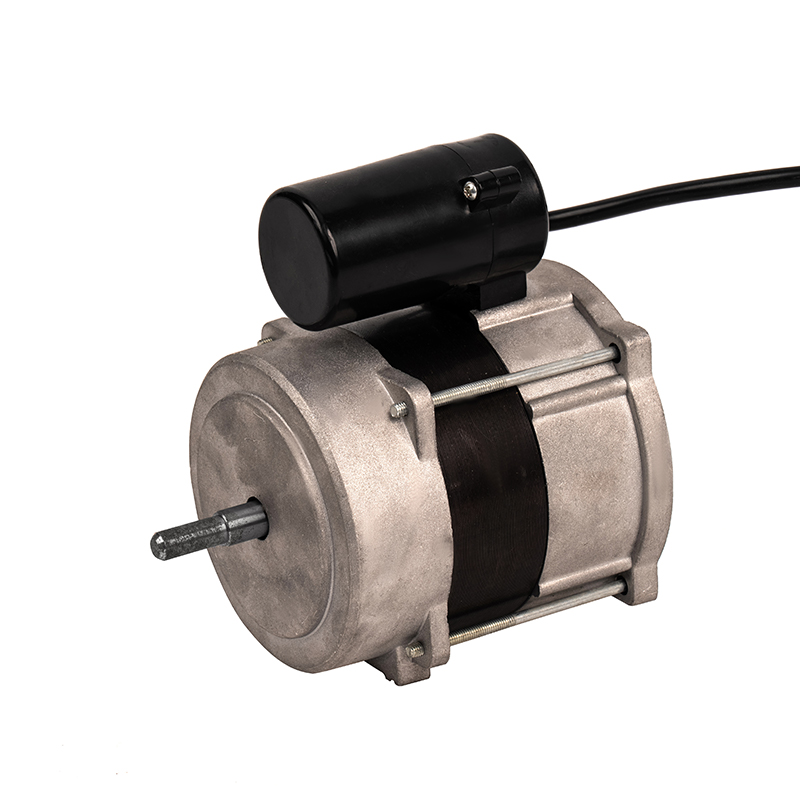
Some users also compare heating applications with an ac dc universal motor. While an ac dc universal motor can operate on either AC or DC power supplies and offers high rotational speeds, it is generally not the preferred choice for most heating ventilation systems.
An ac dc universal motor typically delivers excellent power density but often experiences higher brush wear, increased maintenance requirements, and reduced efficiency during continuous operation. Heating AC Motors generally provide superior long-term energy performance in stationary heating equipment where reliability and efficiency are priorities.
In applications requiring sustained airflow over many hours, the efficiency advantage often favors a Heating AC Motor rather than an ac dc universal motor.
Long-Term Cost Implications
The purchase price of a motor represents only a fraction of its lifetime cost. Electricity expenses often account for more than 90% of the total ownership cost over several years.
- Lower electricity bills
- Reduced heat generation
- Potentially longer component life
- Less stress on heating system components
- Improved overall system efficiency
For systems operating more than 3,000 hours annually, energy savings can often outweigh the higher upfront investment of a more efficient motor.
The primary difference in energy consumption between a Heating AC Motor and a typical single-phase AC motor is efficiency. Heating AC Motors are commonly optimized for continuous heating and airflow applications, enabling them to convert a greater percentage of electrical energy into useful mechanical output. In many practical installations, this can reduce energy consumption by 10% to 30%.
When evaluating operating costs, users should consider efficiency ratings, load conditions, annual operating hours, and maintenance requirements. Although traditional single-phase AC motors remain suitable for many applications, a properly selected Heating AC Motor often delivers lower energy consumption, reduced operating costs, and better long-term value. The comparison becomes even more favorable when evaluating continuous-duty heating systems against alternatives such as an ac dc universal motor.
 ++86 13524608688