

 English
 عربى
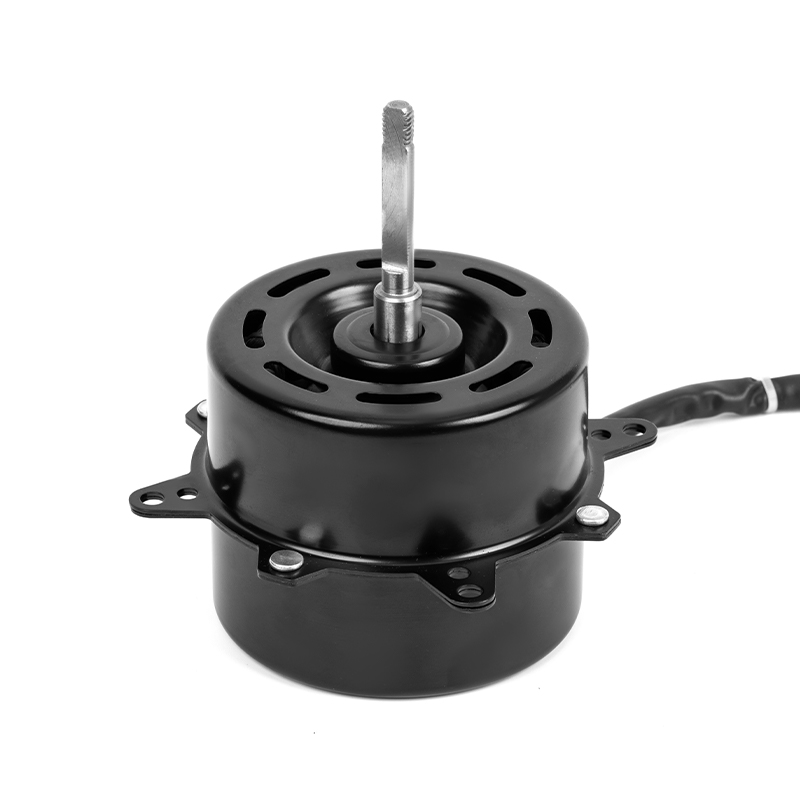
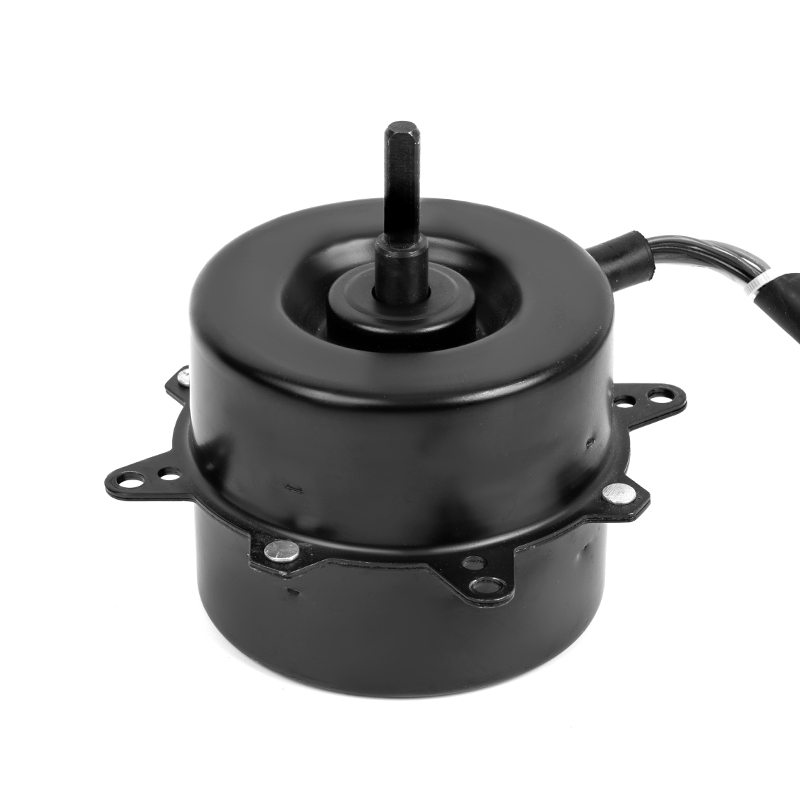
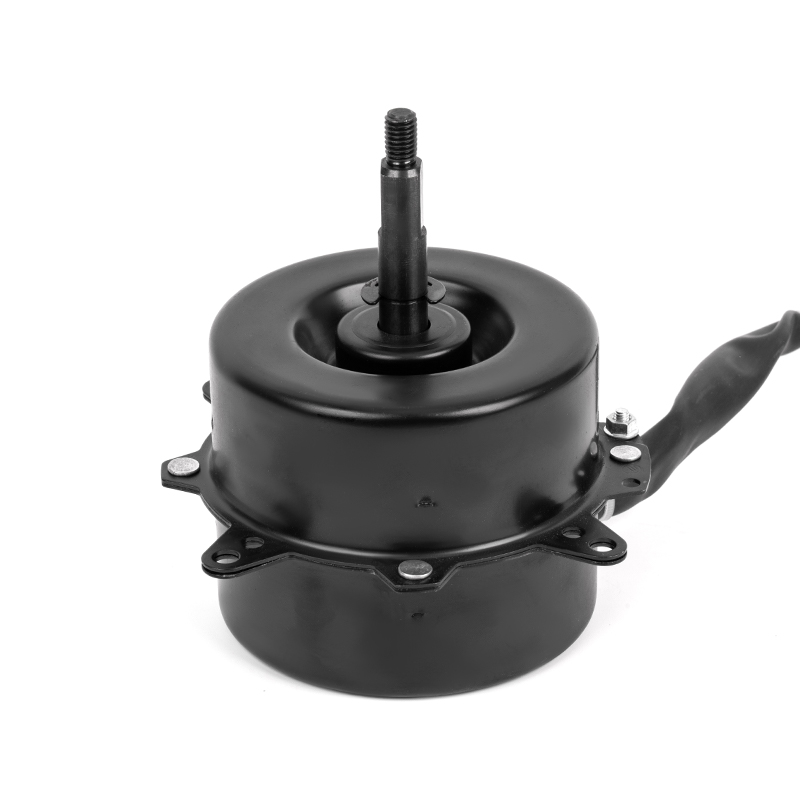
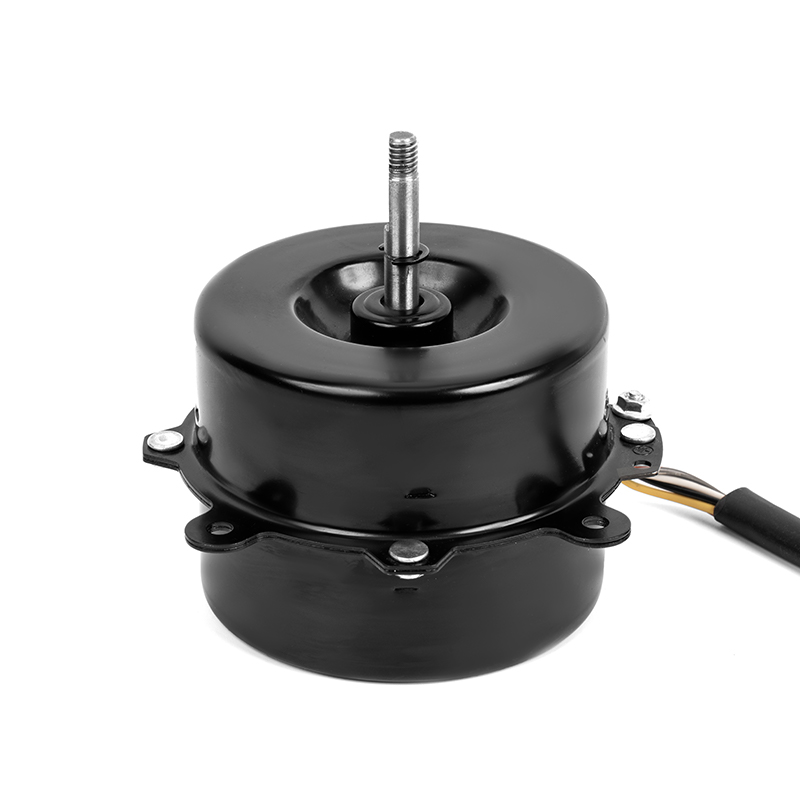
عربىThe modern Air Cooler Motor can be highly resistant to dust and debris when it is designed with proper sealing, durable bearings, and effective airflow management. However, no motor is completely immune to contamination. Dust accumulation can reduce cooling efficiency, increase operating temperatures, create imbalance in rotating components, and shorten service life if maintenance is neglected.
For most residential and commercial cooling applications, a well-designed motor can continue operating reliably even in dusty environments. The actual resistance level depends on factors such as enclosure design, bearing protection, motor location, operating conditions, and cleaning frequency. In the case of an evaporative air cooler motor, resistance to dust and debris is especially important because the motor often operates in environments where airborne particles, moisture, and outdoor contaminants are present simultaneously.
Understanding how dust affects motor performance helps users make informed purchasing decisions and maintain reliable cooling performance over the long term.
Why Dust and Debris Matter for an Air Cooler Motor
Dust may appear harmless, but over time it can become one of the most significant factors affecting motor reliability. Air coolers continuously move large volumes of air, which means the motor and fan assembly are constantly exposed to airborne contaminants.
When dust enters critical motor components, several issues can occur:
- Reduced heat dissipation from motor surfaces.
- Increased friction in bearings.
- Blockage of ventilation openings.
- Higher operating temperatures.
- Greater energy consumption.
- Premature component wear.
Studies of electric motor reliability commonly show that elevated operating temperature is one of the primary causes of insulation degradation. Even a temperature increase of 10°C can significantly reduce insulation life. Therefore, preventing dust buildup directly contributes to motor longevity.
Key Features That Improve Dust Resistance
Not all motors offer the same level of protection. Several engineering features can significantly improve resistance to dust and debris.
Protected Bearings
Sealed or shielded bearings prevent fine particles from entering the bearing assembly. Since bearings are among the most heavily stressed components in an Air Cooler Motor, effective protection can substantially increase operational life.
Motor Enclosure Design
A well-designed enclosure reduces the amount of dust that can enter internal components. Motors with enclosed construction generally provide better protection than fully open designs, particularly in industrial or outdoor environments.
Quality Cooling Paths
Efficient airflow channels help prevent debris accumulation while maintaining proper cooling. This is especially important for an evaporative air cooler motor, where airflow is critical to both cooling performance and motor temperature control.
Corrosion-Resistant Materials
Dust often contains moisture-retaining particles. Corrosion-resistant housings, shafts, and fasteners help maintain durability when dust combines with humidity or water exposure.
How Different Environments Affect Dust Exposure
The level of dust resistance required depends largely on where the Air Cooler Motor is installed.
| Environment | Dust Level | Maintenance Requirement |
|---|---|---|
| Indoor Home Use | Low | Every 6-12 Months |
| Commercial Areas | Moderate | Every 3-6 Months |
| Workshops | High | Monthly Inspection |
| Outdoor Installations | High | Monthly Inspection |
Users operating air coolers in dusty workshops or outdoor locations should prioritize motors with enhanced sealing and robust protective features.
Comparison of Well-Protected and Poorly Protected Motors
Dust resistance can vary significantly between motor designs. The following comparison highlights the practical differences users may experience.
| Feature | Enhanced Protection | Basic Protection |
|---|---|---|
| Bearing Life | Longer | Shorter |
| Cleaning Frequency | Lower | Higher |
| Heat Resistance | Better | Lower |
| Long-Term Reliability | Higher | Lower |
Although higher-protection motors may have a slightly higher initial cost, they often reduce maintenance expenses and downtime over the product's lifespan.
How Dust Affects an Evaporative Air Cooler Motor
An evaporative air cooler motor faces unique operating conditions. Unlike many indoor-only cooling systems, evaporative coolers frequently draw large quantities of outdoor air through wet cooling media. This process can introduce dust, pollen, sand, and other particles into the system.
The combination of moisture and dust creates additional challenges. Fine particles can stick to motor surfaces, forming insulating layers that reduce heat transfer efficiency. Over time, this can lead to higher operating temperatures and greater wear on internal components.
A high-quality evaporative air cooler motor is typically engineered to address these challenges through optimized airflow paths, corrosion-resistant materials, and improved bearing protection. These design features help maintain stable performance even when environmental conditions are less than ideal.
Signs That Dust Is Affecting Motor Performance
Users should monitor their Air Cooler Motor for warning signs that indicate excessive dust accumulation.
- Unusual operating noise.
- Reduced airflow.
- Increased energy consumption.
- Higher motor temperature.
- Frequent shutdowns or overheating.
- Visible dust buildup around ventilation areas.
Addressing these symptoms early can prevent more costly repairs and extend motor service life.
Best Practices for Maintaining Dust Resistance
Even the most dust-resistant motor requires proper maintenance. Following a preventive maintenance schedule can significantly improve reliability.
- Inspect ventilation openings regularly.
- Remove visible dust using appropriate cleaning methods.
- Check bearings for abnormal noise.
- Monitor operating temperature.
- Keep surrounding areas as clean as possible.
- Inspect fan assemblies for debris accumulation.
Regular maintenance can improve efficiency, reduce energy consumption, and help an Air Cooler Motor maintain consistent performance over many years of operation.
An Air Cooler Motor can be highly resistant to dust and debris when equipped with quality bearings, effective enclosure protection, and proper cooling design. While dust exposure is unavoidable in most operating environments, especially for an evaporative air cooler motor, modern engineering solutions can significantly reduce the impact of contaminants.
For users seeking long-term reliability, the most important factors are selecting a motor with strong protective features and maintaining it regularly. A combination of thoughtful design and routine cleaning can help preserve efficiency, minimize wear, and maximize the lifespan of the Air Cooler Motor, even in challenging dusty conditions.
 ++86 13524608688