

 English
 عربى
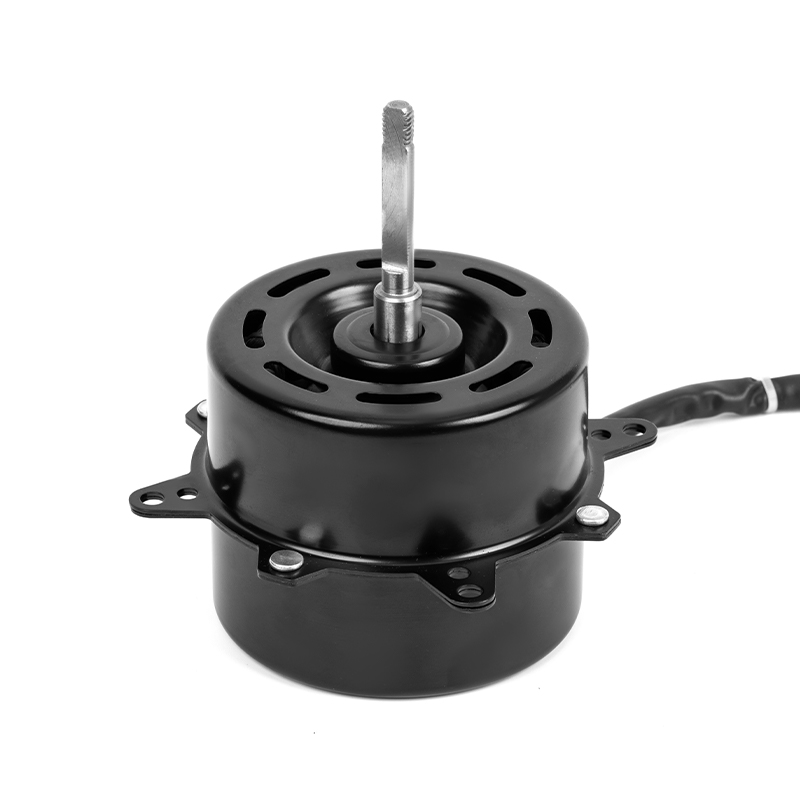
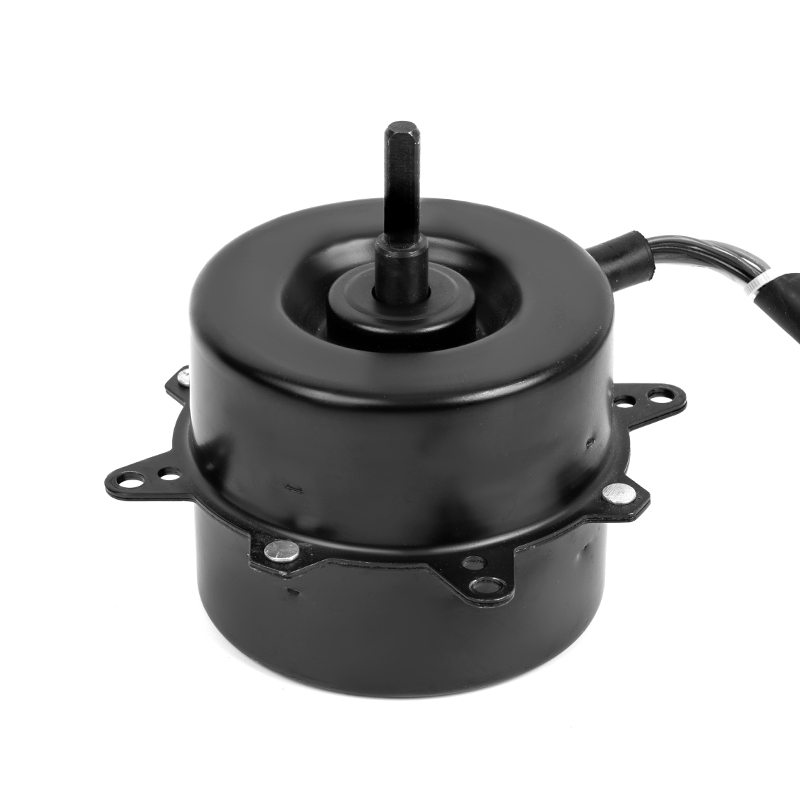
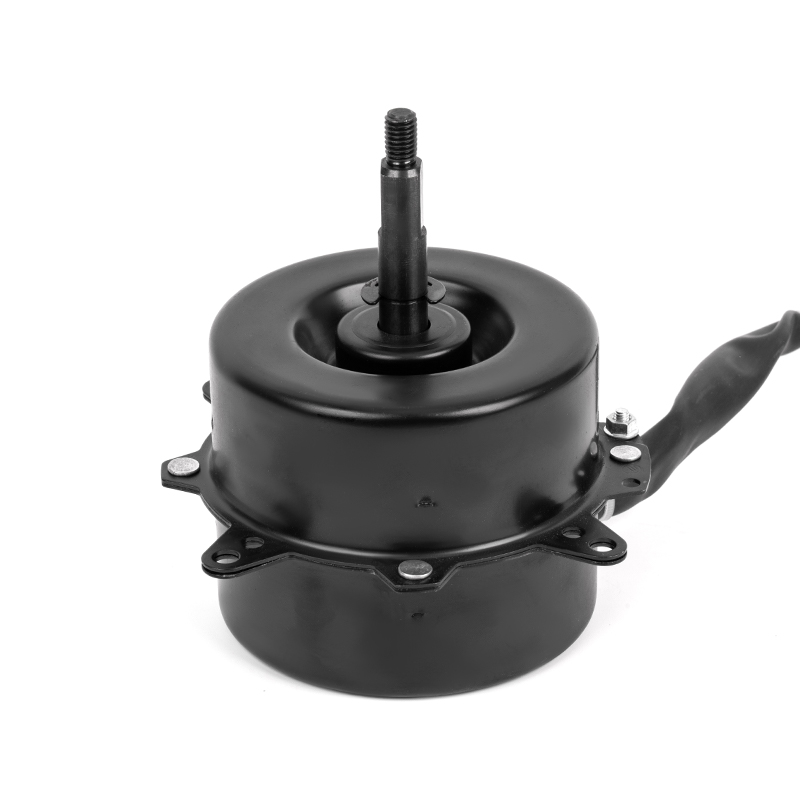
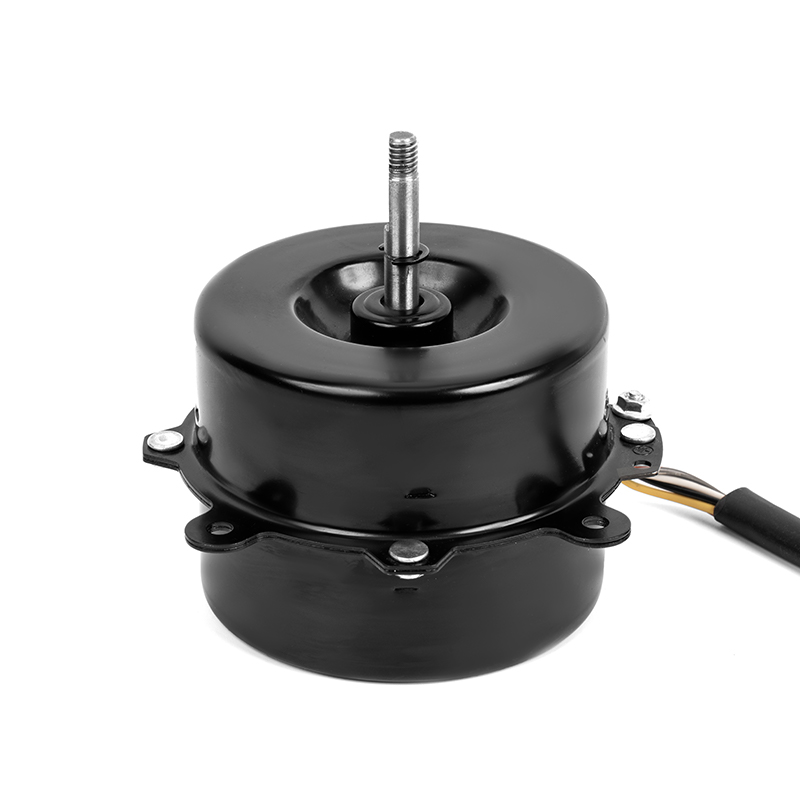
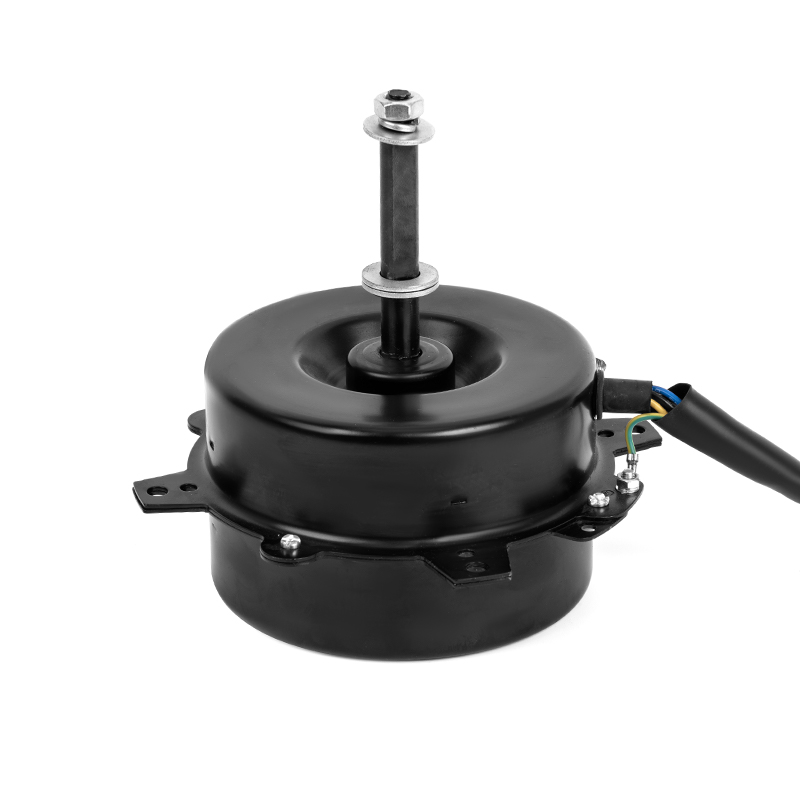
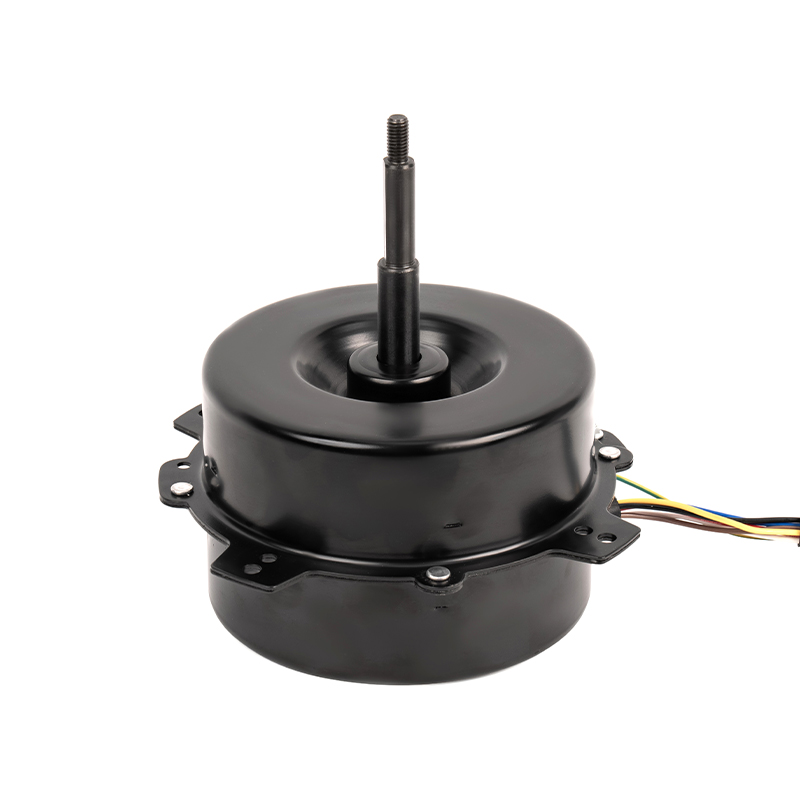
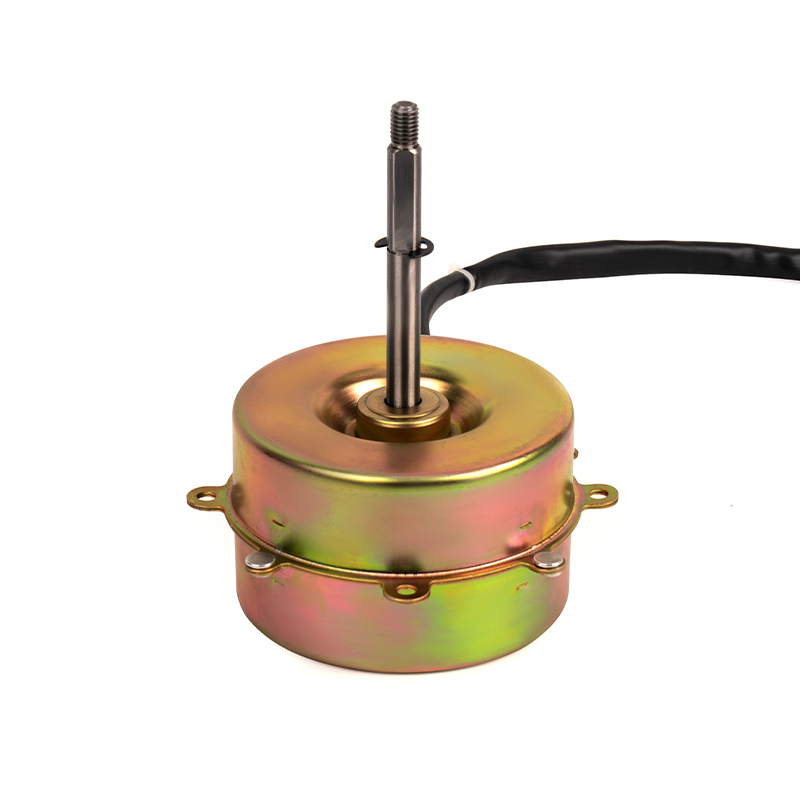
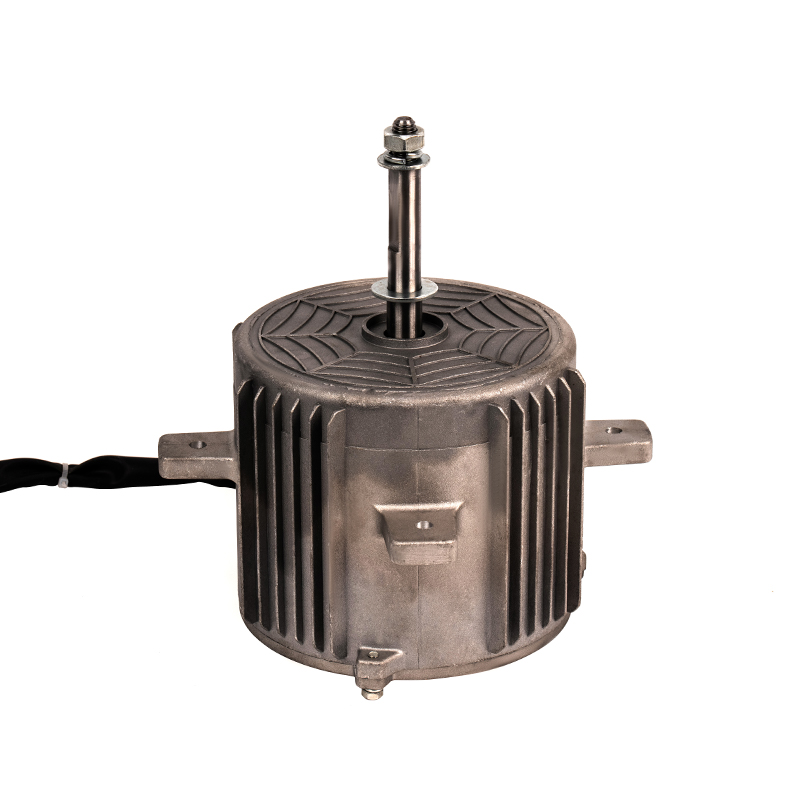
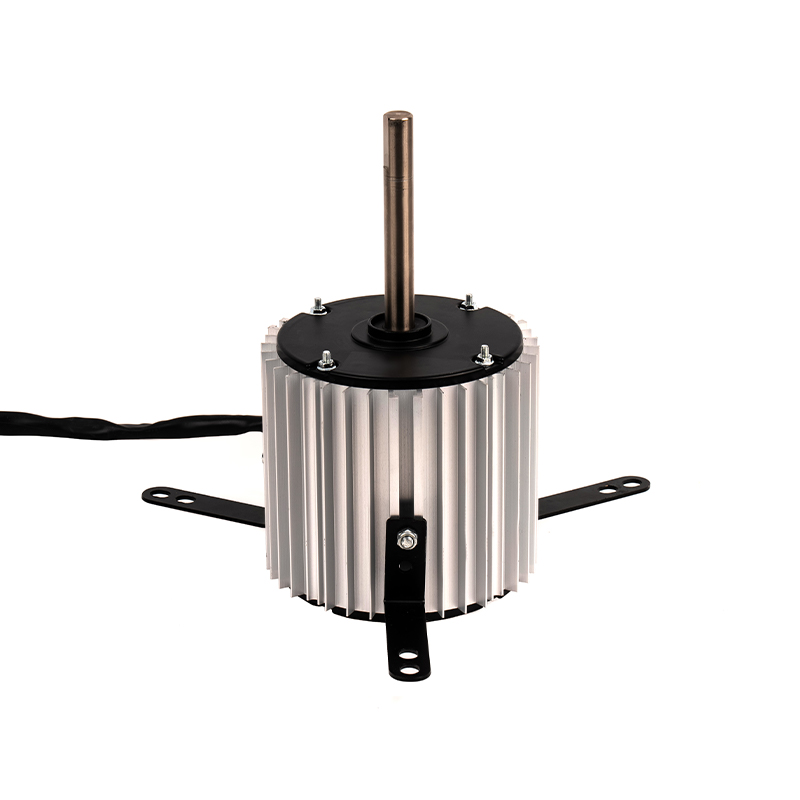
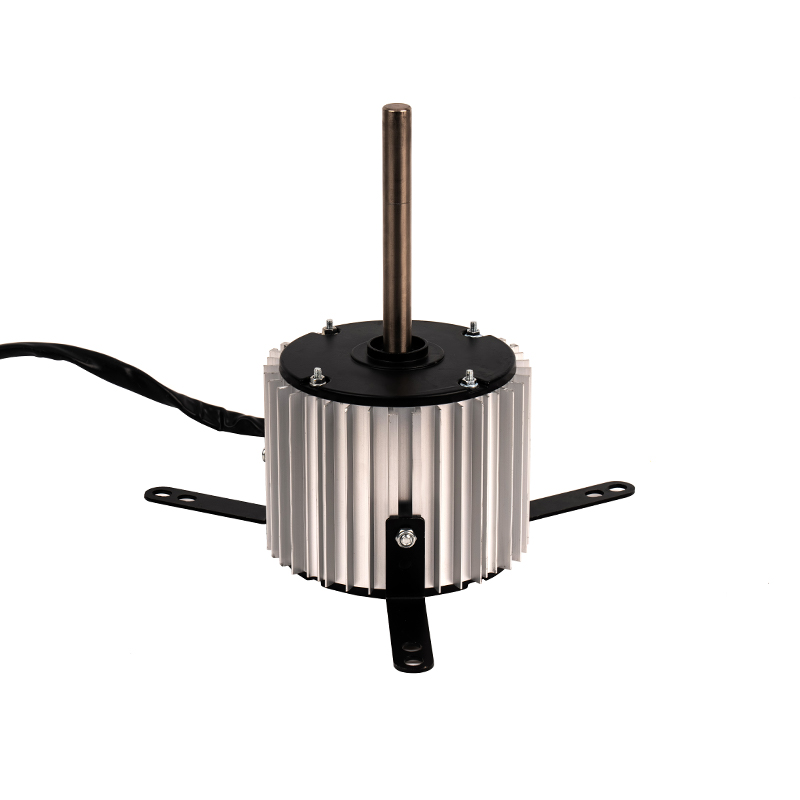
عربىWhen evaluating motor options for cooling applications, startup torque is one of the most critical performance parameters to compare. The Small Cold Air AC Motor generally produces lower startup torque than a split-phase induction motor of the same wattage — typically ranging from 30% to 60% of rated torque at startup, compared to the split-phase motor's 150% to 200% of rated torque. However, for fan and blower applications where load resistance is low at startup, the Small Cold Air AC Motor's torque profile is entirely sufficient and offers distinct operational advantages. Understanding why requires a closer look at motor design, winding configuration, and real-world application demands.
How Startup Torque Is Generated in Each Motor Type
The fundamental difference in startup torque between the Small Cold Air AC Motor and a split-phase induction motor comes down to how each motor creates its rotating magnetic field at the moment of power-on.
Small Cold Air AC Motor Startup Mechanism
The Small Cold Air AC Motor typically uses a shaded pole or capacitor-assisted design optimized for continuous, low-resistance airflow loads. Its startup current is relatively low — commonly 1.2x to 1.8x the rated running current — and the phase shift it creates between windings produces modest startup torque. This is by design: cold air fan loads do not require high breakaway torque because the fan blades present minimal mechanical resistance when stationary.
Split-Phase Induction Motor Startup Mechanism
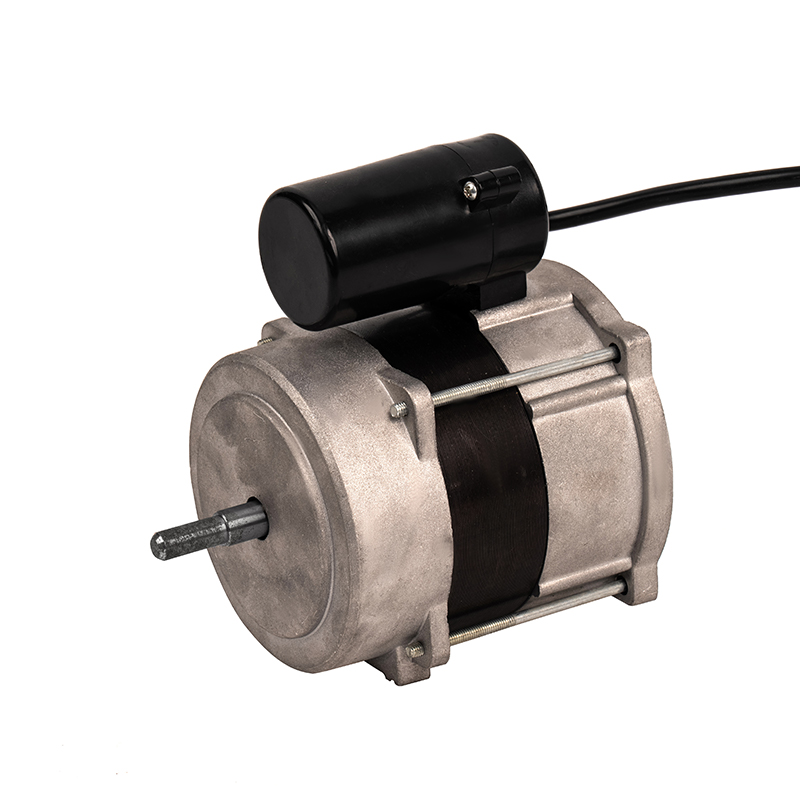
A split-phase induction motor uses two separate windings — a main winding and an auxiliary start winding with a higher resistance-to-reactance ratio — to generate a meaningful phase displacement at startup. This produces startup torque of 150% to 200% of full-load torque, with inrush current reaching 6x to 8x the rated running current. Once the motor reaches approximately 75% of synchronous speed, a centrifugal switch disconnects the start winding. This design suits compressors, pumps, and loaded conveyors where high breakaway torque is essential.
Startup Torque Comparison: Key Data Table
| Parameter | Small Cold Air AC Motor | Split-Phase Induction Motor |
|---|---|---|
| Startup Torque (% of rated) | 30% – 60% | 150% – 200% |
| Inrush Current (x rated) | 1.2x – 1.8x | 6x – 8x |
| Typical Wattage Range | 10W – 120W | 60W – 750W+ |
| Start Winding Disconnect | Not required | Centrifugal switch at ~75% speed |
| Circuit Breaker Impact | Minimal | Significant — requires oversized breaker |
| Suitable Load Type | Fan, blower, light cooling loads | Compressor, pump, conveyor |
| Noise at Startup | Low | Moderate to High (switch click) |
Why Lower Startup Torque Is Acceptable for Cold Air Applications
A common misconception is that higher startup torque always indicates a superior motor. In reality, torque requirements are entirely application-dependent. The Small Cold Air AC Motor is engineered for fan blade and cross-flow blower loads, where the rotating resistance at zero speed is minimal. Consider the following:
- A 100mm cold air fan blade at rest requires only approximately 2–5 mN·m of breakaway torque — well within the Small Cold Air AC Motor's startup capability.
- A refrigeration compressor, by contrast, may require 3 to 5 N·m of startup torque, making a split-phase motor's high startup torque essential.
- The low inrush current of the Small Cold Air AC Motor means it can be started and stopped repeatedly without tripping protection devices — ideal for thermostat-controlled systems.
- Because no centrifugal switch is involved, the Small Cold Air AC Motor has fewer mechanical failure points, contributing to longer operational lifespan in continuous-duty environments.
Thermal and Electrical Stress During Startup
One of the most practical reasons to select the Small Cold Air AC Motor over a split-phase induction motor in cooling systems is the dramatically reduced electrical stress during startup. The split-phase motor's inrush current of 6x to 8x rated load creates measurable voltage sag on shared circuits, generates heat in winding insulation, and accelerates capacitor aging in nearby components.
The Small Cold Air AC Motor, with its controlled 1.2x to 1.8x inrush ratio, allows multiple units to be started simultaneously on the same circuit without triggering breakers — a key advantage in multi-zone air handling systems or small appliance arrays where several motors operate in parallel.
Additionally, lower inrush current means less electromagnetic interference (EMI) generated at the moment of startup, which is increasingly important in environments with sensitive electronics or control boards.
Comparing Startup Torque to Other Motor Technologies
To fully appreciate where the Small Cold Air AC Motor fits within the broader motor landscape, it is useful to understand alternative technologies that are increasingly present in modern cooling equipment. Engineers and procurement professionals often ask what is a brushless dc motor when evaluating replacements for traditional AC fan motors. A brushless DC motor (BLDC) eliminates the carbon brushes found in older DC designs, using electronic commutation instead — resulting in higher efficiency, lower heat generation, and precise speed control.
Those who ask what is a bldc motor are typically looking for a long-service, low-maintenance solution for high-cycle applications. A BLDC motor can deliver controlled startup torque electronically, making it adaptable to both light fan loads and moderate-resistance loads without the mechanical wear associated with centrifugal switches or brushes. However, BLDC motors require a dedicated electronic controller, increasing system cost and complexity compared to the plug-and-run simplicity of the Small Cold Air AC Motor.
In compact embedded cooling systems and portable appliances, the 12v brushless dc motor variant has gained popularity due to its compatibility with low-voltage DC power supplies and USB-based power systems. While a 12v brushless dc motor offers excellent efficiency at low wattages, it requires voltage conversion when used in standard AC-powered appliances — an added layer of cost and design complexity that the Small Cold Air AC Motor avoids entirely through direct AC operation.
- Small Cold Air AC Motor: Direct AC operation, no controller needed, low inrush, ideal for fixed-speed fan loads.
- Split-Phase Induction Motor: High startup torque, suited for heavy-start loads, higher inrush current, centrifugal switch wear over time.
- BLDC / 12V Brushless DC Motor: Electronic speed control, high efficiency, requires driver circuit, best for variable-speed or battery-powered systems.
Practical Selection Guidance: When to Choose the Small Cold Air AC Motor
Based on the torque, electrical, and thermal data presented above, the following scenarios favor the Small Cold Air AC Motor over a split-phase induction motor:
- Fixed-speed fan and blower applications where load at startup is inherently low and constant-speed operation is required.
- Frequent start-stop cycles controlled by thermostats or timers, where high inrush current would stress the electrical circuit repeatedly.
- Compact enclosures where the smaller physical footprint of the Small Cold Air AC Motor reduces space constraints and simplifies mounting.
- Shared electrical circuits with multiple motor units, where low inrush current prevents nuisance tripping of breakers.
- Noise-sensitive environments, since the absence of a centrifugal switch eliminates the audible click during startup that split-phase motors produce.
If the application requires driving a compressor, a loaded pump, or any mechanical system with significant static friction at rest, the split-phase induction motor's high startup torque becomes necessary and the Small Cold Air AC Motor would be an inappropriate choice.
The Small Cold Air AC Motor delivers startup torque in the range of 30% to 60% of rated torque — significantly lower than the 150% to 200% produced by a split-phase induction motor of equivalent wattage. However, this is not a deficiency; it is a deliberate engineering characteristic matched precisely to the low-resistance, light-load nature of cooling fan applications. The Small Cold Air AC Motor's advantages — minimal inrush current, no centrifugal switch, quiet startup, and multi-unit circuit compatibility — make it the technically superior choice for its intended use case. For heavy-start mechanical loads, the split-phase motor remains appropriate. For clean, efficient, reliable cold air circulation, the Small Cold Air AC Motor is the purpose-built solution.
 ++86 13524608688