

 English
 عربى
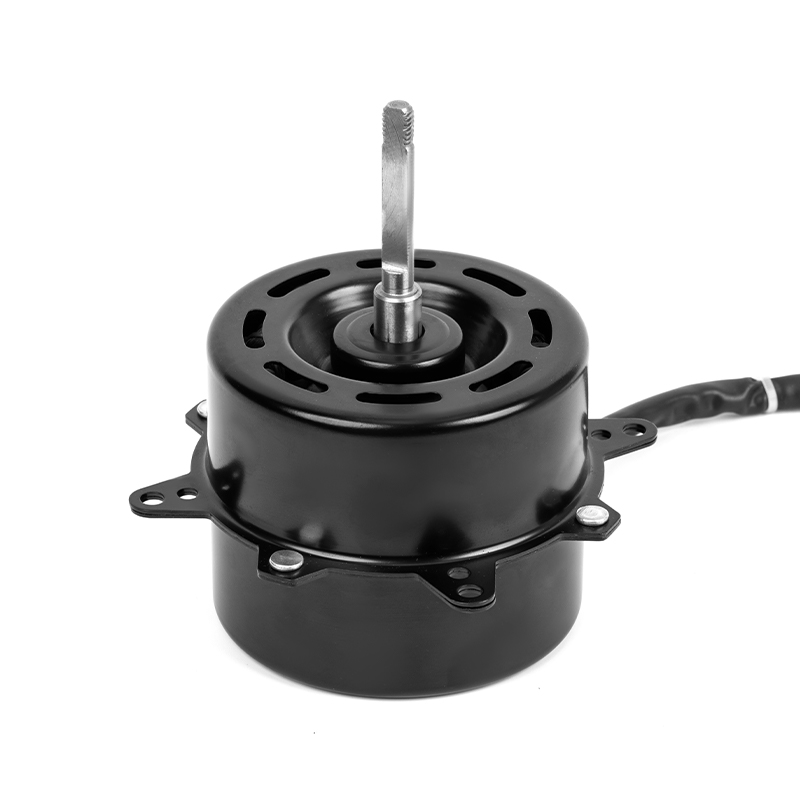
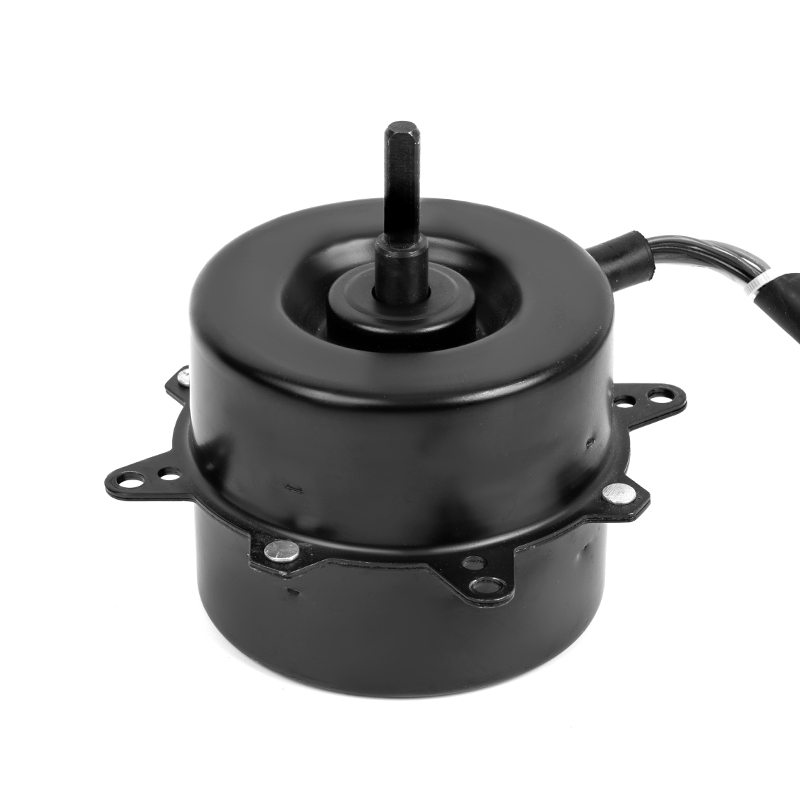
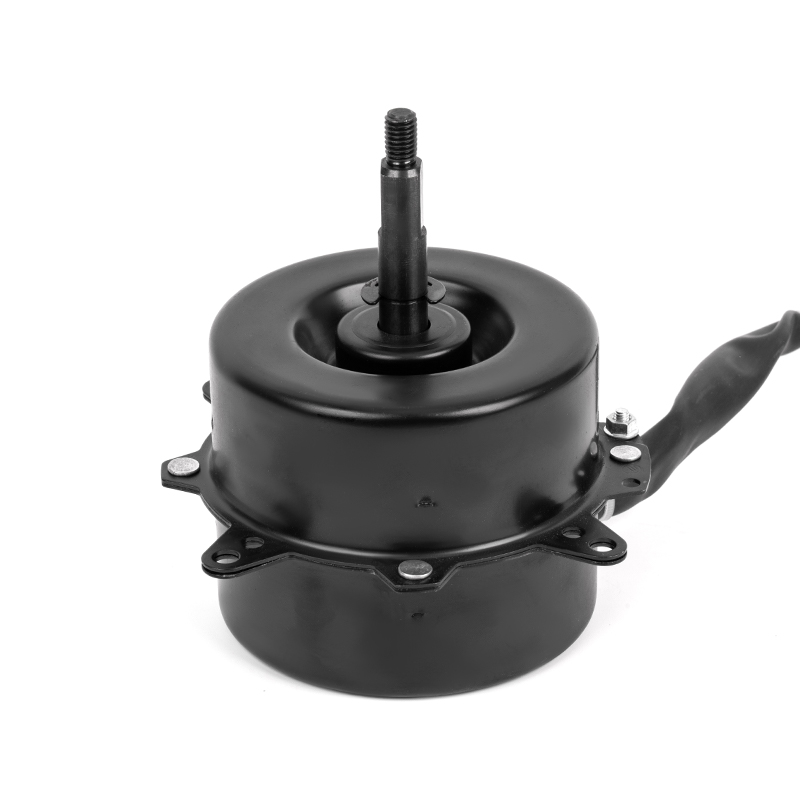
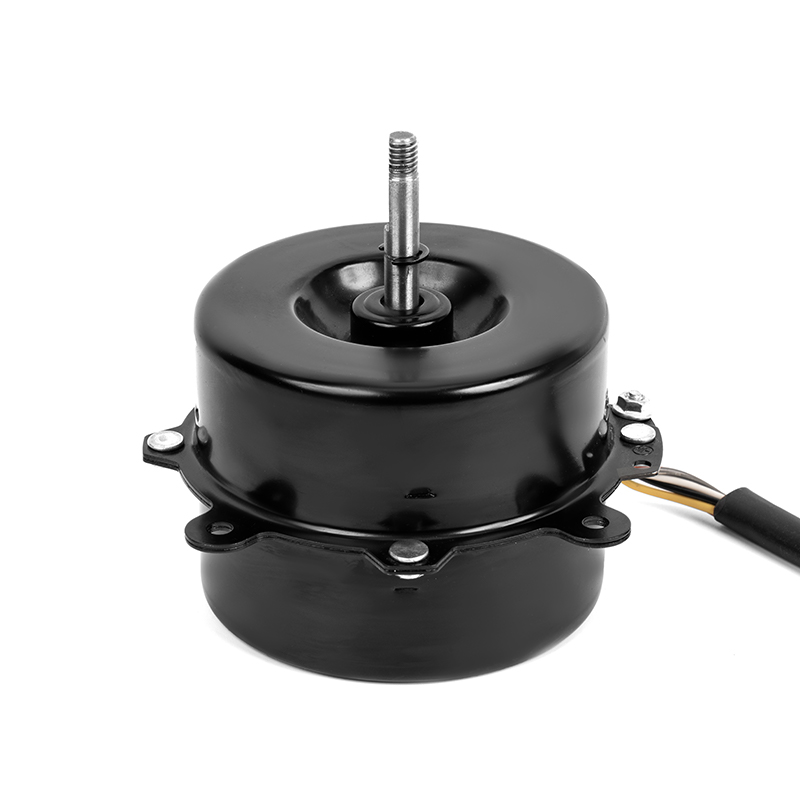
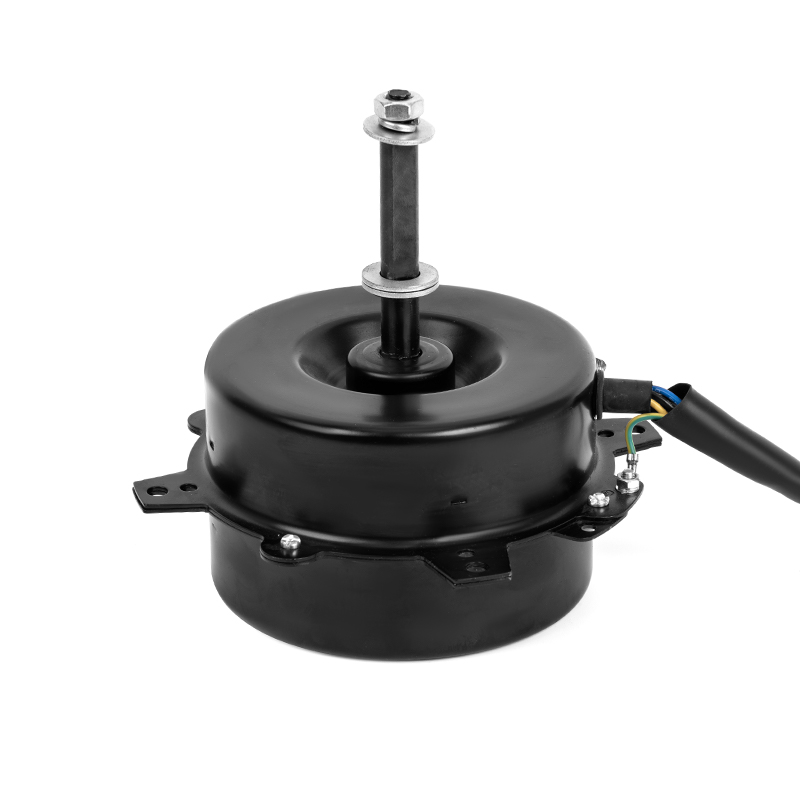
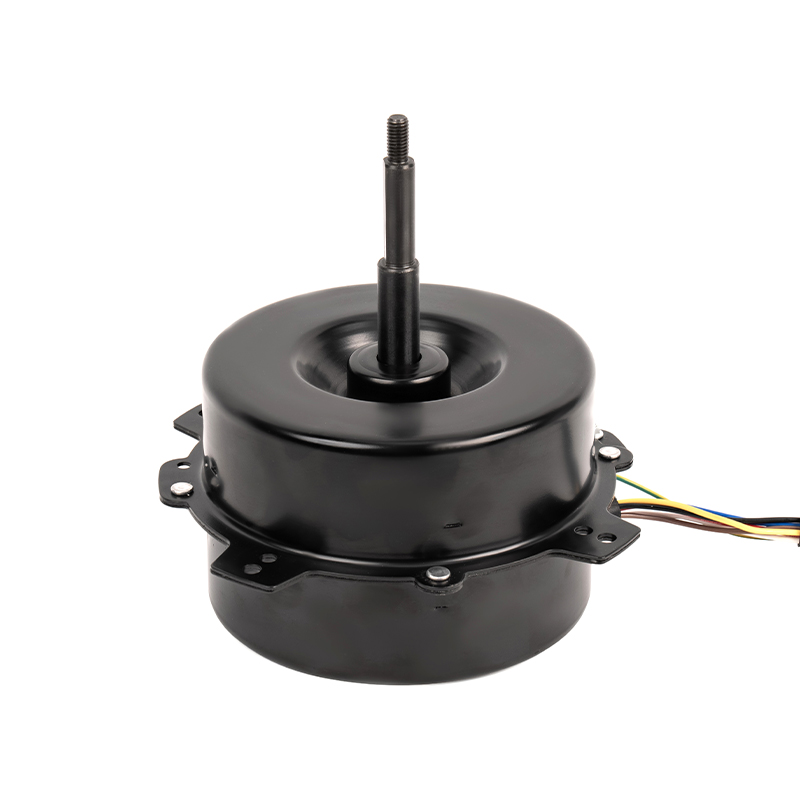
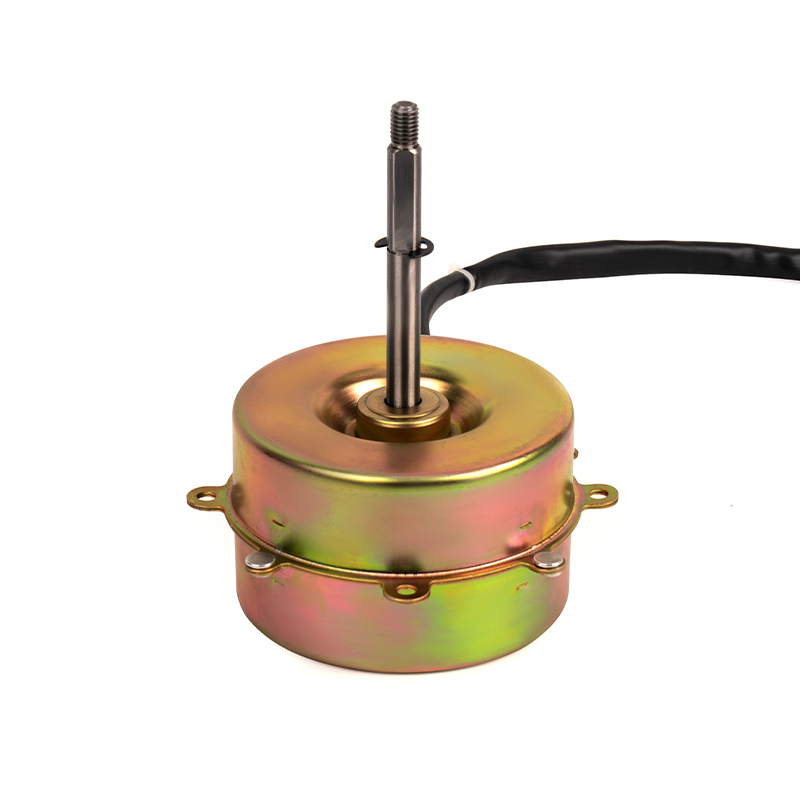
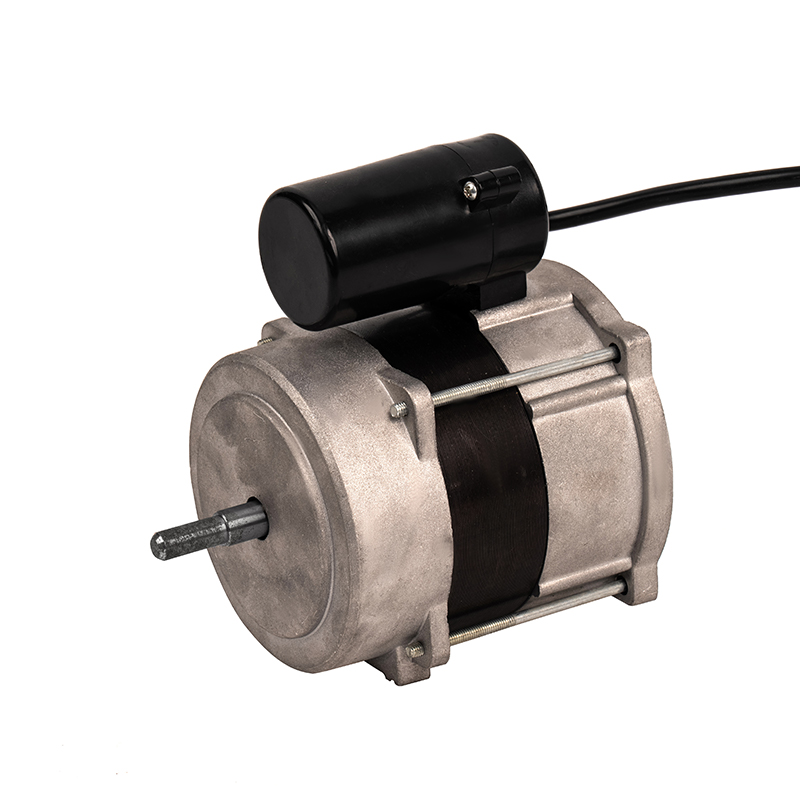
عربىThe key advantage of an Air cooler DC motor over a fixed-frequency AC motor air cooler is its ability to deliver precise, energy-efficient, and continuously variable speed control. Unlike fixed-frequency AC motors that operate at limited preset speeds, DC motors adjust dynamically to cooling demand, reducing power consumption by up to 30–60% in typical residential use cases while maintaining stable airflow and lower noise levels.
In practical terms, this means better comfort, lower electricity bills, and smoother performance—especially in environments where cooling demand changes frequently throughout the day.
How Variable-Speed Control Differs Between DC and Fixed-Frequency AC Motors
A fixed-frequency AC motor air cooler operates at a constant frequency (typically 50/60 Hz), which limits it to predefined speed steps such as low, medium, and high. In contrast, an Air cooler DC motor uses electronic commutation to adjust rotational speed seamlessly.
This difference allows DC motors to maintain optimal performance across a wide range of conditions. For example, when room temperature is slightly above the comfort zone, the motor may run at only 35–45% of full speed, consuming significantly less power than an AC motor locked at its lowest preset level.
- DC motors provide continuous speed variation from ~10% to 100% load
- AC motors typically offer only 3–5 fixed speed settings
- DC control reduces mechanical stress during transitions
Energy Efficiency and Real-World Power Savings
One of the most significant benefits of an Air cooler DC motor is energy efficiency. In real-world tests, DC motor-based air coolers typically consume between 30W and 80W depending on speed, while fixed-frequency AC motor air coolers often consume 60W to 150W under similar airflow conditions.
This efficiency comes from the ability of DC systems to avoid unnecessary full-power operation. Instead of cycling between fixed speeds, the motor adjusts gradually, eliminating energy spikes.
Over a 10-hour daily usage cycle, this difference can translate into approximately 15–25 kWh monthly savings, depending on usage patterns and ambient temperature.
Noise Reduction and Comfort Stability
Air coolers equipped with an Air cooler DC motor are generally quieter because they avoid sudden speed shifts and mechanical vibrations common in AC motors switching between fixed levels.
Noise levels can drop to as low as 35–45 dB in low-speed operation, making them suitable for bedrooms and study environments.
In contrast, fixed-frequency AC motor air coolers often generate more noticeable acoustic fluctuations due to stepwise speed changes and electromagnetic hum.
Durability, Heat Management, and Mechanical Stress
DC motors typically generate less heat during operation, improving overall system lifespan. Fixed-frequency AC motors, especially shaded-pole or capacitor-run types, tend to run hotter due to continuous full-frequency excitation.
Lower heat in Air cooler DC motor systems results in reduced wear on bearings and insulation materials, extending operational life by an estimated 20–40% under normal usage conditions.
Compatibility with Low-Voltage and Portable Systems
The rise of portable cooling solutions has increased demand for the 12 volt air cooler motor, which is commonly based on DC technology. These motors are highly compatible with battery systems, solar panels, and off-grid setups.
Fixed-frequency AC motors, on the other hand, require stable alternating current and are less flexible in portable or renewable-energy-based applications.
Use of BLDC Motor Technology in Air Coolers
The modern evolution of Air cooler DC motor systems often involves the use of bldc motor technology. Brushless DC (BLDC) motors eliminate physical brushes, improving efficiency and reducing maintenance requirements.
- Higher efficiency due to reduced friction losses
- Longer lifespan compared to brushed or AC induction motors
- Better speed control accuracy for variable-speed cooling
Advantages of Brushless DC Motor in Cooling Systems
The advantages of brushless dc motor design are particularly relevant in air cooler applications where long operational hours and variable loads are common.
Compared to fixed-frequency AC motors, BLDC-based DC systems offer:
- Higher efficiency (typically 85–90% vs 60–75% for AC motors)
- Reduced maintenance due to absence of brushes
- Improved thermal stability under continuous operation
Comparative Performance Overview
| Feature | Air Cooler DC Motor | Fixed-Frequency AC Motor |
|---|---|---|
| Speed Control | Continuous (10–100%) | Discrete steps |
| Energy Use | Lower (30–80W) | Higher (60–150W) |
| Noise Level | Low (35–45 dB) | Moderate to high |
| Maintenance | Low | Moderate |
The Air cooler DC motor clearly outperforms fixed-frequency AC motors in variable-speed operation due to superior efficiency, smoother control, reduced noise, and better adaptability to modern energy systems.
With advancements such as the use of bldc motor technology and improvements in low-voltage designs like the 12 volt air cooler motor, DC-based cooling systems represent a more flexible and energy-conscious solution for both residential and portable applications.
 ++86 13524608688