

 English
 عربى
عربىEngineering Insight — Motor Systems
The Quiet Trade-Offs
of Single-Phase Motors
Every motor design is a negotiation between simplicity and performance. Single-phase induction motors win on accessibility — but the compromises they make to start without a rotating field ripple through torque, efficiency, size, and long-term reliability.
The Direct Answer
The core disadvantage of a single phase induction motor compared to a three-phase induction motor is structural: it cannot generate a rotating magnetic field on its own. Every other weakness — reduced starting torque, lower efficiency, added vibration, a hard ceiling on power output — traces back to the auxiliary hardware engineers must add just to make the motor start.
In practical terms, single-phase motors are generally confined to loads under 5 HP (3.7 kW). Full-load efficiency typically runs 5 to 15 percentage points lower than an equivalent three-phase design, and starting torque can be as little as 100–175% of full-load torque, compared with 150–300% for three-phase motors.
A single-phase motor doesn't fail to compete with three-phase power — it never enters the same race. Its rotating field is borrowed, not built in.
Starting Torque & the Auxiliary Winding Problem
A three-phase supply produces a rotating field the instant power is applied, because its three windings sit 120 electrical degrees apart. A single-phase supply cannot do this alone — its field simply pulsates along one axis, leaving the rotor with zero net starting torque at standstill. To compensate, manufacturers add a second winding, a capacitor, or shaded poles to fake a second field just long enough to get moving.
- Split-phase motors — starting torque near 100–175% of full load, but high starting current and a tendency to overheat if start-up is prolonged.
- Capacitor-start motors — stronger starting torque, up to 300–400% of full load, at the cost of a centrifugal switch that is a common point of failure.
- Shaded-pole motors — the simplest and cheapest, but starting torque often falls to just 25–50% of full load, suited only to fans or light-duty pumps.
Three-phase motors need none of this. Their field is inherent to the winding geometry, giving them consistent starting torque without a capacitor, start winding, or switch to eventually wear out.
Efficiency & Power Factor, Side by Side
Because the magnetic field pulsates rather than rotates smoothly, torque generation is uneven across each electrical cycle — and that unevenness, combined with resistive losses in the starting winding, shows up directly in efficiency figures.
| Motor Type | Power | Efficiency | Power Factor |
|---|---|---|---|
| Single-Phase Induction | 1 HP | 60–68% | 0.55–0.75 |
| Three-Phase Induction | 1 HP | 75–82% | 0.80–0.90 |
| Single-Phase Induction | 3 HP | 70–75% | 0.65–0.80 |
| Three-Phase Induction | 3 HP | 85–88% | 0.85–0.92 |
A lower power factor means a single-phase motor draws more reactive current for the same real power delivered — raising line losses, and in commercial settings billed on power factor, raising costs even when the connected load is identical.
Vibration, Noise, and Torque Ripple
A pulsating field produces torque that fluctuates twice per electrical cycle — at 60 Hz, a ripple at 120 Hz that surfaces as audible hum and mechanical vibration. Three-phase motors, with their smoothly rotating field, hold torque essentially flat across the cycle.
Precision equipment — CNC feed drives, robotics, lab instruments — generally avoids single-phase motors, since torque pulsation can introduce measurable positioning error.
A single phase gear motor used in light material-handling equipment often needs a rubber-isolated mount or extra bracing to control vibration transmitted to the driven mechanism.
Why Single-Phase Motors Don't Scale Up
Above roughly 5 HP, the components needed to overcome the field-pulsation problem — larger capacitors, heavier start windings, more robust switches — become disproportionately large, costly, and unreliable relative to the power delivered. Utilities also restrict single-phase service above certain loads, since large single-phase motors cause voltage flicker on residential circuits during starting.
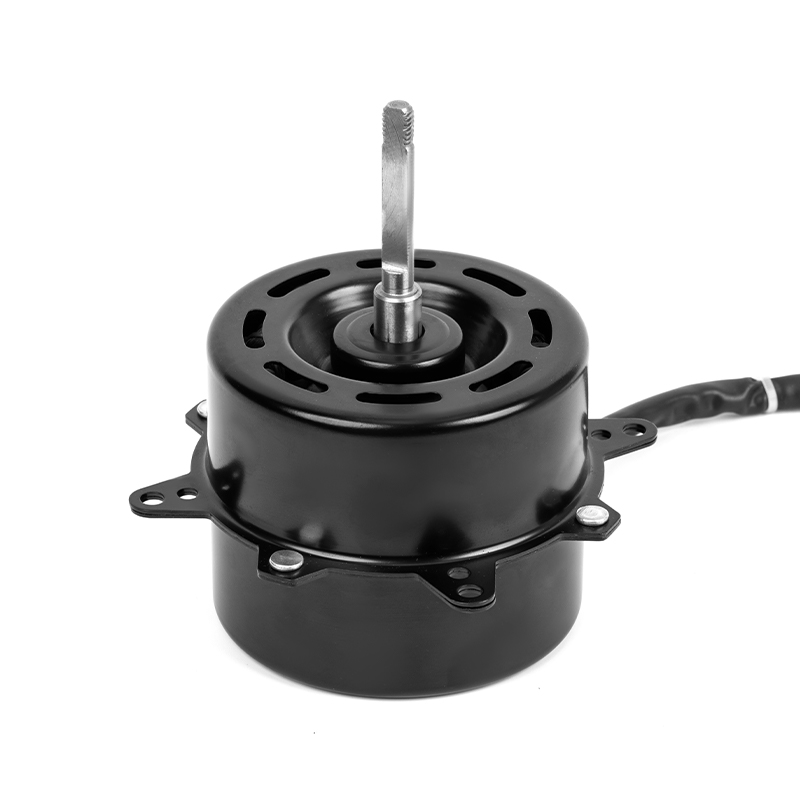
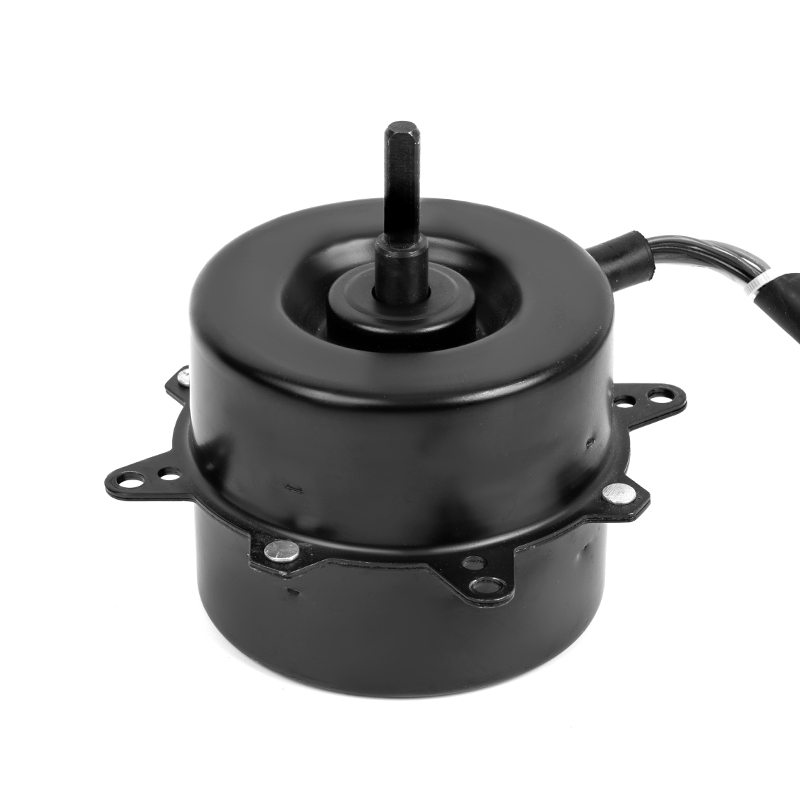
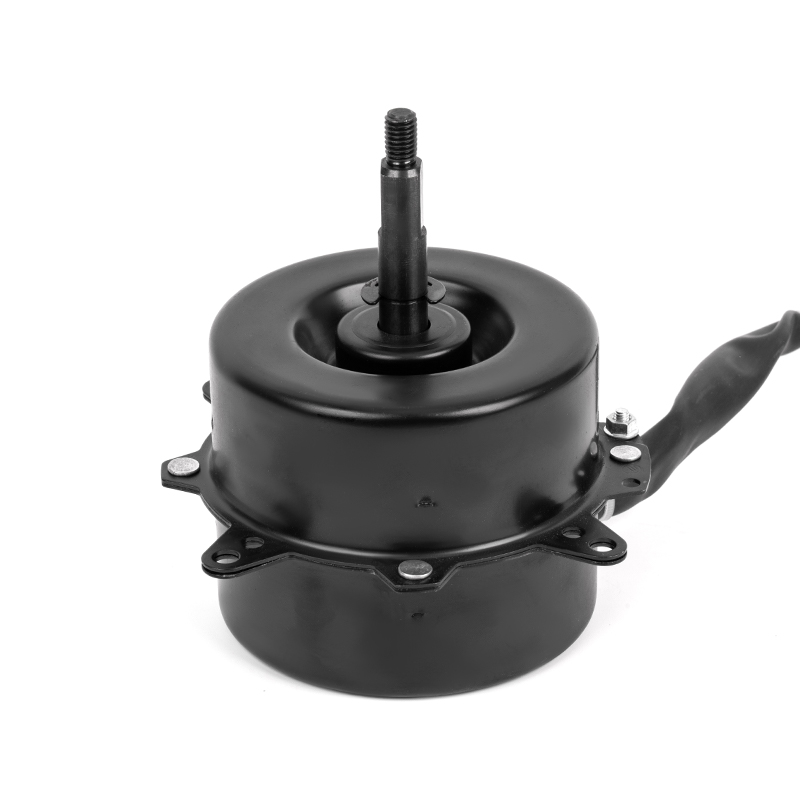
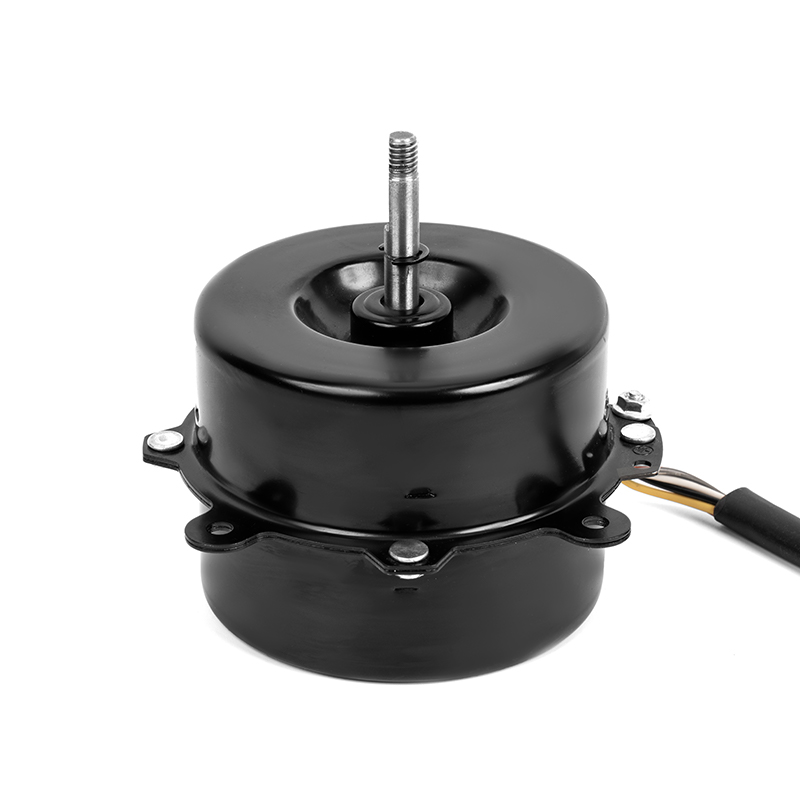
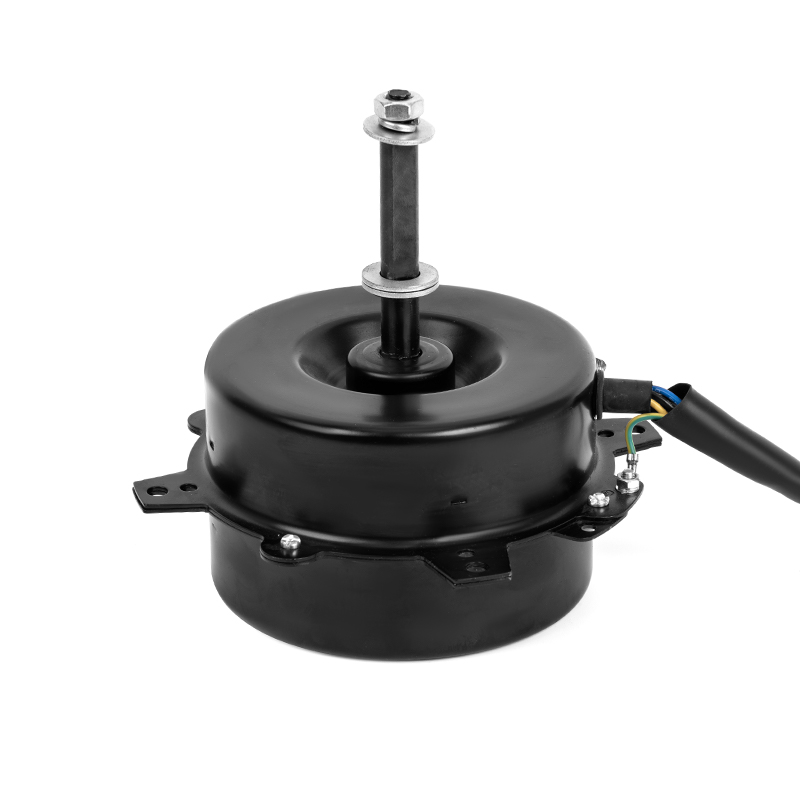
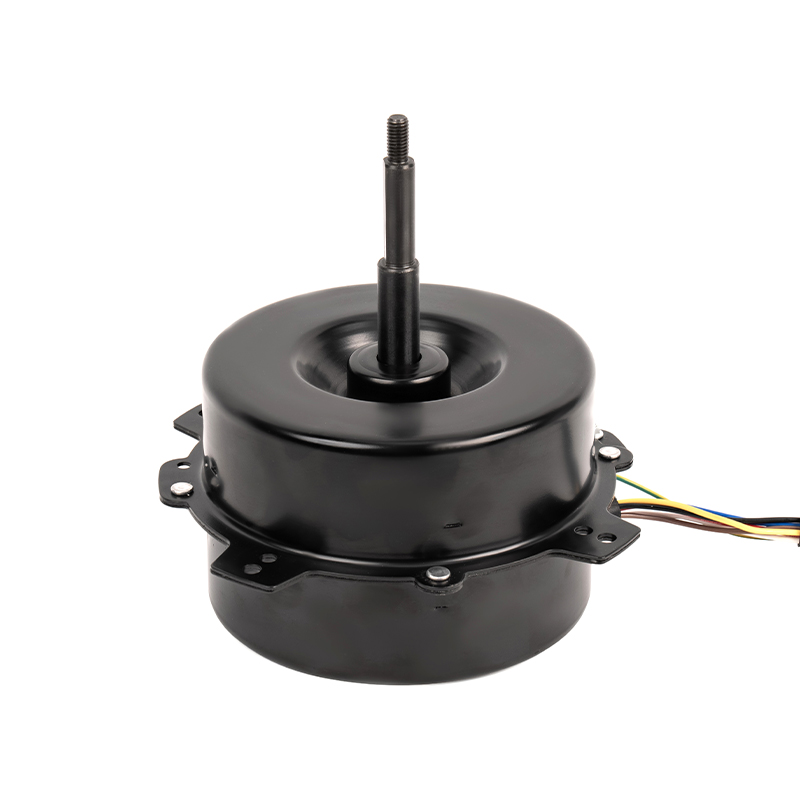
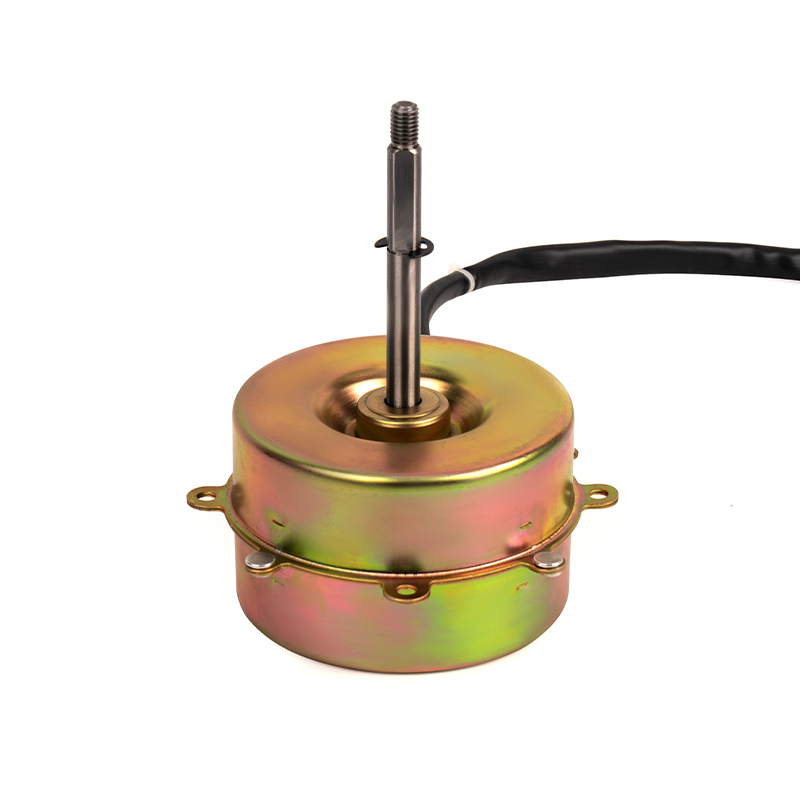
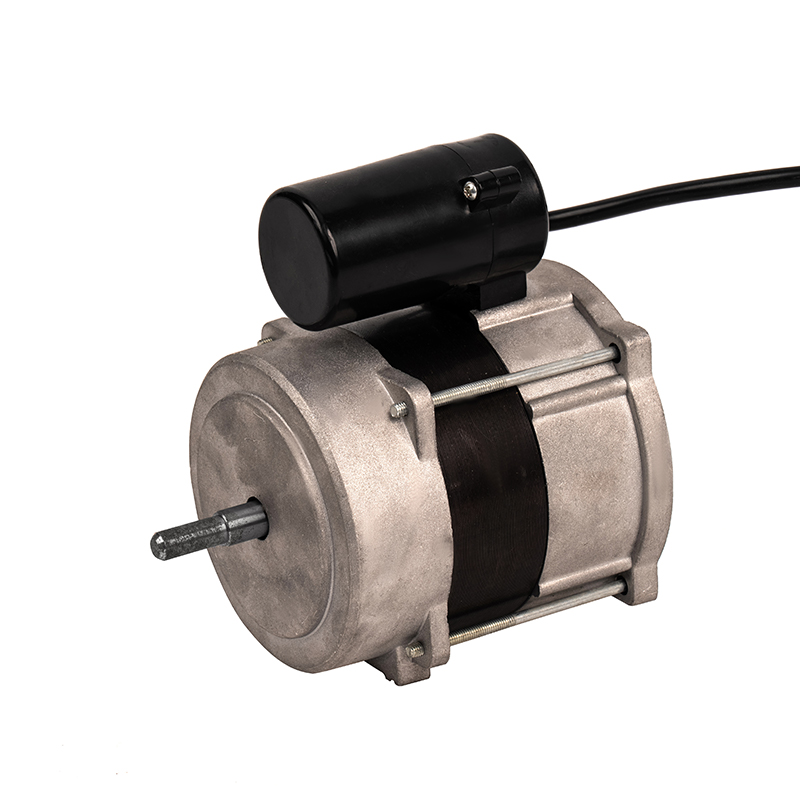
single-phase motor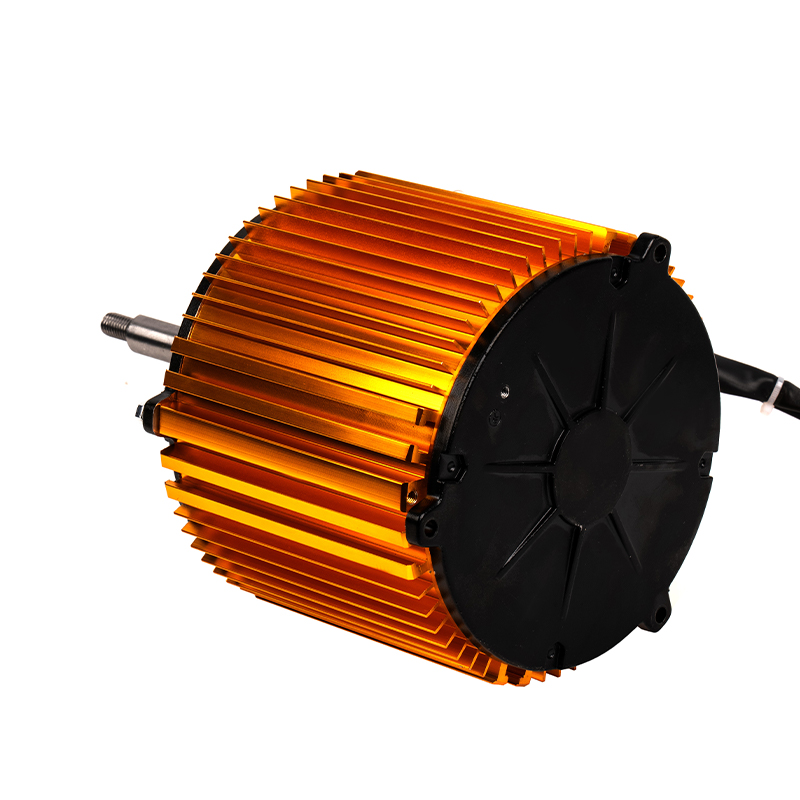
Three-phase motors face no such ceiling. Their starting torque comes from winding geometry rather than an auxiliary component, so the design scales efficiently from fractional horsepower to several thousand — which is why nearly all large industrial pumps, compressors, and conveyor drives run on three-phase power.
Size, Weight, and Cost per Horsepower
For the same horsepower rating, a single-phase motor is typically larger and heavier — extra copper for the start winding, plus space for a capacitor housing or switch assembly, none of which contributes to running torque once the motor is up to speed.
| Attribute | Single-Phase (2 HP) | Three-Phase (2 HP) |
|---|---|---|
| Frame Size | NEMA 145T–182T | NEMA 145T |
| Weight | 30–40 lbs | 22–28 lbs |
| Relative Cost | Baseline | Often 10–20% lower |
The irony is that three-phase motors, despite being simpler and lighter, are often less expensive per horsepower than single-phase motors of the same rating — higher manufacturing volumes and fewer required components bring the cost down.
Reliability: Starting Components as the Weak Link
Every part added to solve the starting-torque problem becomes a potential failure point. Start capacitors degrade with heat, and a weakened capacitor is one of the most common reasons a single-phase motor hums but never starts. Centrifugal switches stick; shaded-pole rings crack under thermal cycling.
Capacitor failure accounts for a large share of single-phase motor service calls. Three-phase motors, lacking these components entirely, fail primarily from bearing wear or insulation breakdown — issues shared by both types but not compounded by extra starting hardware.
Where a Single-Phase Gear Motor Still Makes Sense
Despite these disadvantages, a single phase gear motor remains a practical choice in low-power, low-duty-cycle applications where three-phase power isn't available — residential workshops, small retail equipment, light packaging lines running on ordinary single-phase mains.
If three-phase power is already present at a facility, a three-phase induction motor is almost always the better engineering choice above roughly 1 HP. If only single-phase service is available and the load is modest, a capacitor-start or capacitor-run design remains a sound, cost-effective solution.
Gearboxes attached to a small single-phase motor add their own consideration: because the motor already starts with reduced torque, the reduction ratio must be chosen carefully to ensure adequate breakaway torque for high-friction loads, such as auger drives or heavily loaded conveyor rollers. Undersizing this margin is a common mistake when a single phase gear motor is specified for a load originally designed around a three-phase drivetrain.
In Summary
Single-phase induction motors trade performance for accessibility. Lower starting torque, reduced efficiency, a lower power factor, added vibration, a practical power ceiling near 5 HP, larger frame sizes, and extra points of mechanical failure are the price paid for running on ordinary single-phase mains. When three-phase power is available and the load exceeds a fraction of a horsepower, it remains the more efficient, smoother, and more reliable choice. When it isn't, a well-selected single-phase motor — sized conservatively, with a robust starting mechanism — is still the most practical path forward.
 ++86 13524608688