

 English
 عربى
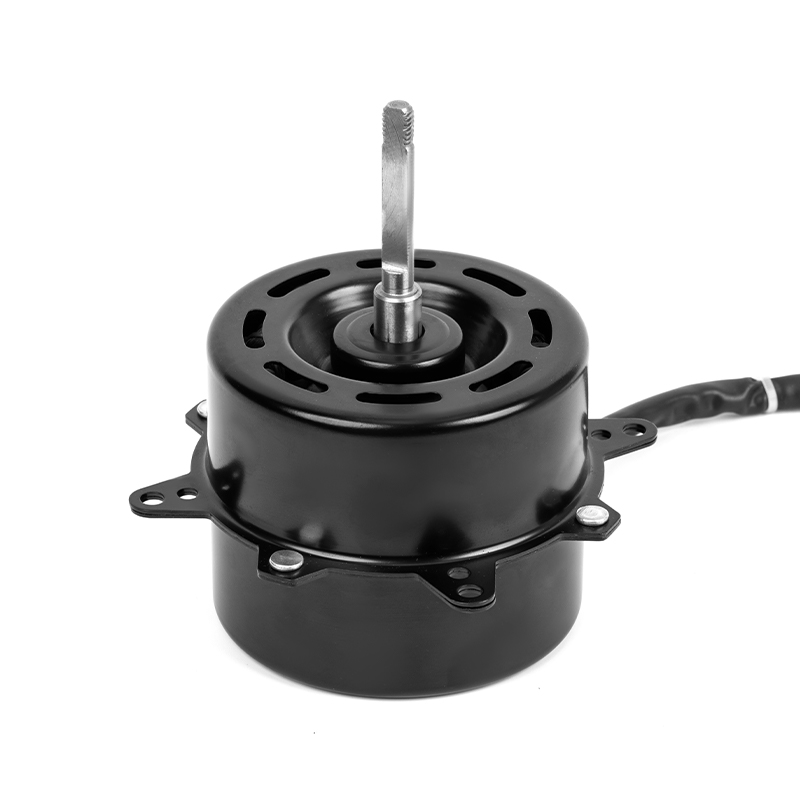
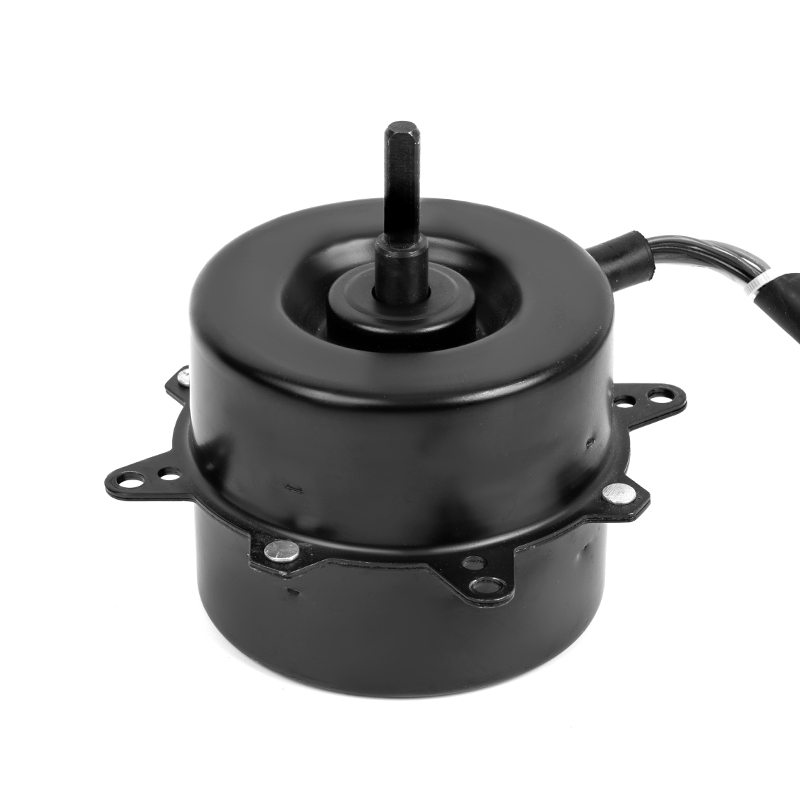
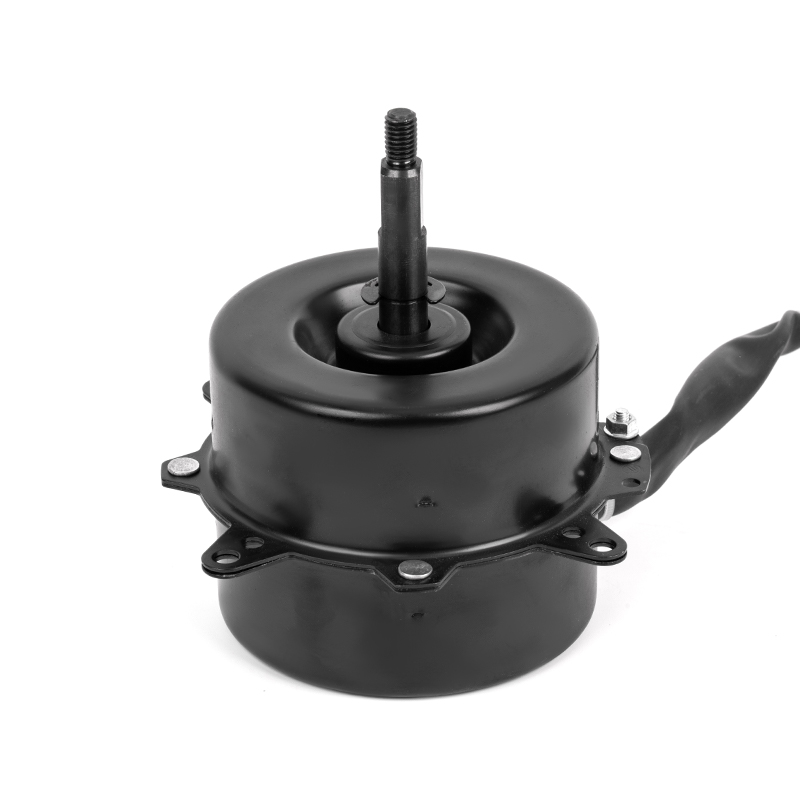
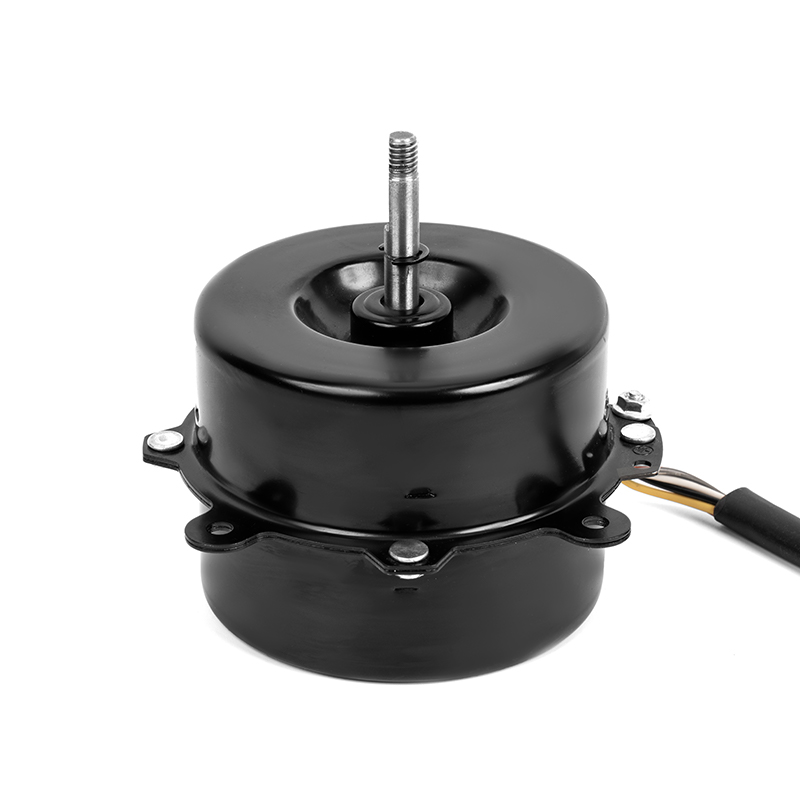
عربىIn most cooling applications, a single-phase cold air AC motor is less efficient than a three-phase AC motor, typically by 5% to 15%, depending on load conditions, design quality, and operating environment. While a single-phase system is simpler and cheaper to install, a three-phase motor consistently delivers higher energy efficiency, smoother torque output, and lower long-term operational costs. However, in residential or light-duty cooling systems where power availability is limited, a single-phase solution remains practical and widely used.
The efficiency gap mainly comes from the inherent electrical characteristics of single-phase power delivery, which produces pulsating torque and higher losses compared to the continuous rotating magnetic field of a three-phase system.
Fundamental Working Principle Differences
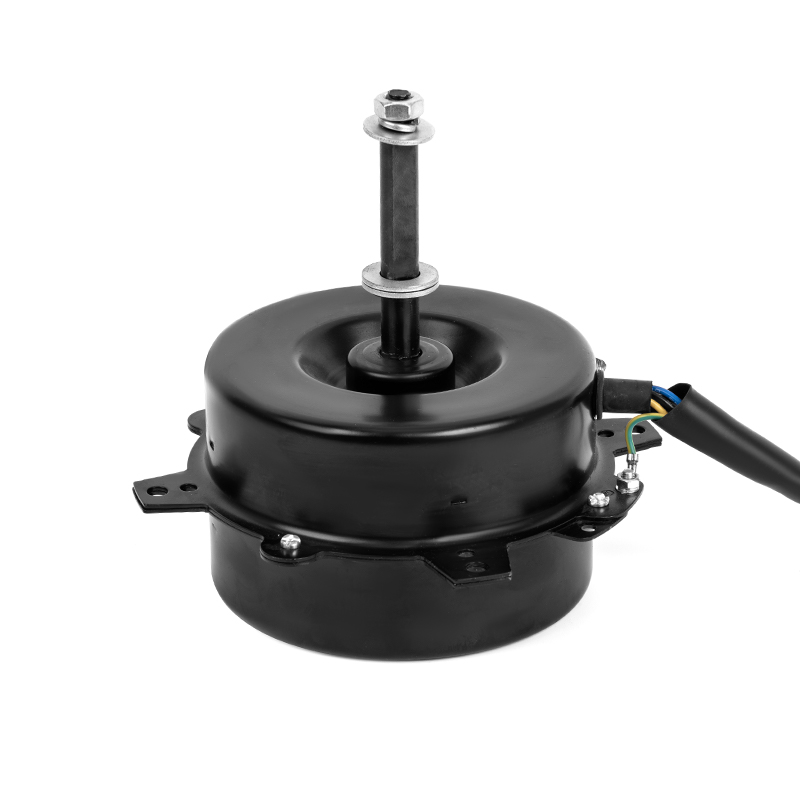
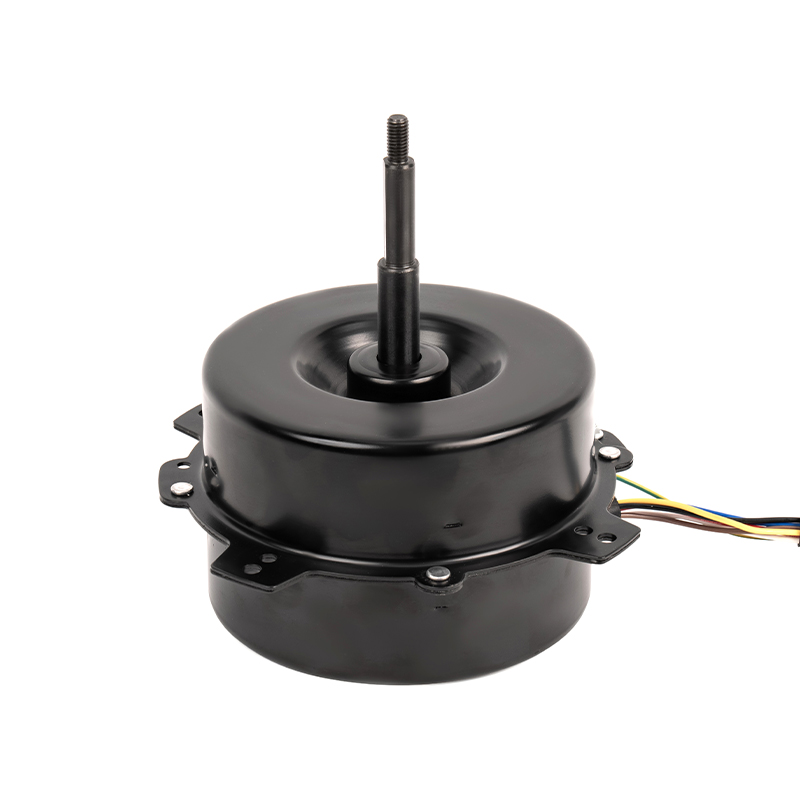
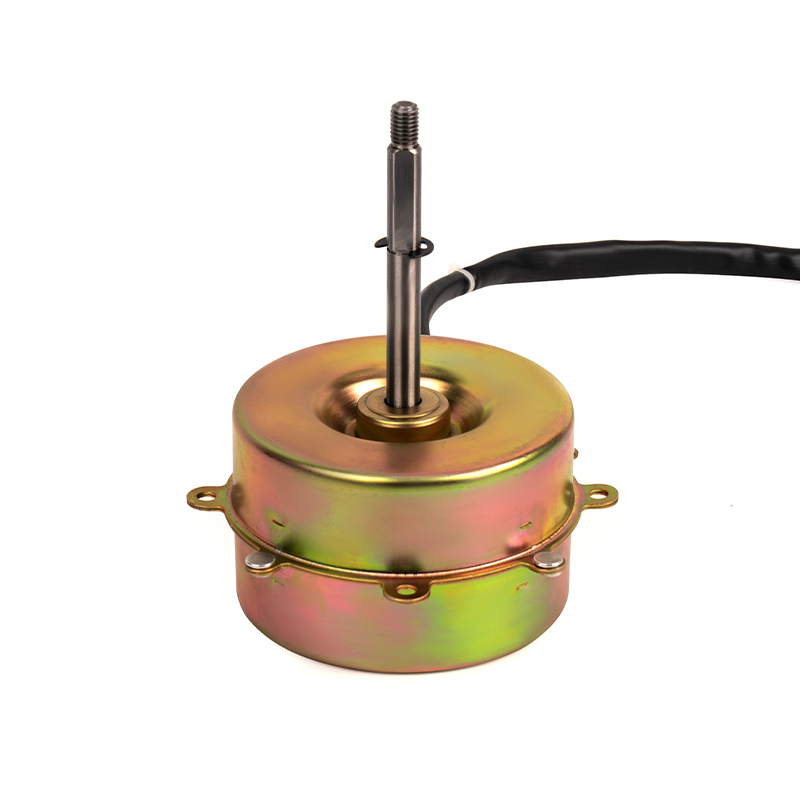
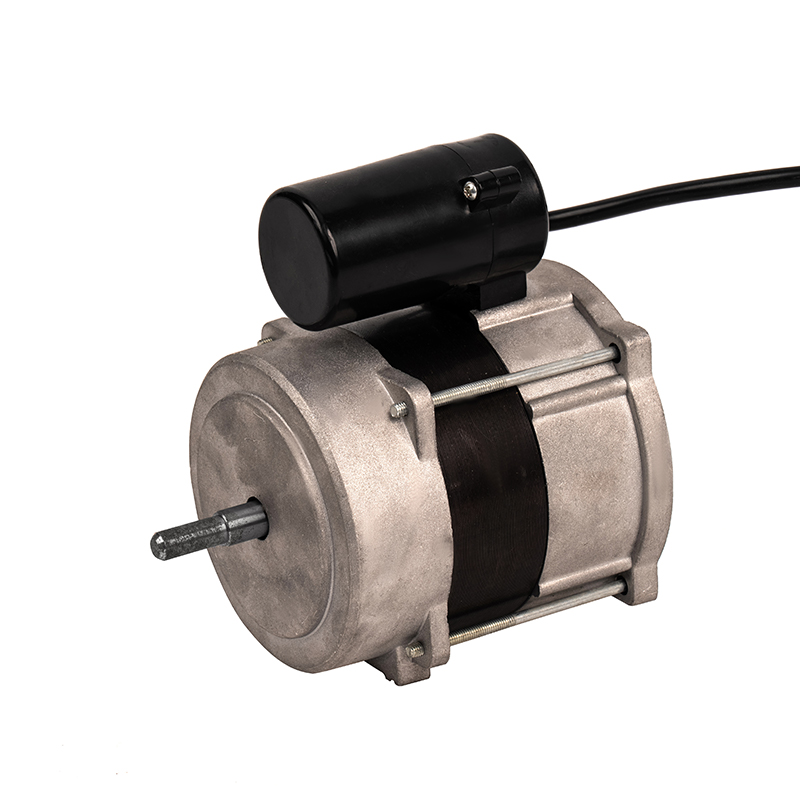
A single-phase cold air AC motor operates using a single alternating current supply, requiring auxiliary starting components such as capacitors or shaded poles to initiate rotation. This creates an uneven torque profile, which increases energy losses during operation. In contrast, a three-phase motor naturally generates a rotating magnetic field, eliminating the need for auxiliary starting mechanisms and improving electrical efficiency.
Impact on Cooling Systems
Cooling applications like HVAC fans and refrigeration compressors often use either a small AC electric motor or industrial-grade three-phase motors. The difference in field rotation smoothness directly affects compressor load stability and fan speed consistency.
- Single-phase motors: more vibration, higher current ripple
- Three-phase motors: smoother torque and reduced mechanical stress
- Cooling efficiency: improved by up to 10–18% in optimized systems
Measured Efficiency and Energy Loss Comparison
Efficiency differences between motor types become more apparent under continuous load conditions. A typical single-phase cold air AC motor operates at approximately 60%–75% efficiency, while comparable three-phase motors often achieve 80%–92% efficiency in similar cooling systems.
| Motor Type | Typical Efficiency | Torque Stability | Energy Loss Level |
|---|---|---|---|
| Single-phase cold air AC motor | 60%–75% | Moderate / Pulsating | Higher |
| Three-phase AC motor | 80%–92% | High / Smooth | Lower |
Real-World Cooling Application Performance
In HVAC systems using a small AC electric motor, energy consumption differences become significant over long operation cycles. For example, a 1.5 kW cooling fan system operating 12 hours daily may consume approximately 6–12% more electricity when powered by a single-phase motor compared to a three-phase equivalent.
Case Example: Industrial Cooling Unit
An industrial cooling system using a single-phase motor consumed 18 kWh/day, while the upgraded three-phase system reduced consumption to 15.5 kWh/day. Over a year, this resulted in approximately 900 kWh energy savings, demonstrating the long-term economic advantage of three-phase systems.
- Reduced electricity cost by 12%–20%
- Lower heat generation improved system lifespan
- Less maintenance due to reduced mechanical stress
Why Single-Phase Motors Are Still Widely Used
Despite lower efficiency, the single-phase cold air AC motor remains dominant in residential and light commercial cooling systems due to its accessibility and simplicity. Many locations lack three-phase power infrastructure, making single-phase motors the only practical option.
Key Advantages
- Lower upfront installation cost
- Easier maintenance and replacement
- Compatibility with household electrical systems
For small appliances using a small AC electric motor, these advantages outweigh efficiency limitations in many use cases.
Engineering Trade-offs and Design Considerations
From an engineering perspective, choosing between a single-phase and three-phase motor requires balancing efficiency, cost, and infrastructure constraints. A single-phase cold air AC motor often requires additional components like capacitors, which introduce energy losses and reduce overall power factor.
Design Implications
- Higher starting current increases thermal stress
- Lower power factor (~0.6–0.8) vs three-phase (~0.85–0.95)
- Increased copper and iron losses in long operation cycles
The three-phase motor is clearly superior in efficiency, stability, and long-term cost performance in cooling applications. However, the single-phase cold air AC motor remains essential in environments where infrastructure limits power options or where system size is small.
In conclusion, while three-phase motors dominate industrial cooling systems, single-phase motors continue to play a critical role in residential and compact applications, especially when paired with optimized designs of a small AC electric motor.
 ++86 13524608688