

 English
 عربى
عربى-
Robust Mechanical Design
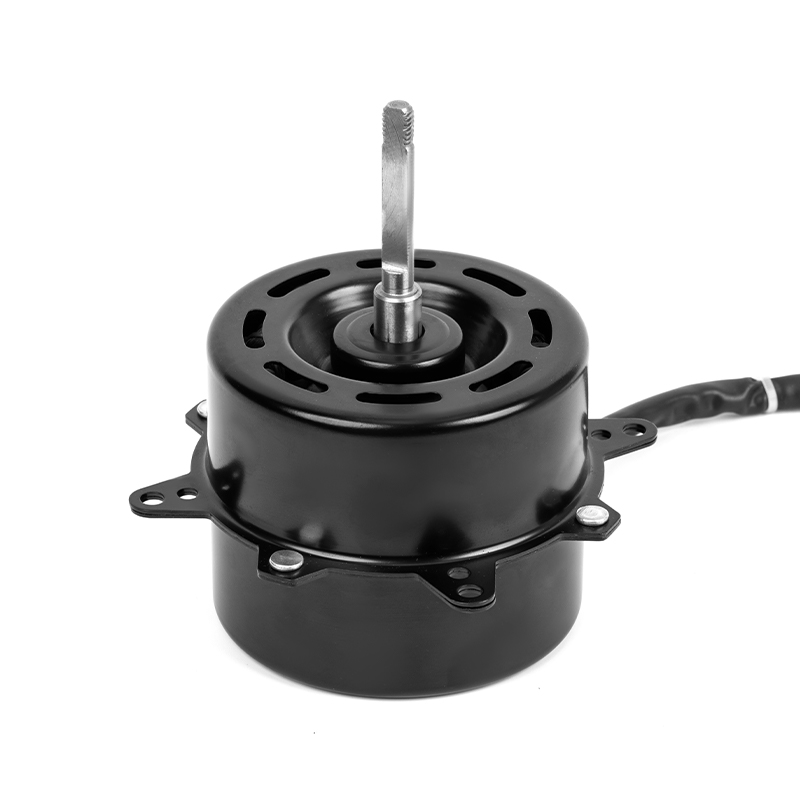
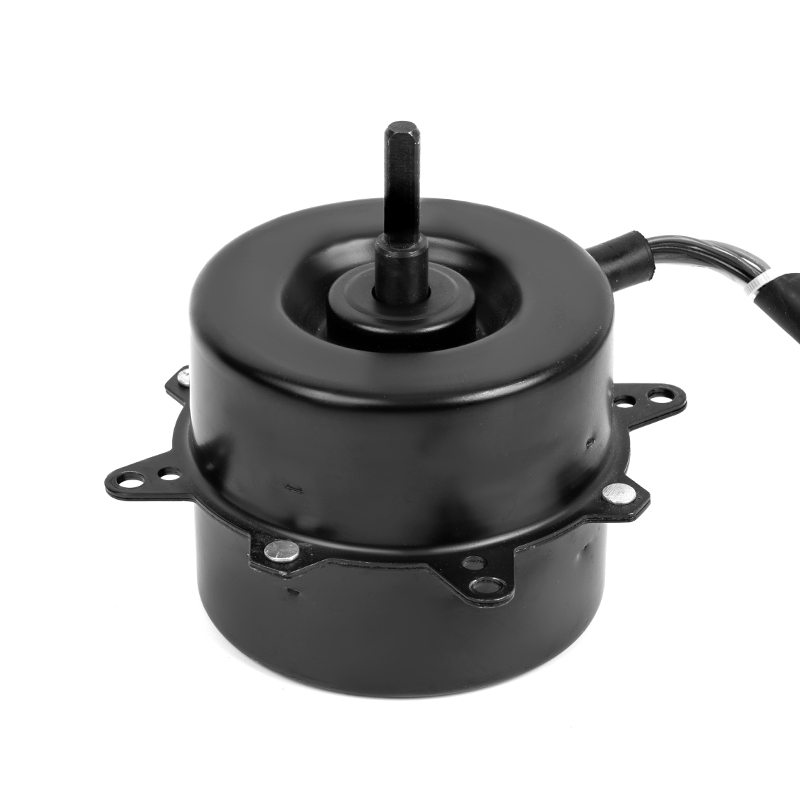
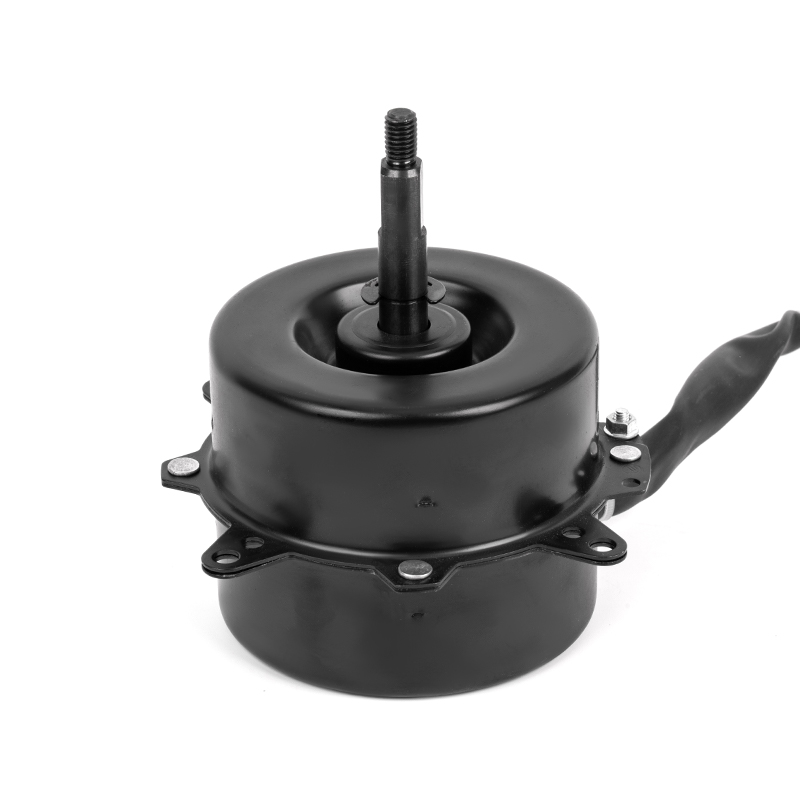
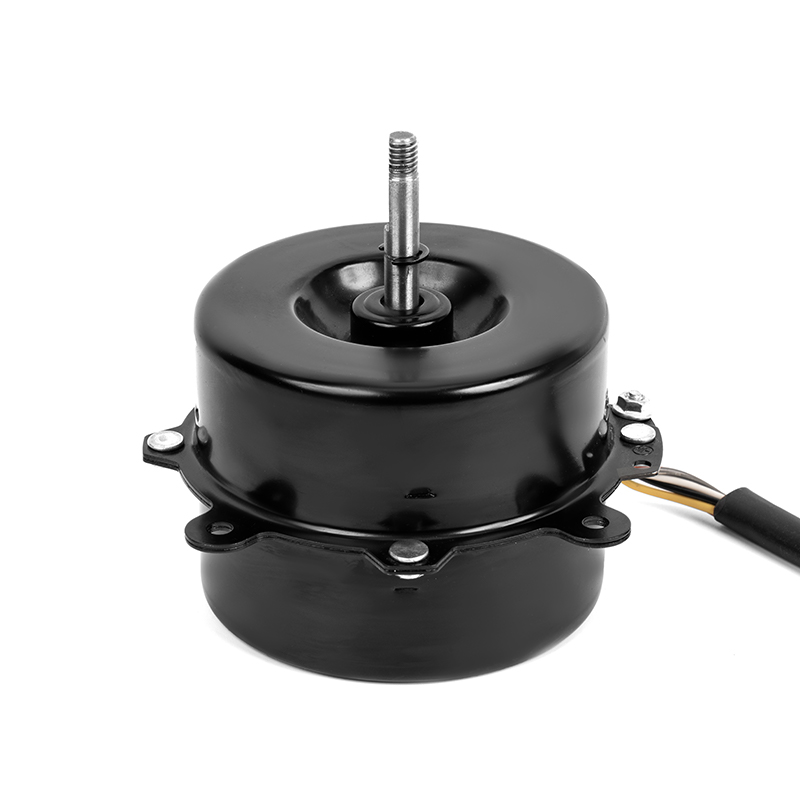
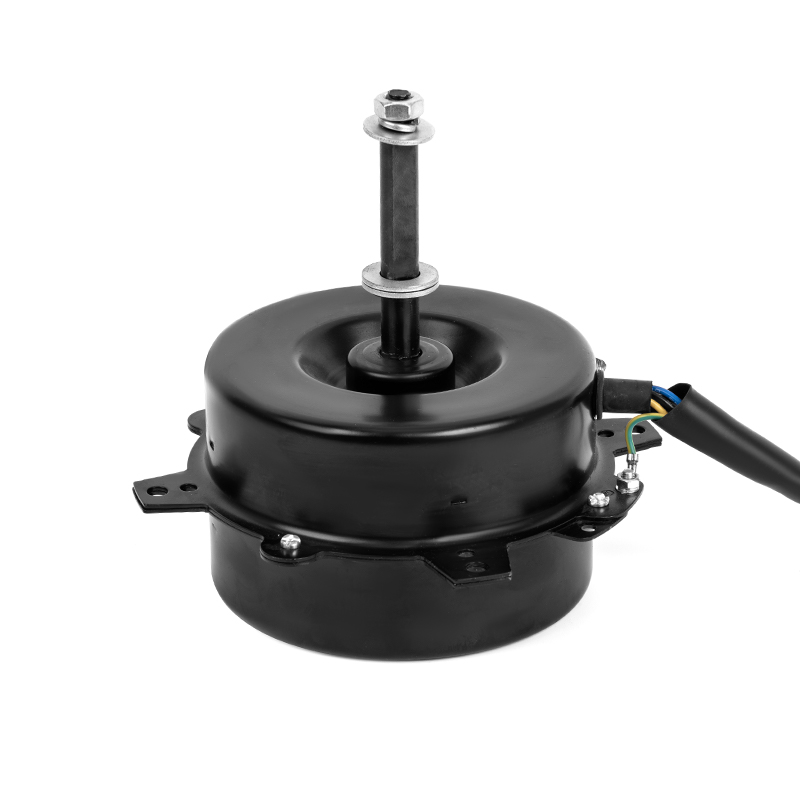
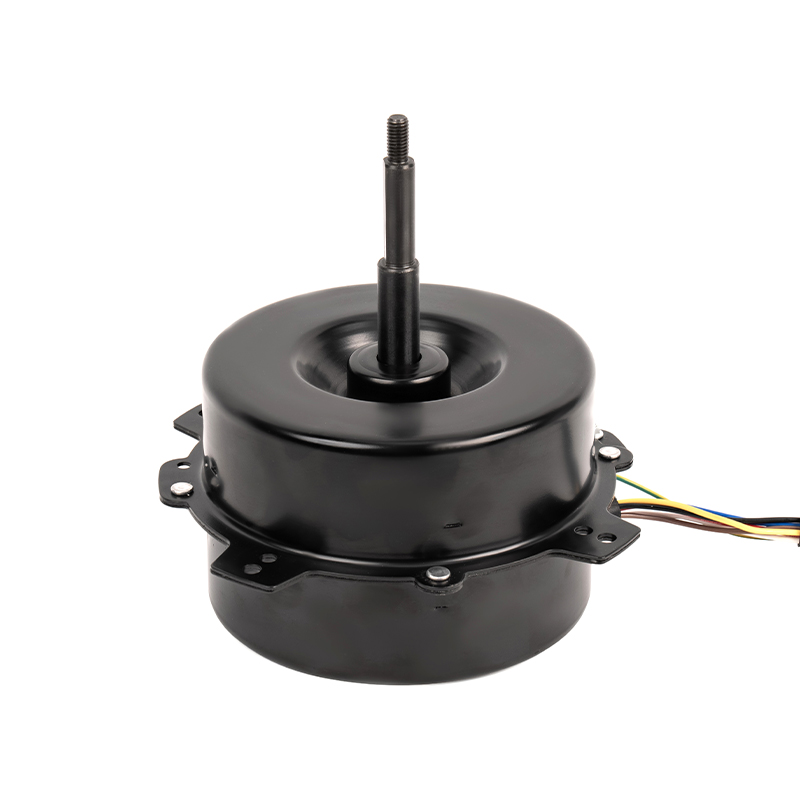
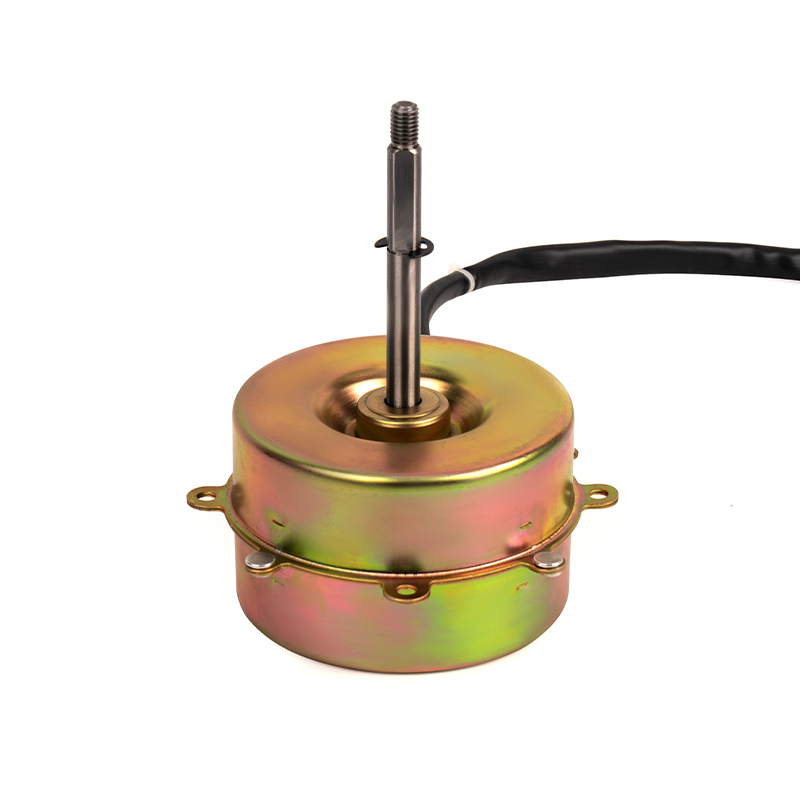
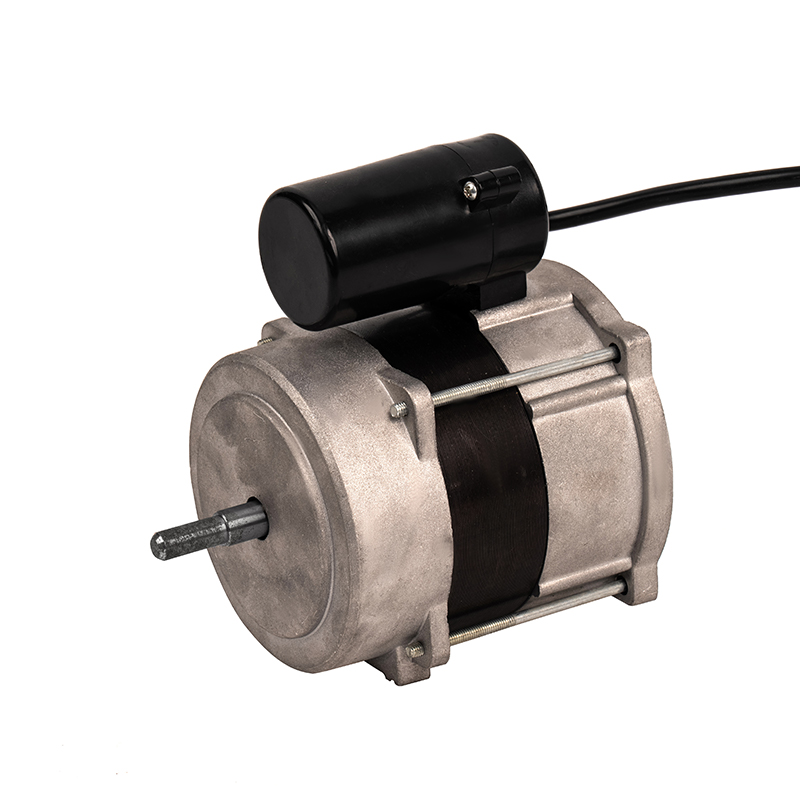
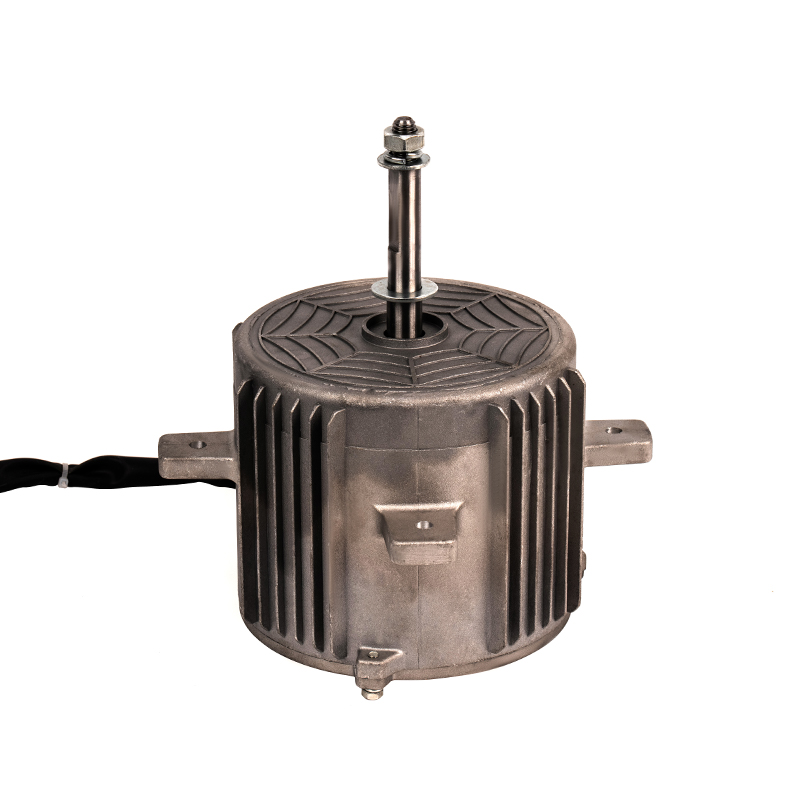
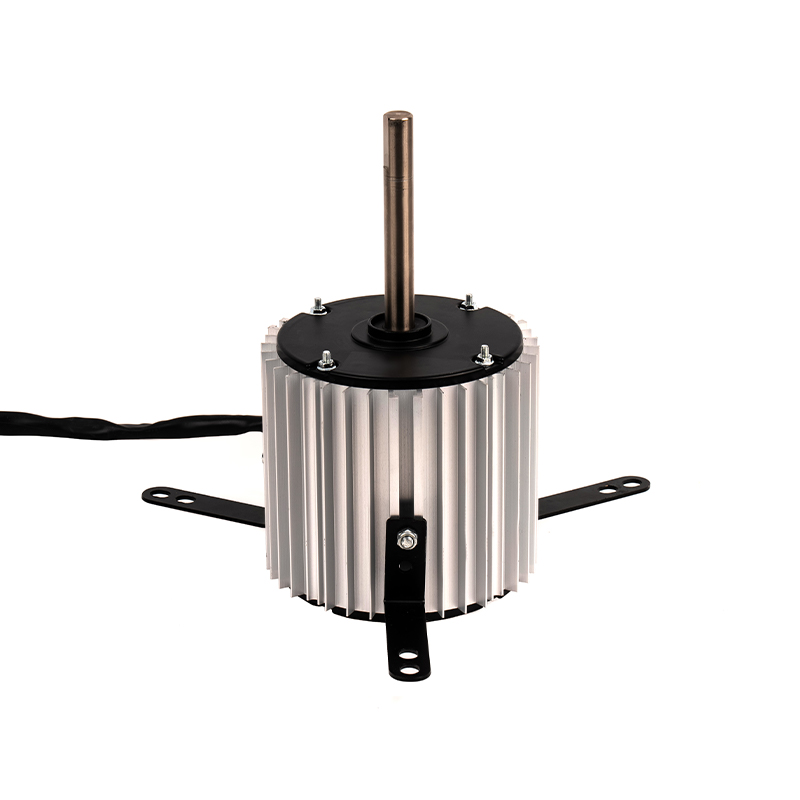
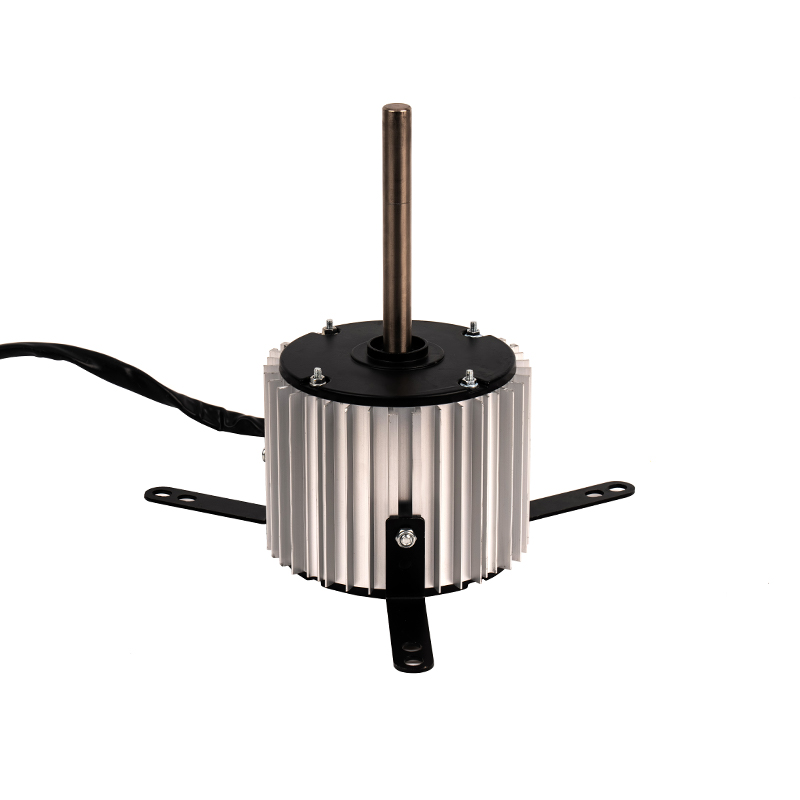
The Aluminum Shell Cold Air AC Motor is engineered with a rigid aluminum housing, providing exceptional structural integrity and mechanical stability. This rigidity ensures precise alignment of the rotor and stator, even under abrupt changes in load or frequent start-stop cycles. During sudden torque demands, the aluminum shell resists deformation, preventing misalignment that could generate vibrations, excessive wear, or mechanical fatigue. The motor’s construction maintains proper rotor clearance and minimizes mechanical resonance, which is essential for preserving operational efficiency over time. This robust mechanical design allows the motor to withstand high cyclic stress, ensuring consistent torque delivery, smooth rotation, and long-term reliability, even in industrial or commercial cold air circulation systems that experience intermittent or varying operational loads. -
Thermal Management and Heat Dissipation
Frequent start-stop operations and sudden load fluctuations generate additional heat due to increased current draw and frictional losses. The aluminum shell of the motor serves as an efficient thermal conductor, rapidly dissipating heat from the windings, stator, and rotor. This prevents localized hot spots that could degrade insulation or damage internal components. Many motors of this type also incorporate thermal sensors or protection circuits, which monitor temperature in real time and allow the system to adjust operation or trigger protective shutdowns when necessary. Effective thermal management ensures that the motor maintains a stable operating temperature, reducing the risk of performance degradation, premature aging, or failure, and allowing repeated cycles to occur without impacting efficiency or longevity. -
Electrical Design and Current Handling
Aluminum Shell Cold Air AC Motors are designed with windings and magnetic cores optimized for transient currents, enabling them to handle sudden load changes without significant performance loss. The electrical design incorporates appropriate wire gauges, insulation materials, and lamination techniques to tolerate short-term overcurrent events without overheating or voltage drop. This ensures stable torque and speed during transient conditions. Additionally, the motor is engineered to minimize electromagnetic stress on the windings, preventing insulation breakdown and maintaining low equivalent series resistance (ESR) under dynamic loads. As a result, the motor can repeatedly respond to sudden torque demands or frequent on/off cycling while preserving efficiency, reliability, and operational consistency over its service life. -
Bearing and Rotor Considerations
High-quality bearings and a dynamically balanced rotor are critical for motors subjected to frequent start-stop cycles and sudden load changes. In the Aluminum Shell Cold Air AC Motor, the bearings are selected and lubricated to withstand cyclic torque and rotational acceleration, reducing friction and wear over extended use. The rotor is precision-balanced to minimize vibration and mechanical stress during acceleration and deceleration, ensuring smooth operation and maintaining alignment with the stator. This design reduces the risk of bearing failure, rotor wobble, or misalignment that could compromise performance. Proper mechanical design of bearings and rotor assemblies allows the motor to operate reliably over long durations with minimal maintenance, even in demanding HVAC or refrigeration applications. -
Control and Operational Features
Many Aluminum Shell Cold Air AC Motors are compatible with soft-start mechanisms or electronic control systems, which moderate inrush current during startup and reduce mechanical shock. This is particularly important in applications with frequent on/off cycles or rapidly varying loads. Even in direct-on-line start scenarios, the combination of robust mechanical design, efficient heat dissipation, and transient-tolerant electrical components ensures that the motor maintains stable torque and rotational speed. By integrating thermal protection, vibration tolerance, and optimized electrical design, the motor can handle repeated operational stresses without performance degradation, ensuring consistent airflow, temperature control, and system reliability in industrial or commercial cold air applications. -
Summary of Performance Advantages
In summary, the Aluminum Shell Cold Air AC Motor handles sudden load changes and frequent start-stop cycles without performance degradation due to the following integrated features: a rigid aluminum shell that maintains mechanical integrity under stress, efficient heat dissipation to prevent overheating, transient-tolerant electrical design that manages short-term overcurrent, high-quality bearings and dynamically balanced rotor for vibration reduction, and compatibility with soft-start or electronic controls to mitigate inrush stress. These characteristics collectively ensure long-term reliability, consistent torque and speed performance, and minimal maintenance, making this motor ideal for demanding cold air circulation, HVAC, and industrial applications.
 ++86 13524608688