

 English
 عربى
عربىAluminum Shell Material Properties and Structural Integrity
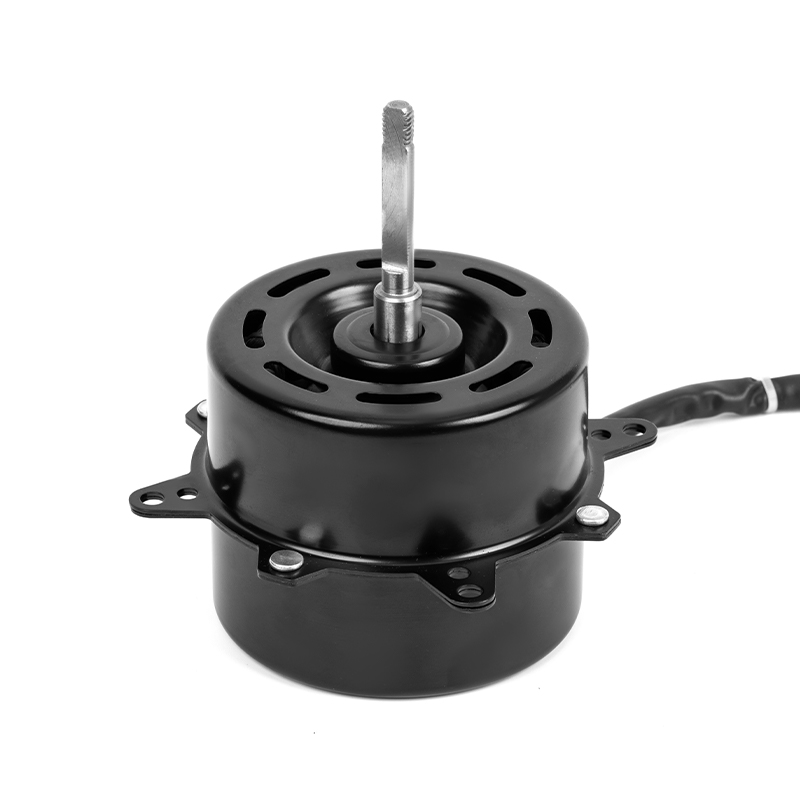
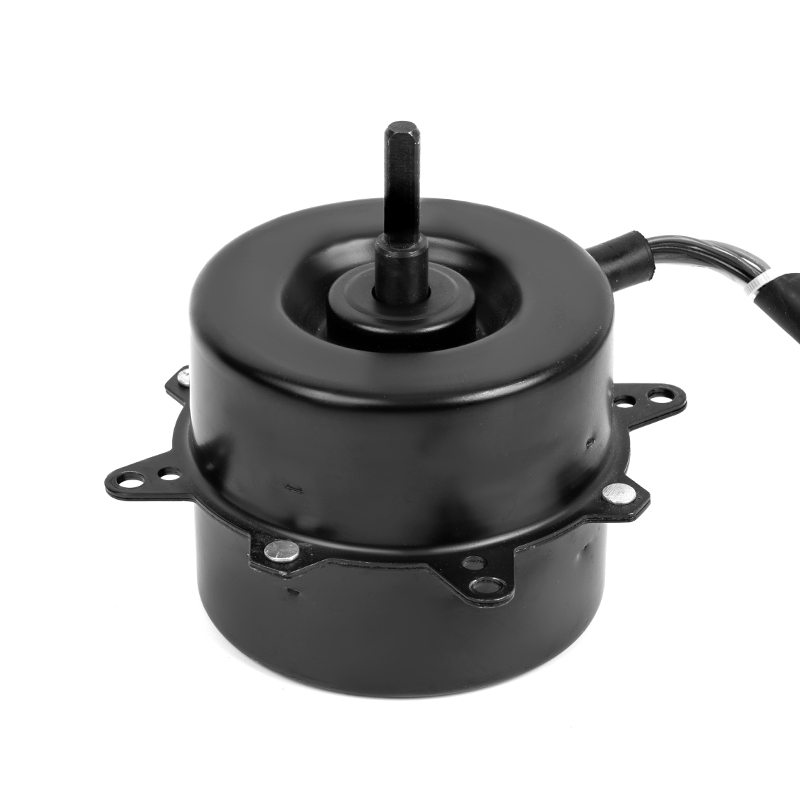
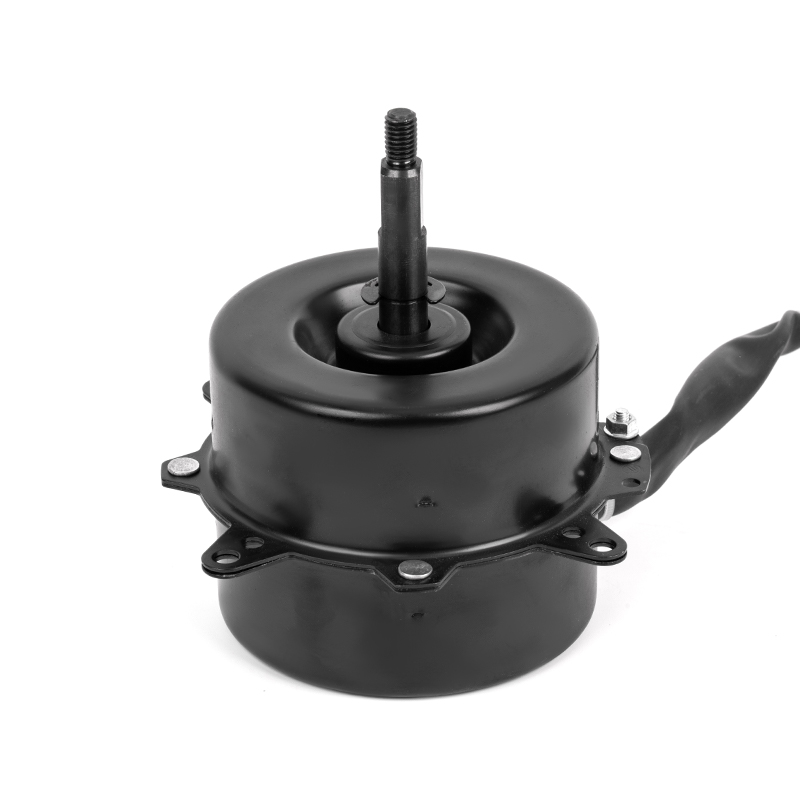
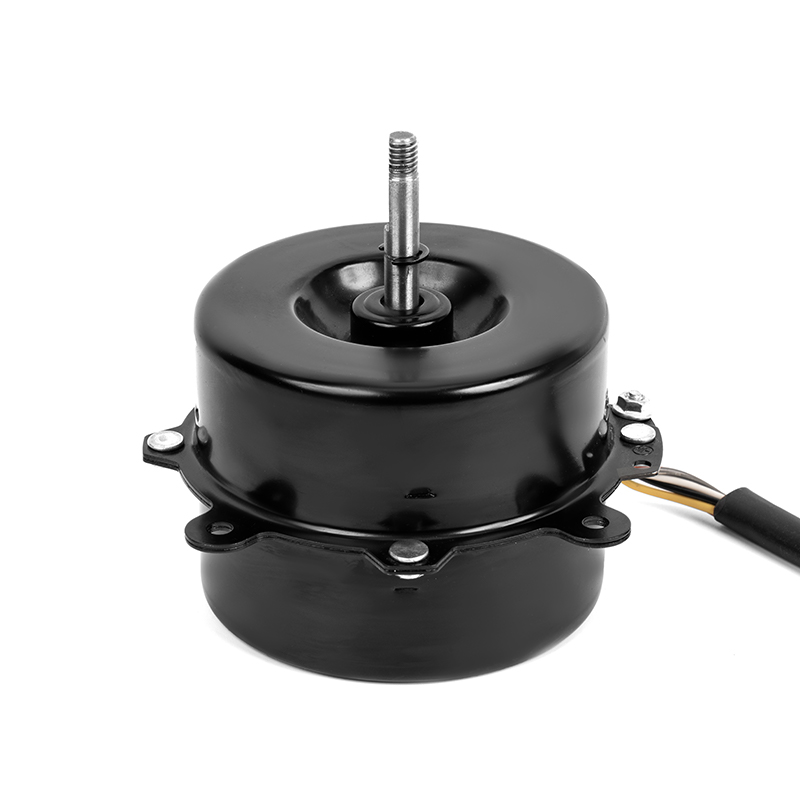
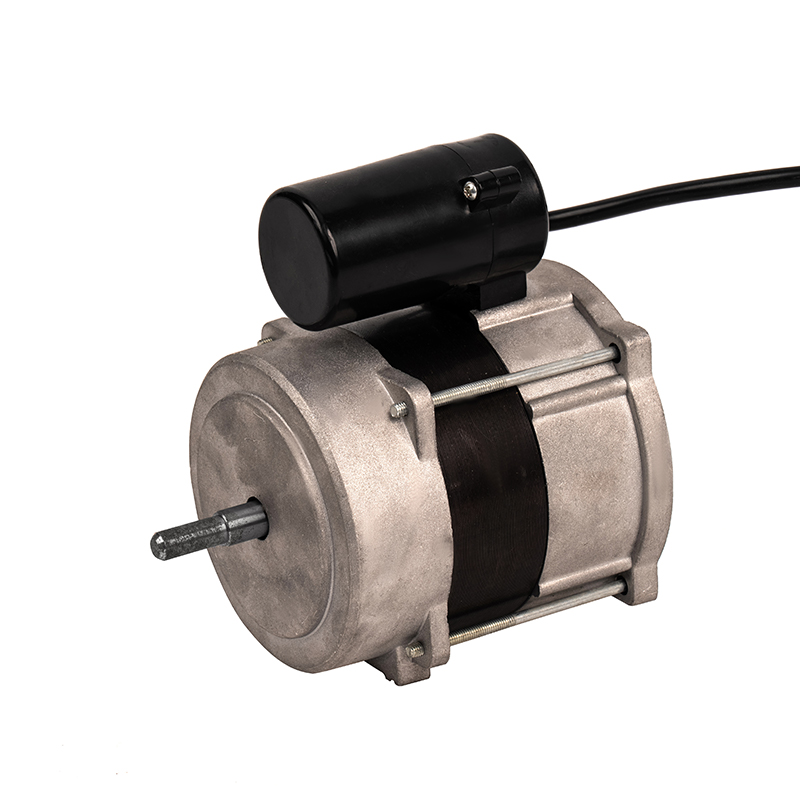
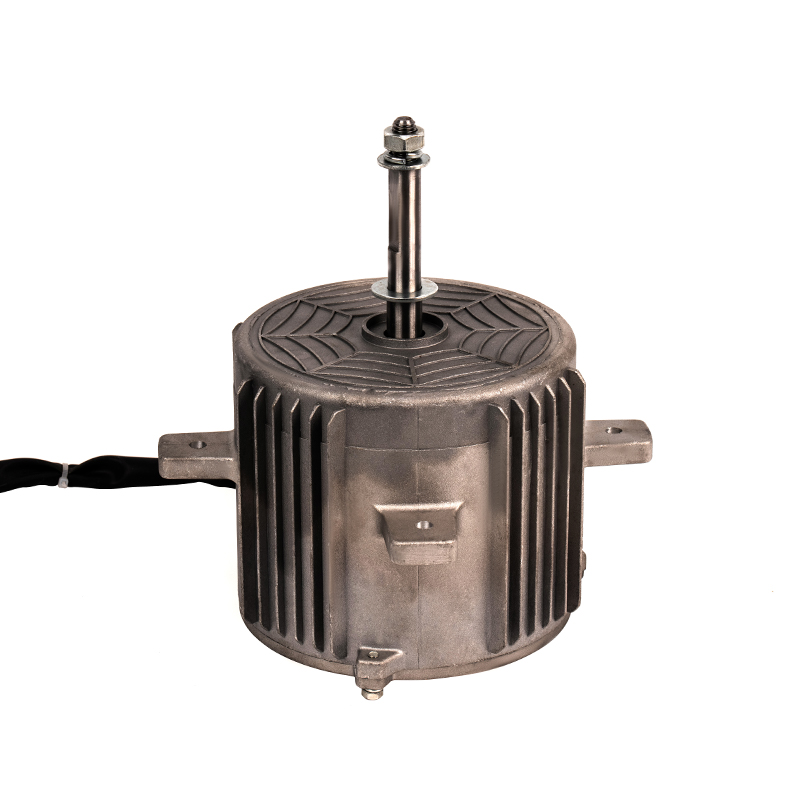
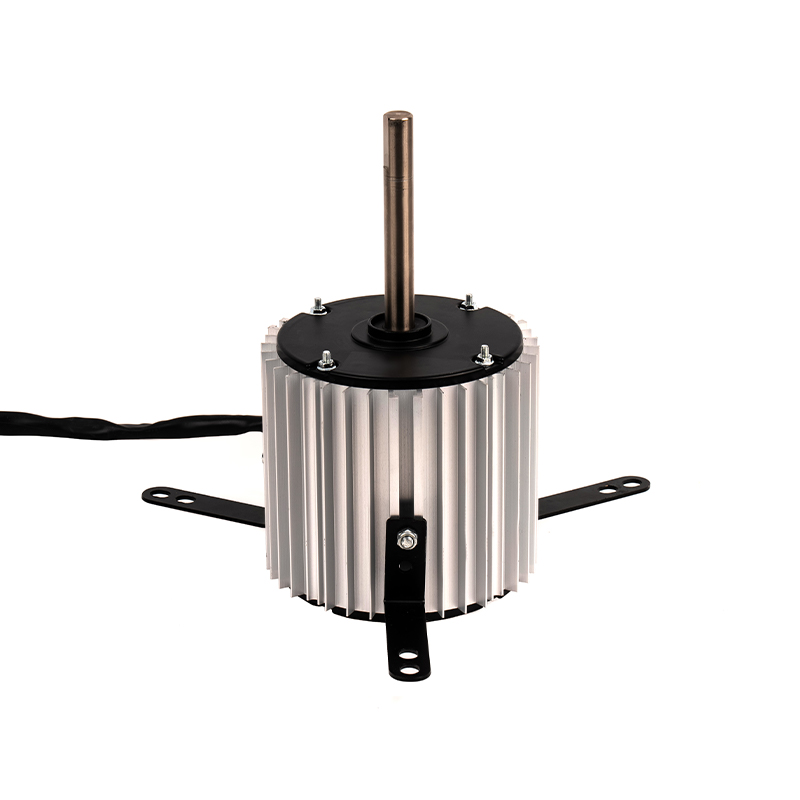
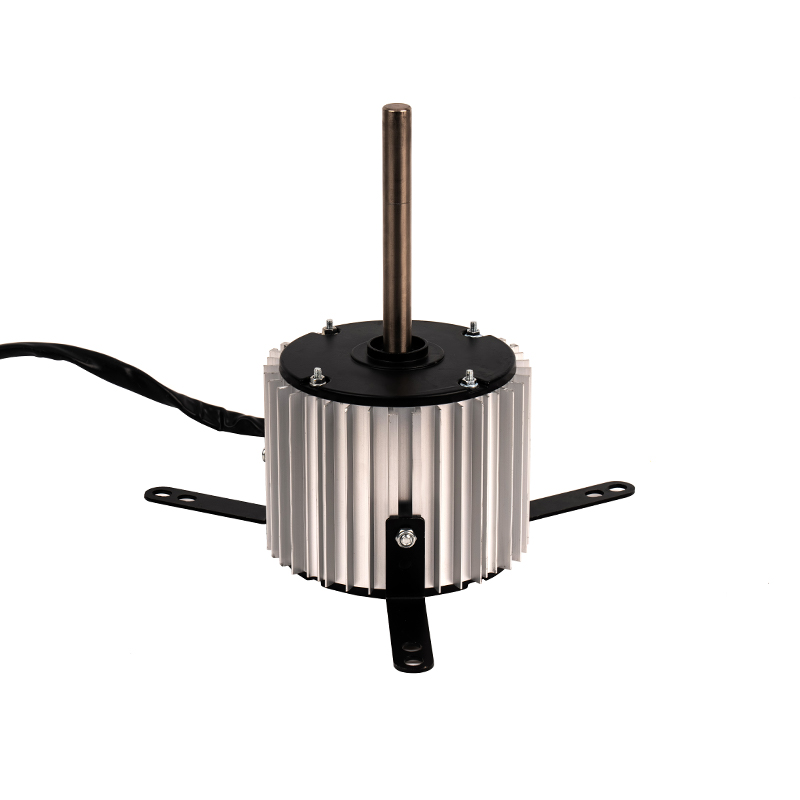
The aluminum shell of the cold air AC motor is an essential component for both durability and performance. Aluminum is widely used in motor construction due to its favorable combination of light weight, strength, and excellent corrosion resistance. In environments prone to moisture or chemical exposure, the aluminum casing provides an inherent advantage over steel, as it is naturally resistant to rust and degradation, ensuring the motor’s external longevity.
However, it is important to note that while aluminum offers strength and corrosion resistance, it is inherently softer than steel, which could make it more susceptible to damage under high-impact mechanical stress or heavy-duty use. Aluminum does provide a good balance between strength-to-weight ratio, but its impact resistance and ability to withstand extreme mechanical forces may be less than that of motors housed in steel or reinforced composite casings, especially in situations involving significant physical shocks.
In general, aluminum shell AC motors are well-suited for moderate to heavy industrial applications but should be evaluated for specific load-bearing capacities, especially in high-stress environments. Reinforcement through additional structural design elements like ribbed designs or reinforced aluminum alloys can be used to improve the shell's rigidity and mechanical resistance.
Vibration Resistance and Performance in Industrial Environments
In industrial settings, vibration is often a common challenge, particularly in environments with machinery that produces dynamic or fluctuating forces, such as pumps, compressors, and heavy-duty HVAC systems. The ability of a motor to resist and withstand such vibrations is crucial for ensuring operational stability and preventing premature wear of motor components.
To address this, many aluminum shell cold air AC motors are designed with vibration-damping features and balanced rotor assemblies to minimize the effects of vibration during operation. Vibration is typically mitigated through the use of precision engineering that includes balancing the rotor to ensure that the forces acting on the motor components remain within acceptable thresholds. High-quality bearings and well-designed internal components further contribute to reducing vibration transmission to the motor casing.
That said, industrial environments that subject motors to extreme vibration (such as in mining, heavy manufacturing, or high-speed machinery) may require additional vibration isolation or mounting systems to prevent motor damage. Mounting systems such as rubber isolation mounts or spring-mounted bases can decouple the motor from the source of vibration, protecting the motor and extending its service life.
In summary, while an aluminum shell motor may offer good vibration resistance for general industrial applications, environments with persistent, high-magnitude vibrations may require extra consideration, either through more specialized motors or additional external vibration-dampening solutions.
Mechanical Stress Resistance and Longevity
The mechanical stress a motor endures is often directly correlated to its operating conditions, including load, torque variations, and external shocks or impacts. Motors in industrial environments are typically subjected to frequent and varied stresses, such as fluctuating loads, starting and stopping operations, and potential system overloads.
The aluminum shell cold air AC motor is generally designed to endure the stresses of regular operation. However, its ability to resist mechanical stress is also determined by the quality and engineering of its internal components. In many industrial motors, these components—such as bearings, rotor shafts, stators, and windings—are reinforced to handle fluctuations in torque and to prevent mechanical failures that could result from prolonged stress. Advanced materials and design processes are used to ensure these components have high fatigue resistance and can operate reliably under variable load conditions.
The aluminum casing serves not only as a protective outer layer but also contributes to distributing mechanical forces across the motor, helping to avoid localized stress concentration that could lead to material failure. Some motors incorporate shock-absorbing materials within the housing to help protect sensitive internal components during heavy-duty operations.
While the motor can generally handle standard industrial stresses, extremely high levels of mechanical impact—such as those found in high-shock environments (e.g., heavy machinery with constant start/stop cycles)—might require a motor with a reinforced casing or an entirely different housing material (such as steel). Protective designs such as motor guards, shock mounts, and vibration dampers are essential in preventing long-term damage from mechanical stress.
Ingress Protection and Impact Resistance
In addition to vibration and mechanical stress, industrial environments often introduce other factors that challenge the durability of motors, such as dust, moisture, and chemicals. The aluminum shell cold air AC motor must not only be able to resist mechanical and vibrational stresses but also offer protection against external contaminants and environmental exposure.
High-quality aluminum shell AC motors are often rated with Ingress Protection (IP) codes to indicate their resistance to dust and water ingress. A typical industrial motor may be rated IP55 or higher, signifying that it is dust-tight and able to withstand water jets from all directions. For environments that experience higher levels of contamination or moisture (e.g., manufacturing floors or outdoor installations), motors may need to be rated IP65 or higher, offering additional protection against water submersion or high-pressure water exposure.
Beyond IP ratings, some industrial applications may require motors to meet specific shock-resistance standards such as MIL-STD or IEC standards. These certifications ensure that motors are capable of withstanding high-impact shocks, whether from sudden starts, accidental collisions, or drops during transport or installation. The aluminum shell offers moderate protection, but motors subjected to high-risk mechanical impacts may require additional reinforced housing or specific design modifications to prevent damage from mechanical shocks.
 ++86 13524608688