

 English
 عربى
Small Motors · Big Differences
How Brushless Motors Work, Without the Sparks
The quiet drive inside modern fans, range hoods, and cooling appliances — explained in plain engineering language.
The range hood above your stove has been running for three hours. The fan has not slowed, the housing stays comfortably warm, and there is no faint clicking from a worn commutator. This is what a brushless motor feels like from the outside: no drama, no scheduled servicing, just steady torque. When someone asks how do brushless motors work, that quietness is the best place to start.
Put simply, a brushless DC motor keeps permanent magnets on the rotor, moves the copper coils to the stator, and lets an electronic controller switch the current through those coils. No brush ever touches the rotating assembly. That single change improves efficiency, lifespan, noise, and speed control, which is why this architecture keeps appearing in products from computer fans to kitchen ventilation.
First, understand what brushes actually do
In a traditional brushed DC motor, the rotating part carries the copper coils. To energize those moving coils, carbon brushes press against a segmented metal cylinder called the commutator. Each time the shaft rotates one segment, the current in the coil reverses direction. That mechanical switching works, but it is also the motor’s weakest point.
Contact friction wears the brushes down and coats the inside of the motor with carbon dust. The sliding surface produces tiny electrical arcs and radio noise, speed is limited by the contact, and the commutator eventually pits from the heat. Designers accepted this for more than a century because there was no compact alternative.
A brushed motor spends its working life slowly destroying the very parts that make it turn.
Brushless anatomy: the same parts, rearranged
A brushless motor keeps the same physics but moves the hardware around. The coils go to the stationary housing, and the rotor becomes a permanent magnet. Because a magnet needs no electrical connection, the brush-and-commutator assembly disappears. Four parts remain:
- Stator with copper windings — the stationary electromagnet that produces a rotating magnetic field.
- Rotor with permanent magnets — ferrite or rare-earth magnets mounted on the shaft, forming the only moving assembly.
- Hall sensors — small magnetic transducers that report the rotor’s angular position.
- Electronic controller — the switching brain that feeds DC power to the stator windings in the correct sequence.
This arrangement simplifies the rotating side dramatically. Whether the motor spins correctly now depends on electronics and bearings instead of sliding contacts.
The commutation sequence: six steps, perfectly timed
A brushed motor switches its own current mechanically. A brushless motor cannot; the coils live on the stator, and the rotor is a magnet. Something else has to perform the switching, and that something is the controller. A typical six-step commutation sequence looks like this:
- Detect position. Hall sensors, or back-EMF measurement, tell the controller where the rotor magnet is pointing.
- Energize the first winding. Current flows through one stator phase, creating a magnetic pole that pulls the rotor.
- The rotor moves. The permanent magnet turns toward the energized winding until it is nearly aligned.
- Switch to the next phase. Just before full alignment, the controller cuts the first winding and energizes the next, so the field keeps pulling rather than holding.
- Repeat the cycle. Six commutation steps complete one electrical revolution, and the cycle continues indefinitely.
The controller also varies speed with pulse-width modulation, switching the supply voltage on and off thousands of times per second. That adjusts average current without the heat loss of a dropping resistor.
Sensors or back-EMF: how the controller makes the decision
Electronic commutation works only when the controller always knows where the rotor is. Two approaches exist, and the difference is practical.
In sensored designs, Hall sensors sit inside the stator and report absolute rotor position even at standstill. Startup torque is immediate and predictable, which is why sensored motors suit loads that begin under high resistance.
Sensorless designs measure back-EMF, the voltage induced in an unpowered winding by the rotating magnet. That signal exists only once the shaft is turning, so the controller runs a special open-loop startup sequence first. The trade-off is fewer components and lower cost against less certain low-speed performance.
What actually changes: brushed versus brushless
The two architectures are easier to judge side by side. The table below summarizes the differences that matter most in small appliances.
| Characteristic | Brushed DC motor | Brushless DC motor |
|---|---|---|
| Commutation | Mechanical commutator with carbon brushes | Electronic controller, no sliding contact |
| Lifespan | Limited by brush and commutator wear | Limited mainly by bearings and electronics |
| Efficiency at rated load | Roughly 75–80% | Typically 85–90% |
| Noise and EMI | Brush friction, sparking, carbon dust | Quiet torque, no arcing, lower electrical noise |
| Speed control | Voltage-based, torque drops at low speed | PWM control with stable torque over a wide range |
| Cost and complexity | Low, self-contained | Higher initial cost; requires a matched controller |
The pattern is a trade in location: a brushless motor pushes cost and complexity toward the electronics, then recovers that investment through efficiency, lifetime, and control quality.
Why these gains matter in daily-use appliances
Efficiency matters most where a fan runs for many hours every day. A brushless design that converts 88 percent of its input power into shaft work instead of 78 percent produces less waste heat, lowers electricity consumption, and allows a smaller power supply. In a range hood, a quieter motor makes low-speed overnight ventilation comfortable. In an air cooler, the motor turns a large fan all day in humid air; the absence of brush dust and the longer bearing life reduce maintenance noticeably.
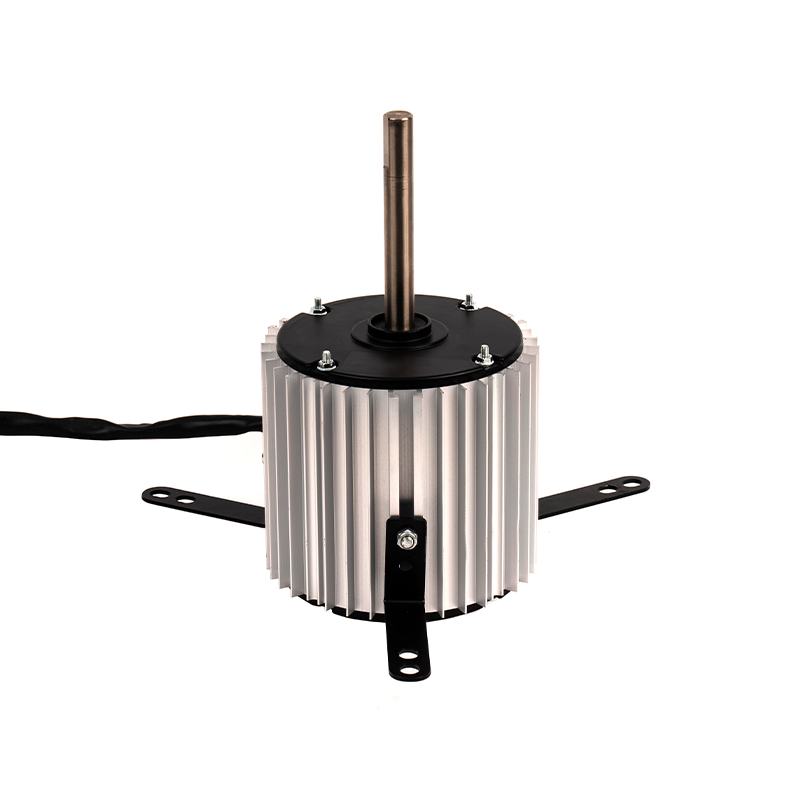
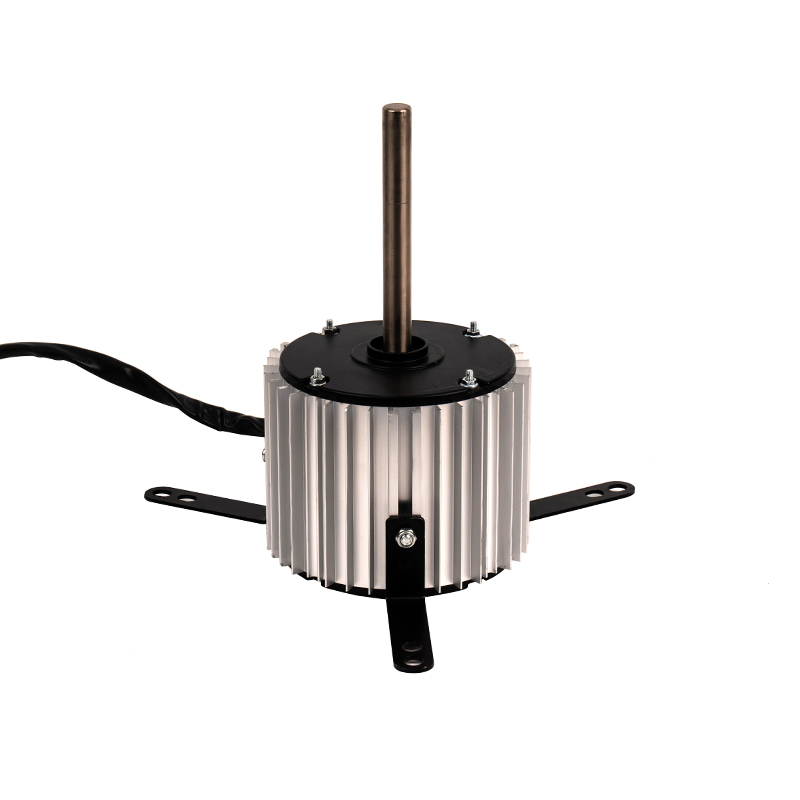
Evaporative air coolers and cooling fans share one demanding condition: continuous duty for long stretches. The brushless architecture runs cooler because its losses are lower, and the motor’s characteristics stay stable for thousands of hours.
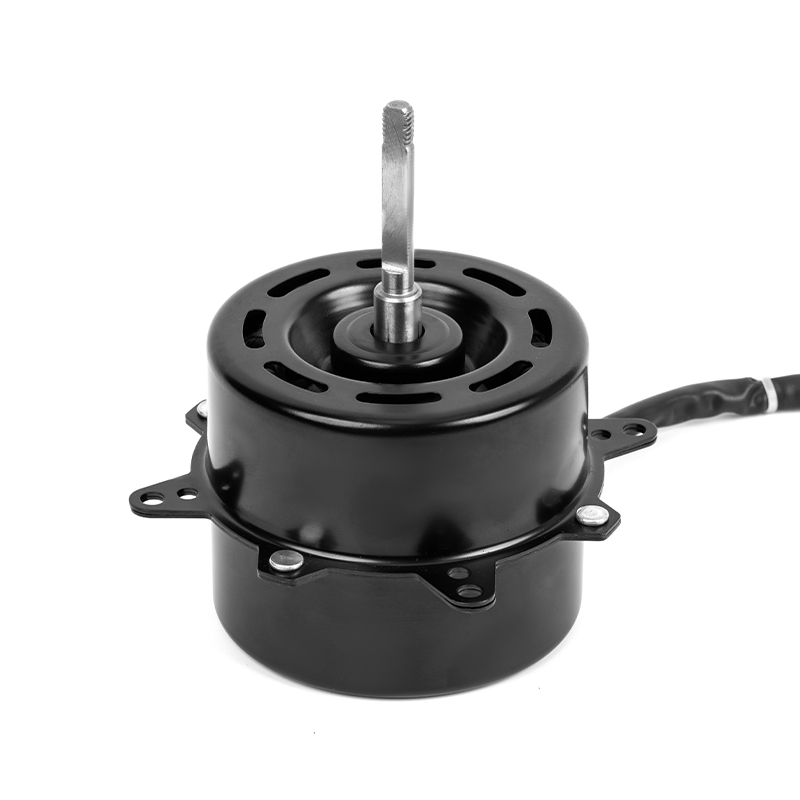
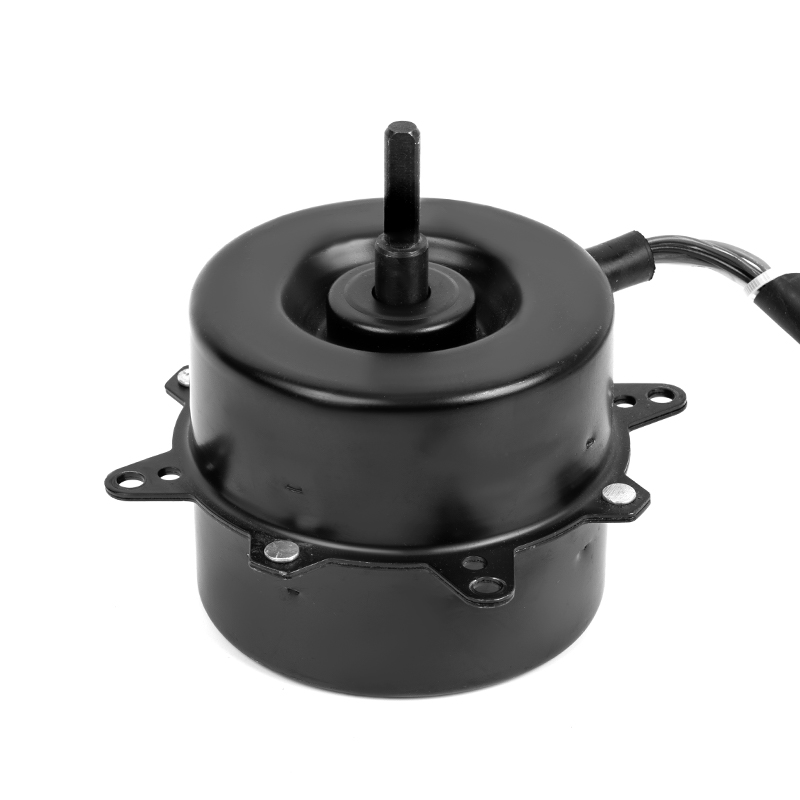
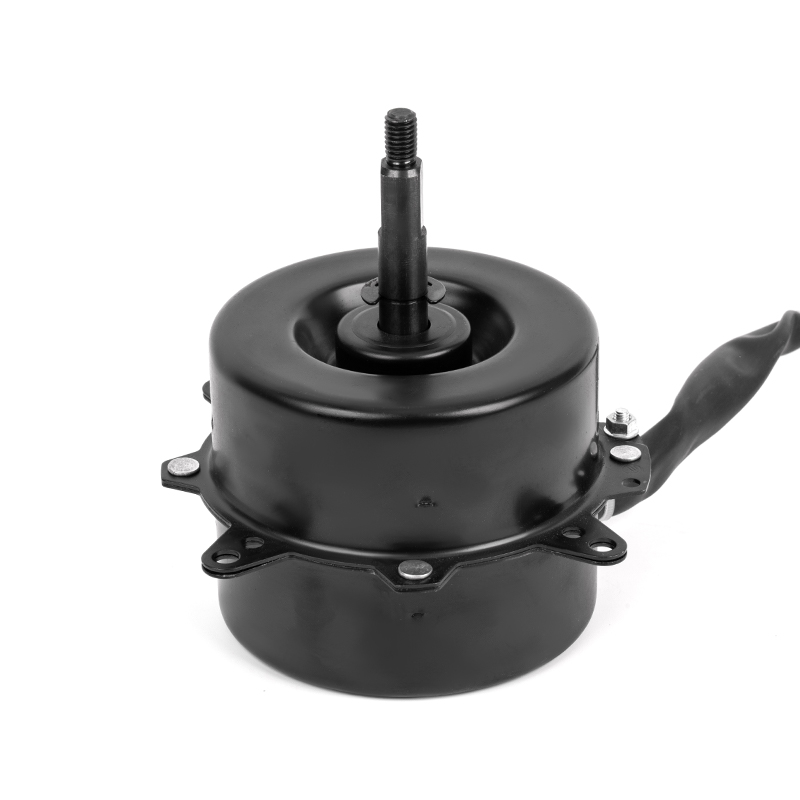
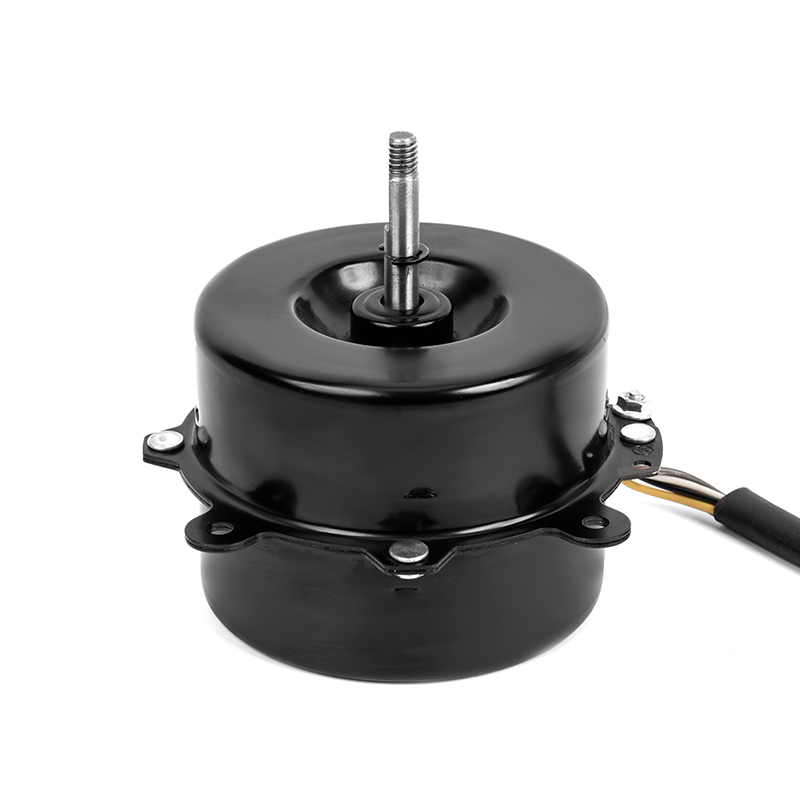
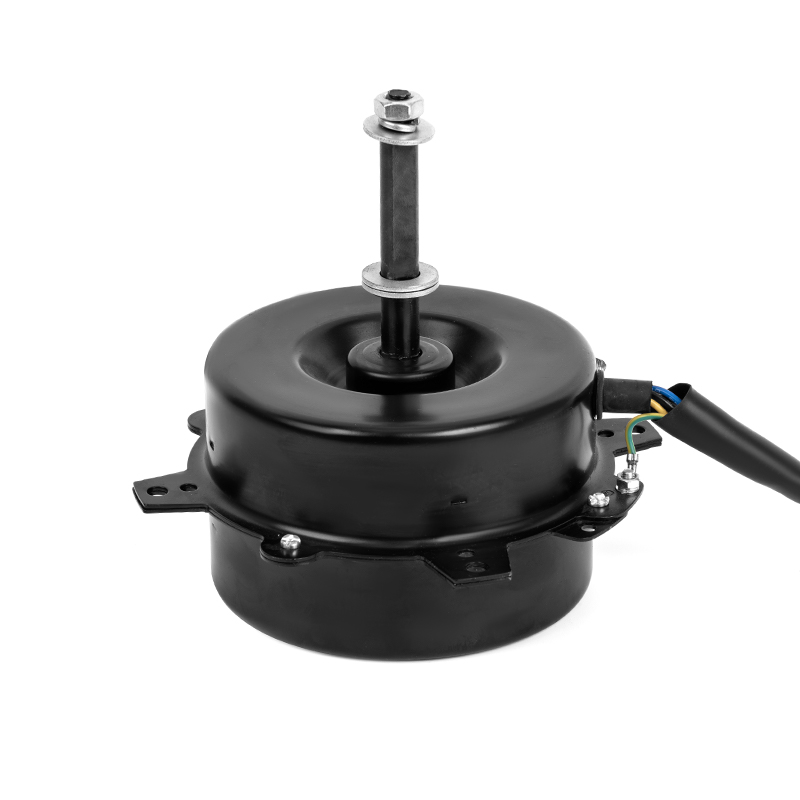
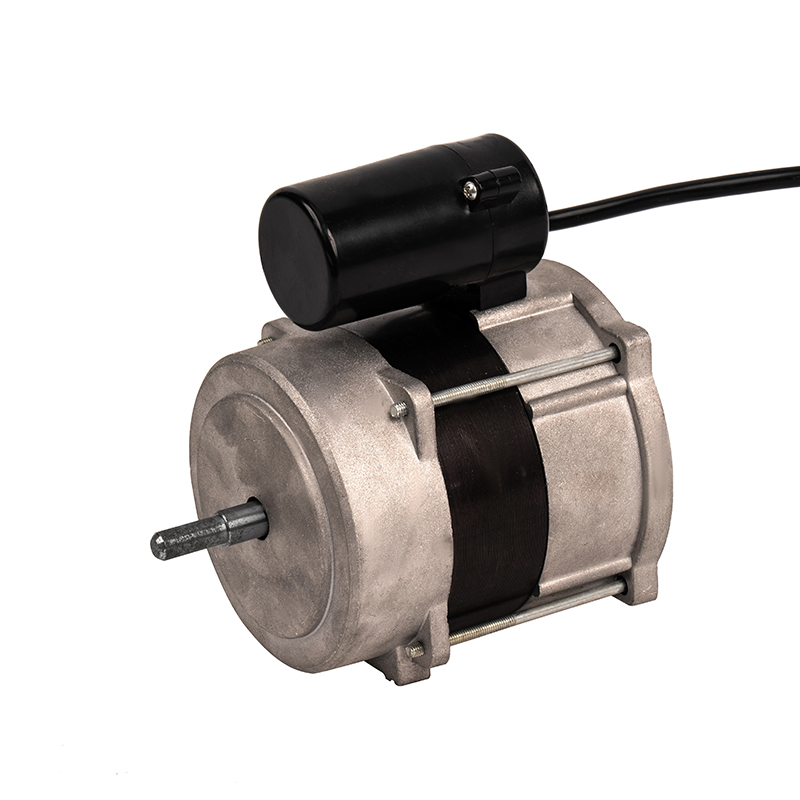
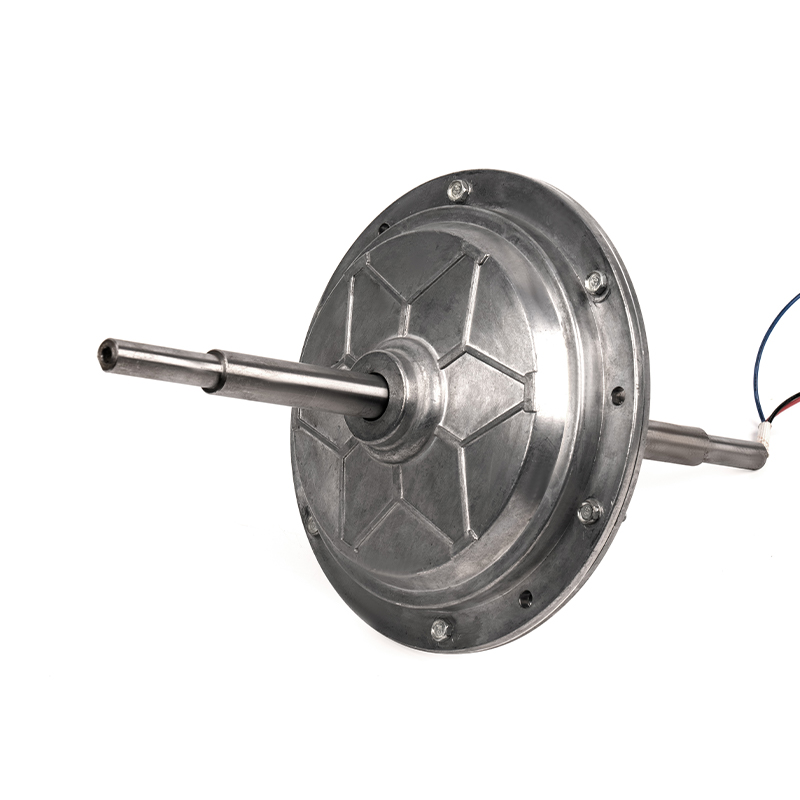 Small Air Cooler Motor: Built for Continuous DutyThis independently developed brushless DC motor is designed for long-running cooling and ventilation applications, with a built-in fan to prevent overheating and full customization options.View Product →
Specifying a brushless motor: what to check before purchasing
For a buyer or design engineer, the motor and its controller form one system. These six details separate a smooth-running product from a problematic one:
- Torque at working speed — require a torque-speed curve, not just a wattage rating.
- Controller compatibility — input voltage, PWM frequency, and current rating must match the winding design.
- Startup behavior — sensorless motors need a proven open-loop start, especially under load.
- Environmental limits — temperature and humidity tolerance for windings, magnets, and electronics.
- Bearing quality — the main wear component in a brushless motor; grade and sealing matter.
- Certifications — verify which approvals the motor holds for your target market before you commit.
At the planning stage, buyers often start with a motor family rather than a single model. For efficient variable-speed appliances, that family is DC; the choice then narrows to control strategy, driver electronics, and mounting.
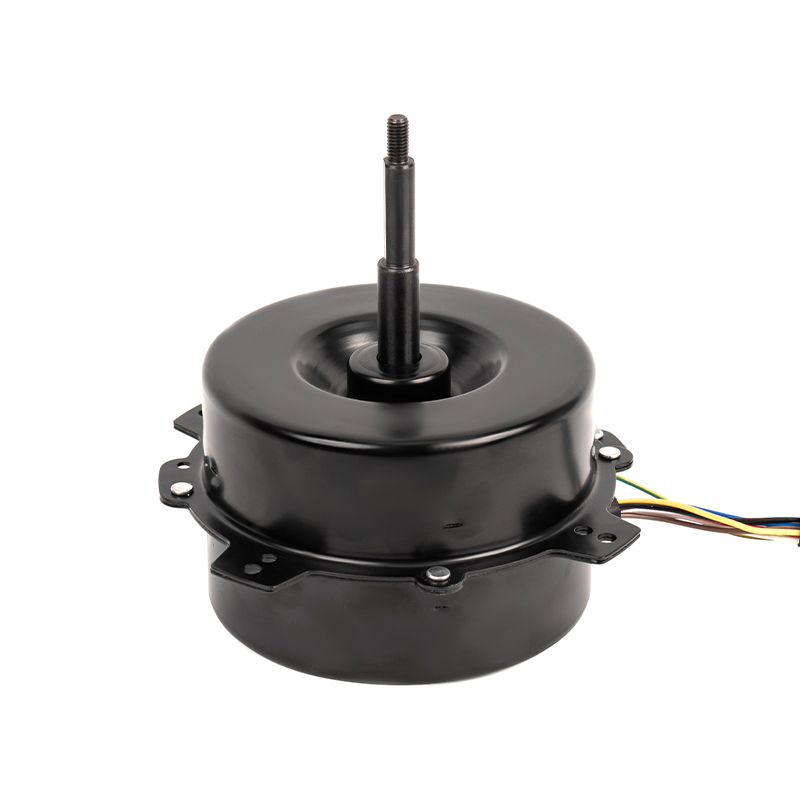
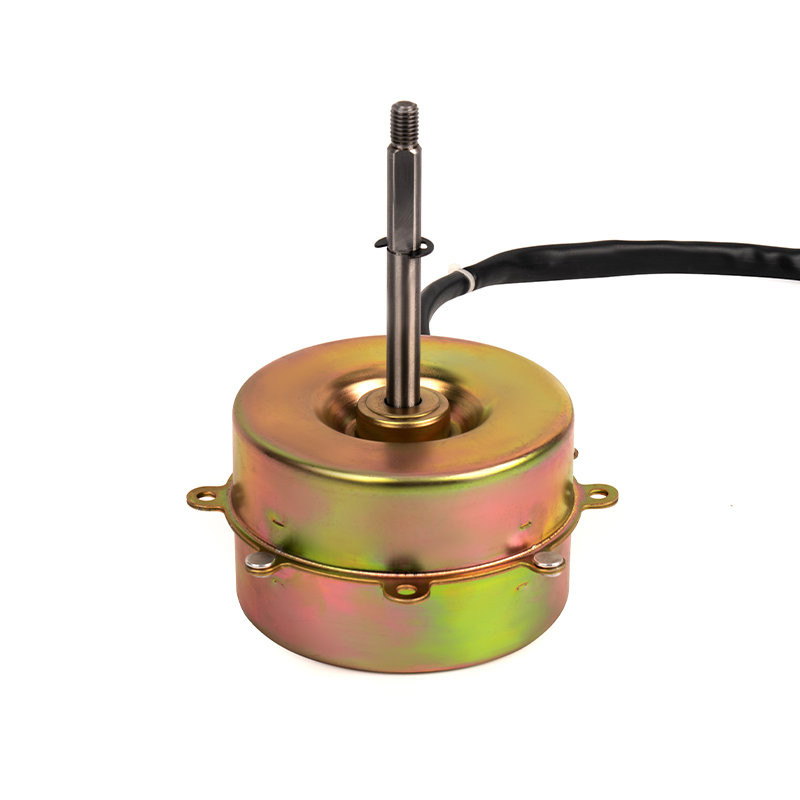
DC Motor Family: Efficient Variable-Speed SolutionsExplore this category covering air cooler and range hood DC motors, highlighting adjustable speed, high torque, and energy efficiency for modern appliance designs.View Product →
Where brushless quietly took over: the range hood
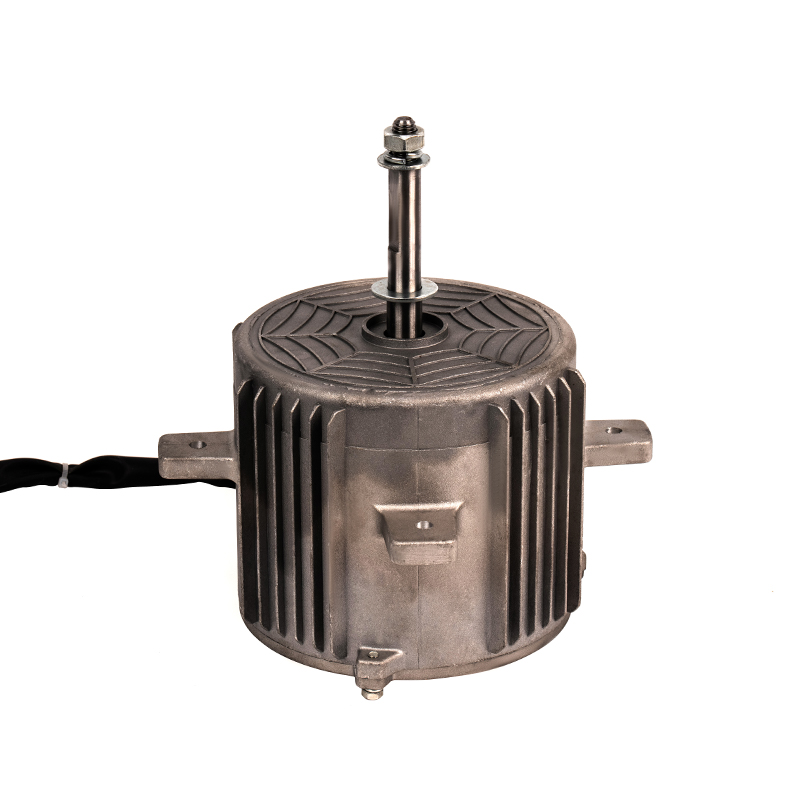
Kitchen ventilation shows the shift most clearly. A hood fan runs often, at several speeds, inside a space full of steam, grease, and heat. A brushed motor loses torque as its voltage drops; a brushless motor holds airflow because the controller maintains torque independently of speed. In many designs, a range hood DC motor improves energy efficiency compared with traditional AC motors while making the low-speed night mode genuinely quiet.
 Range Hood DC Motor: Smart, Quiet, and ReliableThis brushless motor with intelligent speed control adjusts to fume levels, delivering low noise and high efficiency for kitchen ventilation systems.View Product →
None of this requires exotic materials. The motor uses ordinary copper, magnets, and steel; the difference is that switching has moved from a wearing contact to a solid-state bridge that never tires.
The quiet motor, summed up
Start with commutation and every other benefit follows. A brushed motor switches its current mechanically and pays continuously in friction, dust, and wear. A brushless motor switches electronically and pays once, in the controller. The rotor becomes a magnet, the coils stand still, and the motor’s useful life moves from the brush pocket to the bearing race.
So the short, honest answer to how do brushless motors work is: the motor no longer switches its own current — the controller does. It senses the rotor position, energizes the correct winding, and repeats that sequence thousands of times per minute, converting DC power into smooth rotation with no sliding contact.
The next time a fan starts without a shudder and runs for hours without attention, that silence is the signature of a motor that solved its oldest problem. If you are evaluating motors for an appliance project, this is the practical meaning of electronic commutation.
 ++86 13524608688