

 English
 عربى
عربى-
Humidity Considerations: Capacitor Operated One-Way Motors are sensitive to moisture because water intrusion can compromise insulation resistance, degrade the capacitor, and accelerate corrosion of internal components such as windings, rotor, and bearings. These motors are typically designed to operate in environments with relative humidity levels up to 85% for standard enclosed models, provided the housing is sealed appropriately. For applications with higher humidity, such as bathrooms, commercial kitchens, or outdoor locations, a Totally Enclosed Fan-Cooled (TEFC) or IP-rated housing is recommended to prevent moisture ingress. The capacitor, which is critical for motor startup and phase shifting, must also be protected from condensation, as moisture can cause dielectric breakdown, leading to reduced starting torque or motor failure. Proper sealing and protective coatings enhance reliability in humid environments while ensuring consistent performance.
-
Dust and Particulate Matter: Dust, sand, and other fine particulates can infiltrate motor housings and accumulate on windings, bearings, and capacitor terminals, creating insulation problems, increased friction, or heat buildup. Capacitor Operated One-Way Motors are ideally suited for relatively clean environments or those equipped with protective enclosures such as IP55 or TEFC ratings, which prevent dust ingress. In dusty industrial environments, motors may require additional filtration, air seals, or frequent maintenance to prevent accumulation that could interfere with cooling airflow or disrupt electrical insulation. Dust contamination is particularly concerning in capacitor-operated motors because debris on the capacitor terminals can lead to leakage currents or reduced dielectric strength, directly affecting startup performance and motor longevity.
-
Corrosive or Chemical Atmospheres: Exposure to corrosive gases, salts, acids, or chemical vapors can deteriorate motor components, including the capacitor, windings, rotor, and housing. Capacitor Operated One-Way Motors are generally recommended for non-corrosive environments unless designed with special coatings or stainless steel components. For use in chemical plants, coastal areas, or environments with acidic or alkaline exposure, motors should be specified with protective coatings such as epoxy paint, powder coating, or corrosion-resistant metals to prevent oxidation and maintain mechanical and electrical integrity. Capacitors in these motors should be sealed or enclosed in moisture- and chemical-resistant housings to prevent dielectric failure due to exposure. Corrosion can also accelerate bearing wear, increasing vibration and noise while reducing motor lifespan.
-
Temperature Range: Environmental temperature indirectly affects the motor’s suitability because heat combined with humidity or dust can exacerbate insulation degradation and capacitor stress. Capacitor Operated One-Way Motors are typically rated for ambient temperatures between -20°C and 40°C for standard models. For higher ambient temperatures or fluctuating conditions, the motor should include high-temperature windings, thermally rated capacitors, and enhanced cooling measures to maintain performance and prevent overheating. Excessive heat accelerates capacitor aging, reduces starting torque, and can cause insulation breakdown in windings, making proper temperature consideration essential when operating in hot or enclosed environments.
-
Outdoor and Wet Conditions: Standard Capacitor Operated One-Way Motors are not designed for direct water exposure or outdoor environments without protective enclosures. For outdoor applications, motors must be IP-rated (e.g., IP55 or higher) to prevent water ingress during rain or cleaning processes. Moisture protection prevents capacitor failure and maintains insulation integrity, while dust and debris seals reduce long-term wear. Outdoor-rated motors often include corrosion-resistant housings, enhanced seals, and sometimes thermally protected capacitors to cope with temperature swings, humidity, and environmental contaminants.
-
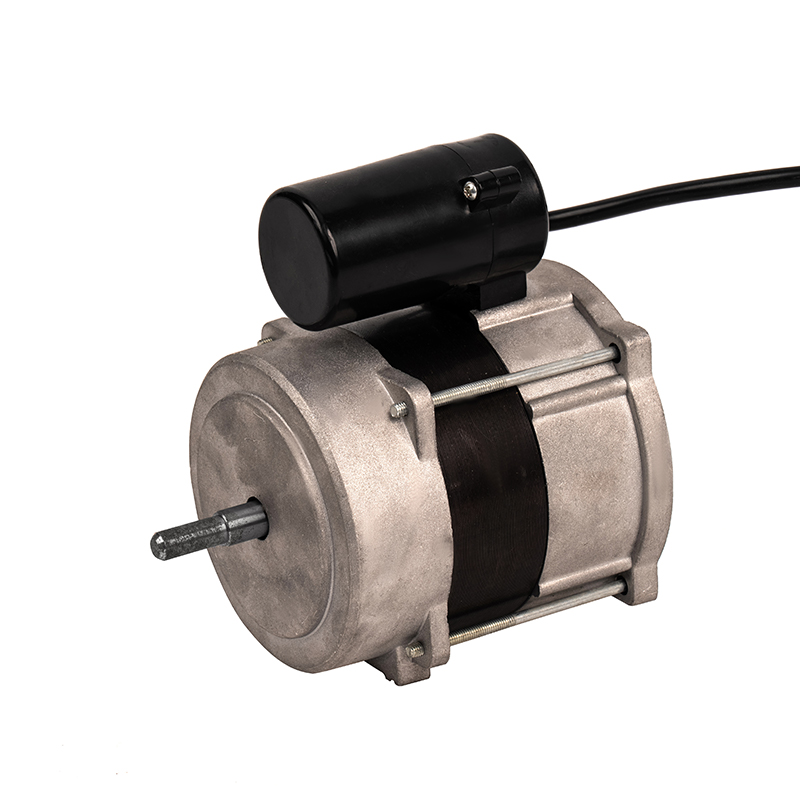
Recommendations for Environmental Suitability: In general, Capacitor Operated One-Way Motors perform best in controlled indoor environments with low to moderate humidity, minimal dust, and no exposure to corrosive chemicals. For harsh environments, selecting motors with IP ratings, corrosion-resistant housings, sealed or coated capacitors, and high-temperature-rated components ensures reliable operation. Periodic inspection and maintenance are also recommended to clean dust accumulation, verify capacitor integrity, and lubricate bearings, maintaining both performance and service life. Proper environmental assessment is critical to prevent capacitor failure, insulation breakdown, and mechanical wear, which could lead to premature motor failure or safety risks.
 ++86 13524608688