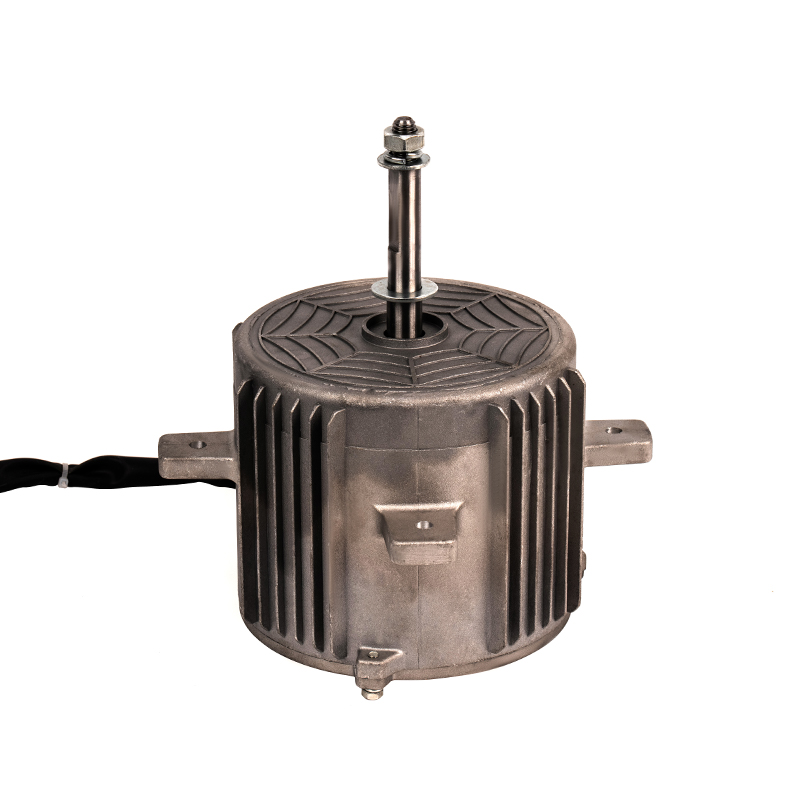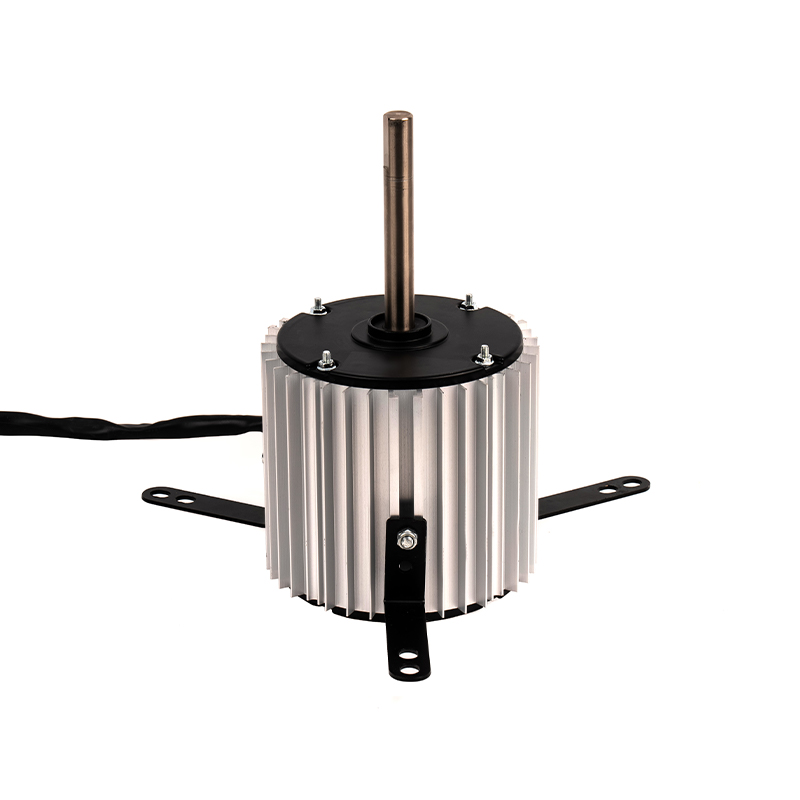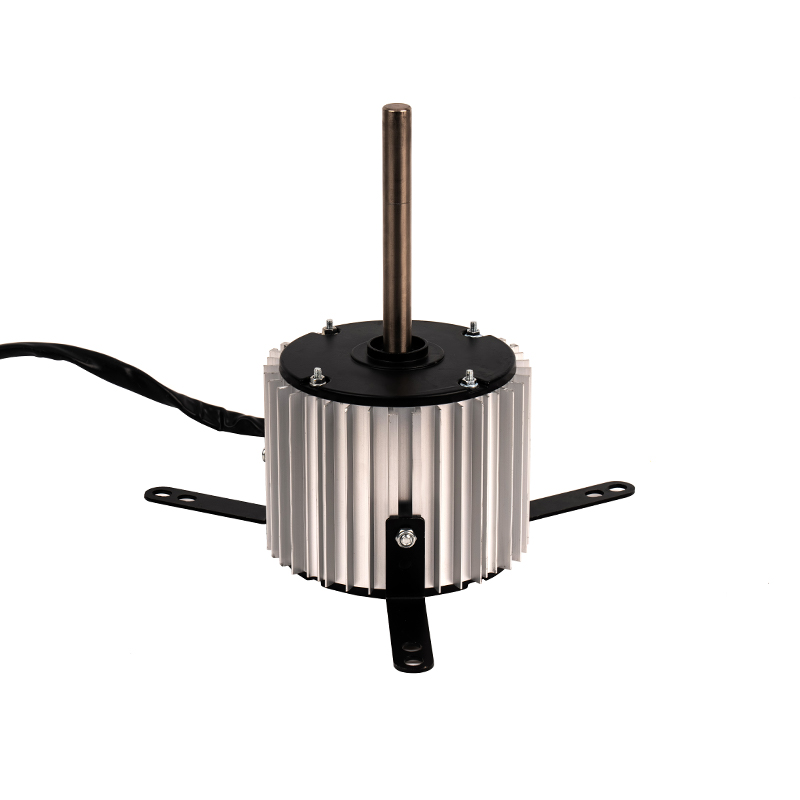


 English
 عربى
عربىMotor Engineering / Comparative Analysis
The Real Cost of Choosing AC Over DC
Speed control, torque, and power quality tell a more complicated story than the datasheet suggests — a close reading of what an AC motor gives up against its DC counterpart.
The Direct Answer: Where AC Motors Fall Short of DC Motors
In most applications, an AC motor is harder to control precisely, produces less starting torque per unit size, and requires more expensive control electronics than a comparable DC motor. If your application depends on fine speed regulation, immediate torque at zero RPM, or simple voltage-based control from a battery source, a DC motor is usually the more practical choice. AC motors still win on ruggedness and long-term maintenance, but that advantage comes at the cost of control simplicity, which is the core disadvantage users run into again and again.
The rest of this article breaks down exactly why AC motors create these challenges, using concrete technical reasons rather than vague generalities, so you can decide whether the tradeoffs make sense for your specific setup.
Speed Control Is Fundamentally More Complicated
The speed of an AC motor is tied directly to the frequency of the supply and the number of motor poles, following the formula N = 120f/P. This means that unless you change the frequency, the motor's speed stays locked close to its synchronous value, only dropping slightly under load due to slip. A DC motor, by contrast, changes speed almost linearly with applied voltage, which makes it trivial to slow down, speed up, or fine-tune with a simple potentiometer or basic controller.
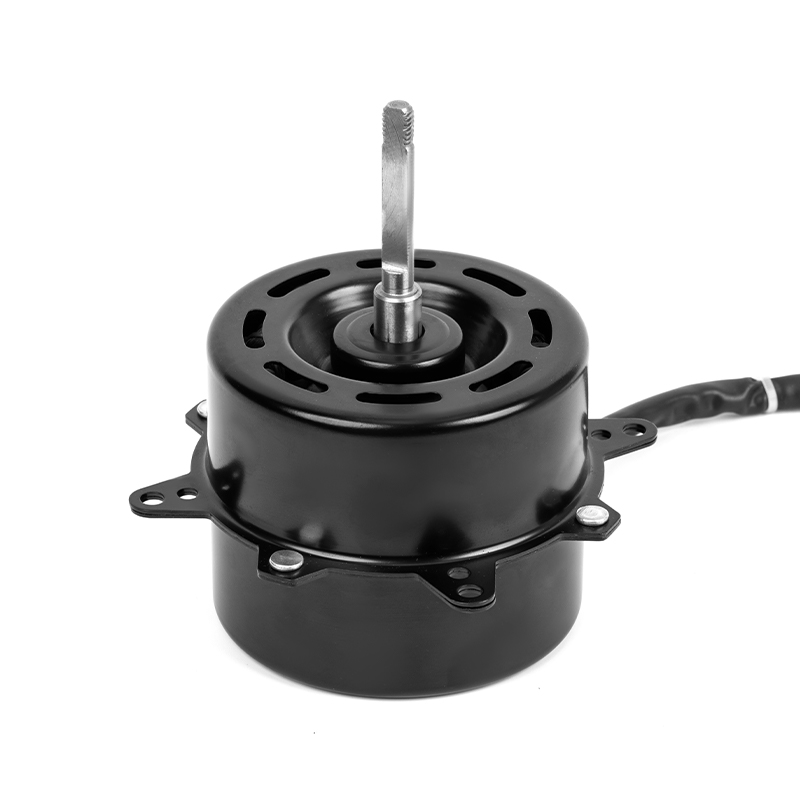
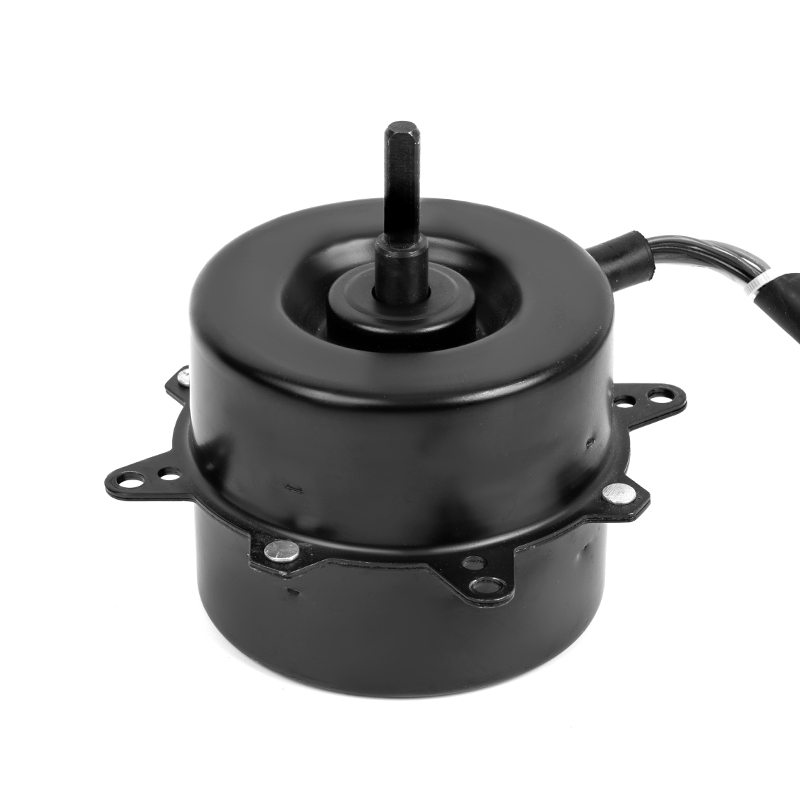
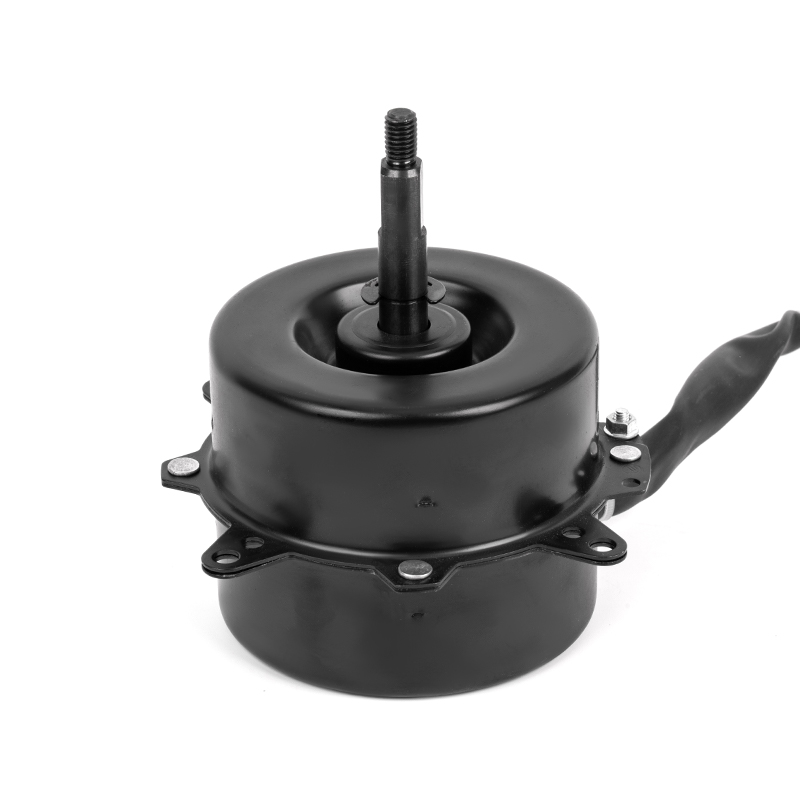
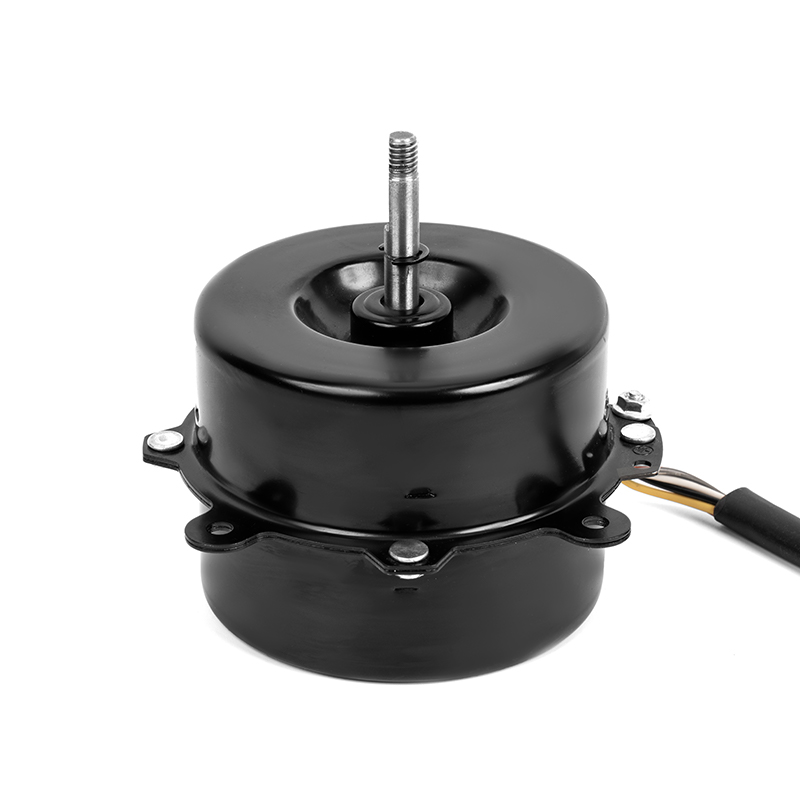
AC motor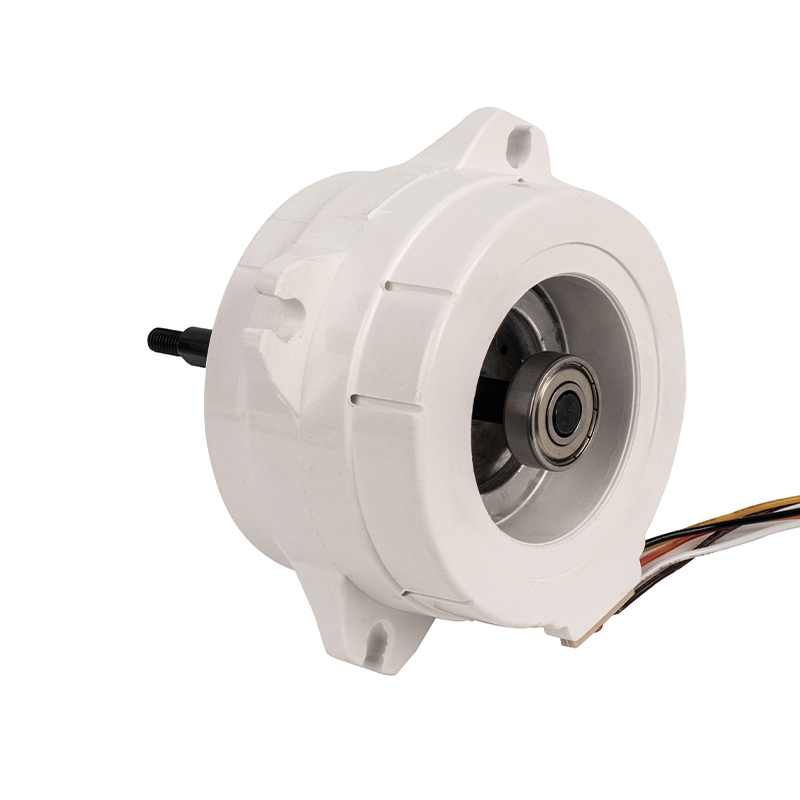
Why This Matters in Practice
If your application needs to run at anything other than a fixed speed, an AC motor cannot do this on its own. You need a variable frequency drive (VFD) to electronically adjust the frequency, and that adds a layer of complexity that a DC system simply doesn't require. Even with a VFD installed, the control response is rarely as smooth or as fast as what a DC motor delivers natively.
- AC motor speed is quantized by pole count and line frequency, not freely adjustable
- DC motor speed responds directly and predictably to voltage changes
- Achieving AC variable speed typically adds 15% to 30% to total system cost once a VFD is included
Weaker Starting Torque and Less Predictable Torque Control
Standard AC induction motors typically produce a starting torque of only 150% to 250% of rated torque, and that torque is not fully available until the rotor begins to build up slip against the rotating magnetic field. A DC motor, particularly a series-wound type, can deliver very high torque right from a standstill, which is why DC motors remain common in applications like elevators, cranes, and electric vehicles where instant pulling power matters.
The Practical Impact on Heavy Loads
If your load has high static friction or needs to move immediately under full load, an AC motor may stall or draw excessive current trying to overcome that initial resistance. Engineers often have to oversize the AC motor just to guarantee sufficient starting torque, which increases both the physical footprint and the electrical demand of the system compared to a properly sized DC alternative.
Higher Costs from Required Control Electronics
A basic AC motor is inexpensive on its own, but the moment your application needs speed regulation, soft starting, or precise positioning, the true cost shows up in the control hardware. VFDs, soft starters, and encoders needed to make an AC motor behave predictably can double or triple the total system cost relative to the motor's base price. DC motor systems, especially smaller ones, often need nothing more than a simple PWM controller to achieve similar functionality.
Where the Extra Spending Goes
- Variable frequency drives for speed adjustment
- Encoders or resolvers for position feedback
- Harmonic filters to clean up drive-generated noise
- Additional enclosure space and cooling for the drive electronics
None of these costs disappear once installed either — VFDs and drives require their own maintenance, firmware updates, and occasional replacement, adding a recurring expense that a DC motor's simpler control loop avoids.
Power Quality Problems: Inrush Current, Power Factor, and Harmonics
AC motors, particularly induction types, draw a starting current that can reach six to eight times their rated running current. This inrush current can cause voltage dips on the supply line, trip protective breakers, or stress transformers if multiple motors start simultaneously. DC motors generally have more controllable startup current because the driving voltage can be ramped gradually.
Power Factor Degradation
AC induction motors also consume reactive power, which lowers the overall power factor of the electrical system, especially when the motor runs under light or partial load. A poor power factor increases utility charges in many commercial settings and may require capacitor banks for correction — another cost DC motor systems typically avoid.
Warning
Once a VFD is added to control an AC motor's speed, it introduces harmonic distortion into the electrical supply. This distortion can interfere with sensitive nearby equipment and, in larger installations, may require dedicated harmonic filters to stay within utility compliance limits.
Extra Challenges for Small AC Electric Motor and Mini AC Motor Designs
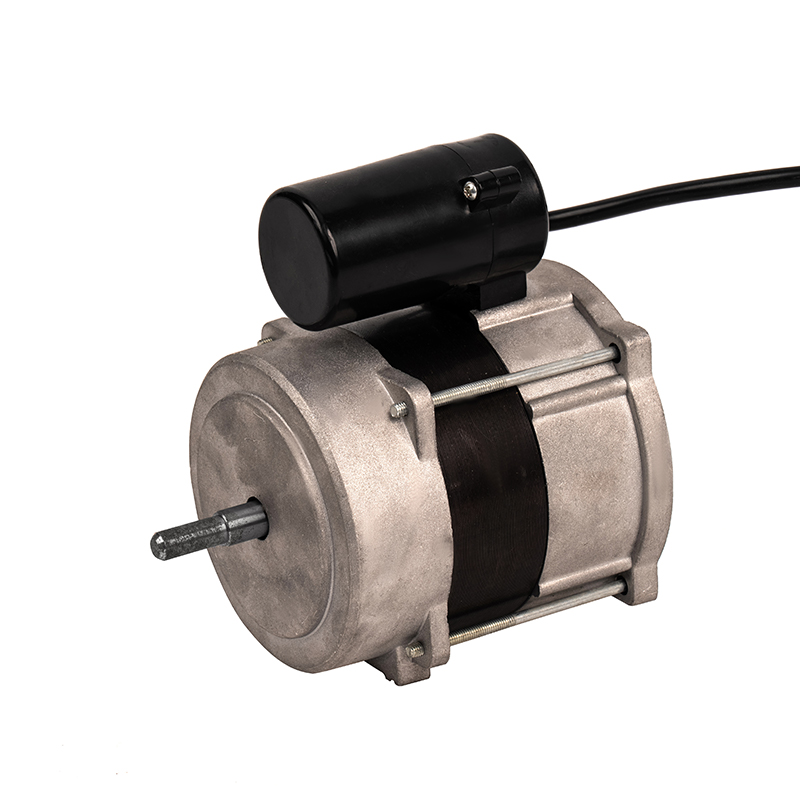
The disadvantages of AC motors become even more pronounced at small scale. A single-phase small AC electric motor cannot generate a rotating magnetic field on its own the way a three-phase motor can, so it needs auxiliary components like starting capacitors, shaded poles, or split-phase windings just to begin rotating. These additions increase manufacturing complexity and reduce reliability compared to a similarly sized DC motor, which starts reliably from a simple two-wire connection.
A mini AC motor used in compact appliances or portable equipment also tends to run less efficiently at low power ratings, since fixed losses like core loss and friction make up a larger share of total input power when the motor itself is small. Designers working with a mini AC motor often find that achieving smooth, adjustable speed in a compact housing is far more difficult than with an equivalently sized DC motor, which is one reason DC motors dominate battery-powered handheld tools, drones, and small robotics.
Compatibility with DC Power Sources
Info
Any application powered by batteries, solar panels, or other native DC sources must convert that power to AC using an inverter before an AC motor can even run. This adds weight, cost, and conversion losses that a DC motor avoids entirely by connecting straight to the source — a significant disadvantage for portable or off-grid designs.
AC Motor vs DC Motor: A Side-by-Side Comparison
| Factor | AC Motor | DC Motor |
|---|---|---|
| Speed Control | Requires VFD, less direct | Simple voltage adjustment |
| Starting Torque | Moderate, delayed by slip | High, available instantly |
| Control Hardware Cost | High with VFD/encoders | Low, simple controllers |
| Starting Current | 6-8x rated current | Controllable, gradual |
| Battery/DC Source Use | Needs inverter | Direct connection |
| Maintenance | Low, brushless | Higher, brush wear |
When a DC Motor Makes More Sense for Your Application
Based on the disadvantages outlined above, a DC motor is generally the better fit when your application involves any of the following conditions:
- You need precise, continuously variable speed without adding a VFD
- The load requires strong torque immediately at startup
- Your power source is inherently DC, such as batteries or solar panels
- Budget constraints rule out expensive drive electronics
- The application is compact, such as a mini AC motor replacement in portable equipment where inverter weight is a problem
Success
If your priority is long-term durability, minimal maintenance, and stable performance running at a fixed or near-fixed speed on grid power, the disadvantages of an AC motor become far less significant, and its lower long-term maintenance burden can outweigh the control limitations discussed here.
Final Recommendation for Choosing Between AC and DC
Choosing between an AC motor and a DC motor comes down to matching the motor's inherent limitations to your operating conditions. If your project depends on control precision, startup torque, or direct DC power compatibility, the disadvantages of an AC motor — complex speed control, weaker instant torque, costly drive electronics, and power quality issues — are likely to outweigh its ruggedness advantages. For applications using a small AC electric motor or a compact mini AC motor, these drawbacks are amplified further by the extra components single-phase designs require just to start reliably. Evaluate your torque, speed control, and power source requirements first, and let those specifics — not general assumptions about AC motors being simpler — guide your final decision.
 ++86 13524608688