

 English
 عربى
عربى-
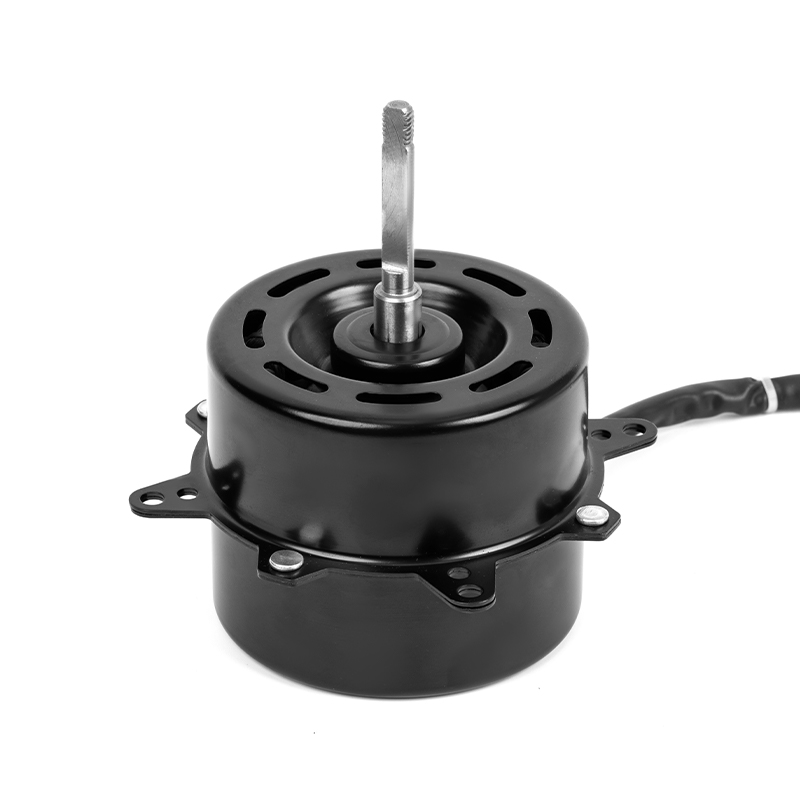
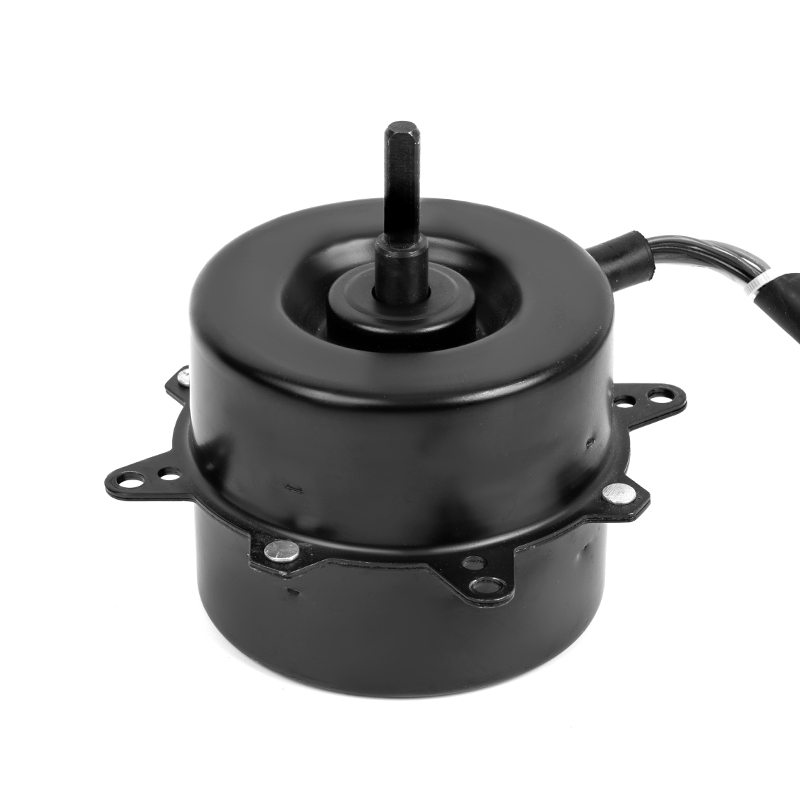
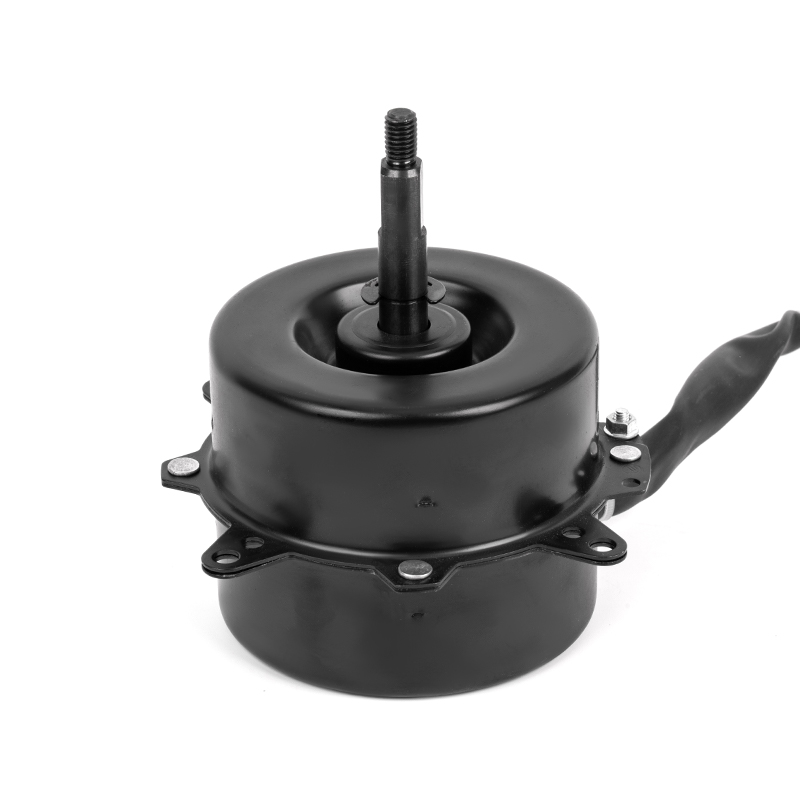
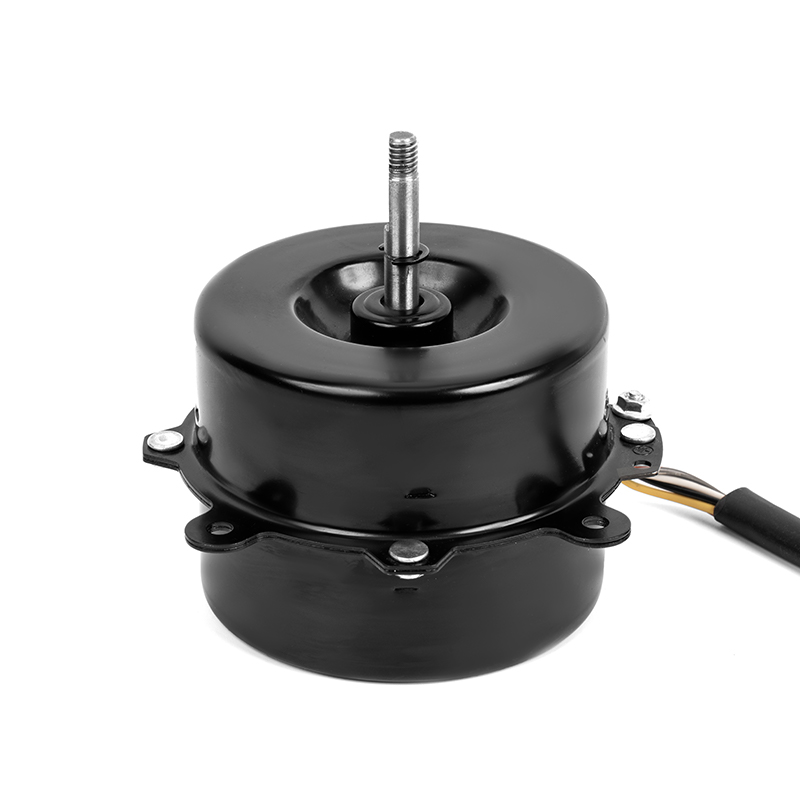
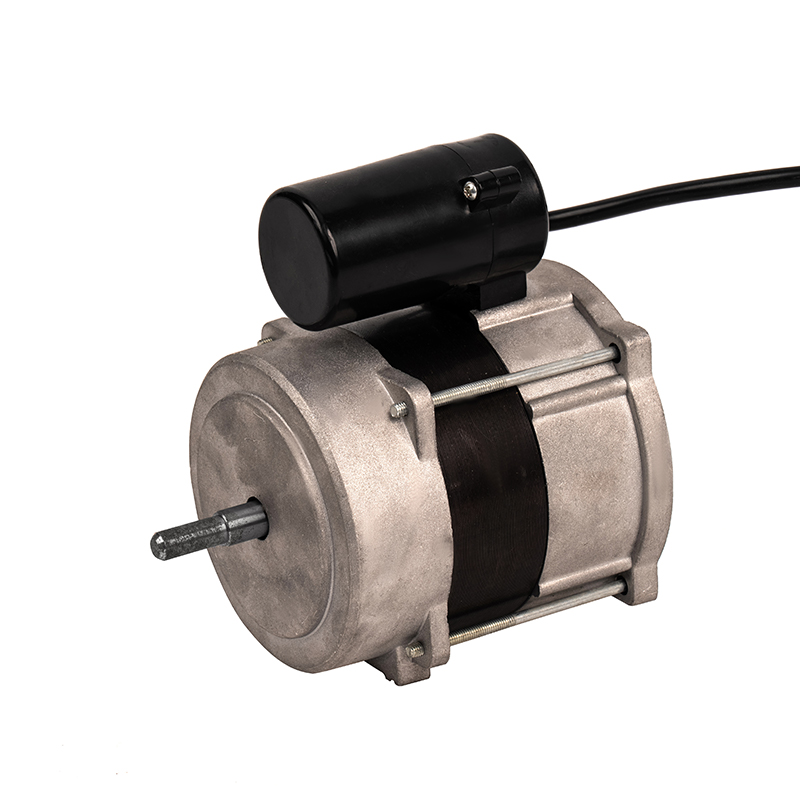
Impact of Voltage Drops on Starting Torque – In a Single-phase Capacitor-run Air Cooler Motor, the auxiliary winding and run capacitor create a phase shift that generates the starting torque necessary to rotate the motor under load. During a brownout or sustained voltage drop, the supply voltage falls below nominal levels, reducing the voltage applied to both the main and auxiliary windings. This results in a significant reduction in starting torque. If the motor is attempting to start with a fully loaded fan or heavy rotor, the lowered starting torque may be insufficient to overcome inertia, causing delayed startup or complete failure to start. Frequent low-voltage starts can gradually stress the motor windings, reduce insulation life, and shorten overall motor lifespan.
-
Effect on Capacitor Function and Phase Shift – The run capacitor is designed for a specific voltage to maintain the optimal phase angle between the main and auxiliary windings. When voltage drops occur, the voltage across the capacitor decreases proportionally, reducing its ability to create the intended phase shift. This diminished phase angle results in lower torque production during both startup and running conditions. The motor may experience uneven torque distribution, leading to humming, vibration, or oscillation in the rotor. Repeated exposure to such conditions can stress the capacitor dielectric, potentially leading to premature failure or reduced capacitance over time, further affecting motor efficiency.
-
Current Response and Thermal Stress – Under voltage fluctuations, the motor compensates for reduced voltage by drawing higher current in an attempt to maintain torque. This elevated current increases the heat generated in the stator windings, rotor, and capacitor. Prolonged operation under brownout conditions can lead to excessive thermal stress, which accelerates insulation degradation and may trigger built-in thermal protection devices if installed. Without proper protection, sustained overcurrent conditions can cause permanent damage to the motor windings, capacitor, and bearing assemblies, increasing maintenance costs and downtime.
-
Running Performance and Airflow Impact – When operating under reduced voltage, the fan speed of the air cooler decreases due to lower running torque. This results in decreased airflow, reduced cooling efficiency, and potential discomfort in the conditioned space. In extreme low-voltage scenarios, the motor may stall completely, stopping the fan. Additionally, torque imbalance caused by the weakened phase shift may generate vibrations or humming noise, which can propagate through the air cooler structure and contribute to mechanical wear or structural fatigue over time.
 ++86 13524608688