

 English
 عربى
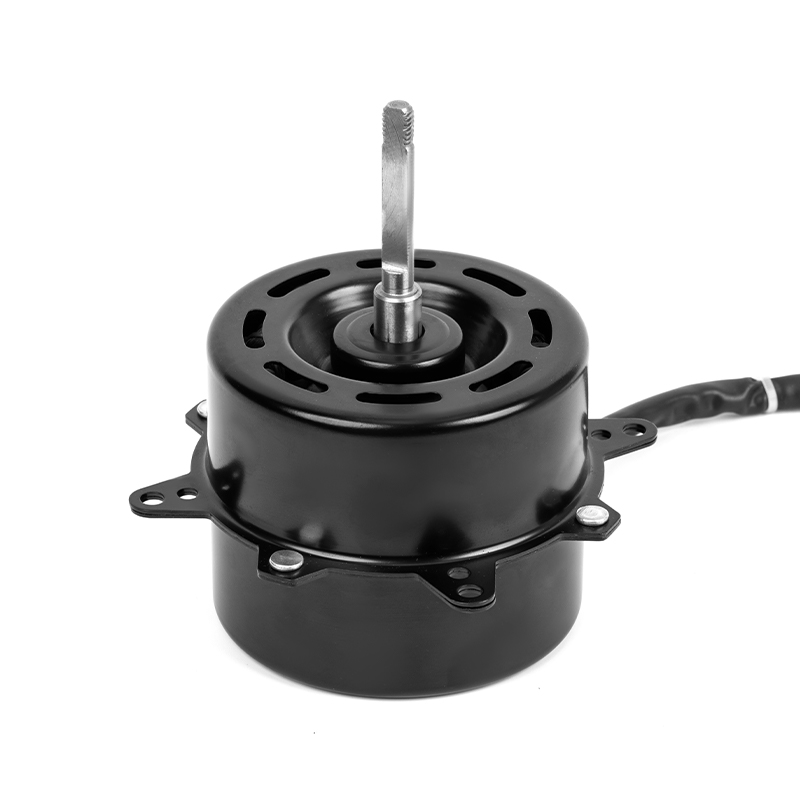
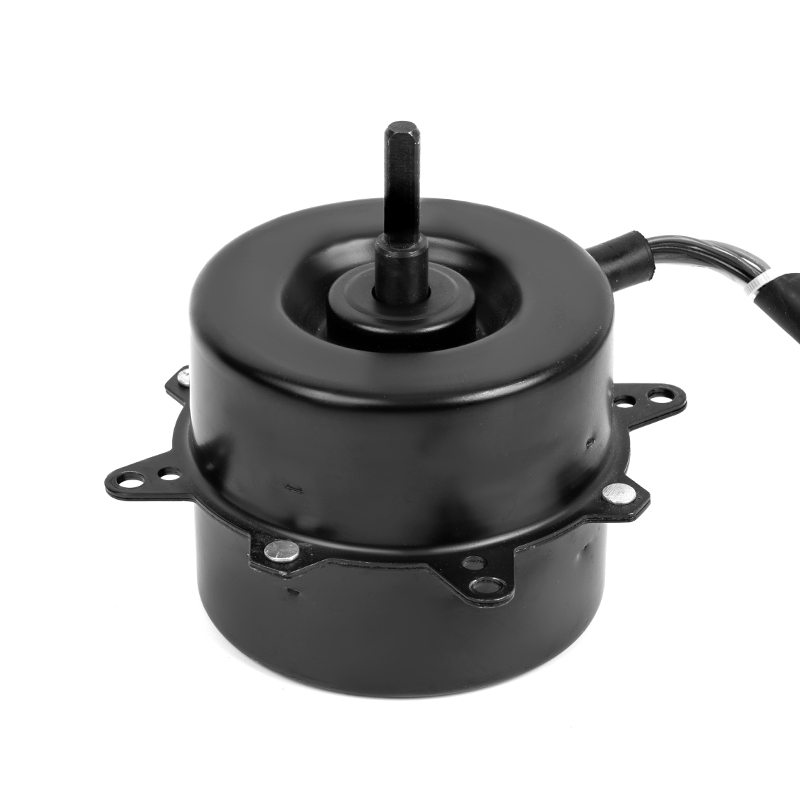
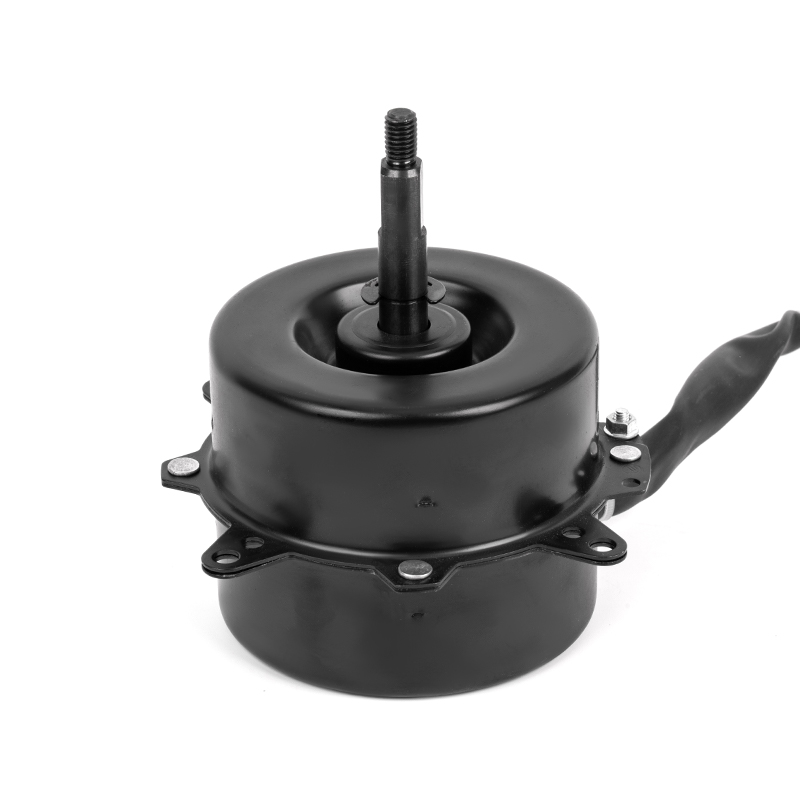
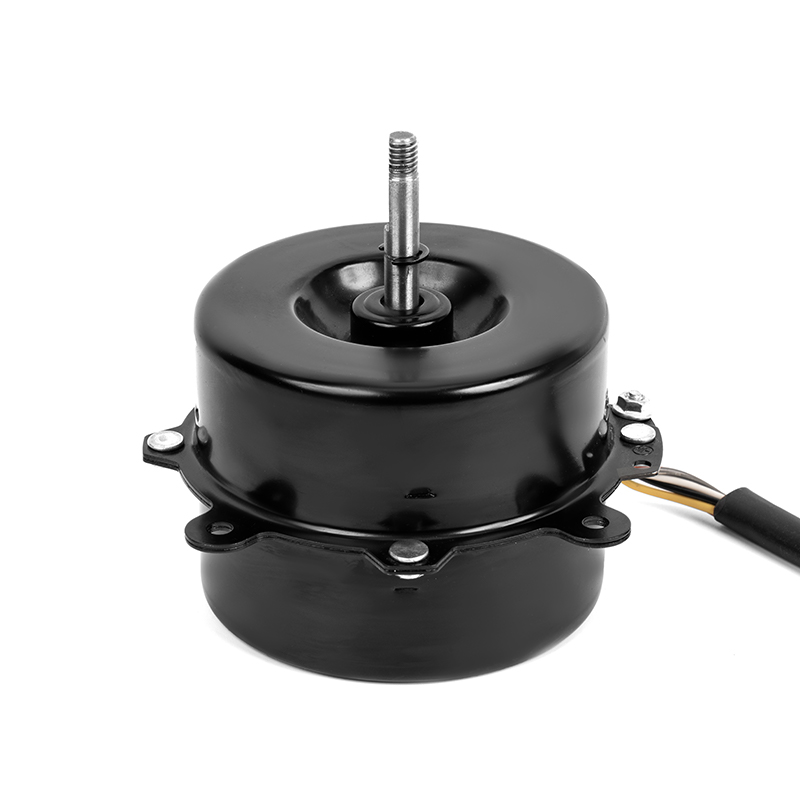
عربىFor a single-phase cold air AC motor, the synchronous speed is determined by the supply frequency and the number of magnetic poles in the motor. At a standard frequency of 50 Hz, a 2-pole motor has a synchronous speed of 3000 RPM, while a 4-pole motor runs at 1500 RPM. However, due to rotor slip — a fundamental characteristic of induction motors — the actual operating RPM under full load is always slightly lower than the synchronous speed, typically falling between 2 to 8% below the synchronous value. For most single-phase cold air AC motors used in residential and light commercial cooling applications, the actual full-load RPM ranges from 1380 to 1450 RPM (4-pole, 50 Hz) or 2800 to 2900 RPM (2-pole, 50 Hz).
How Synchronous Speed Is Calculated
The synchronous speed of any AC induction motor — including the single-phase cold air AC motor — is governed by a straightforward formula:
Ns = (120 × f) / P
Where Ns is the synchronous speed in RPM, f is the supply frequency in Hz, and P is the number of poles. This formula applies universally to single-phase cold air AC motors regardless of their physical size or rated power output.
Using this formula, the common synchronous speeds for single-phase cold air AC motors are as follows:
| Number of Poles | Supply Frequency (Hz) | Synchronous Speed (RPM) | Typical Full-Load RPM |
|---|---|---|---|
| 2 | 50 | 3000 | 2800 – 2900 |
| 4 | 50 | 1500 | 1380 – 1450 |
| 6 | 50 | 1000 | 920 – 960 |
| 2 | 60 | 3600 | 3450 – 3500 |
| 4 | 60 | 1800 | 1725 – 1750 |
Understanding Rotor Slip and Its Impact on Actual RPM
Slip is the difference between the synchronous speed and the actual rotor speed, expressed as a percentage. In a single-phase cold air AC motor, slip is not a flaw — it is a necessary operating condition that allows the rotor to experience a changing magnetic field and thereby generate torque. Without slip, no electromagnetic force would be induced in the rotor windings, and the motor would produce zero torque.
The slip formula is: Slip (%) = [(Ns − Nr) / Ns] × 100, where Nr is the actual rotor speed. For example, a 4-pole single-phase cold air AC motor on a 50 Hz supply with a full-load speed of 1440 RPM has a slip of [(1500 − 1440) / 1500] × 100 = 4%, which is well within the normal operating range.
Key factors that influence the slip value in a single-phase cold air AC motor include:
- Load magnitude — heavier mechanical loads increase slip and reduce actual RPM
- Rotor resistance — higher rotor resistance increases slip at a given load
- Supply voltage variation — low voltage causes increased slip and reduced output torque
- Ambient temperature — elevated temperatures increase winding resistance and affect slip
Why the 4-Pole Configuration Dominates Cold Air AC Motor Applications
Among the available pole configurations, the 4-pole single-phase cold air AC motor is by far the most widely used in cooling and air circulation equipment. Its nominal synchronous speed of 1500 RPM (50 Hz) or 1800 RPM (60 Hz) strikes the ideal balance between airflow performance, noise level, and mechanical efficiency for centrifugal and axial fan assemblies commonly found in cold air units.
A 2-pole motor running at nearly 3000 RPM would generate excessive noise and place greater mechanical stress on the fan blades, while a 6-pole motor at around 950 RPM may not deliver sufficient airflow velocity for effective cold air distribution. The 4-pole motor's actual full-load speed of 1380 to 1450 RPM aligns precisely with the design parameters of most standard cold air blower assemblies, making it the industry default for single-phase cold air AC motor installations.
How Full-Load Conditions Affect the RPM of a Single-Phase Cold Air AC Motor
When a single-phase cold air AC motor operates at full load — meaning the connected fan or blower is drawing the maximum rated mechanical power from the shaft — the rotor speed drops to its lowest steady-state value. This is when slip is at its maximum within the normal operating range. For a well-designed single-phase cold air AC motor, full-load slip should not exceed 8%; anything higher suggests motor undersizing, winding degradation, or capacitor failure.
Consider a practical example: a single-phase cold air AC motor rated at 370W, 4-pole, 220V/50Hz may be specified with a full-load speed of 1400 RPM on its nameplate. At no-load, the same motor might spin at 1490 RPM — very close to the 1500 RPM synchronous speed. As the cold air fan loads the shaft, the speed settles at the rated 1400 RPM, representing a slip of approximately 6.7%.
What the Nameplate RPM Rating Tells You
The RPM value printed on the nameplate of a single-phase cold air AC motor always refers to the full-load operating speed, not the synchronous speed. This distinction is critical when sizing a replacement motor or specifying a new unit. If you select a motor based on synchronous speed alone, the actual fan performance under load will differ from your design expectations.
Always cross-reference the nameplate RPM with the required fan shaft speed to ensure proper airflow output from your cold air system.
RPM Variation Caused by Supply Frequency Differences
The operating RPM of a single-phase cold air AC motor is directly proportional to the supply frequency. In regions using 60 Hz power (such as North America and parts of Japan), all pole configurations run at proportionally higher speeds compared to 50 Hz regions (such as Europe, China, and most of Asia). This means a single-phase cold air AC motor designed for 50 Hz operation must not be used on a 60 Hz supply without recalculating the speed and verifying mechanical compatibility with the connected fan assembly.
For instance, a 4-pole single-phase cold air AC motor that runs at 1440 RPM on 50 Hz would operate at approximately 1725 RPM on 60 Hz — a 20% speed increase that could significantly alter airflow, increase motor current draw, and potentially damage the fan blades or bearings if they are not rated for the higher speed.
Diagnosing RPM Abnormalities in a Single-Phase Cold Air AC Motor
If your single-phase cold air AC motor is running noticeably slower than its nameplate RPM under normal load, several underlying issues may be responsible. Identifying the root cause early prevents further damage and maintains efficient cold air delivery performance.
- Faulty run capacitor: A degraded or failed capacitor reduces the phase shift in the auxiliary winding, weakening the rotating magnetic field and causing the rotor speed to drop significantly below its rated RPM.
- Low supply voltage: A supply voltage more than 10% below the rated value reduces torque output, increases slip, and lowers the actual operating RPM of the single-phase cold air AC motor.
- Worn or dry bearings: Increased mechanical friction from deteriorated bearings acts as an additional load on the shaft, increasing slip and reducing output RPM.
- Shorted or open stator windings: Winding faults reduce the effective magnetic field strength, causing abnormal speed reduction and excessive current draw.
- Overloaded fan assembly: A blocked air duct, damaged fan blade, or incorrectly sized impeller can mechanically overload the motor, pushing it beyond its rated slip range.
A reliable way to verify the actual RPM of a single-phase cold air AC motor in the field is to use a non-contact optical tachometer pointed at a reflective mark on the motor shaft or fan hub. This allows accurate speed measurement without disassembly and helps quickly confirm whether the motor is performing within its rated operating parameters.
Matching Motor RPM to Cold Air System Design Requirements
When selecting or replacing a single-phase cold air AC motor, matching the full-load RPM to the fan or blower design point is essential for system efficiency. Centrifugal fans follow the fan laws: airflow is proportional to speed, pressure is proportional to speed squared, and power is proportional to speed cubed. Even a 5% reduction in shaft RPM can result in a measurable decrease in cold air delivery volume.
For direct-drive cold air applications where the fan is mounted directly on the motor shaft, the motor's full-load RPM must match the fan's rated speed precisely. For belt-drive configurations, the speed difference between the motor and fan shaft can be adjusted through pulley sizing, providing more flexibility in motor selection.
Always confirm the nameplate full-load RPM of the single-phase cold air AC motor against the fan manufacturer's specifications before finalizing the installation to ensure the cold air system delivers its rated airflow performance throughout its operational life.
 ++86 13524608688