

 English
 عربى
Air movement / component sourcing
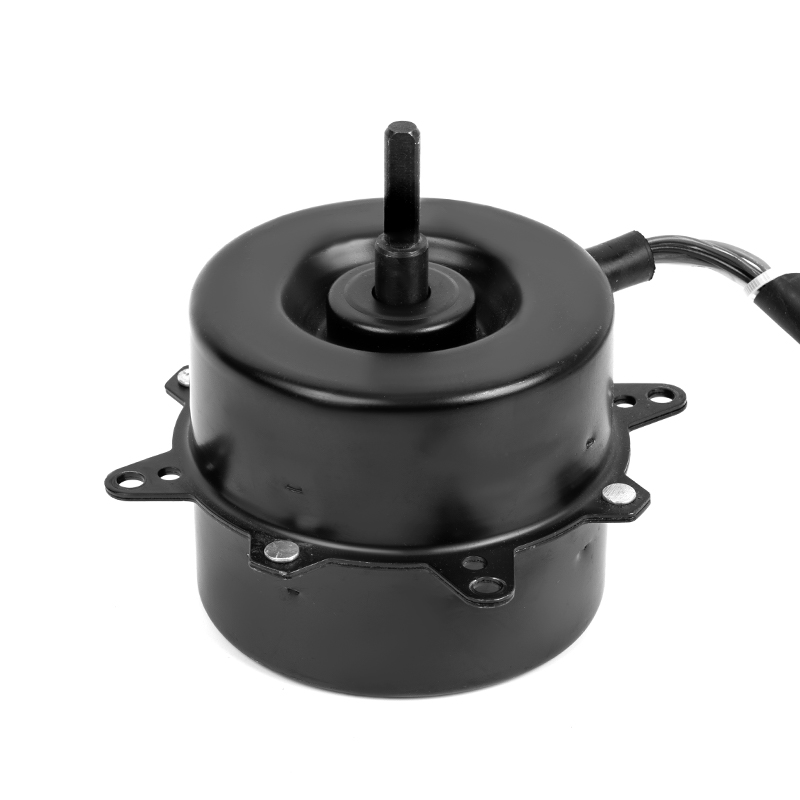
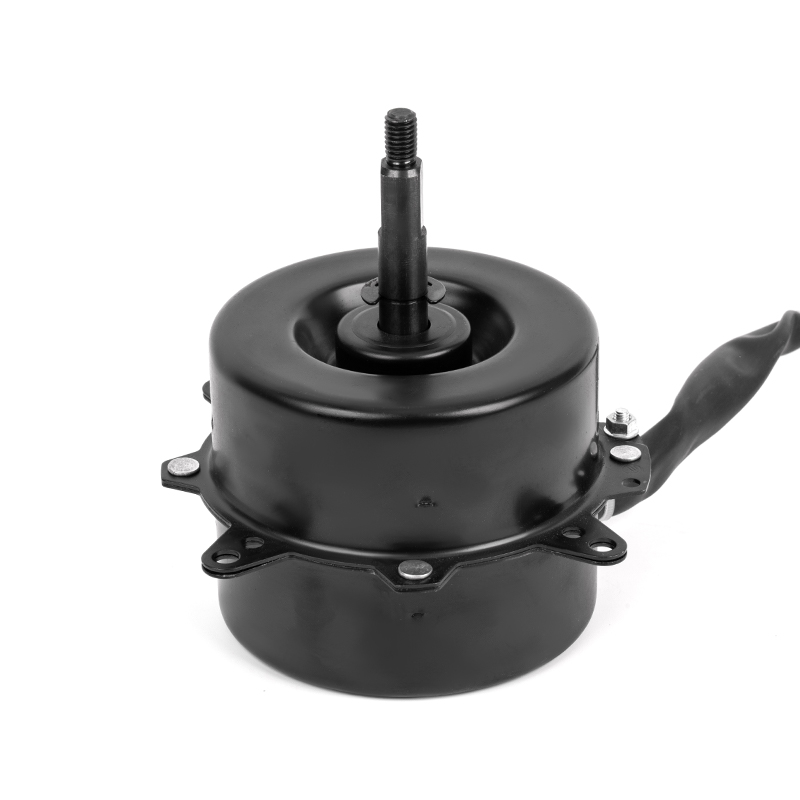
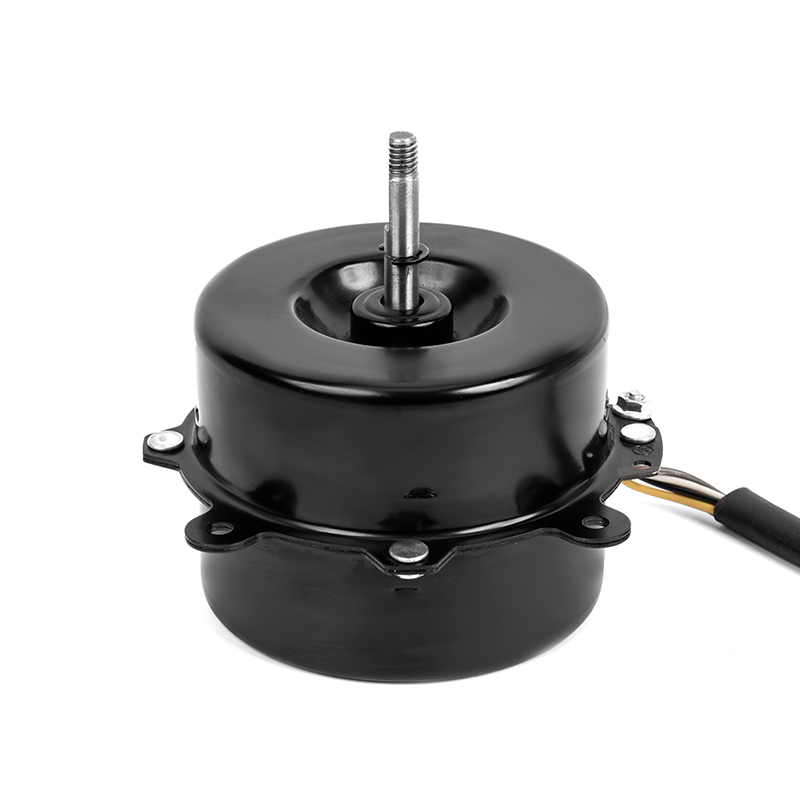
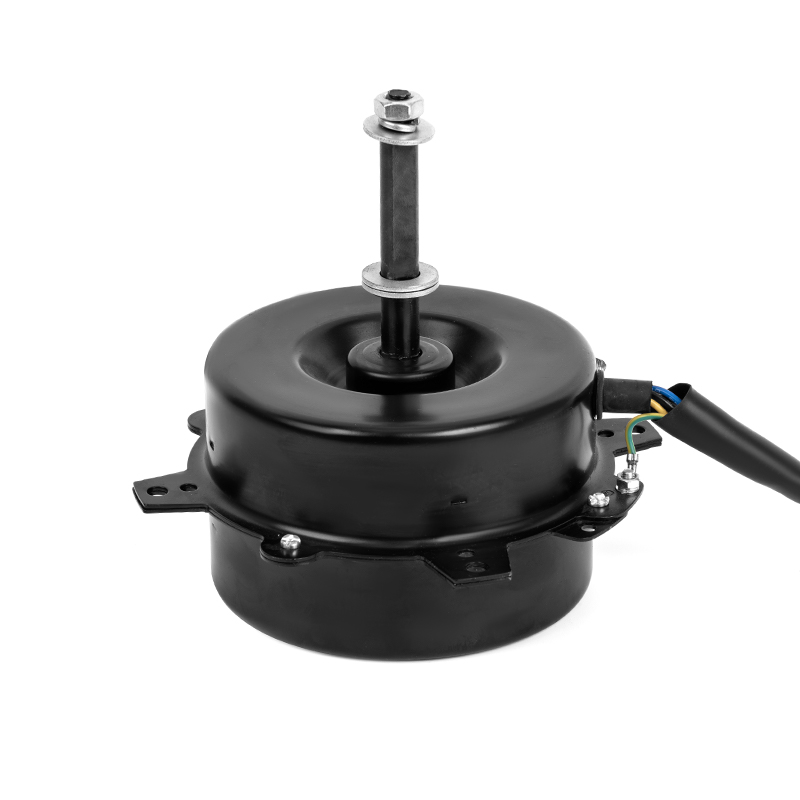
Motor Ventilation Fan Selection: The Quiet Decisions That Decide Service Life
A 120 cm evaporative cooler that loses airflow after two summers usually points to more than a dirty filter. Thermal rise, capacitor drift, bearing wear, and a specification written around diameter and rpm rather than duty all leave fingerprints in the field.
The conclusion first: select a motor ventilation fan by duty cycle, ambient temperature, moisture and oil exposure, control strategy, and service access. Diameter and speed matter, but they are consequences of the application, not the starting point. A motor that starts cleanly on a bench can still overheat in a sealed cabinet, drop speed behind a long duct, or fail a retailer audit because capacitor tolerance was never defined.
Start With the Operating Profile, Not the Catalogue Page
A ventilation fan can look like a commodity at quotation stage. Two motors may share the same frame, shaft, and nominal speed, yet behave differently when the blade is unbalanced, the filter clogs, or the fan sits where ambient air stays above 40°C. Build a short operating profile: inlet temperature, continuous or intermittent duty, starts per hour, expected static pressure, voltage range, mounting position, and service access.
Run that profile against the real installed load, not a free-air test. The useful number is the speed and current the fan reaches with its blade, grille, and filter in place. Free-air data tells you the motor is alive; installed data tells you whether the product will cool, heat, or ventilate as promised.
| Motor type | Typical fit | Practical strength | Procurement focus |
|---|---|---|---|
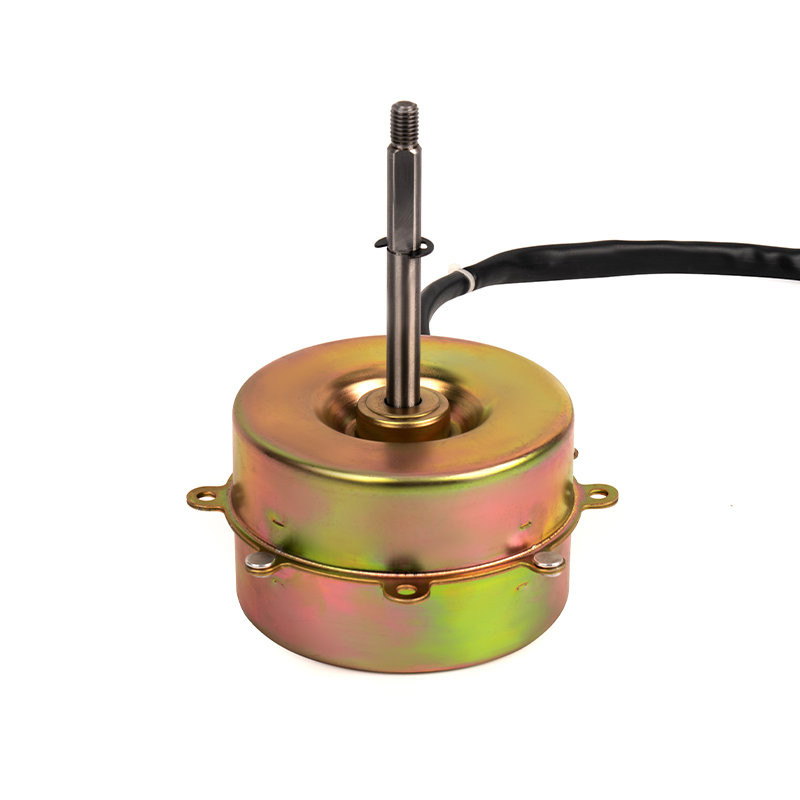
| Single-phase capacitor-run AC | Evaporative coolers, desktop air movers | Simple wiring, strong starting torque, mature supply base | Capacitor tolerance, thermal rise at low voltage, speed repeatability |
| Shaded-pole AC | Low-cost small fans, light-duty exhaust | Few components, no run capacitor | Efficiency, heat concentration, starting torque under load |
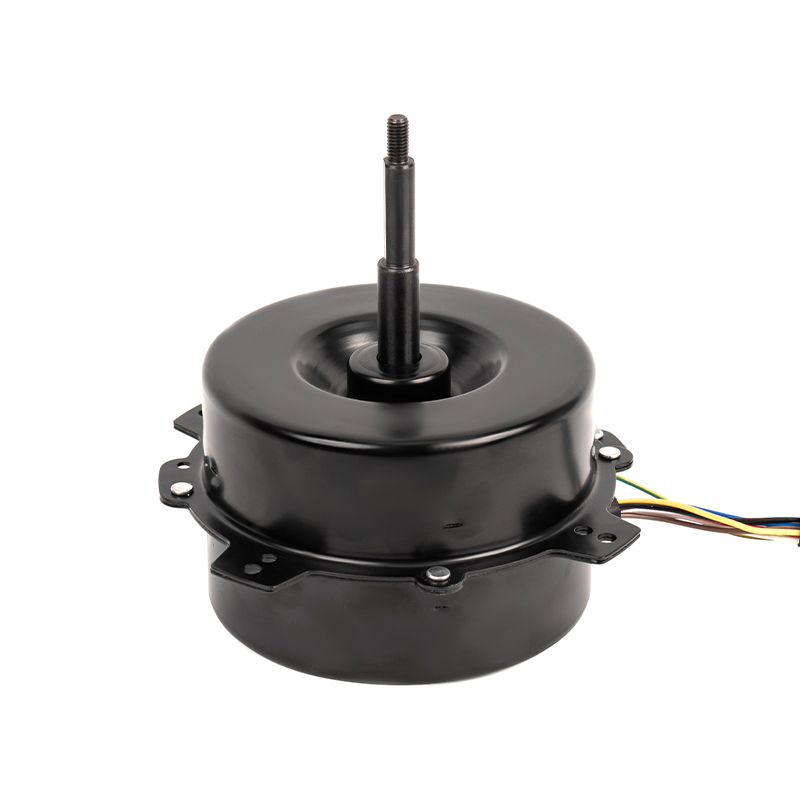
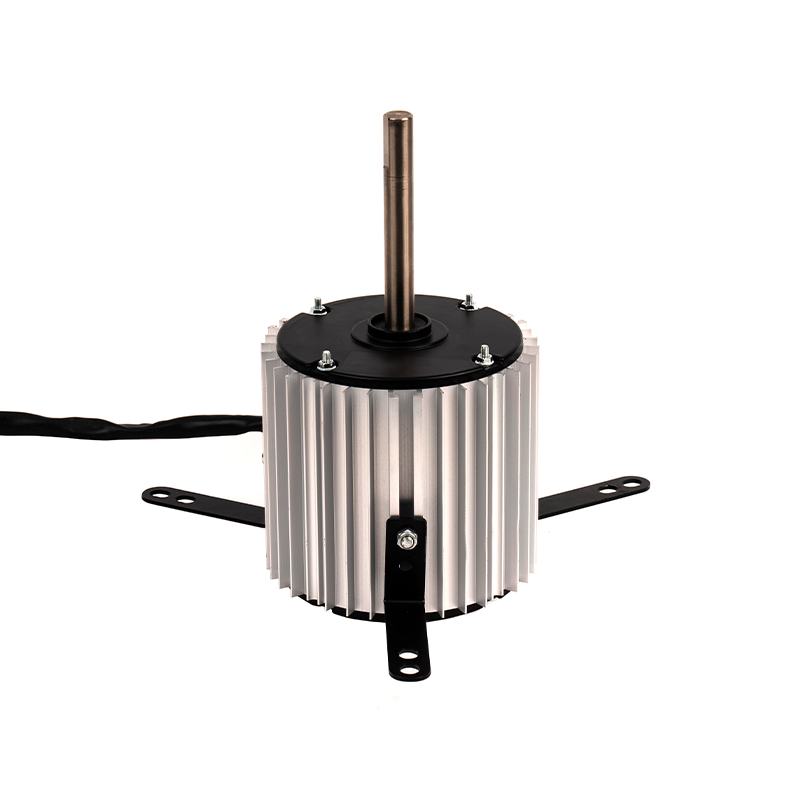
| DC air-cooler motor | Variable-speed air movers, premium coolers | Speed steps, lower running power, control flexibility | Controller quality, dust ingress, stable low-speed torque |
| Range-hood DC motor | Kitchen ventilation | Quiet speed bands, pressure recovery | Oil vapour, bearing service, airflow consistency across ducts |
Info. Ask for the operating point, not just the maximum speed. A motor that delivers 1,300 rpm free-air may sit at 980 rpm behind a dense evaporative pad, and that installed speed is the number the end user hears and feels.
Where AC Still Wins, and Where DC Earns Its Premium
AC remains the pragmatic choice for fixed-speed, cost-sensitive ventilation fans. A single-phase capacitor-run motor is simple to wire, has a mature supply base, and starts against moderate blade load. In compact coolers and exhaust units, the extra cost of a controller can be harder to justify than a better bearing and a tighter capacitor tolerance.
DC earns its premium when the product story depends on variable airflow, low-speed operation, or energy use. It also brings controller quality into the reliability equation. A good DC motor with a poorly protected controller is a worse purchase than a simple AC motor with predictable service access.
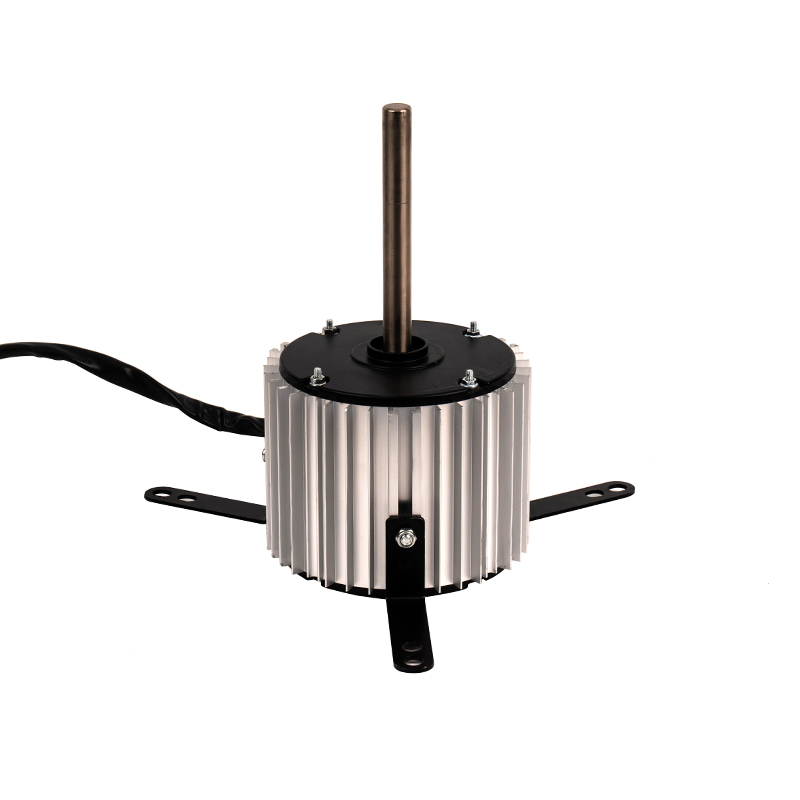
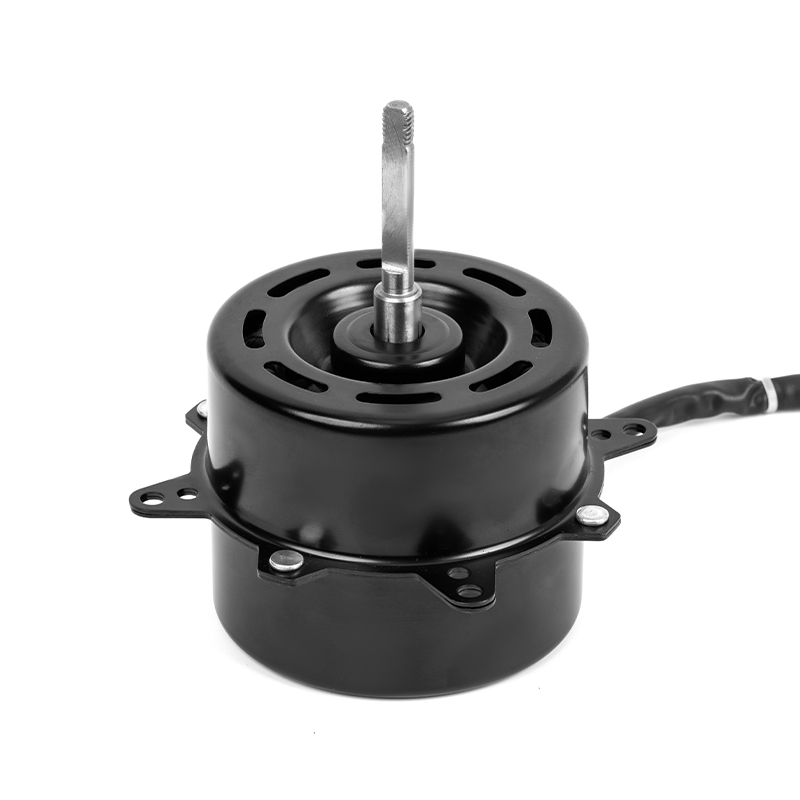 Single-Phase Cold-Air AC Motors for Ventilation and CoolingSmall AC motor series with built-in cooling fans for ventilation and cooling equipment, offering multiple models and customization for power, voltage, and mounting.View Product →
When a returned unit no longer rotates, compare the failure with these cooling fan motor no-rotation checks before blaming the winding. Capacitor value, supply voltage, bearing drag, and blade seizure often look like motor failure from the service desk.
Heat, Moisture, and Oil Are Different Design Problems
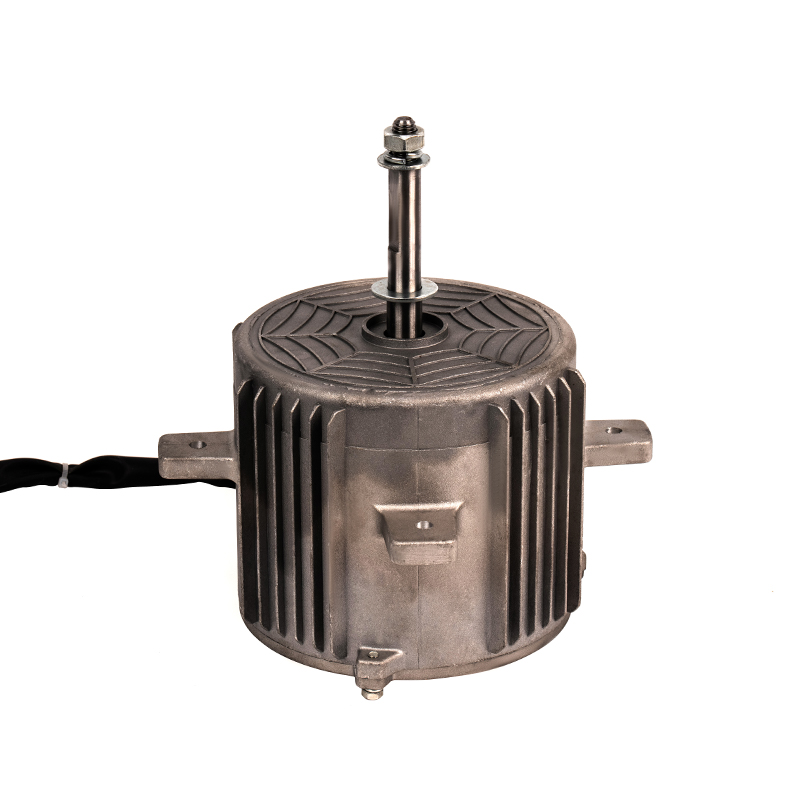
Heating appliances raise the local air temperature around the motor, and the winding sees more than the room thermostat shows. A motor rated for 40°C ambient is not the same as a motor mounted beside a hot element. Ask for the temperature-rise test method, the insulation class, and the maximum ambient at which full speed and torque are still guaranteed.
Warning. A 15–25°C local rise above room temperature can push a marginal motor into early insulation aging, even when the appliance passes its factory run.
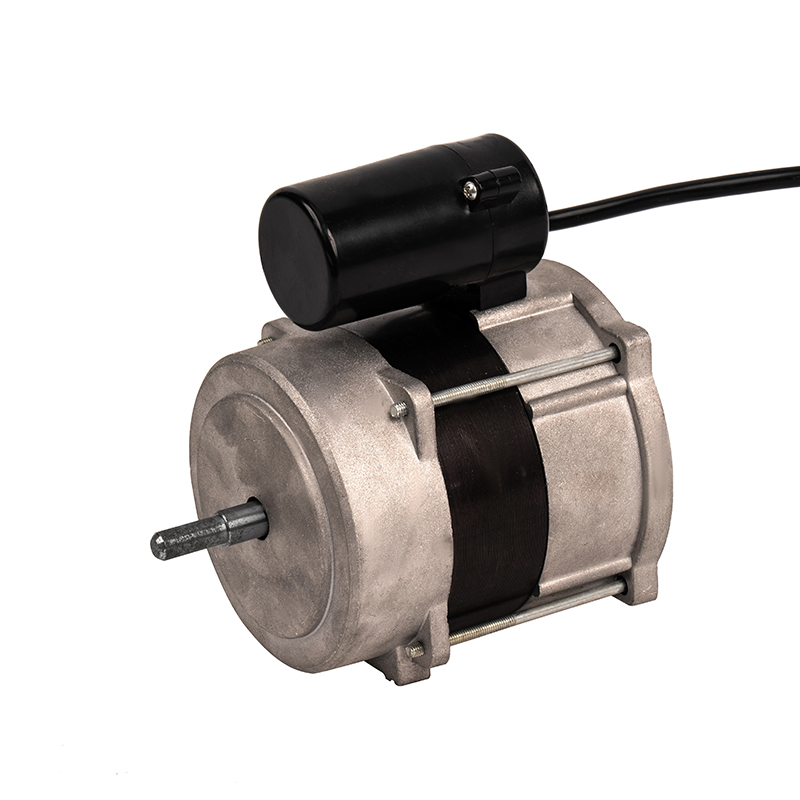 Capacitor-Operated One-Way Heating AC MotorsCustom small heating motors for warm-air systems, with capacitor operation, multiple YPY configurations, and options for varied power and structural needs.View Product →
Kitchen ventilation adds oil vapour, moisture, and cleaning chemicals. Plastic encapsulation can reduce weight and improve resistance to corrosion, but it does not excuse weak shaft sealing or poor bearing protection. For a range hood, airflow consistency across duct pressure matters as much as peak speed.
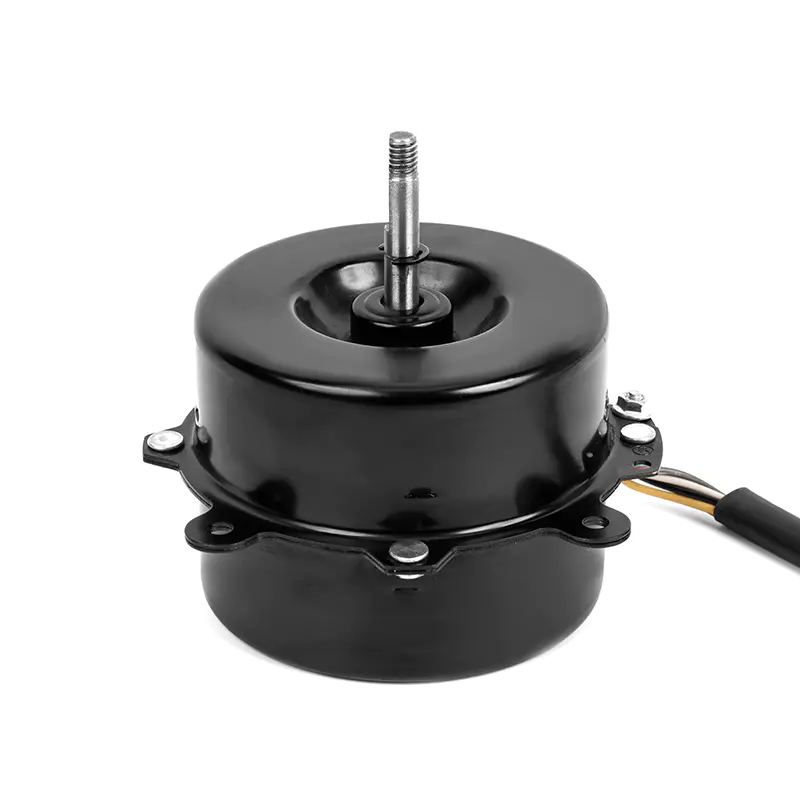 Brushless DC Motor for Range Hood VentilationCustom brushless DC drive for kitchen range hoods, offering sensor-based speed control, lower noise, and efficient fume extraction in modern ventilation designs.View Product →
For cold-air products, moisture is subtler: condensation forms during shutdown, dust settles on the impeller, and the next start loads the motor differently. A drain path, bearing shield, and service interval are part of the motor decision.
The Specification Sheet Buyers Should Challenge
A useful ventilation-fan motor specification is short enough to test and strict enough to compare. It should include:
- Electrical point: rated voltage, frequency, current at installed load, capacitor value and tolerance, and the allowed voltage sag or surge.
- Thermal point: insulation class, maximum winding rise, ambient limit, and the method used to measure both.
- Mechanical point: shaft runout, bearing type, axial and radial load limits, mounting torque, and life at the real blade load.
- Acoustic point: sound pressure at a stated distance and speed, with the mounting described; a bare motor and a fitted fan do not share a spectrum.
- Documentation point: certificate scope, valid reports, change notification, and batch traceability for winding, capacitor, and bearing.
Success check. Run three samples for 72 hours continuous, one low-voltage start, one blocked-airflow test, and one thermal soak at the highest declared ambient. If speed drifts beyond the agreed tolerance or winding rise approaches the limit, stop approval before tooling.
Noise Is a System Output, Not a Motor Label
Buyers often ask for a quiet motor, but noise is produced by the whole air path. Bearing quality, rotor balance, slot design, blade balance, grille spacing, and cabinet stiffness all decide what the user hears. A motor that is quiet on a rubber bench can become loud when bolted to a thin metal housing.
A motor is quiet only relative to the structure that holds it. Once blade, duct, and cabinet join the system, the motor becomes one part of a resonance problem.
If a pilot unit is too loud, diagnose in this order: blade balance, mounting preload, duct turbulence, bearing type, then speed. Lowering speed first can hide the symptom while losing the delivery curve.
Danger. Do not treat a noise complaint as a reason to underspec airflow. Fix mounting and balance first; otherwise the product becomes quieter and weaker.
Supplier Risk Appears After the Sample, Not in the Quotation
A sample can be excellent and still hide production risk. Ask how the supplier controls winding tension, capacitor incoming inspection, bearing lot, rotor balance, and end-of-line electrical test. If the answer is only a catalogue and a certificate, the real process is unknown.
Certifications deserve a disciplined reading. A file may list CCC/CQC, UL, ROHS, VDE, CE, IATF16949, or ISO9001 documentation; ask which models, which factory, and which test reports are covered. A claimed daily capacity above 80,000 pieces should be supported by line count, test-lab throughput, and batch records, not by a slide.
Change control is the most valuable clause in a motor purchase. Winding wire, bearing supplier, capacitor, controller, and lubricant can all change without the outer label changing. Require written approval, a golden sample, and a re-test trigger for any of those substitutions.
A Practical Qualification Sequence
Qualification is a staged risk reduction, not a single sample approval. A practical sequence is:
- Application review: air path, duty, ambient, voltage, control, and service access.
- Bench comparison: speed, current, power, temperature rise, and sound at installed load for at least two motors.
- Endurance run: 72–168 hours continuous, repeated starts, low-voltage start; inspect bearings, capacitor drift, and winding colour.
- Pilot build and production gate: fit the motor into the actual fan, test airflow and noise, hold a golden sample, and audit the first three lots.
What to Write Into the Purchase Specification
The final specification should read like a test plan, not a wish list. State the field conditions, installed performance, acceptable drift, service interval, and evidence required at each approval stage.
For a motor ventilation fan, the buying decision is not simply AC versus DC. It is whether the chosen motor, controller, bearing package, and supplier process can hold the same airflow and thermal margin through the third summer and the first service call.
Summary: define the field conditions, test the installed system, and make change control part of the price. A cheaper motor that passes the bench but drifts in production is not a lower-cost component; it is a warranty claim with a delivery date.
 ++86 13524608688