

 English
 عربى
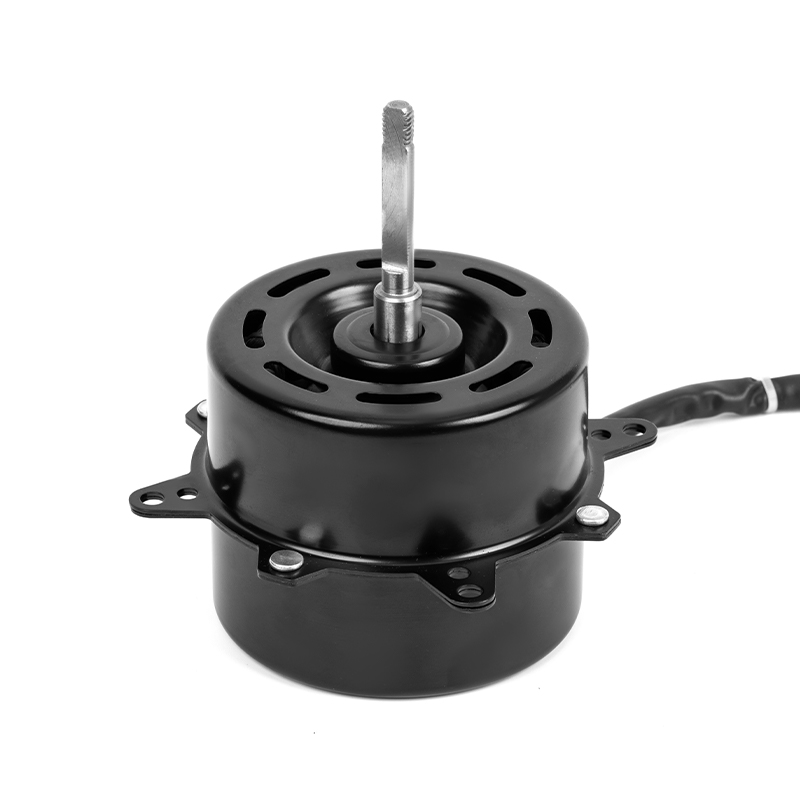
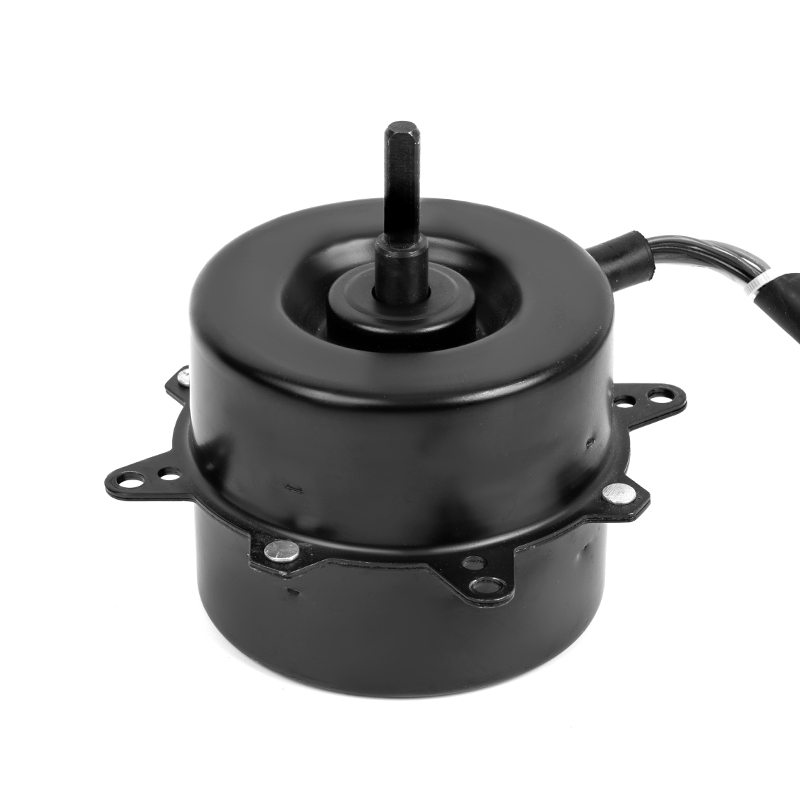
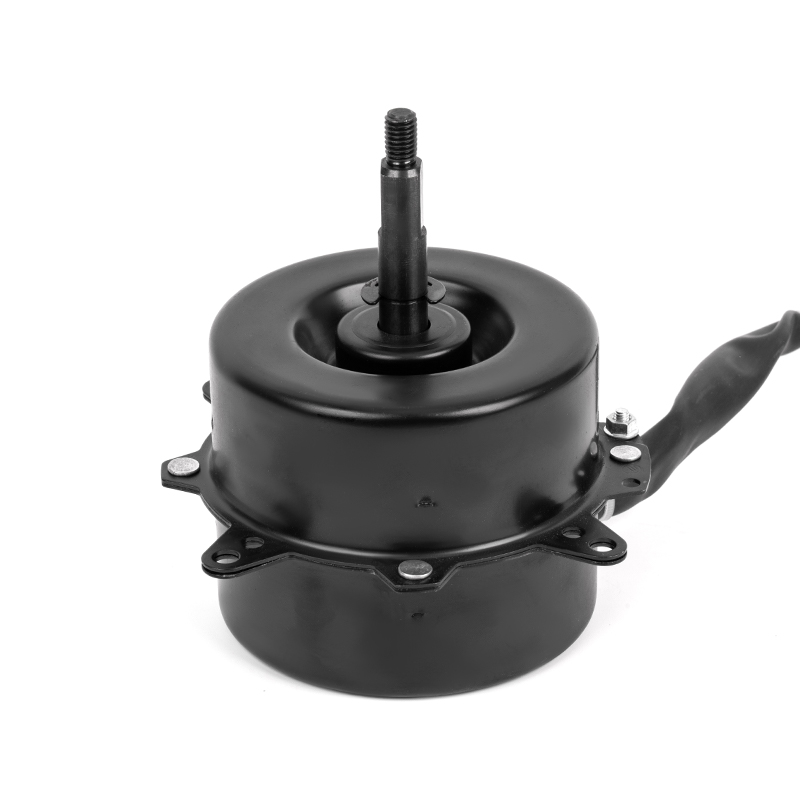
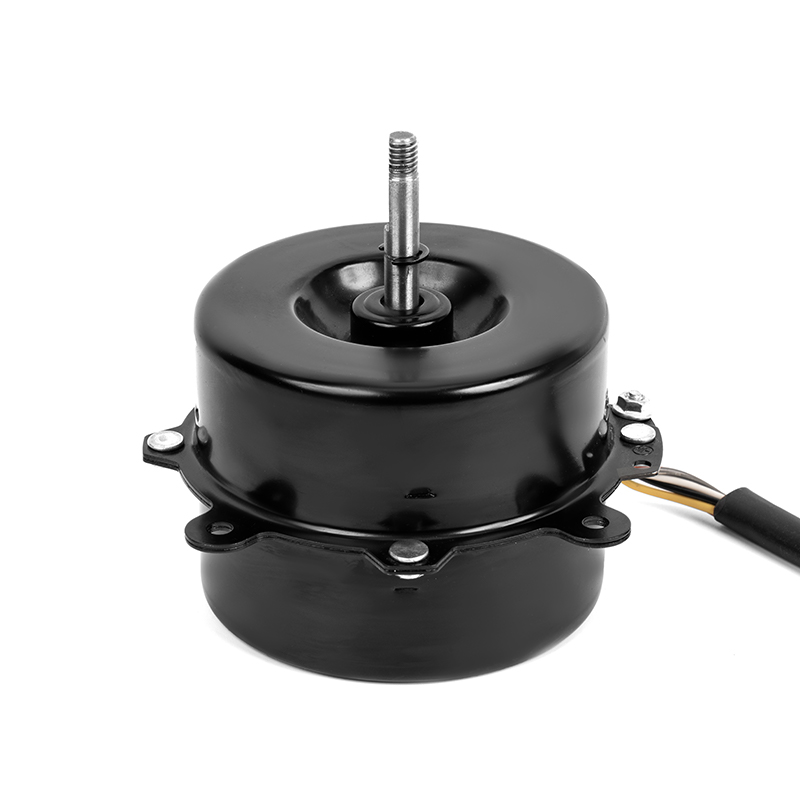
عربىThe thermal protection mechanism in an air cooler motor is fundamentally different from that in a water pump motor — primarily because of differences in heat dissipation environment, duty cycle, and failure risk. An air cooler motor relies on airflow across its own body for cooling and typically uses an internal thermal fuse or auto-reset thermostat rated between 130°C and 150°C. A water pump motor, by contrast, operates in a liquid-cooled or sealed environment and often depends on a thermal overload relay or PTC thermistor, calibrated for continuous submersion conditions. Understanding these differences helps users choose the right motor protection strategy and avoid costly burnouts.
Why Thermal Protection Matters in Motor Design
Every motor generates heat during operation. If internal temperatures exceed safe thresholds, winding insulation degrades, bearings fail, and in severe cases, the motor catches fire. Thermal protection is the built-in safety mechanism designed to interrupt operation before irreversible damage occurs.
For an air cooler motor, the operating environment is open and airy — the motor benefits from the very airflow it generates. For a water pump motor, the environment is often enclosed, submerged, or sealed, meaning heat must be managed through entirely different means. This environmental contrast drives every design decision related to thermal protection.
Whether you are dealing with an AC motor in a standard evaporative cooler or a DC motor powering a modern inverter-based unit, thermal limits vary significantly — and protection devices must be matched accordingly.
Thermal Protection in an Air Cooler Motor: How It Works
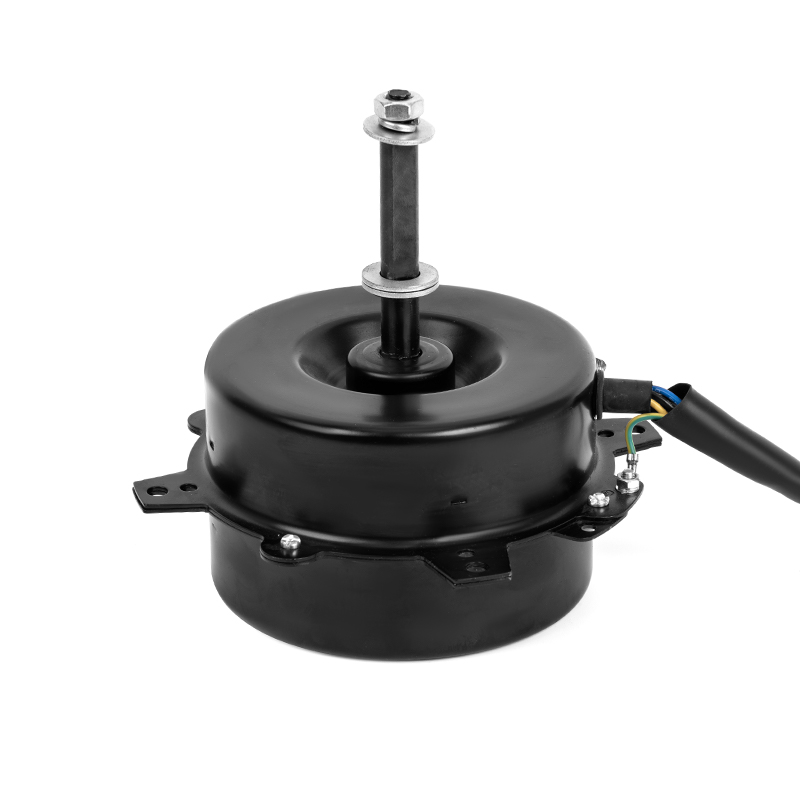
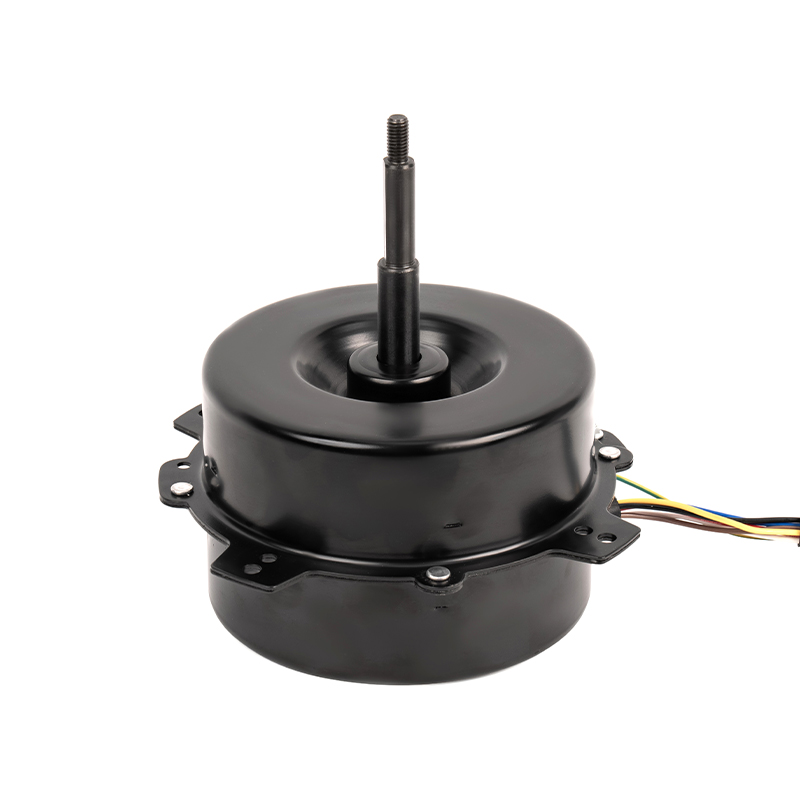
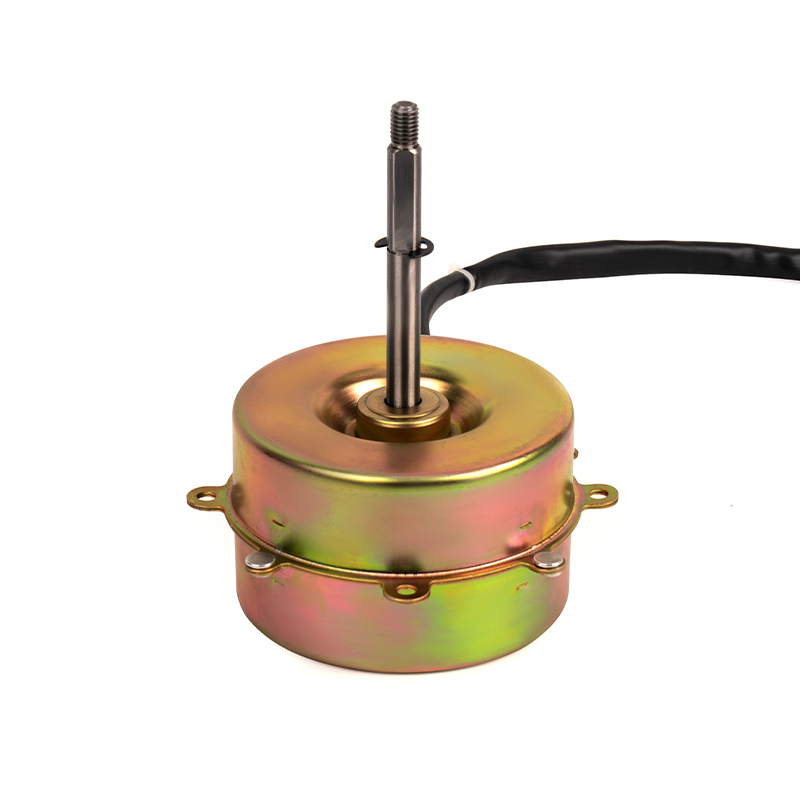
An air cooler motor is typically an open or semi-open frame induction motor. Its cooling relies on the fan blade it drives — the faster it spins, the more air passes over its own windings and housing. This self-cooling design works well under normal conditions but becomes vulnerable when:
- The fan blade is blocked or clogged with dust
- The motor runs at low speed for extended periods
- Ambient temperatures exceed 45°C in regions like the Middle East or South Asia
- Voltage fluctuations cause the motor to draw excess current
To guard against these scenarios, air cooler motors are typically equipped with one or more of the following thermal protection devices:
Thermal Fuse (One-Shot)
A thermal fuse is a non-resettable device embedded directly in the motor winding. Once the winding temperature reaches its rated trip point — commonly 130°C for Class B insulation or 155°C for Class F — the fuse permanently opens the circuit. The motor must be replaced or the fuse manually swapped. This type is inexpensive and reliable but offers no second chance.
Auto-Reset Thermal Switch (Bimetal Disc)
More common in consumer-grade air cooler motors, the bimetal thermal switch automatically disconnects the circuit when a threshold is reached and resets once the motor cools down — typically within 5 to 15 minutes. This protects users from needing to open the unit after a temporary overheat.
PTC Thermistor
In newer DC motor-based air coolers, a PTC (Positive Temperature Coefficient) thermistor is embedded in the winding. As temperature rises, its resistance increases sharply, effectively reducing current flow and protecting the winding. This approach is more precise and is favored in BLDC-type air cooler motors for its smooth, continuous protection response.
Thermal Protection in a Water Pump Motor: A Different Challenge
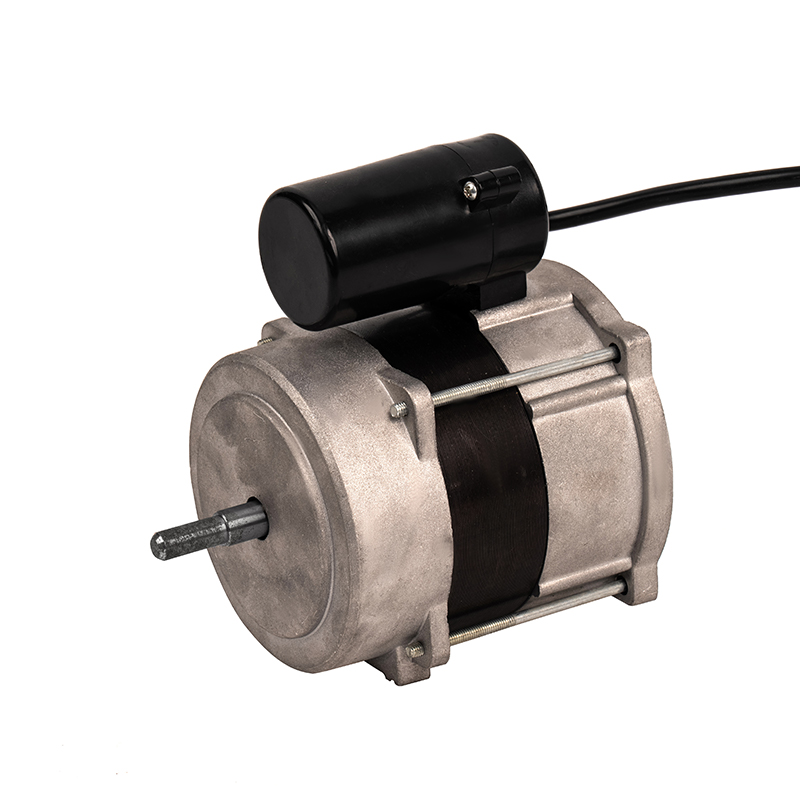
A water pump motor operates under fundamentally different thermal conditions. Whether it is a submersible pump, a centrifugal surface pump, or a booster pump motor, the primary concern is not just overheating — it is the risk of dry-running, where the absence of water eliminates the motor's primary cooling medium.
Water pump motors are often sealed (IP68 rated), meaning ambient airflow cannot assist in heat dissipation. Instead, protection mechanisms include:
- Thermal overload relay: An external device that monitors current draw; if current exceeds a set threshold (indicating overheating or mechanical jam), it trips the circuit. Typical trip classes range from Class 10 to Class 30, indicating response time in seconds.
- Thermistor embedded in stator winding: Similar to the PTC used in DC air cooler motors, but calibrated for the higher continuous duty cycles of pump applications.
- Dry-run protection sensor: Unique to pump motors — a float switch or electrode sensor detects when water level drops, shutting off the pump before the motor overheats from lack of cooling liquid.
- Motor protection circuit breaker (MPCB): Used in industrial pump setups, offering adjustable overload, short-circuit, and phase-failure protection in a single unit.
Side-by-Side Comparison: Air Cooler Motor vs Water Pump Motor Thermal Protection
| Feature | Air Cooler Motor | Water Pump Motor |
|---|---|---|
| Primary Cooling Method | Self-generated airflow | Surrounding water or sealed enclosure |
| Common Protection Device | Thermal fuse / bimetal switch / PTC | Thermal overload relay / MPCB / thermistor |
| Auto-Reset Capability | Yes (bimetal) / No (fuse) | Manual reset (relay) / Auto (thermistor) |
| Dry-Run Protection | Not applicable | Essential — float switch or electrode sensor |
| Typical Trip Temperature | 130°C – 155°C | 120°C – 145°C (winding), current-based (relay) |
| Protection Location | Embedded in winding or on motor body | External relay panel or embedded in stator |
| Motor Type Typically Used | AC motor or DC motor (BLDC) | AC motor (induction, single or three-phase) |
The Role of Motor Type: AC Motor vs DC Motor in Thermal Behavior
The type of motor used in an air cooler significantly influences how thermal protection is implemented. A traditional AC motor in an air cooler generates more heat at low speeds due to lower airflow over the windings. This makes the bimetal thermal switch particularly important during slow-speed settings, as the motor's own cooling efficiency drops while it still draws near-full current.
In contrast, a DC motor — particularly a BLDC variant — generates less heat at variable speeds because its electronic controller modulates power more precisely. The heat generated is more predictable, and the PTC thermistor or electronic controller-integrated thermal shutdown provides adequate protection. Some BLDC air cooler motors include thermal shutdown thresholds as low as 100°C, far more conservative than traditional AC counterparts.
There is also the concern of a Heating AC Motor scenario — a situation where an AC motor in an air cooler begins generating excess heat due to capacitor degradation, winding faults, or continuous high-load operation. In such cases, the thermal fuse is the last line of defense. Unlike a water pump motor's external relay which can be manually inspected and adjusted, a blown fuse inside an air cooler motor usually means user-level replacement or full motor swap.
Practical Implications for Users: What Should You Look For?
If you are purchasing or maintaining an air cooler, here are key thermal protection-related factors to evaluate:
- Check the insulation class: A Class F motor (rated to 155°C) offers more thermal headroom than Class B (130°C), especially important in hot climates.
- Prefer auto-reset over one-shot fuses: Bimetal switches allow the cooler to recover after a thermal trip without requiring disassembly.
- Look for BLDC (DC motor) options: They run cooler by design and include more sophisticated electronic thermal management.
- Clean the fan blades regularly: Dust reduces airflow over the motor, directly reducing its self-cooling efficiency and increasing thermal trip frequency.
- Monitor for repeated thermal trips: If the air cooler motor shuts off repeatedly, do not simply reset it — this indicates a root cause such as a failing capacitor, low voltage, or bearing seizure.
For water pump motor users, the priority is ensuring dry-run protection is active and that thermal overload relays are correctly calibrated to the motor's full-load current rating — typically set at 100–115% of the nameplate FLA (Full Load Amperes).
The thermal protection mechanism in an air cooler motor is simpler, more compact, and self-contained — relying on the motor's own airflow and embedded fuses or switches. A water pump motor demands more robust, externally managed, and environment-aware protection due to sealed operation, risk of dry-running, and higher continuous duty requirements.
Whether you are evaluating an AC motor for a budget evaporative cooler, a premium DC motor for an inverter air cooler, or troubleshooting a Heating AC Motor that keeps tripping its thermal switch — understanding these differences empowers you to make better purchasing decisions, perform smarter maintenance, and extend the working life of your equipment significantly.
 ++86 13524608688