

 English
 عربى
عربىLoad Handling and Motor Characteristics
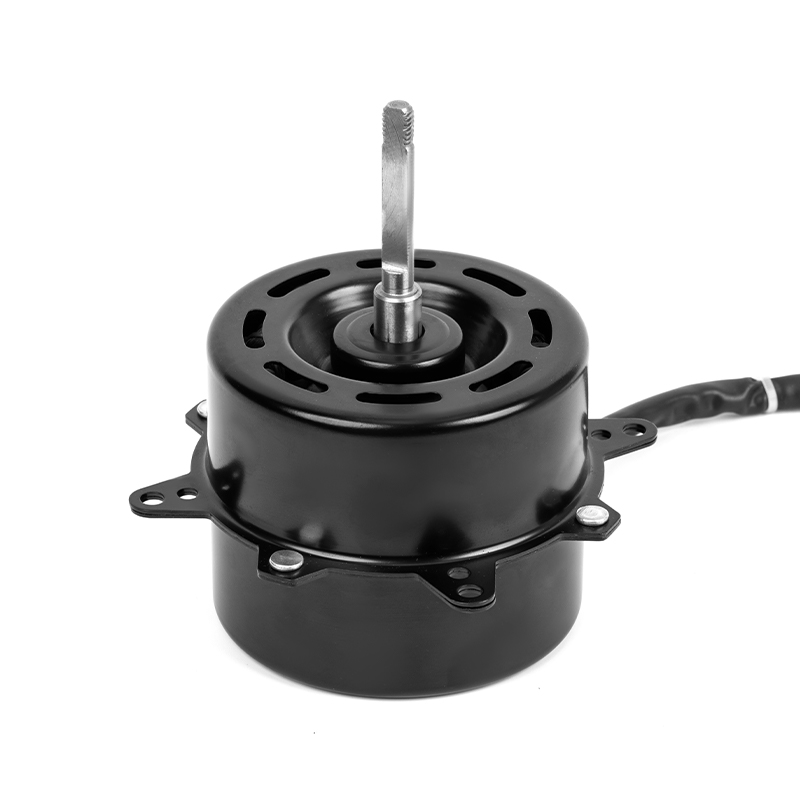
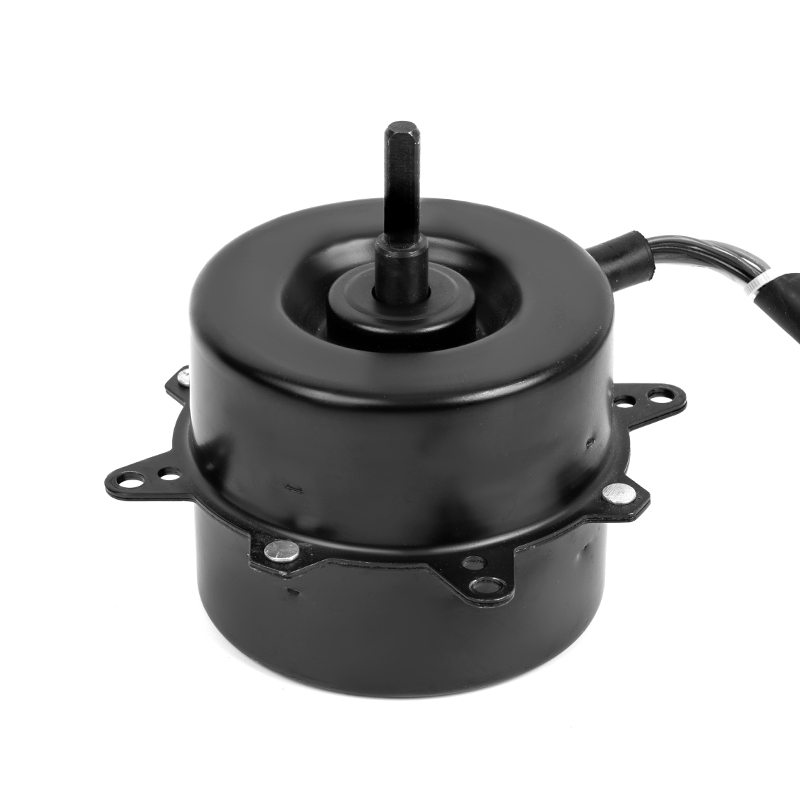
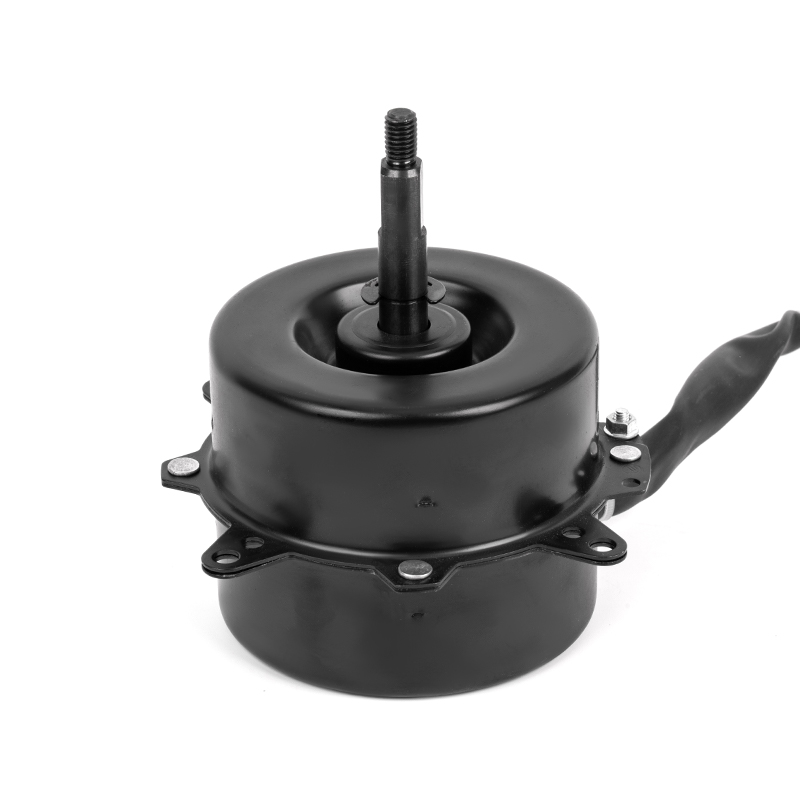
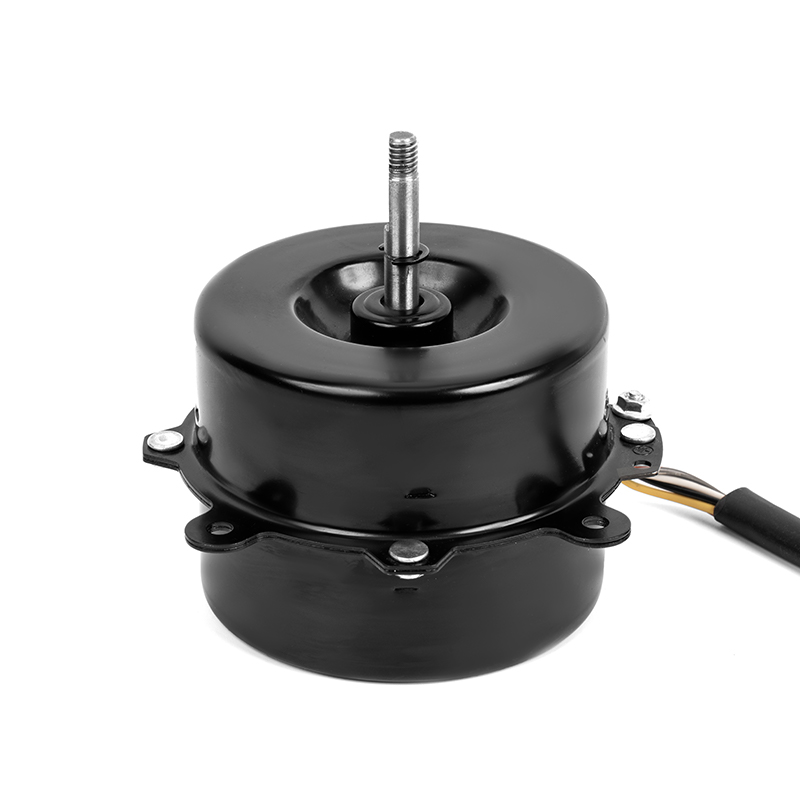
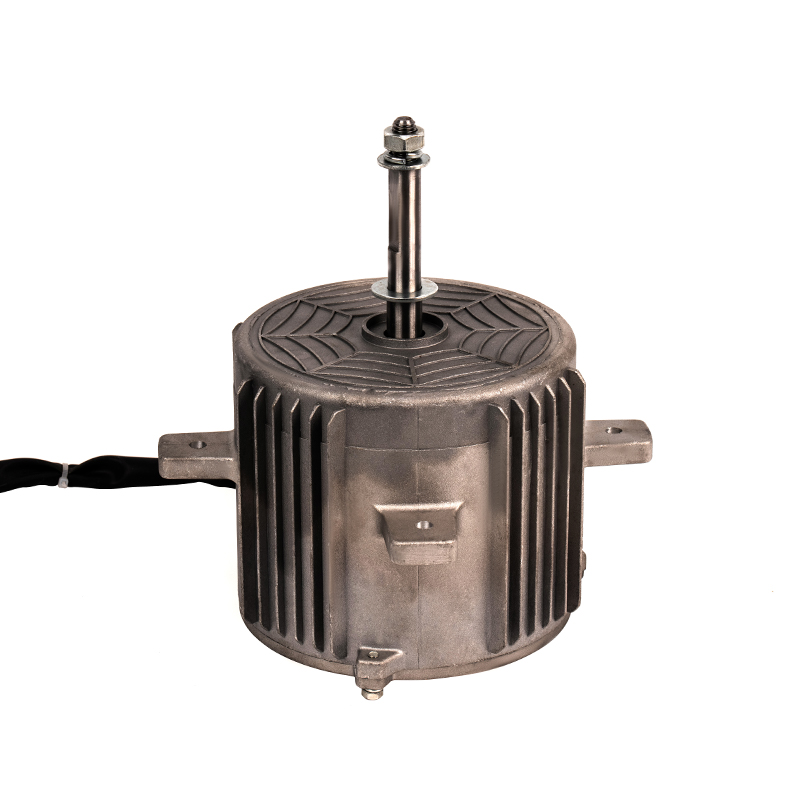
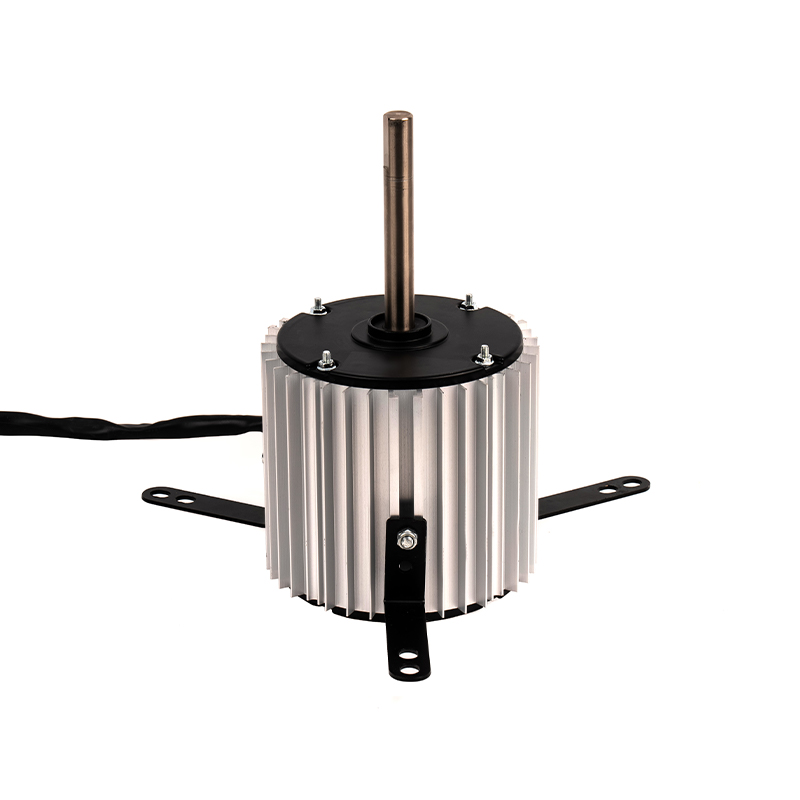
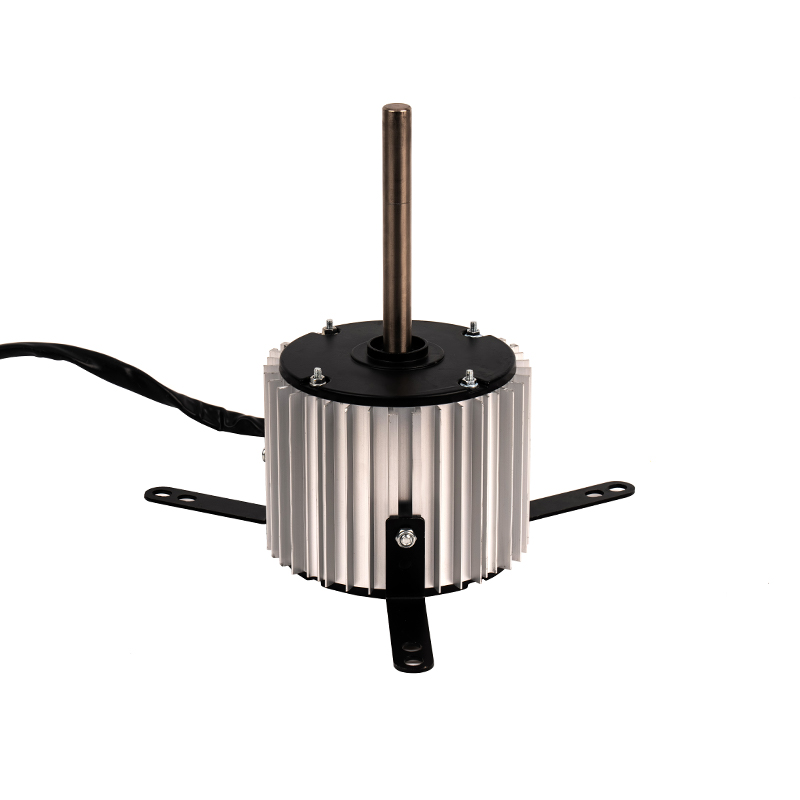
Small Heating AC Motors are primarily designed to drive fans or blowers in heating units, which experience frequent variations in airflow demand based on system requirements, thermostat settings, and duct resistance. The motor must accommodate changes in torque and mechanical load without stalling or losing efficiency. Many of these motors are induction motors, which inherently possess a controlled amount of slip that allows them to adapt naturally to minor load fluctuations. When the fan encounters higher static pressure or increased airflow demand, the motor draws additional current to maintain torque and rotational speed, ensuring the system delivers consistent heating performance. Conversely, when airflow demand decreases, the motor automatically reduces current and torque output while maintaining stable operation. This intrinsic load adaptability helps prevent sudden mechanical stress on both the motor and the connected fan or blower, reducing wear and prolonging operational life.
Speed Control and Adaptability
Small Heating AC Motors often integrate speed control mechanisms to adjust performance under variable load conditions. Common designs include permanent-split capacitor (PSC) motors, shaded-pole motors with multiple speed taps, and motors controlled by triac-based or electronic fan speed controllers. These control methods allow the motor to vary its rotational speed in response to changes in airflow demand or heating requirements. For example, during periods of low heating demand, the motor can operate at a reduced speed to conserve energy while still maintaining adequate airflow for heat distribution. In high-demand scenarios, the motor ramps up smoothly to deliver higher airflow, ensuring comfort and system efficiency. Advanced systems may also employ variable voltage or variable frequency control, which optimizes torque, reduces noise, and minimizes energy consumption while maintaining precise airflow control.
Thermal and Overload Protection
Variable loads can increase motor temperature due to higher electrical current during peak airflow conditions. To ensure safe operation, Small Heating AC Motors often feature built-in thermal protection mechanisms, such as thermal fuses, internal thermal sensors, or automatic cutoffs. These systems monitor winding temperature and prevent overheating that could otherwise damage insulation, reduce motor lifespan, or cause failure. By incorporating thermal safeguards, the motor can safely handle frequent load changes, intermittent operation, and extended periods of high airflow demand, maintaining reliability even in challenging environments.
Integration with Heating System Controls
Modern heating systems integrate Small Heating AC Motors with thermostats, fan relays, and digital controllers to optimize airflow and energy usage. The motor responds dynamically to control signals, adjusting speed and torque to match heating output and system demand. Properly engineered integration ensures that the motor delivers consistent airflow, maintains desired room temperatures, and prevents over- or under-ventilation. The system can modulate motor operation to reduce noise, improve efficiency, and extend component lifespan. This interplay between motor design and system controls is critical for achieving smooth, responsive, and energy-efficient heating performance across variable operating conditions.
 ++86 13524608688