

 English
 عربى
عربىHow Air Cooler DC Motor Design Affects Heat Dissipation
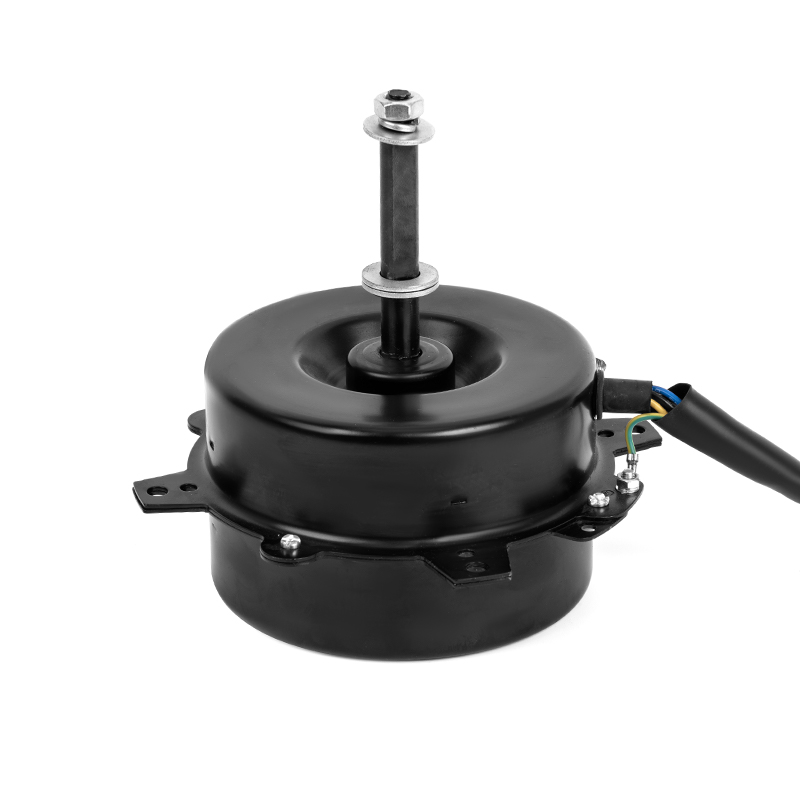
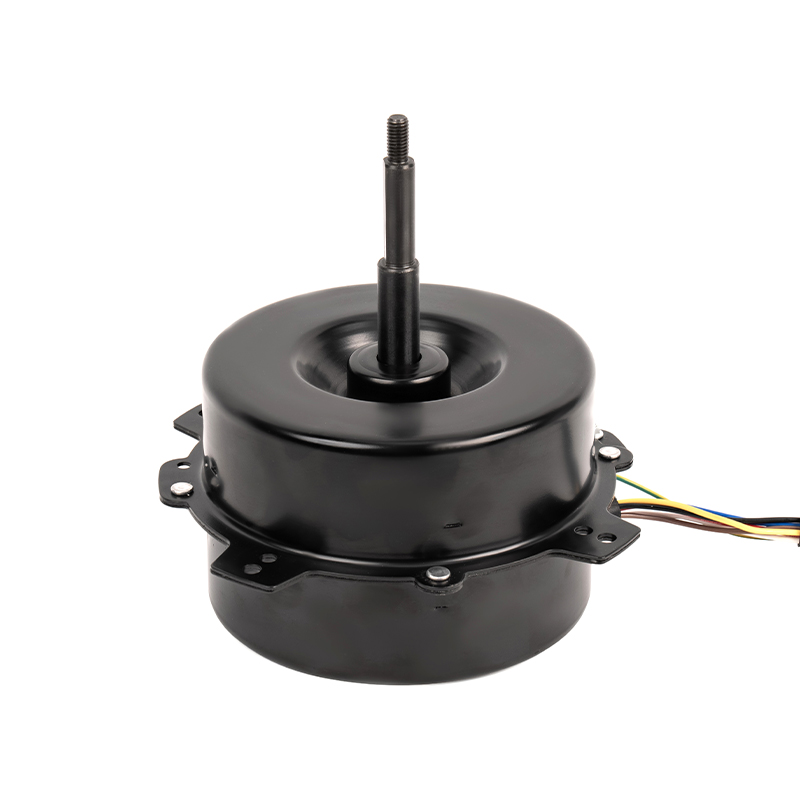
The design of an Air Cooler DC Motor directly influences heat dissipation through its structural materials, ventilation layout, coil configuration, and rotor efficiency. A well-designed Air Cooler DC Motor can reduce internal operating temperatures by 15–30%, improving energy efficiency, extending motor lifespan, and maintaining consistent airflow performance. Effective heat dissipation prevents insulation damage, reduces energy loss caused by electrical resistance, and ensures stable operation during continuous cooling cycles.
Modern Air Cooler DC Motors incorporate heat-resistant windings, optimized air channels, and lightweight rotor assemblies to allow heat to escape efficiently. These design improvements are particularly important because air coolers often operate for long periods in warm environments where motor temperatures can easily exceed 70°C if heat is not properly managed.
Why Heat Dissipation Is Critical in an Air Cooler DC Motor
Heat is an unavoidable byproduct of electric motor operation. In an Air Cooler DC Motor, heat primarily comes from electrical resistance in the windings and mechanical friction between moving components. If heat accumulates faster than it dissipates, several issues can occur.
- Reduced motor efficiency due to increased electrical resistance
- Damage to coil insulation and electronic components
- Shortened motor lifespan
- Decreased airflow and cooling performance
Studies in small appliance motors show that every 10°C increase in motor temperature can reduce insulation life by nearly 50%. Therefore, effective thermal management is essential for maintaining the reliability of an Air Cooler DC Motor.
Motor Housing and Material Selection
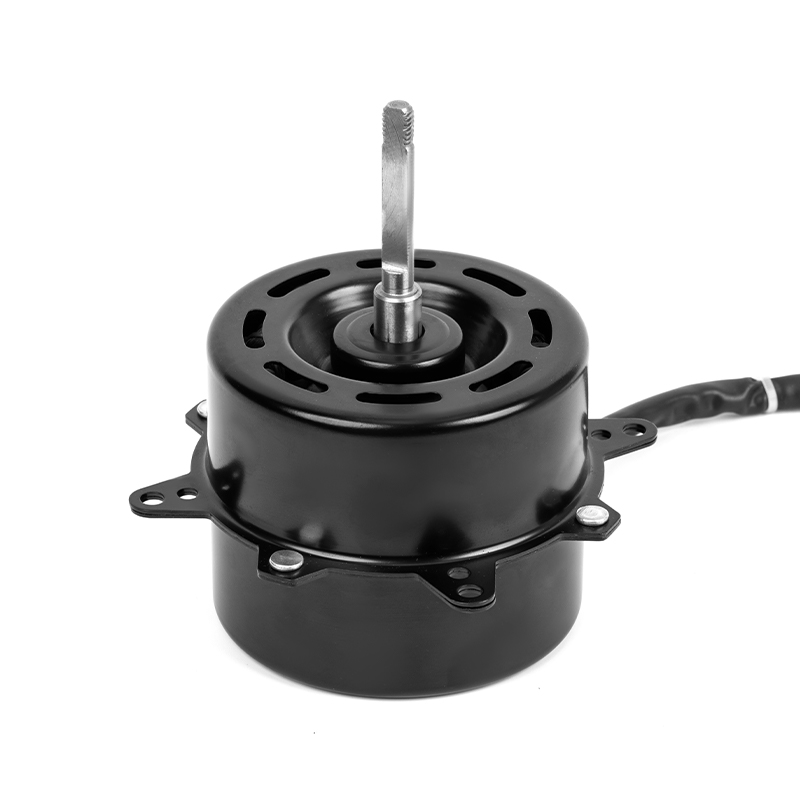
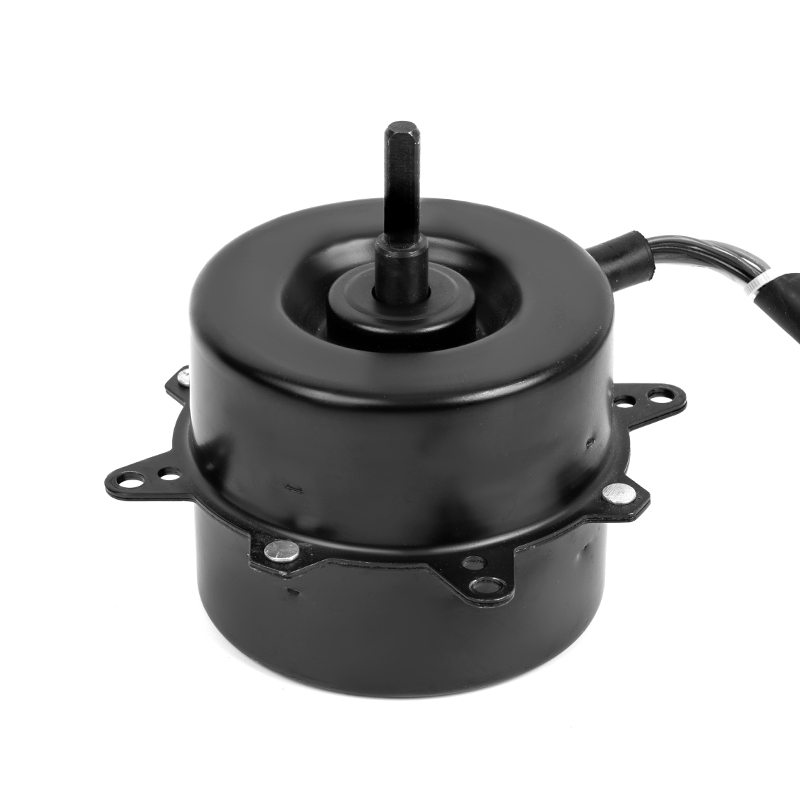
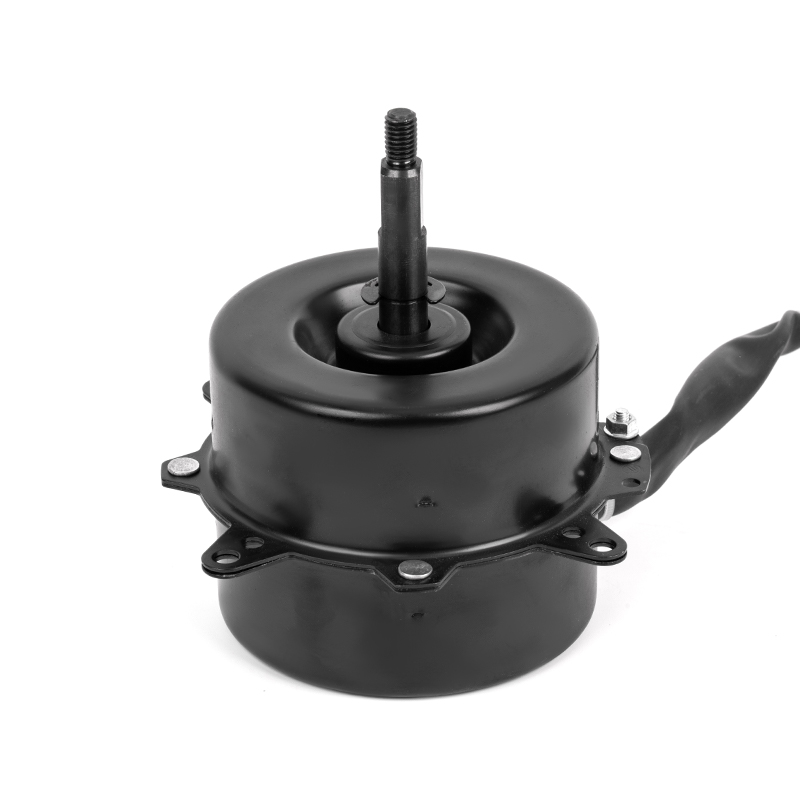
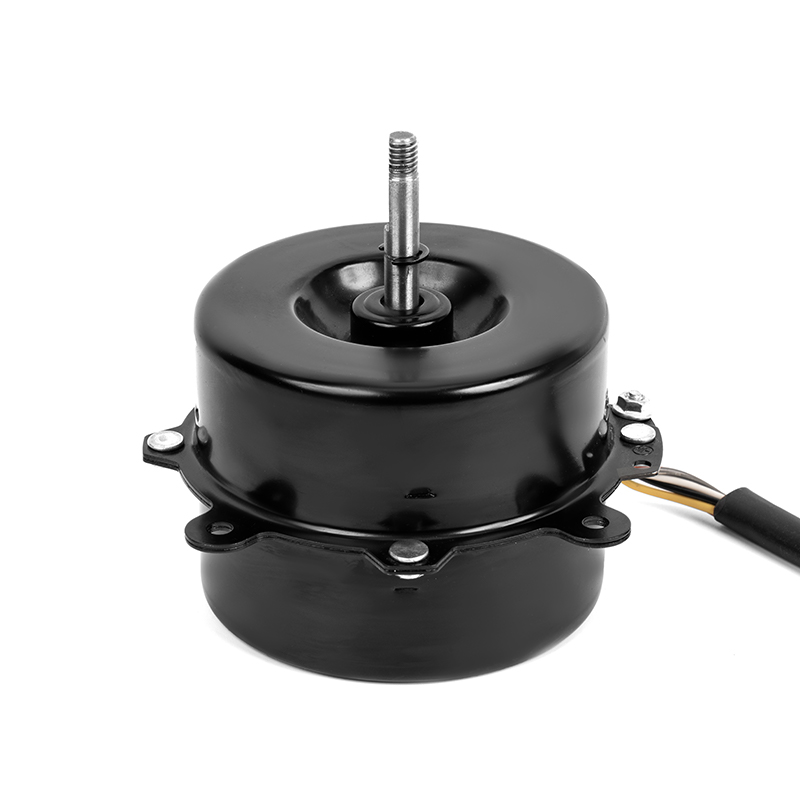
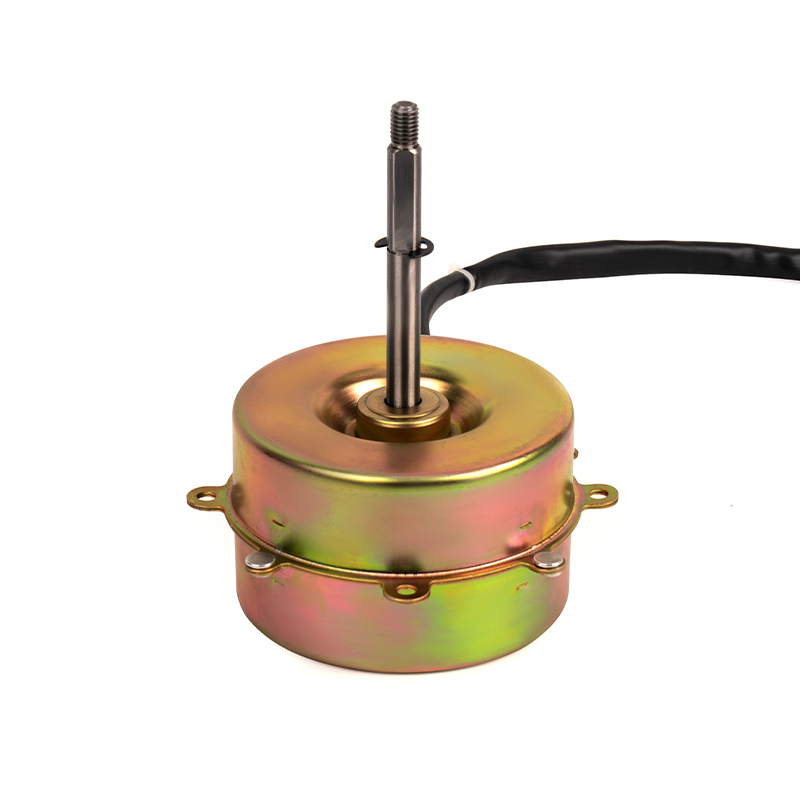
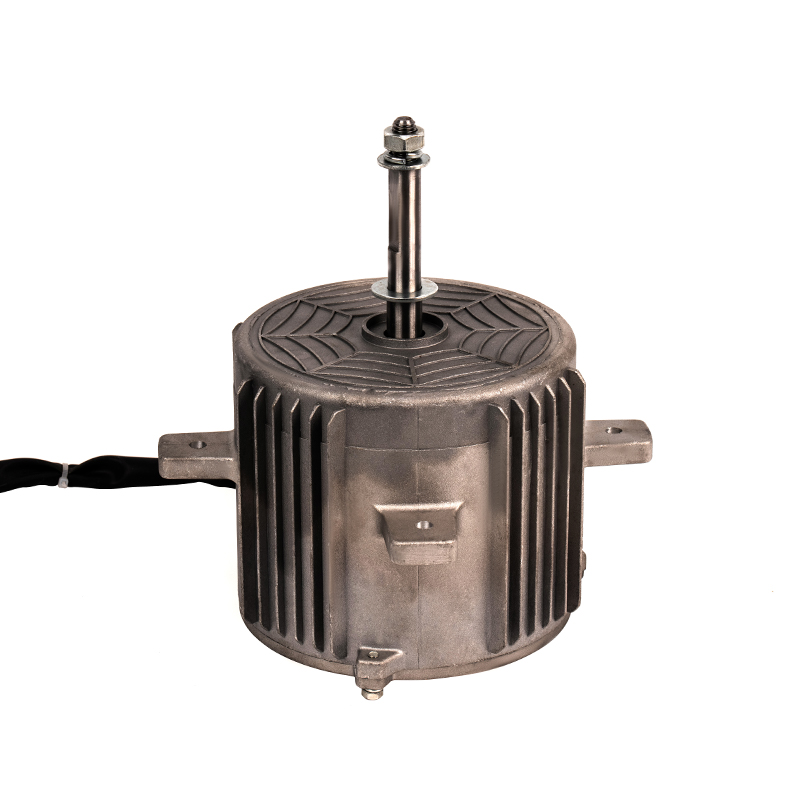
The outer housing of an Air Cooler DC Motor acts as a thermal pathway that transfers heat away from the internal components. High-conductivity materials help dissipate heat more effectively than low-conductivity materials.
| Material | Thermal Conductivity | Heat Dissipation Performance |
|---|---|---|
| Aluminum | 205 W/mK | Excellent |
| Steel | 50 W/mK | Moderate |
| Plastic Composite | 0.2–0.5 W/mK | Low |
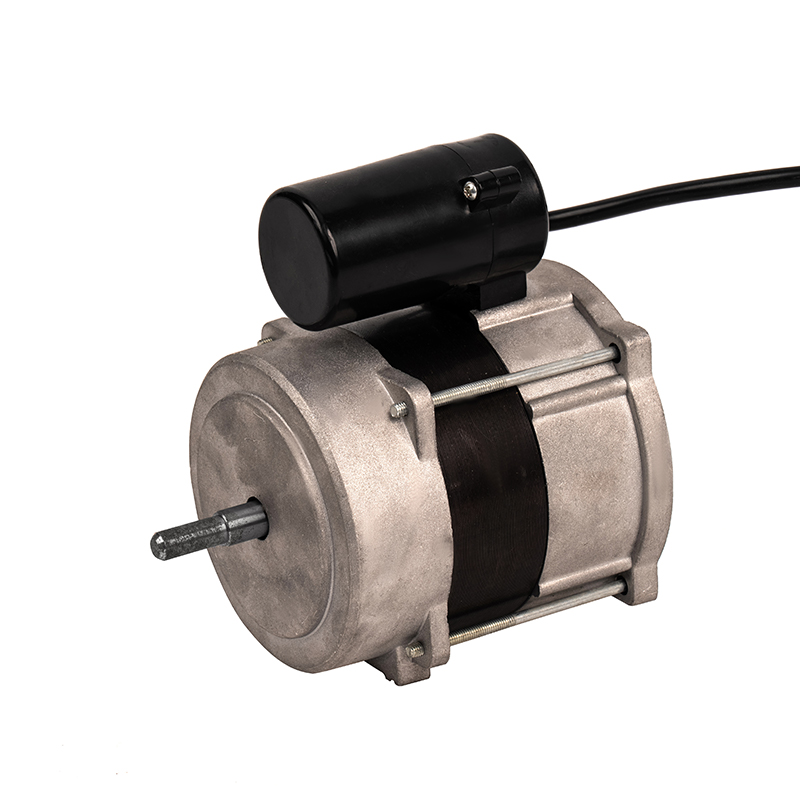
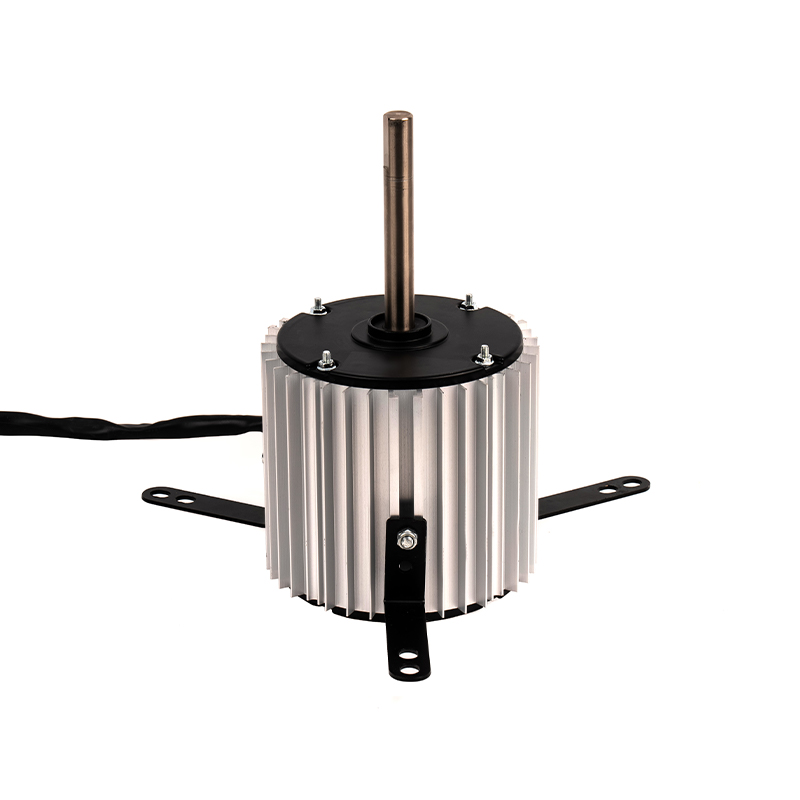
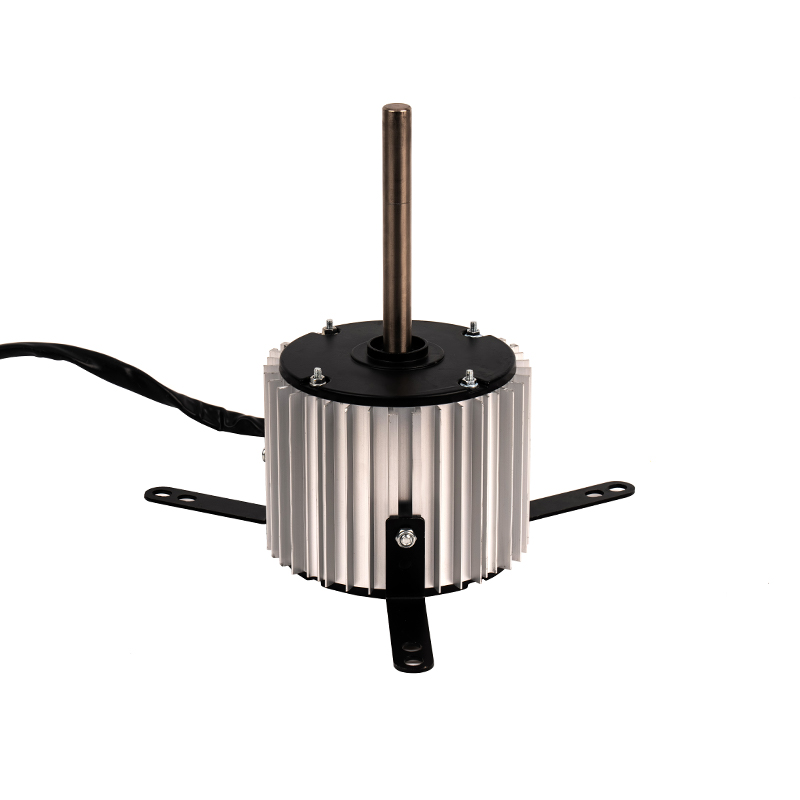
For this reason, many modern Air Cooler DC Motors use aluminum housings or integrated heat-dissipation fins that significantly improve thermal transfer and reduce internal temperatures.
Ventilation Structure and Airflow Path
Ventilation design is another key factor affecting heat dissipation. In many air coolers, the motor is positioned behind the fan blades, allowing airflow to pass directly through the motor housing.
A well-designed Air Cooler DC Motor uses strategically placed ventilation slots to channel moving air across heat-generating components. This airflow acts as a natural cooling mechanism.
- Radial ventilation openings improve air circulation
- Internal air channels guide airflow around windings
- Fan-assisted airflow removes heat continuously
In testing environments, optimized ventilation structures can improve motor cooling efficiency by up to 20% compared with sealed or poorly ventilated motor designs.
Copper Windings and Coil Configuration
The electrical windings inside an Air Cooler DC Motor are the main source of heat generation. High-quality copper windings produce less resistance compared to aluminum windings, which significantly reduces heat buildup.
Manufacturers often use optimized coil layouts that distribute heat more evenly across the motor. This prevents localized hot spots that can damage insulation or reduce performance.
- High-purity copper coils reduce electrical resistance
- Multi-layer winding patterns distribute heat evenly
- Heat-resistant insulation prevents coil degradation
Advanced motors using high-grade copper windings can operate at 5–10% higher efficiency, which directly reduces heat production during continuous operation.
Rotor and Bearing Design
Mechanical friction inside the motor also contributes to heat buildup. Rotor design and bearing quality significantly affect friction levels and therefore heat generation.
High-quality Air Cooler DC Motors use balanced rotors and low-friction bearings that reduce mechanical resistance. This design improves energy efficiency and lowers internal temperatures.
- Precision-balanced rotor reduces vibration
- Ball bearings minimize mechanical friction
- Magnetic optimization improves torque efficiency
Compared with sleeve bearings, ball bearings can reduce friction losses by approximately 30–40%, which helps maintain lower motor temperatures during extended operation.
Modern Design Improvements in Air Cooler DC Motors
Recent technological developments have significantly improved heat dissipation in modern Air Cooler DC Motors. Manufacturers now integrate thermal optimization into nearly every stage of motor design.
- Brushless DC motor technology reduces electrical heat generation
- Integrated cooling fins increase surface area for heat release
- Smart controllers adjust motor speed to prevent overheating
- High-temperature insulation materials extend operational limits
Brushless Air Cooler DC Motors in particular can operate at efficiency levels above 85%, significantly reducing heat production compared with traditional brushed motors.
The design of an Air Cooler DC Motor plays a decisive role in how effectively heat is dissipated during operation. Factors such as housing materials, ventilation structure, winding quality, rotor balance, and bearing type all influence the motor’s thermal performance. When these design elements are optimized, the motor can maintain lower operating temperatures, achieve higher energy efficiency, and deliver consistent airflow performance.
Ultimately, an Air Cooler DC Motor with strong heat dissipation design can last significantly longer and operate more efficiently. For users and manufacturers alike, prioritizing thermal management in motor design is essential for creating reliable and high-performance cooling systems.
 ++86 13524608688