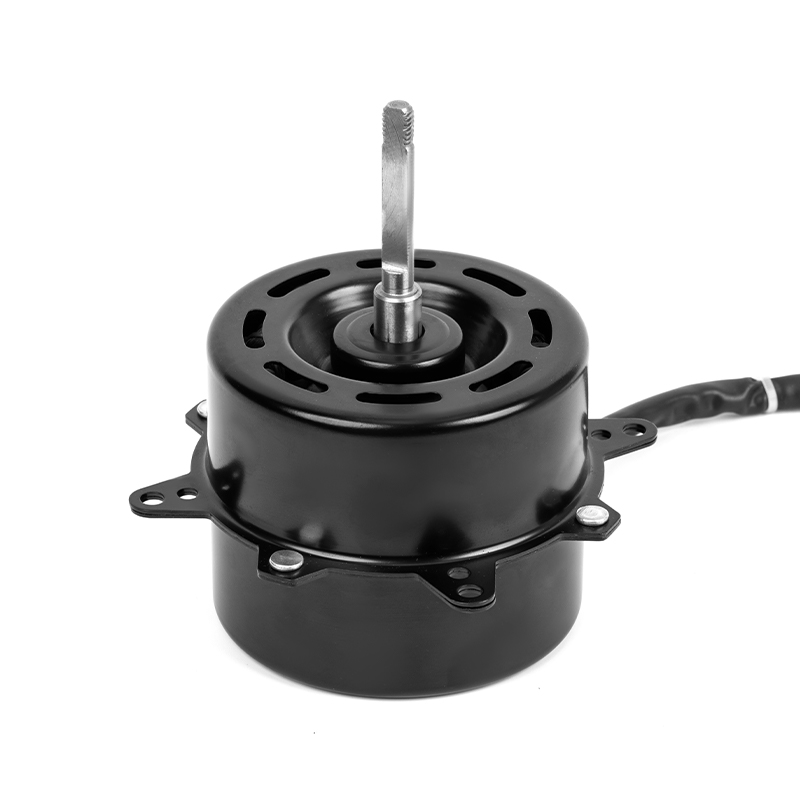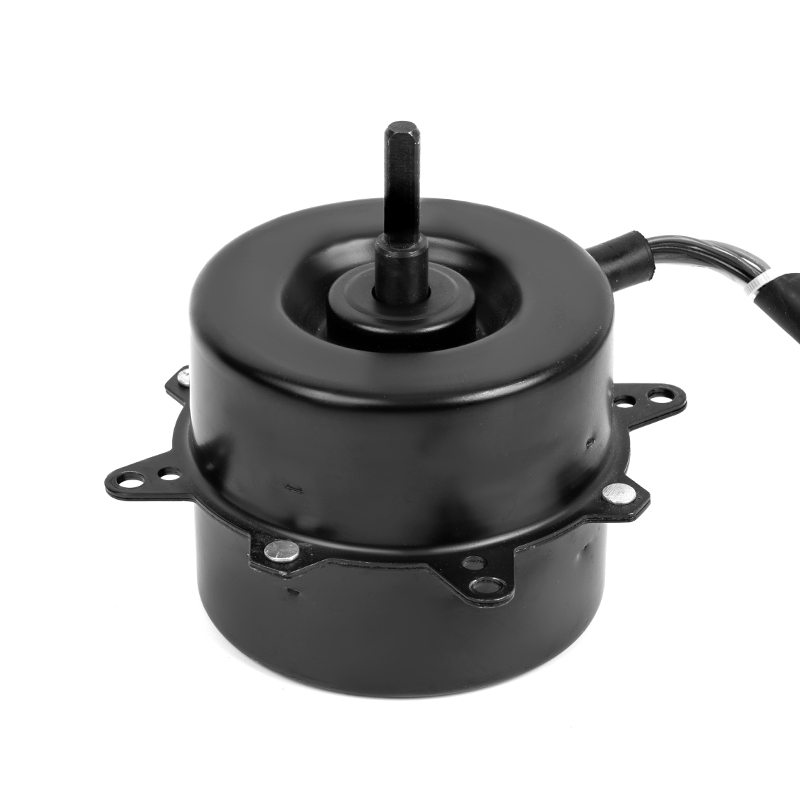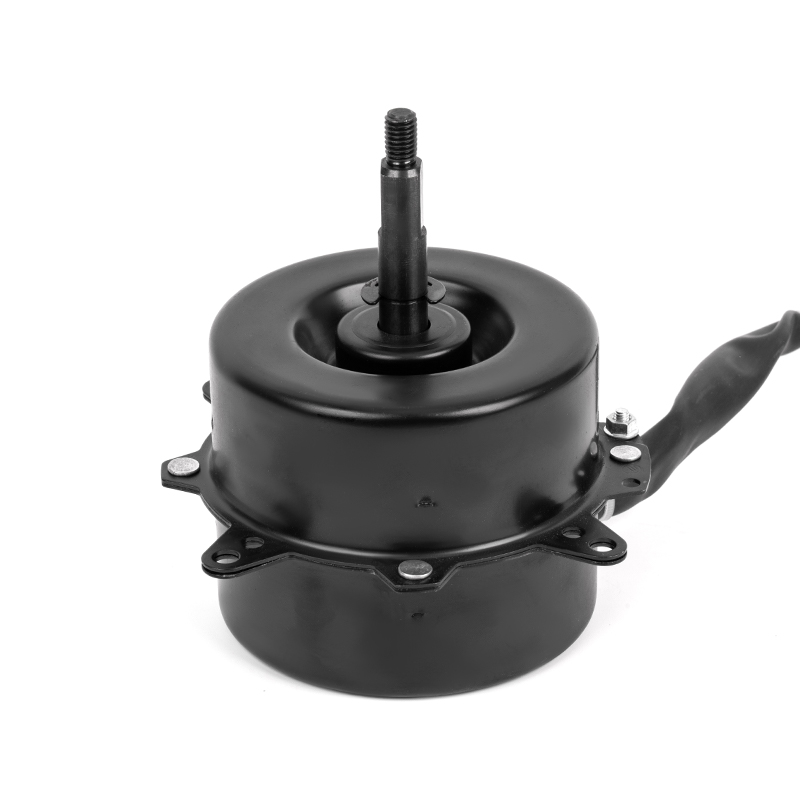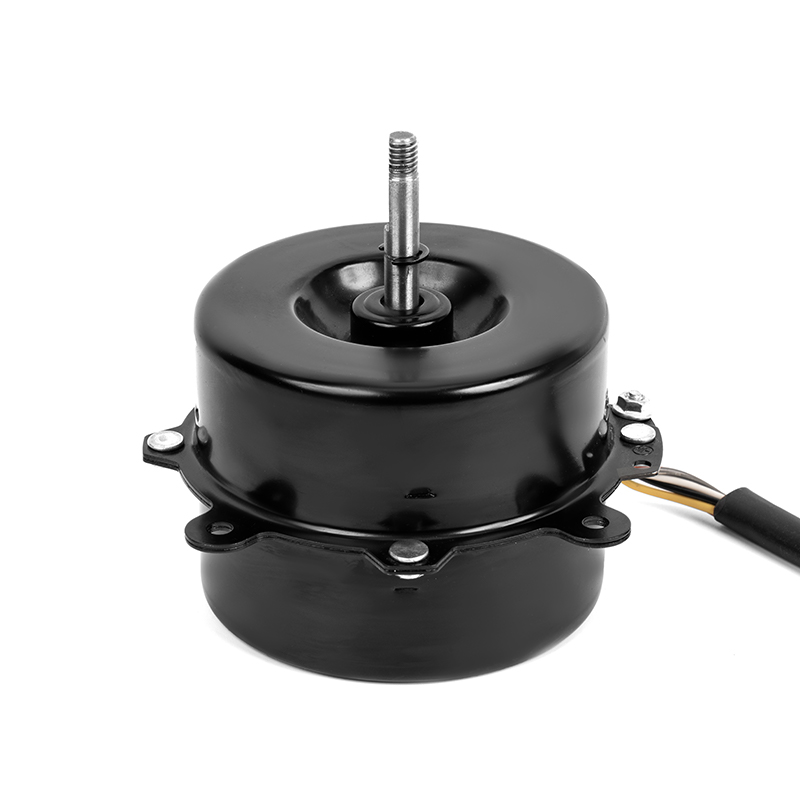


 English
 عربى
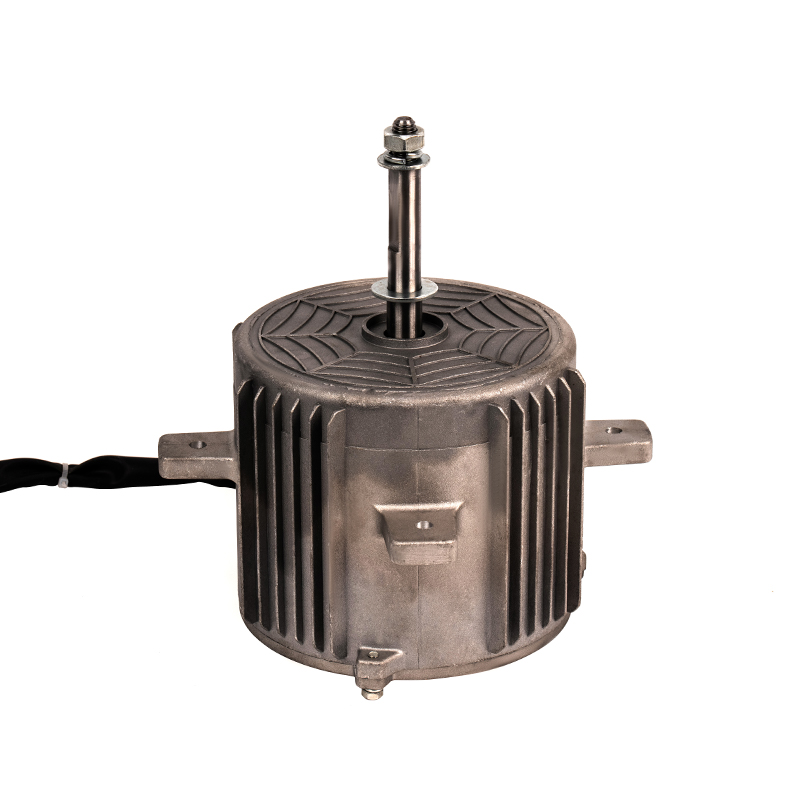
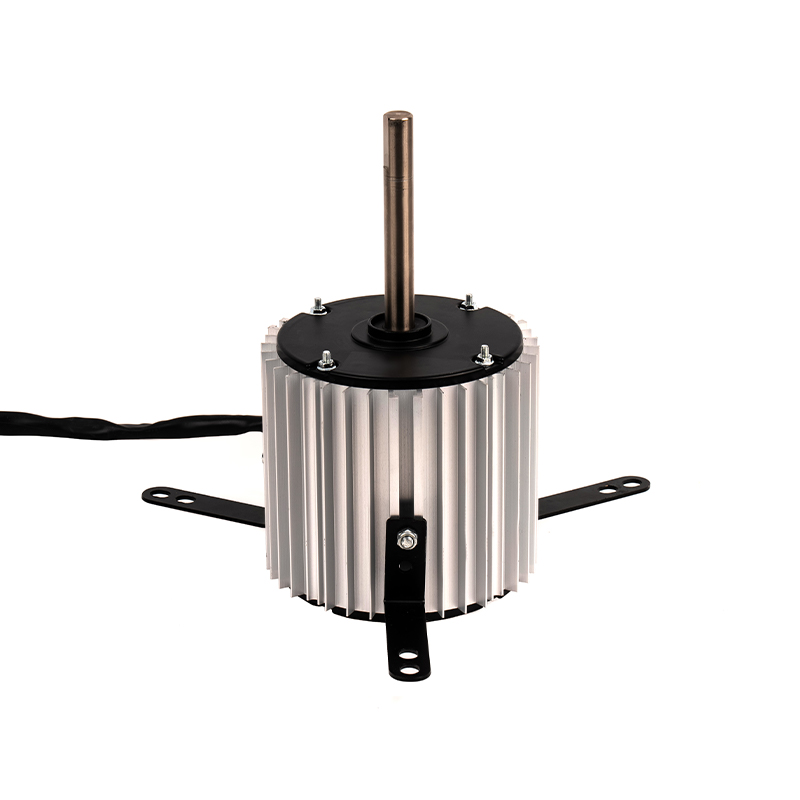
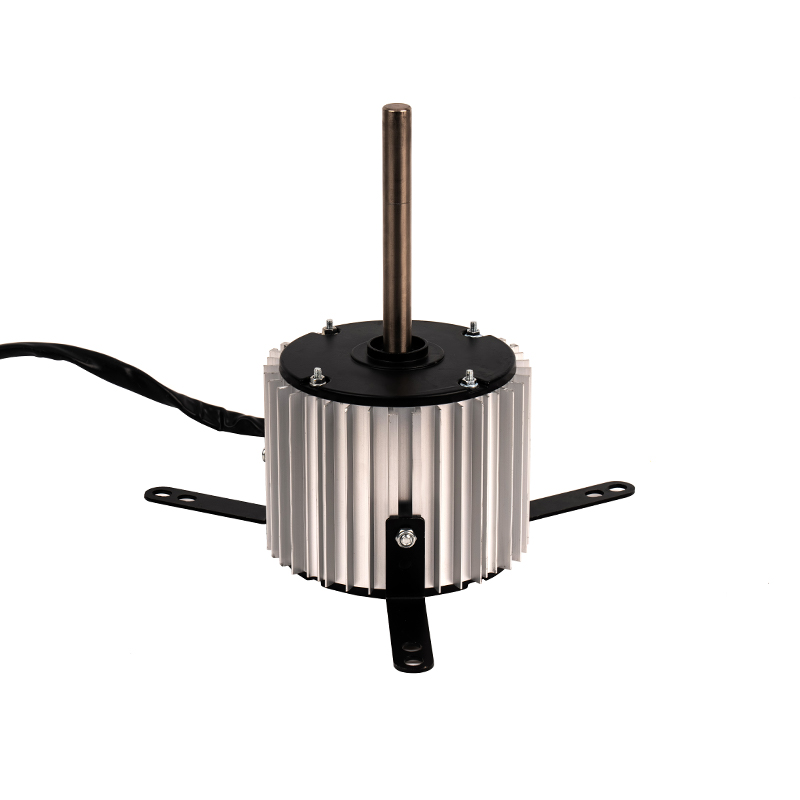
عربىThe Air Cooler Motor can perform reliably in high-humidity environments exceeding 85% RH, but only if it is specifically engineered and rated for such conditions. A standard, unprotected motor will degrade rapidly — suffering winding insulation breakdown, bearing corrosion, and accelerated winding failure — when continuously exposed to humidity levels above 85% RH. Motors with moisture-resistant varnish coatings, sealed bearings, and a minimum IP54 ingress protection rating are required for dependable long-term operation in such environments. This article explores exactly what happens inside an Air Cooler Motor under high humidity, which design features matter most, and how to select or maintain a motor that will last.
Why High Humidity Is a Critical Threat to Air Cooler Motor Performance
An Air Cooler Motor operates in an inherently moist environment. By design, an air cooler draws warm air across a water-saturated evaporative pad, creating a microclimate where relative humidity inside the unit routinely exceeds 85% RH — sometimes reaching 95–100% RH near the motor housing. This is not a temporary exposure; during summer operation, a cooler may run continuously for 8 to 16 hours per day for months.
At these humidity levels, two categories of damage emerge:
- Electrical degradation: Moisture penetrates winding insulation, dramatically reducing its dielectric strength. A winding rated for 1,000V dielectric withstand under dry conditions can fail at a fraction of that voltage after prolonged humidity exposure — a risk that applies equally to a conventional capacitor fan motor and a modern brushless dc motor.
- Mechanical degradation: Bearings corrode, rotor surfaces oxidize, and capacitor casings absorb moisture — each accelerating overall motor failure.
Studies on electric motor reliability in humid industrial settings show that every 10% increase in sustained relative humidity above 60% RH can reduce motor insulation life by up to 50% when the motor lacks proper moisture protection. For an Air Cooler Motor operating above 85% RH, this is not a marginal issue — it is the primary failure driver.
How Insulation Class Determines Humidity Resilience
The insulation class of an Air Cooler Motor's winding is one of the most reliable indicators of its ability to survive continuous high-humidity operation. The IEC standard defines insulation classes by their maximum allowable temperature rise:
| Insulation Class | Max Temperature Rise (°C) | Humidity Suitability |
|---|---|---|
| Class B | 80°C | Marginal — not recommended above 85% RH |
| Class F | 105°C | Acceptable with moisture-resistant varnish |
| Class H | 125°C | Recommended for sustained high-humidity use |
A Class F or Class H Air Cooler Motor, when additionally treated with a tropicalized (moisture-resistant epoxy or polyester) varnish, provides substantially greater resistance to dielectric breakdown. This varnish treatment seals micro-gaps in the winding, preventing moisture ingress at the fiber level. Motors without this treatment — even if Class F rated — remain vulnerable to tracking currents and inter-winding short circuits after extended 85%+ RH exposure.
IP Rating: The Most Practical Performance Indicator in Humid Conditions
For an Air Cooler Motor used in environments exceeding 85% RH, the Ingress Protection (IP) rating is arguably the most immediately actionable specification to evaluate. The IP code defines protection against solid particles (first digit) and liquids (second digit).
- IP44: Protected against solid objects over 1mm and water splashing from any direction. This is the minimum acceptable standard for an Air Cooler Motor operating near evaporative pads.
- IP54: Dust-protected and splash-proof. This is the recommended baseline for high-humidity continuous operation above 85% RH.
- IP55 or IP65: Provides water jet protection and is preferred for industrial-grade Air Cooler Motor installations in tropical or coastal environments where ambient humidity is chronically high.
A motor rated below IP44 — which includes most budget residential air cooler motors — will begin absorbing moisture into its housing within weeks of continuous use at 85%+ RH. Once moisture reaches the stator windings or capacitor, performance deteriorates noticeably: the motor may draw 15–30% more current than its rated amperage, overheat, and eventually seize or burn out. This degradation pattern is especially common in entry-level capacitor fan motor designs where the capacitor is housed inside a minimally sealed enclosure.
Bearing Type and Corrosion Resistance Under Sustained Humidity Load
The bearing assembly of an Air Cooler Motor is the second most vulnerable component after the winding insulation when operating at elevated humidity. Two bearing types are commonly used:
Sleeve (Plain) Bearings
Sleeve bearings rely on an oil film for lubrication. In high-humidity environments, condensation can contaminate the oil reservoir, causing the lubricant to emulsify and lose its viscosity. This leads to increased shaft friction, elevated operating temperature, and premature bearing wear. Sleeve-bearing Air Cooler Motors in 85%+ RH environments typically require lubrication checks every 3–4 months rather than the standard annual interval.
Sealed Ball Bearings
Sealed or shielded ball bearings (designated 2RS or ZZ in bearing nomenclature) are significantly more resistant to moisture ingress. A sealed-bearing Air Cooler Motor operating at 90% RH will, on average, outlast a sleeve-bearing equivalent by 40–60% under identical load conditions. For continuous operation in high-humidity environments, sealed ball bearings with stainless steel or chrome steel races are strongly preferred — regardless of whether the unit uses a capacitor fan motor or a dc bldc motor configuration.
BLDC vs. Induction Motor: Which Handles High Humidity Better?
The motor technology type significantly influences how an Air Cooler Motor handles continuous high-humidity loads. The two dominant technologies on the market today are the traditional capacitor fan motor and the newer dc bldc motor, each with distinct humidity performance profiles:
- Brushless DC Motor (BLDC): A brushless dc motor generates significantly less heat due to higher efficiency (typically 85–92% vs. 60–75% for induction motors). Lower operating temperatures reduce condensation risk on internal surfaces and slow insulation aging. As a dc bldc motor eliminates the need for carbon brushes — components that absorb moisture and wear rapidly in humid conditions — it offers a structural advantage that induction-based designs cannot match. BLDC Air Cooler Motors are increasingly preferred for high-humidity climates for this reason, in addition to their energy savings of 30–50% over conventional induction motors.
- Capacitor Fan Motor: The capacitor fan motor remains the most widely used Air Cooler Motor type in residential applications due to its low cost and simple construction. However, in high-humidity environments, the run capacitor — typically mounted near or inside the motor housing — is particularly susceptible to moisture-induced failure. Electrolytic capacitors in a capacitor fan motor can lose up to 20% of their rated capacitance after 1,000 hours of operation at 85%+ RH without protective coating, leading to weak starts, increased winding temperature, and eventual burnout.
For users in tropical, coastal, or monsoon-affected regions where 85%+ RH is seasonal or year-round, upgrading from a capacitor fan motor to a brushless dc motor-based Air Cooler Motor is the most effective long-term performance and reliability investment.
Practical Maintenance Steps to Sustain Performance at High Humidity
Even a well-rated Air Cooler Motor benefits from targeted maintenance when deployed in sustained high-humidity conditions. The following practices significantly extend service life:
- Inspect and re-lubricate bearings every 3–4 months if sleeve bearings are present. Use a food-grade or high-humidity-rated bearing oil, not general-purpose machine oil.
- Check capacitor health annually using a capacitance meter — this step is especially critical for any capacitor fan motor unit. Replace any capacitor reading more than 10% below its rated µF value, as humidity-induced capacitance loss is a leading cause of Air Cooler Motor weak starts and overheating.
- Apply conformal coating spray to terminal connections and capacitor leads if the motor housing is not fully sealed. This adds a secondary barrier against moisture-induced corrosion at solder joints — a step that benefits both capacitor fan motor and brushless dc motor designs alike.
- Ensure the motor mounting position allows airflow around the housing. A motor running in a stagnant, humid air pocket will operate at higher temperatures, compounding humidity-related insulation stress.
- Monitor current draw periodically with a clamp meter. A well-functioning Air Cooler Motor should draw current within ±5% of its rated amperage. A reading 15% or more above rated current in high-humidity conditions typically signals winding insulation compromise or bearing friction increase — in a dc bldc motor, the controller's current monitoring function can often flag this automatically.
What to Look for When Selecting an Air Cooler Motor for High-Humidity Environments
When purchasing or specifying an Air Cooler Motor for use in environments where humidity regularly exceeds 85% RH, prioritize the following criteria:
- IP rating of IP54 or higher
- Insulation class F or H, with tropicalized varnish treatment explicitly stated in the datasheet
- Sealed ball bearings (2RS designation) rather than open or shielded sleeve bearings
- Thermal overload protection rated to cut off at no more than 130°C winding temperature
- A dc bldc motor or brushless dc motor configuration if energy efficiency and longevity in tropical conditions are priorities — these consistently outperform the standard capacitor fan motor in sustained high-humidity deployments
- Certifications such as ISI (IS 996), CE, or UL that validate the motor has been tested under standardized environmental stress conditions
An Air Cooler Motor that meets these specifications — whether a sealed capacitor fan motor for budget applications or a high-efficiency brushless dc motor for demanding environments — can deliver reliable, full-load performance for 5–8 years even in persistently humid climates, compared to 1–3 years for a standard unprotected motor under the same conditions. The upfront cost difference is almost always recovered within the first replacement cycle.
 ++86 13524608688